Does it work?
Lavender for Scars, Wounds & Stretch Marks
What the research says about lavender for scars, wounds & stretch marks, how to use it at home and how to stay safe.
The short answer: The best human evidence is a randomized trial of an essential-oil blend (including lavender) for alopecia areata; skin-healing claims rest mainly on lab and animal data.
Our Scars, Wounds & Stretch Marks guide does not rank Lavender for this use yet, so this is the overall grade for Lavender.
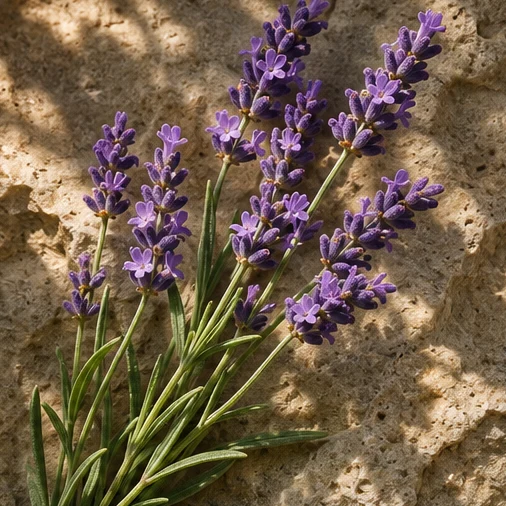
What it does
True lavender is the most familiar essential oil in natural beauty, prized for its calming scent and mild antimicrobial activity. Skin evidence is modest, and its main components, linalool and linalyl acetate, become significant contact allergens when they oxidize. Used fresh and well diluted, it is a pleasant addition to body oils and baths; it is not a cure-all for skin.
Why people reach for it
- A pleasant, relaxing fragrance. Lavender’s scent is the main reason people use it, and inhalation studies suggest modest calming effects. On skin, this makes it a natural choice for body oils and bath products rather than an active treatment.
- Part of a blend that helped alopecia areata. A nightly scalp massage with lavender, rosemary, thyme and cedarwood oils improved patchy alopecia areata more than carrier oil alone in a randomized trial.
- Mild antimicrobial activity. Lavender oil inhibits some bacteria and fungi in the lab, though at concentrations far higher than are safe to leave on skin.
- Soothing in very low doses. Lavender hydrosol is a gentle, lightly scented water phase for toners and mists, with far fewer volatile compounds than the oil.
How to use it
| Form | Typical use | Notes |
|---|---|---|
| Essential oil in body oils and balms | 0.5–2% on the body; ≤0.5–1% on the face | Use fresh oil (within about a year of opening), add vitamin E or rosemary extract to slow oxidation, and see Lavender Calm Body Oil and Essential Oil Dilution Calculator. |
| Hydrosol | Up to 100% of the water phase | A gentle way to get lavender’s scent with very few volatiles. Treat it as water: preserve any formula it goes into, and refrigerate the bottle. |
| Dried buds | A handful in a muslin bag in the bath | Infuses the water lightly; far gentler than adding drops of essential oil, which float undiluted on the surface. |
Recipes with Lavender
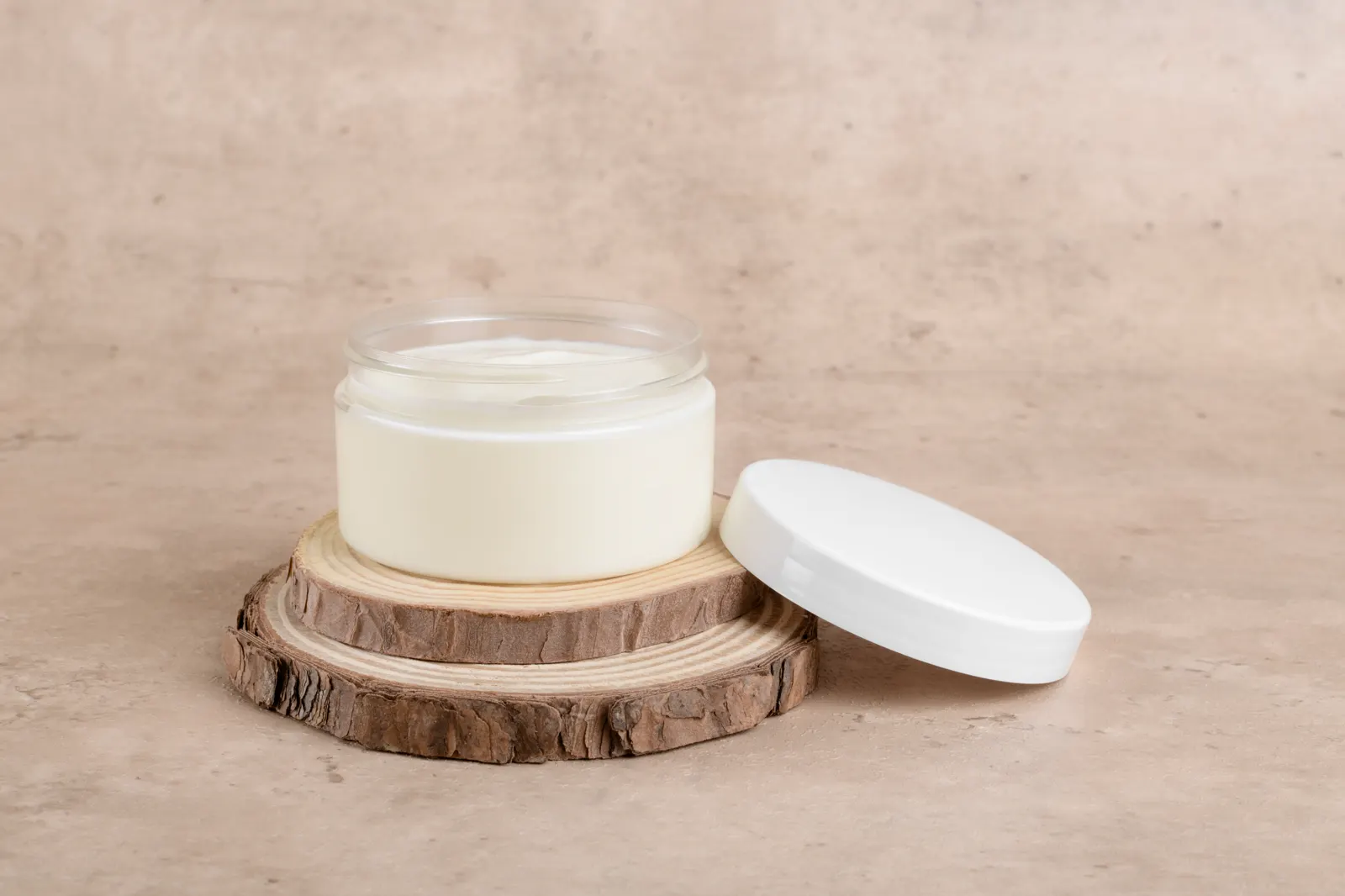 Body care · BeginnerWhipped Shea Body ButterCloud-light whipped shea with coconut and sunflower oils and a hint of lavender — rich care for dry skin, with the trick that prevents graininess.
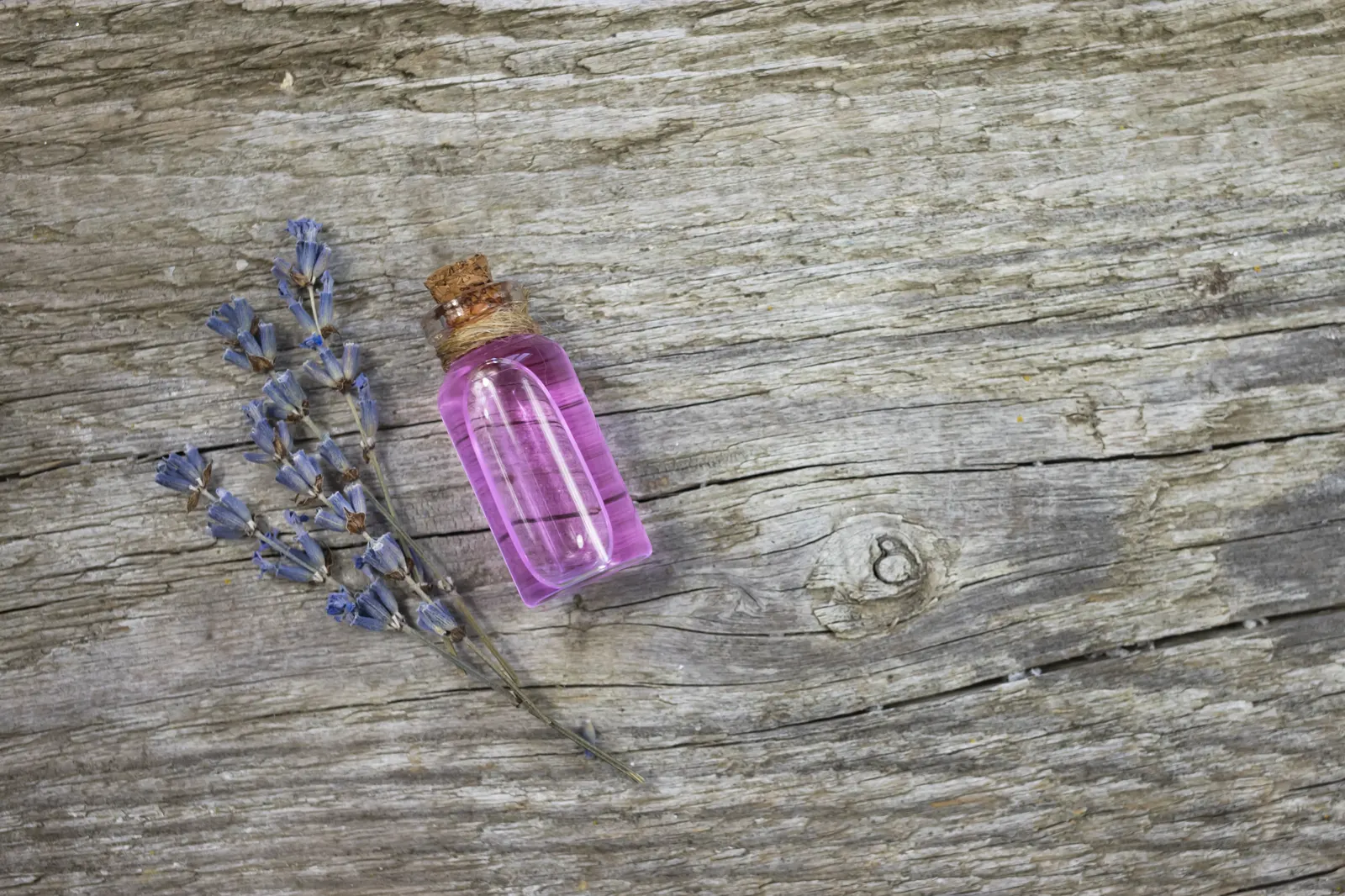 Body care · BeginnerLavender Calm Body OilA silky after-bath body oil of sunflower, apricot kernel and jojoba with 2% true lavender — the maximum we recommend for body use.
Daily rituals with Lavender
Use it safely
- Oxidized linalool and linalyl acetate are common contact allergens. Old, air-exposed oil is the main risk; buy small bottles, keep them tightly closed, cool and dark, and discard after about a year.
- Never apply neat. Even fresh lavender oil can irritate at high concentration; follow Essential Oil Safety: The Complete Guide.
- Children: case reports have linked regular use of lavender-oil products to reversible breast development in prepubertal children. Evidence is limited, but it is sensible to avoid frequent, liberal use on young children.
- Lavandin and Spanish lavender are camphor-rich; avoid them on or near the face of infants and young children.
- If you develop itchy eczema where you use fragranced products, ask a dermatologist about patch testing to fragrance allergens including oxidized linalool.
Pregnancy and breastfeeding: Diluted topical lavender oil is generally considered acceptable in pregnancy and breastfeeding; avoid oral use and high concentrations.
New to an ingredient? Patch test first.
When to see a doctor
- Signs of infection: spreading redness or warmth, red streaks, increasing pain or swelling, pus, a bad smell, or fever.
- Deep, gaping or long cuts, wounds on the face, hands or joints, or bleeding that does not stop with 10 minutes of firm pressure — stitches work best within hours.
- Animal or human bites, puncture wounds, dirty wounds, or if your tetanus vaccination is not up to date.
- Burns larger than your palm, or any burn on the face, hands, feet, genitals or over joints, or with white, leathery or charred skin.
- Wounds not healing within two weeks, especially if you have diabetes, poor circulation or a weakened immune system.
- A scar that keeps growing beyond its edges, is painful or itchy (possible keloid), or an old scar that ulcerates, bleeds or changes.
- New, wide purple stretch marks together with weight gain, a rounded face, easy bruising or muscle weakness.
Other plants for Scars, Wounds & Stretch Marks
| Ingredient | Grade | What the evidence shows |
|---|---|---|
| Honey | B | Systematic reviews suggest sterile, medical-grade honey dressings heal partial-thickness burns faster than some conventional dressings, though trial quality varies; kitchen honey is not for open wounds. |
| Aloe Vera | B | Several trials and a systematic review suggest aloe preparations may shorten healing time of superficial burns; evidence for surgical wounds is inconclusive. |
| Centella Asiatica (Cica) | B | Asiaticoside and madecassoside promote collagen organization; small trials (mostly of combination creams) support use for stretch-mark prevention and scar appearance. |
| Calendula | C | Small trials suggest benefit for skin reactions to radiotherapy and minor wounds; daisy-family allergy is possible. |
| Rosehip Oil | C | A small controlled study suggested rosehip oil improved the color and appearance of post-surgical scars after the wound had closed. |
| Helichrysum (Immortelle) | D | Popular in aromatherapy for scars, but evidence is anecdotal or from lab studies; as an essential oil it must be diluted and never used on open wounds. |
| Olive Oil | D | Trials of massaging plain oils, including olive oil, in pregnancy have not shown clear prevention of stretch marks; massage itself is harmless and pleasant. |