Does it work?
Lavender for Thinning Hair & Hair Loss
Lavender’s soft, floral calm turns an ordinary evening into a slow, scented wind-down.
The short answer: The best human evidence is a randomized trial of an essential-oil blend (including lavender) for alopecia areata; skin-healing claims rest mainly on lab and animal data.
Our Thinning Hair & Hair Loss guide does not rank Lavender for this use yet, so this is the overall grade for Lavender.
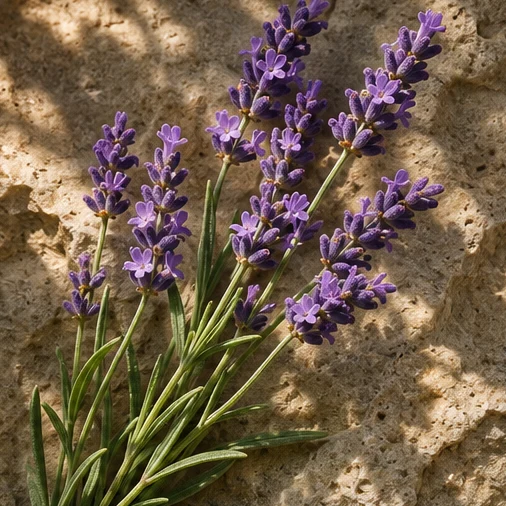
What Lavender can do for Thinning Hair & Hair Loss
True lavender is the most familiar essential oil in natural beauty, prized for its calming scent and mild antimicrobial activity. Skin evidence is modest, and its main components, linalool and linalyl acetate, become significant contact allergens when they oxidize. Used fresh and well diluted, it is a pleasant addition to body oils and baths; it is not a cure-all for skin.
Why people reach for it
- A pleasant, relaxing fragrance. Lavender’s scent is the main reason people use it, and inhalation studies suggest modest calming effects. On skin, this makes it a natural choice for body oils and bath products rather than an active treatment.
- Part of a blend that helped alopecia areata. A nightly scalp massage with lavender, rosemary, thyme and cedarwood oils improved patchy alopecia areata more than carrier oil alone in a randomized trial.
- Mild antimicrobial activity. Lavender oil inhibits some bacteria and fungi in the lab, though at concentrations far higher than are safe to leave on skin.
- Soothing in very low doses. Lavender hydrosol is a gentle, lightly scented water phase for toners and mists, with far fewer volatile compounds than the oil.
How to use it
Try it today
A lavender bath, the gentle way
- Fill a muslin bag with a handful of dried lavender buds and tie it closed.
- Let it steep in the warm bath as it runs, instead of dropping essential oil onto the water.
- Soak and breathe slowly, then pat dry and follow with an unscented body oil or lotion.
| Form | Typical use | Notes |
|---|---|---|
| Essential oil in body oils and balms | 0.5–2% on the body; ≤0.5–1% on the face | Use fresh oil (within about a year of opening), add vitamin E or rosemary extract to slow oxidation, and see Lavender Calm Body Oil and Essential Oil Dilution Calculator. |
| Hydrosol | Up to 100% of the water phase | A gentle way to get lavender’s scent with very few volatiles. Treat it as water: preserve any formula it goes into, and refrigerate the bottle. |
| Dried buds | A handful in a muslin bag in the bath | Infuses the water lightly; far gentler than adding drops of essential oil, which float undiluted on the surface. |
Recipes with Lavender
 Body care · BeginnerWhipped Shea Body ButterCloud-light whipped shea with coconut and sunflower oils and a hint of lavender — rich care for dry skin, with the trick that prevents graininess.
 Body care · BeginnerLavender Calm Body OilA silky after-bath body oil of sunflower, apricot kernel and jojoba with 2% true lavender — the maximum we recommend for body use.
Daily rituals with Lavender
Use it safely
- Oxidized linalool and linalyl acetate are common contact allergens. Old, air-exposed oil is the main risk; buy small bottles, keep them tightly closed, cool and dark, and discard after about a year.
- Never apply neat. Even fresh lavender oil can irritate at high concentration; follow Essential Oil Safety: The Complete Guide.
- Children: case reports have linked regular use of lavender-oil products to reversible breast development in prepubertal children. Evidence is limited, but it is sensible to avoid frequent, liberal use on young children.
- Lavandin and Spanish lavender are camphor-rich; avoid them on or near the face of infants and young children.
- If you develop itchy eczema where you use fragranced products, ask a dermatologist about patch testing to fragrance allergens including oxidized linalool.
Pregnancy and breastfeeding: Diluted topical lavender oil is generally considered acceptable in pregnancy and breastfeeding; avoid oral use and high concentrations.
New to an ingredient? Patch test first.
When to see a doctor
- Sudden, patchy hair loss with smooth bald circles (possible alopecia areata).
- Hair loss with scalp itching, burning, pain, redness, scale or pustules, or a receding hairline with loss of eyebrows — possible scarring alopecia, which needs prompt specialist care.
- A child with scaly patches, broken hairs or black dots on the scalp (possible fungal infection).
- Rapid or heavy diffuse shedding lasting more than six months, or shedding with fatigue, weight change, heavy periods, feeling cold or palpitations.
- Hair loss with acne, excess body hair or irregular periods (possible androgen excess).
- Hair loss after starting a new medication — do not stop prescribed medicines without advice.
Other plants for Thinning Hair & Hair Loss
| Ingredient | Grade | What the evidence shows |
|---|---|---|
| Rosemary | C | One randomized comparative trial in androgenetic alopecia found rosemary oil gave similar hair-count gains to 2% minoxidil after six months, with less scalp itch; it was small, not placebo-controlled and has not been replicated. |
| Pumpkin Seed Oil | C | A placebo-controlled trial of an oral supplement containing pumpkin seed oil increased hair counts in men; it was a multi-ingredient product, and topical data are minimal. |
| Fenugreek | C | A small placebo-controlled trial of an oral fenugreek seed extract reported improved hair growth and thickness; topical use is traditional. |
| Peppermint | D | A mouse study showed hair growth with diluted peppermint oil; there are no meaningful human trials, and it can irritate the scalp. |
| Green Tea | D | EGCG inhibits 5-alpha-reductase and supports follicle cells in the lab; human evidence is lacking. |
| Stinging Nettle | D | Nettle root affects androgen pathways in prostate research, but there are no good hair-loss trials. |
| Castor Oil | D | A popular remedy with no published evidence of hair growth; it can coat hair and, rarely, cause severe matting. |