· Evening · 45 min
A Sleep-Friendly Evening Wind-Down
A warm shower an hour or two before bed, skincare done early, lights low. A calm evening sequence that helps you drift off more easily.

- Time
- 45 min
- Evidence
- BGood evidence
- Time
- 45 min
- Evidence
- BGood evidence
You’ll need
- A warm shower or bath
- Your evening skincare (cleanser and moisturizer)
- A low lamp instead of overhead lights
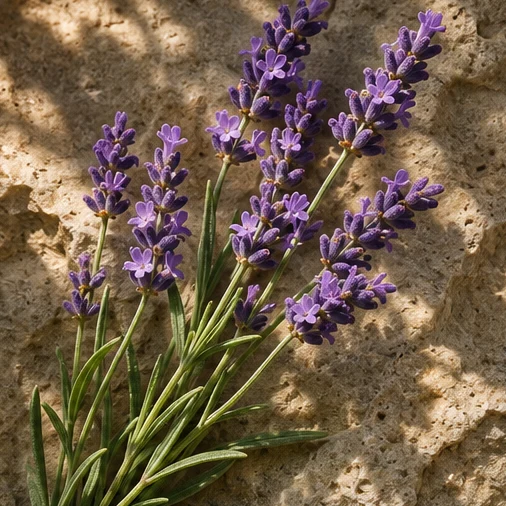
- Optional: a diluted lavender body oil, or a cup of chamomile tea
Good evidence: A systematic review supports warm bathing one to two hours before bed for faster sleep onset; evidence for lavender and chamomile is smaller and mixed.
Formulator’s tip
Set a phone alarm for shower time, not just for waking up. The cue to start winding down is the step most people miss.
Step by step
- About 90 minutes before bed, take a warm (not hot) shower or bath of 10–15 minutes.
- Do your full evening skincare straight afterwards while skin is still damp: cleanse if you didn’t in the shower, then moisturize face and body.
- Switch to lamps and dim the lights. Put your phone on charge out of reach, or at least face down.
- If you enjoy it, massage a little lavender body oil into your arms and shoulders, or sip a cup of chamomile tea.
- Spend the last half hour on something slow: reading, gentle stretching or a few minutes of steady breathing.
- Get into bed with nothing left to do.
Why it works
A warm shower or bath one to two hours before bed was linked with falling asleep a little faster in a systematic review of small studies. Warming the skin seems to help the body shed heat afterwards, and that gentle cooling is a natural sleep signal. Doing skincare at that point means it gets proper attention and has time to absorb before your face meets the pillow.
Scent is a softer extra. Small trials suggest lavender aroma may modestly improve sleep quality for some people, and chamomile tea is a calming tradition with limited research. Neither replaces good sleep habits. Read Essential Oil Safety: The Complete Guide before using lavender oil on skin.
Enjoy it safely
- Dilute essential oils for the body (around 1–2%) and don’t use them on babies or young children unless a professional advises it.
- Chamomile can trigger allergy in people sensitive to the daisy family (such as ragweed), and may interact with blood thinners; check with a pharmacist.
- Ongoing insomnia, loud snoring or daytime exhaustion deserve a conversation with your doctor.
Ingredients in this ritual

Go further
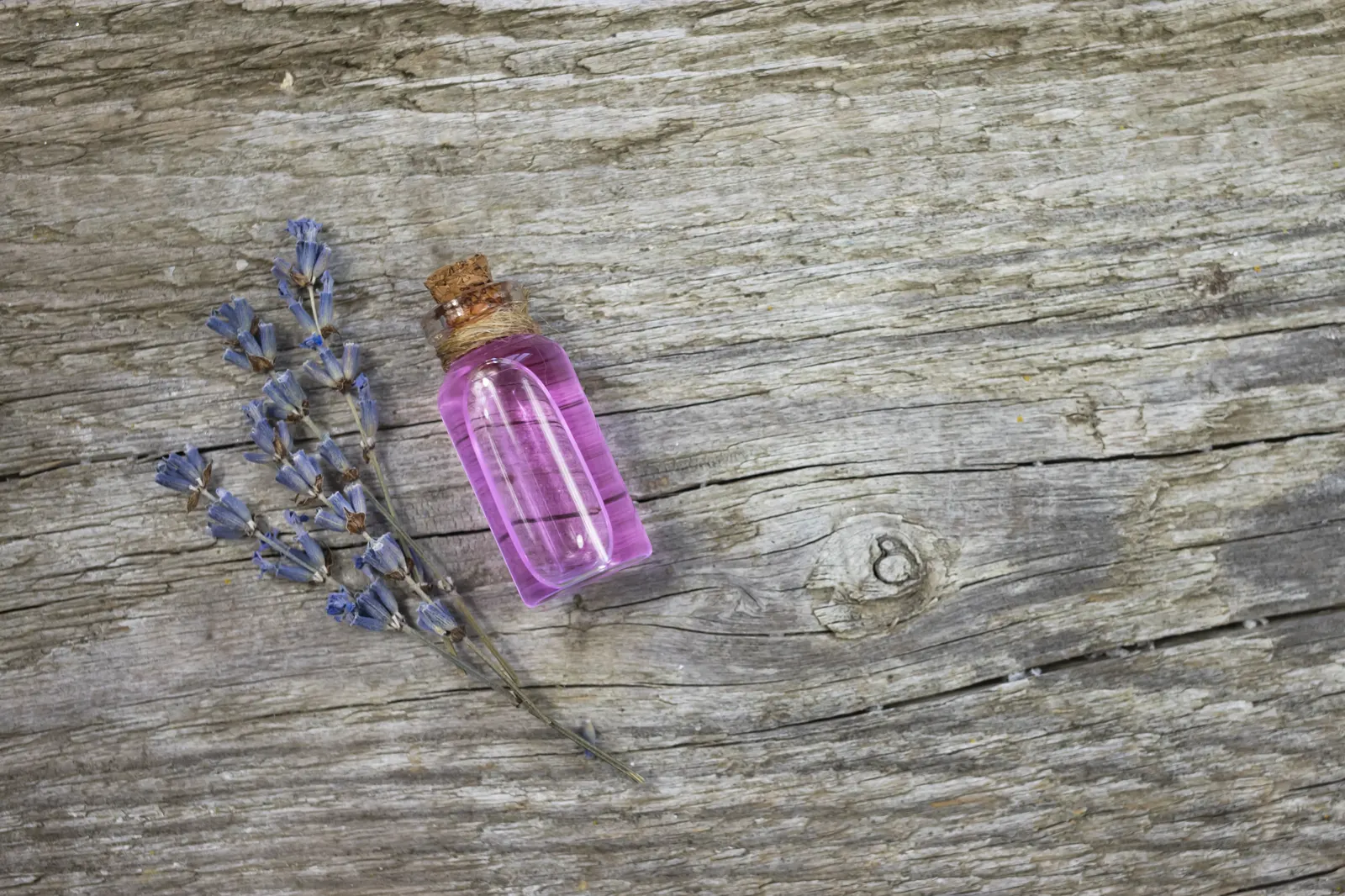 Body care · BeginnerLavender Calm Body OilA silky after-bath body oil of sunflower, apricot kernel and jojoba with 2% true lavender — the maximum we recommend for body use.
GuideEssential Oil Safety: The Complete GuideDilution by use, phototoxic citrus limits, oxidation and allergy, IFRA standards, and special care for children, pregnancy and pets.
 Window Light, Screens and Your Skin: A Two-Minute CheckDo you need sunscreen indoors in winter? Window glass lets through UVA; screens are a minor issue. A quick check of where you sit tells you.