Does it work?
Green Tea for Aging & Photoaging
What the research says about green tea for aging & photoaging, how to use it at home and how to stay safe.
The short answer: Topical green tea polyphenols reduce UV-induced redness and DNA damage in human skin; trials for wrinkles show mixed, modest results.
What it does
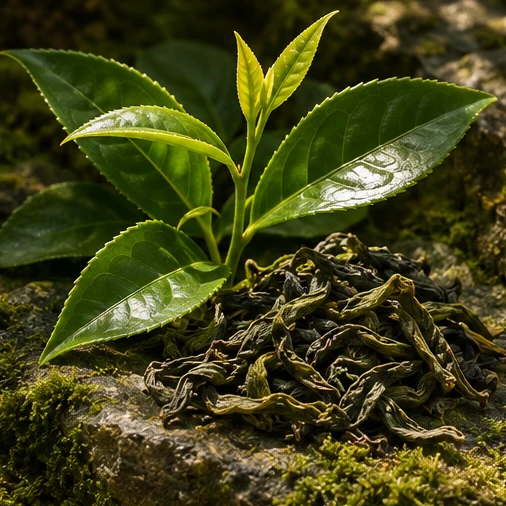
Green tea is one of the best-researched botanical antioxidants. Its catechins, led by EGCG, reduce sebum and inflammation and limit some UV-induced damage in human studies, and small trials suggest topical green tea can reduce acne. It is fragile — catechins oxidize quickly — and it is never a replacement for sunscreen.
Why people reach for it
- Reduces acne lesions. Small trials of a 2% green tea lotion and of topical EGCG reduced acne lesion counts over 6–8 weeks, with EGCG also lowering sebum production and inhibiting acne bacteria in lab work.
- Helps control oiliness. EGCG down-regulates sebocyte lipid production in cell studies, and topical green tea has reduced sebum output in small human studies.
- Antioxidant support against UV damage. Green tea polyphenols applied before UV exposure reduced redness and DNA damage in human volunteers. This complements, but never replaces, sunscreen.
- Soothes and de-puffs. Caffeine and catechins have mild vasoconstrictive and anti-inflammatory effects, which is why green tea is common in eye creams and calming toners.
How to use it
| Form | Typical use | Notes |
|---|---|---|
| Green tea leaf extract (standardized polyphenols) | 0.5–5% in serums, toners and creams | Formulate at roughly pH 4–5.5 with a chelator and vitamin E or ferulic acid; expect some color drift. Try Green Tea & Centella Soothing Toner. |
| Purified EGCG | 0.1–1% | More potent and more fragile; best in anhydrous or low-water systems, or in airless packaging. |
| Brewed tea or matcha (DIY) | Fresh, single use | A cooled brew makes a calming compress; 1 teaspoon of matcha can be stirred into a clay or honey mask. Use immediately and discard leftovers. |
Recipes for Aging & Photoaging with Green Tea
Daily rituals with Green Tea
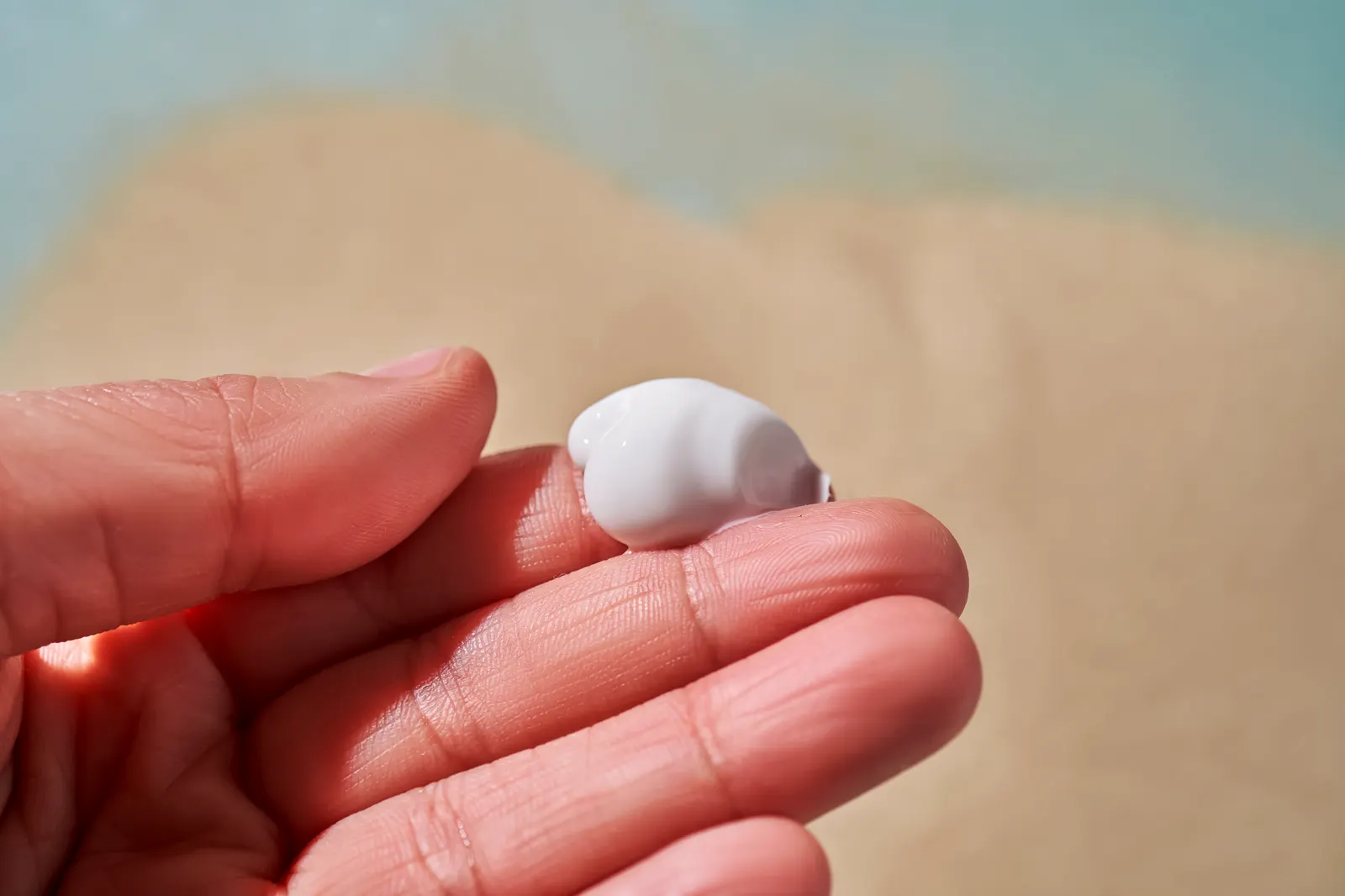 The Two-Finger Sunscreen Rule (and When to Reapply)Most of us apply a fraction of the sunscreen tested on the label. The two-finger rule fixes the dose for face and neck; here is how to reapply, too.
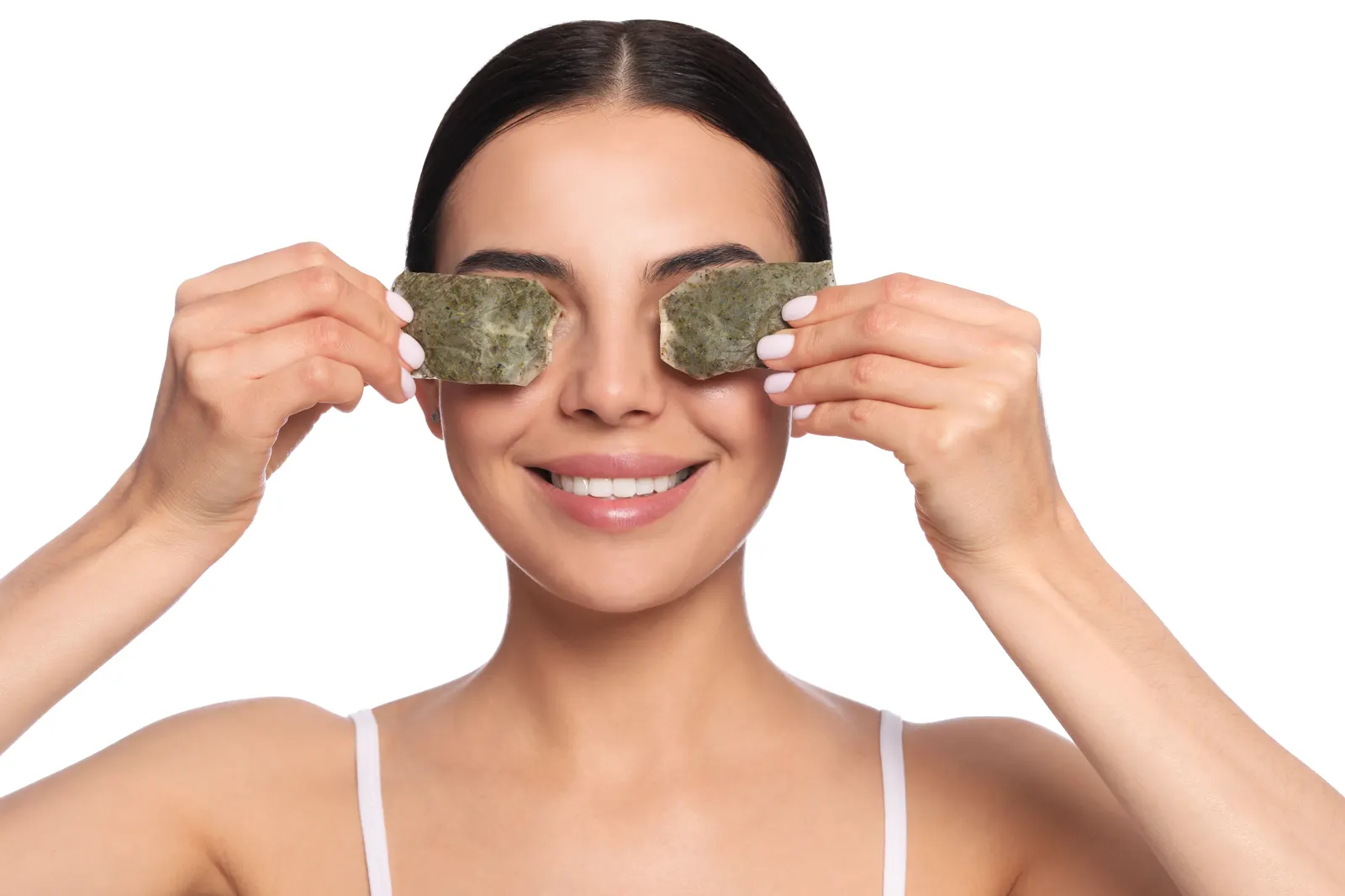 A Green Tea Cold Compress for Puffy Morning EyesChilled green tea bags on closed eyes for ten minutes: why the cold does most of the work, what caffeine adds, and when puffiness needs a doctor.
Use it safely
- Topical green tea is very well tolerated; contact allergy is rare.
- It is not a sunscreen. Use broad-spectrum SPF every day; antioxidants are an add-on.
- High-dose green tea extract supplements can cause liver injury. The European Food Safety Authority found intakes of 800 mg EGCG a day or more from supplements raised liver enzymes. Topical use does not carry this risk.
- Oxidized (brown) products have lost much of their activity; replace them.
Pregnancy and breastfeeding: Topical green tea is considered safe in pregnancy. Keep total caffeine intake within guidance (about 200 mg a day) and avoid concentrated green tea extract supplements.
New to an ingredient? Patch test first.
When to see a doctor
- A new or changing mole or spot, especially using the ABCDE signs (asymmetry, irregular border, uneven color, diameter over 6 mm, evolving).
- Rough, scaly patches on sun-exposed skin that persist (possible actinic keratoses).
- A pearly or shiny bump, a sore that does not heal within 3–4 weeks, or a lesion that bleeds easily.
- Sudden skin thinning, easy bruising or stretch marks that may be medication-related (e.g. long-term steroids).
- If you want prescription retinoids or in-office treatments, or are unsure which actives are safe for you.
Other plants for Aging & Photoaging
| Ingredient | Grade | What the evidence shows |
|---|---|---|
| Bakuchiol | B | A randomized, double-blind trial found 0.5% bakuchiol twice daily comparable to 0.5% retinol for wrinkles and pigmentation over 12 weeks, with less stinging; it is not a true retinoid and is less studied. |
| Centella Asiatica (Cica) | C | Madecassoside and asiaticoside stimulate collagen in the lab; small trials of centella-containing creams showed improved firmness, mostly in combination products. |
| Argan Oil | C | A small study in postmenopausal women found improved elasticity with argan oil (oral and topical arms); useful as an emollient. |
| Rosehip Oil | C | Rich in linoleic acid and carotenoids; small studies (mainly of oral rosehip powder) suggest improved skin texture. Topical anti-wrinkle data are thin. |
| Frankincense | C | One small trial of a Boswellia serrata extract cream reported improvement in photoaging signs; needs replication. |
| Sea Buckthorn | D | High in antioxidants and omega-7 (palmitoleic acid), but clinical anti-aging evidence is minimal; unrefined oil stains orange. |