Does it work?
Amla (Indian Gooseberry) for Dry, Damaged & Frizzy Hair
Tangy amla, the Indian gooseberry, is an Ayurvedic hair tonic that leaves lengths soft, glossy and cared for.
The short answer: Hair claims rest on tradition and in-vitro/animal data; skin-brightening uses of standardized extracts have mainly lab and manufacturer data.
Our Dry, Damaged & Frizzy Hair guide does not rank Amla (Indian Gooseberry) for this use yet, so this is the overall grade for Amla (Indian Gooseberry).
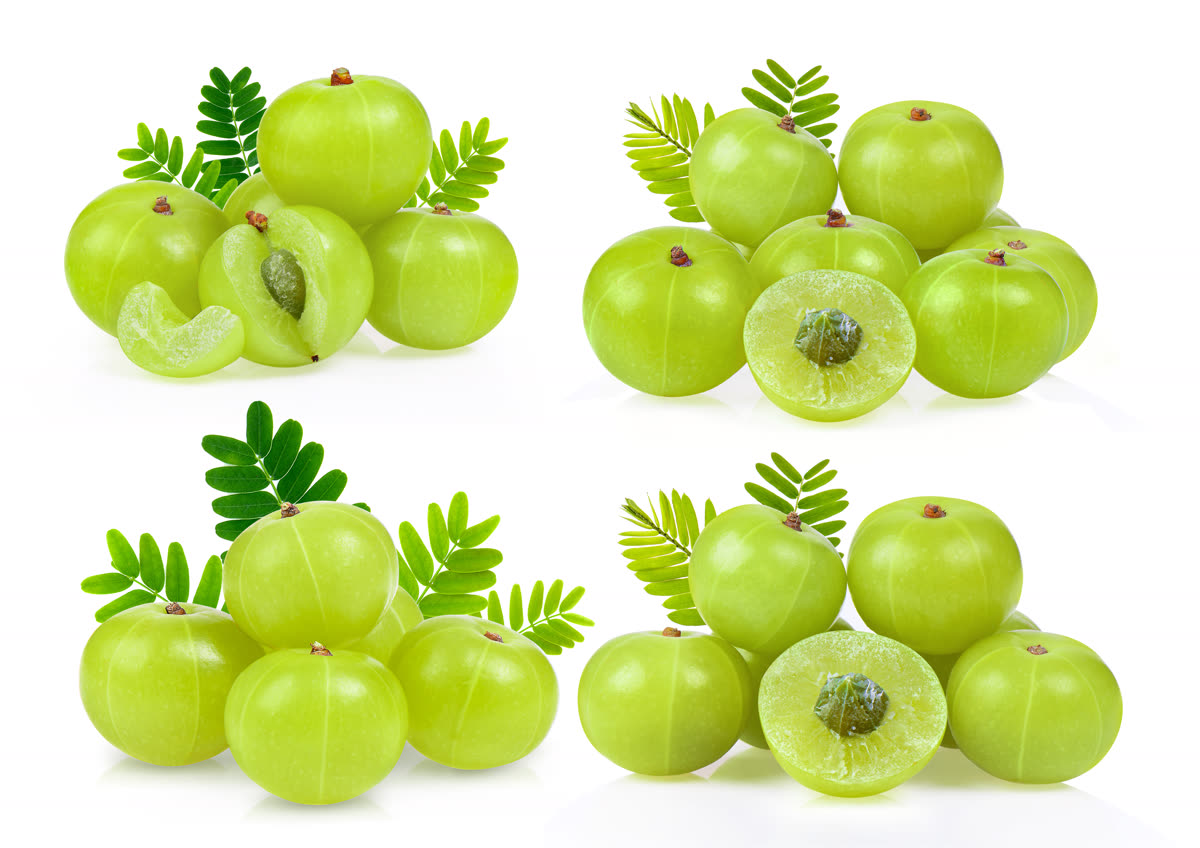
What Amla (Indian Gooseberry) can do for Dry, Damaged & Frizzy Hair
Amla is the sour green fruit of Phyllanthus emblica, one of Ayurveda’s most revered plants and a staple of Indian hair oils. Its tannins and vitamin C make it a strong antioxidant, and as a powder it is used to condition hair and to soften the red of henna. Claims that it prevents hair loss or graying are traditional; lab and animal studies are suggestive, but proper human trials are lacking.
Why people reach for it
- Antioxidant protection. Ellagitannins, gallic acid and vitamin C give amla extracts high antioxidant capacity in lab tests.
- Conditioning and shine. Tannins tighten the hair cuticle and amla masks leave many hair types feeling smoother and shinier.
- Tones henna color. Adding amla to henna gives cooler, deeper reds and can make the paste smoother. See henna.
- Skin-brightening extracts (early data). Standardized emblica extracts are sold for uneven tone; evidence is mostly in-vitro and manufacturer-run. See Dark Spots & Hyperpigmentation.
How to use it
Try it today
A pre-wash amla oil ritual
- Patch test first, then warm a little amla-infused coconut or sesame oil between your palms.
- Massage it into your scalp and lengths, and leave it 30 minutes or overnight.
- Shampoo it out, then follow with your usual conditioner.
| Form | Typical use | Notes |
|---|---|---|
| Powder hair mask | 10–30% of a mask (mixed with water, yogurt or aloe) | Leave on 20–40 minutes; combine with fenugreek for slip. See Fenugreek & Amla Hair Mask. Mix fresh. |
| With henna | About 10–25% of the henna powder weight | Tones and cools the red result; strand test, as it changes the final shade. |
| Amla-infused oil | Dried amla infused in coconut or sesame oil, used as a pre-wash treatment | Traditional Indian practice; apply 30 minutes to overnight, then shampoo out. |
| Standardized extract in serums | 0.5–2% (per supplier) | Brown to amber in color and prone to oxidation; formulate at an acidic pH with a preservative. |
Recipes for Dry, Damaged & Frizzy Hair with Amla (Indian Gooseberry)
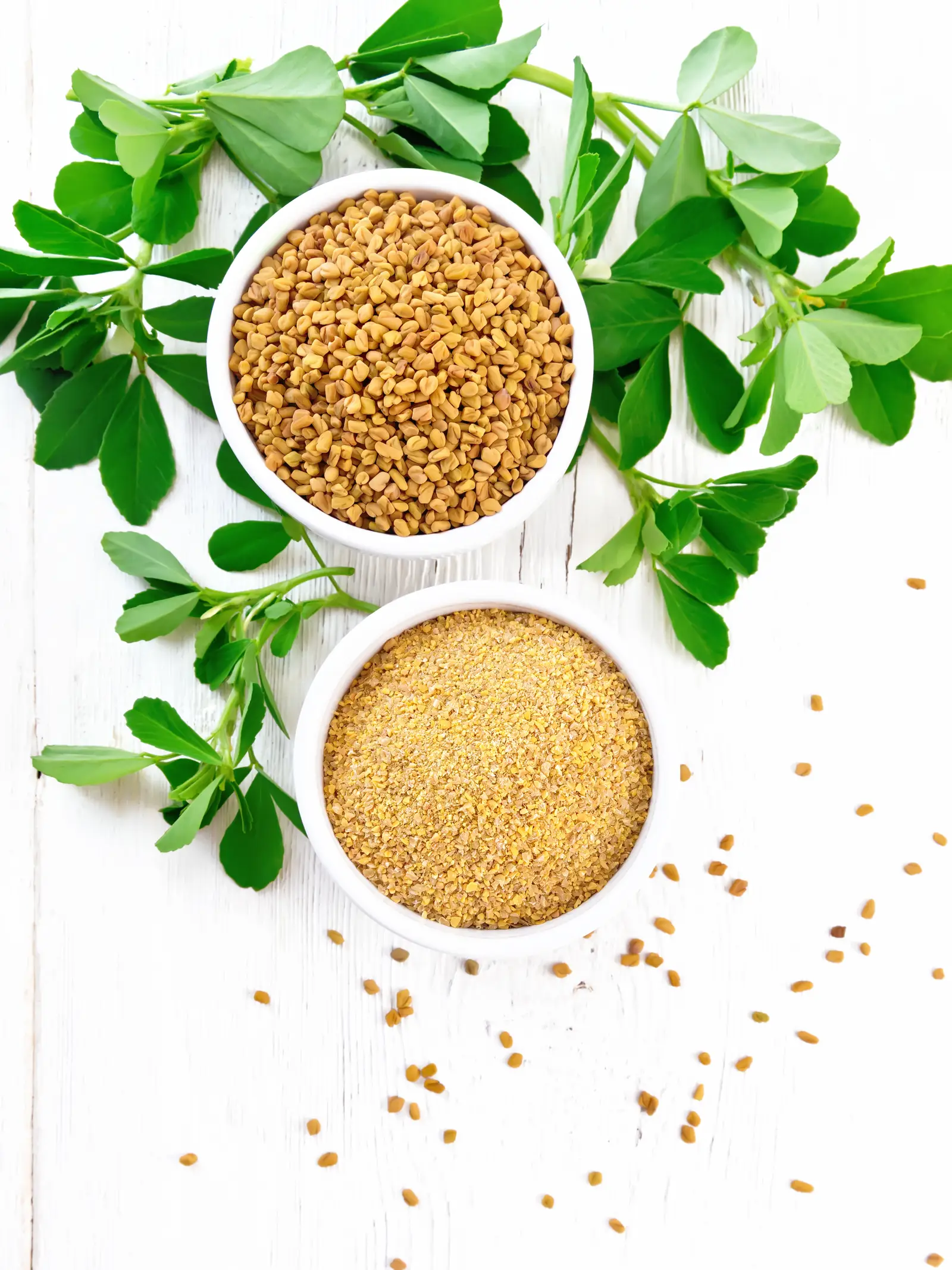
Daily rituals with Amla (Indian Gooseberry)
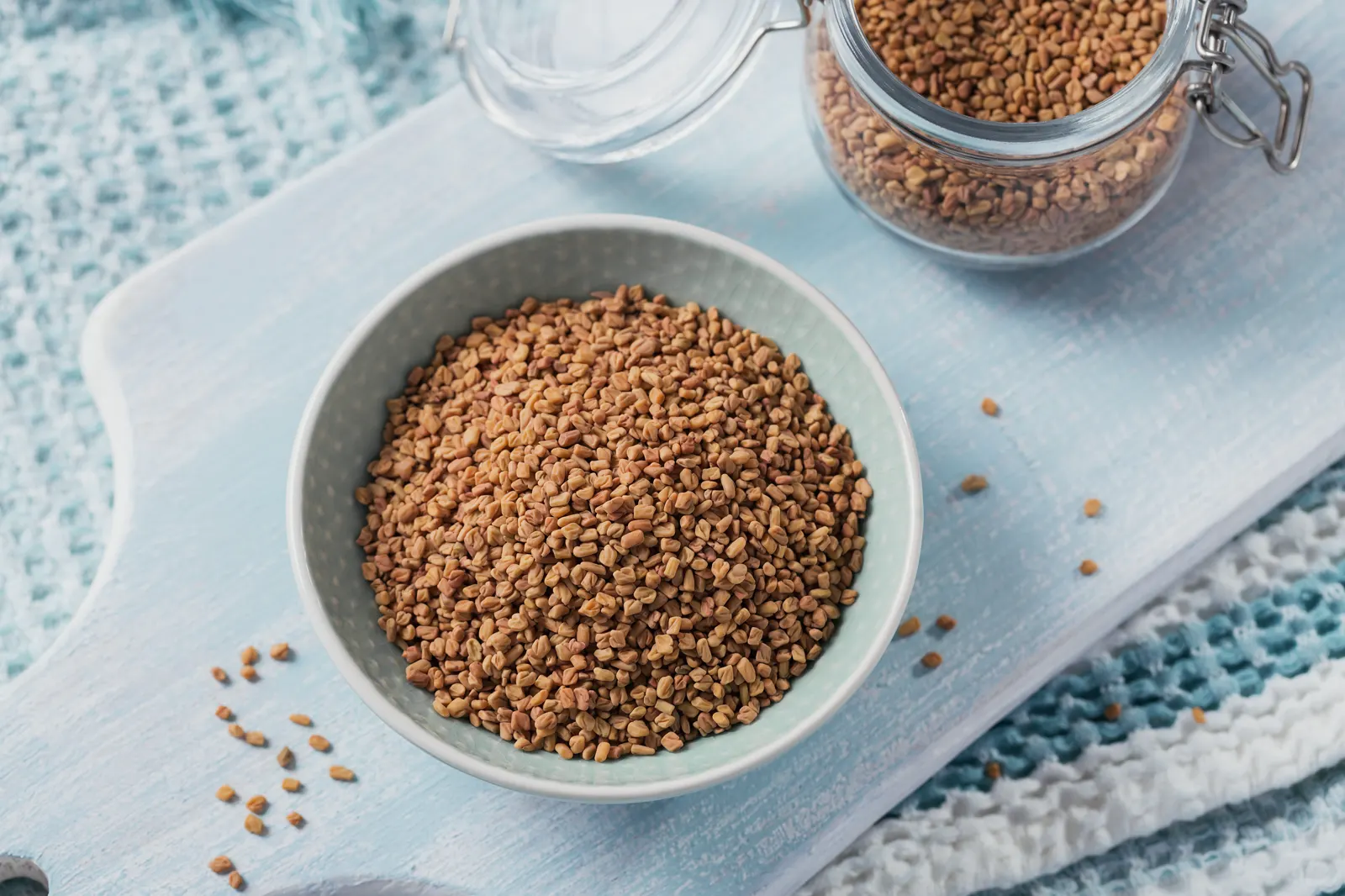 A Fenugreek and Amla SundayAn Ayurvedic-inspired weekly hair mask of soaked fenugreek and amla: slippery, conditioning, fresh and single use.
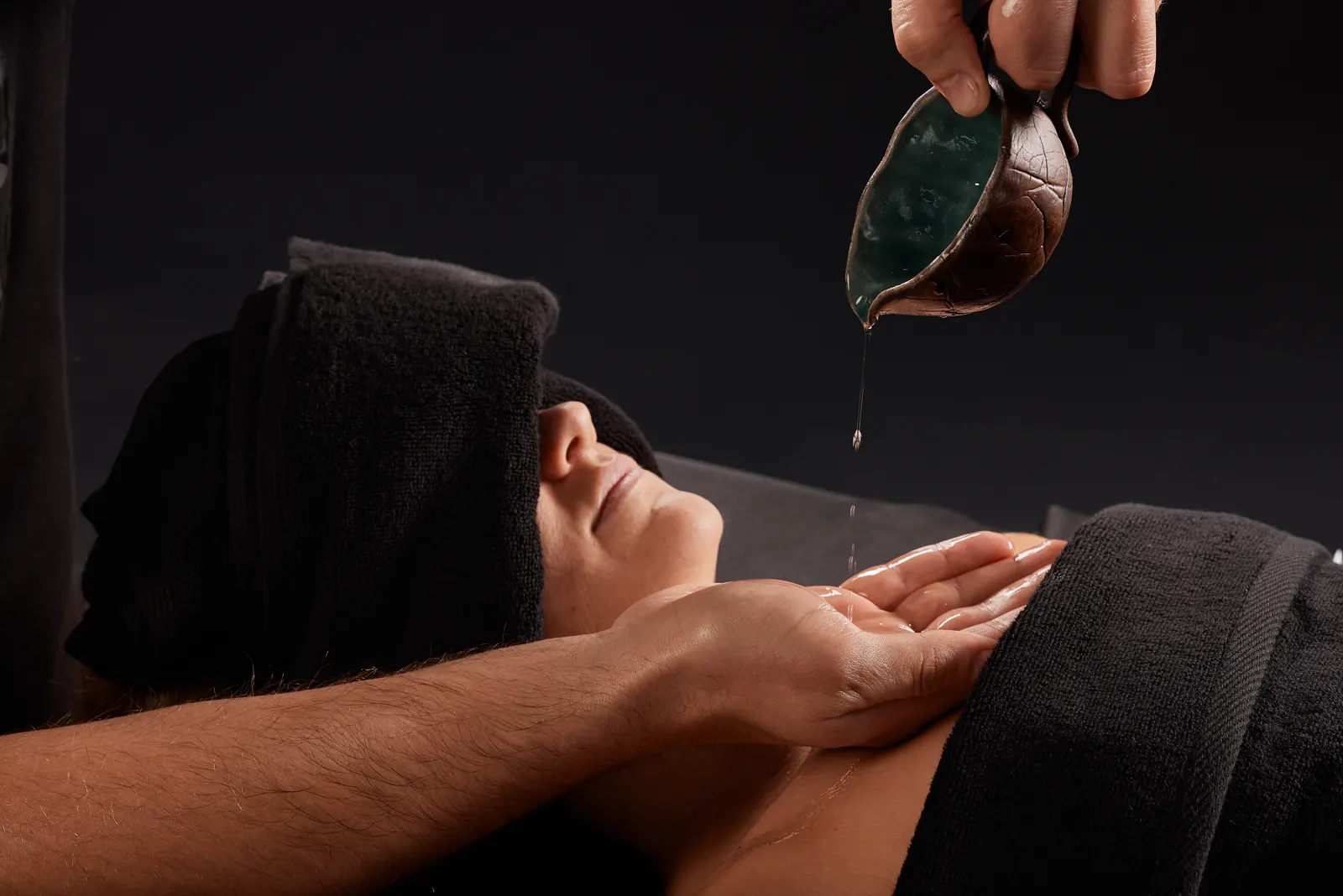 Champi, Shared: An Oil Head Massage for Someone You LoveThe Indian champi is often given, not done alone. Warm oil, slow fingertips and quiet company: a family ritual for the scalp and for calm.
Use it safely
- Generally well tolerated; allergy is rare. Patch test, especially on sensitive skin.
- Tannin-rich masks can stain light, bleached or gray hair slightly and may feel drying; follow with conditioner.
- For sudden, heavy or patchy hair loss, see a doctor rather than relying on amla.
Pregnancy and breastfeeding: Topical use is considered low-risk; amla is also a common food. No specific safety studies for cosmetic use in pregnancy.
New to an ingredient? Patch test first.
When to see a doctor
- Hair that breaks easily together with brittle nails, fatigue, heavy periods or feeling cold (possible iron deficiency or thyroid disease).
- Breakage in patches, or hair loss with scalp symptoms — it may not be breakage at all; see Thinning Hair & Hair Loss.
- Scalp burns, blisters or severe itching after relaxers, dyes or bleach.
- Hair that has always been fragile or breaks at a short length since childhood (possible hair shaft disorder).
Other plants for Dry, Damaged & Frizzy Hair
| Ingredient | Grade | What the evidence shows |
|---|---|---|
| Coconut Oil | C | Hair-fiber lab studies show coconut oil penetrates the shaft and reduces protein loss when used before and after washing — unlike mineral or sunflower oil; human trials are lacking. |
| Argan Oil | C | A lab study on dyed hair fibers found argan oil improved fiber quality after repeated coloring; supports its use as a finishing and pre-wash oil. |
| Shea Butter | D | A rich sealant that reduces frizz and adds softness, especially for coily hair; evidence is practical and traditional. |
| Olive Oil | D | Traditionally used across the Mediterranean as a pre-wash treatment; limited lab data suggest some penetration, less than coconut oil. |
| Marshmallow Root | D | Mucilage gives slip for detangling, popular in curly-hair routines; evidence is traditional and anecdotal. |
| Jojoba | D | A light liquid wax that adds shine without much weight, suiting fine hair; little formal evidence. |