Does it work?
Amla (Indian Gooseberry) for Thinning Hair & Hair Loss
What the research says about amla (Indian gooseberry) for thinning hair & hair loss, how to use it at home and how to stay safe.
The short answer: Hair claims rest on tradition and in-vitro/animal data; skin-brightening uses of standardized extracts have mainly lab and manufacturer data.
Our Thinning Hair & Hair Loss guide does not rank Amla (Indian Gooseberry) for this use yet, so this is the overall grade for Amla (Indian Gooseberry).
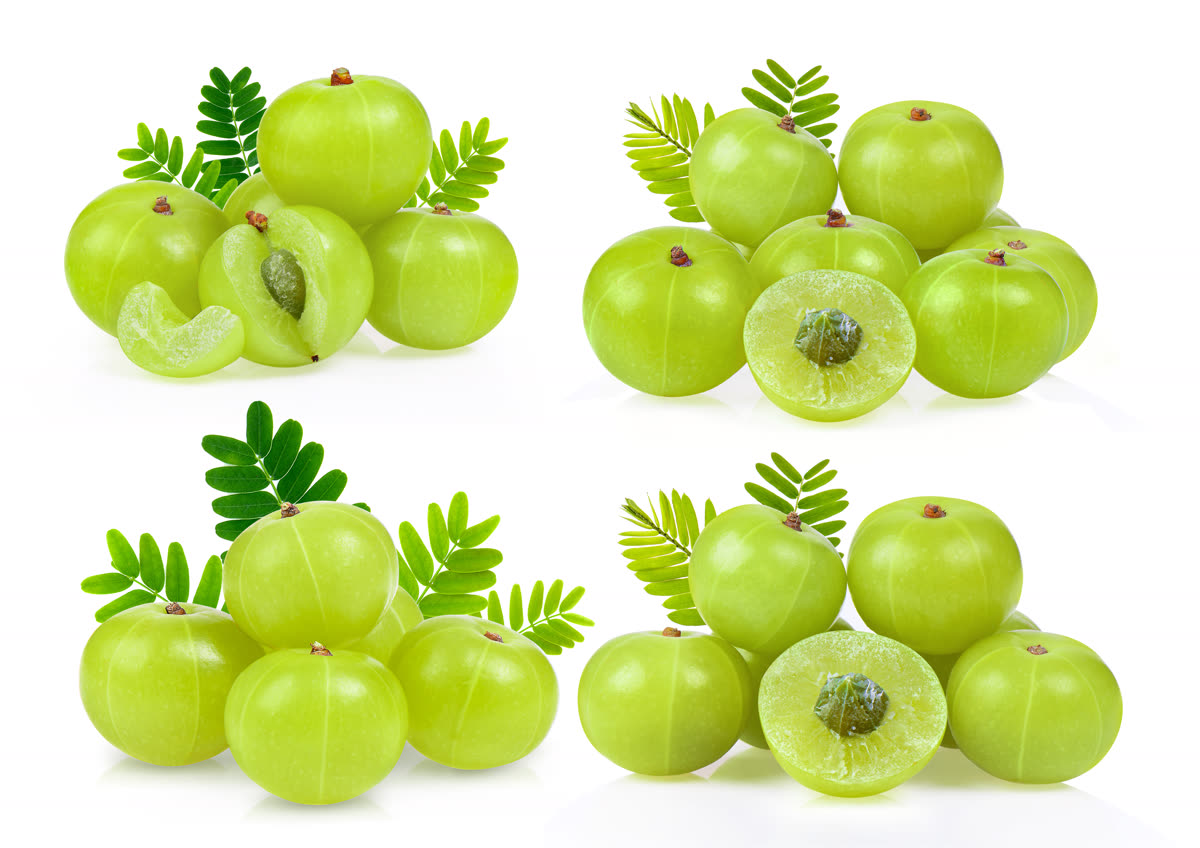
What it does
Amla is the sour green fruit of Phyllanthus emblica, one of Ayurveda’s most revered plants and a staple of Indian hair oils. Its tannins and vitamin C make it a strong antioxidant, and as a powder it is used to condition hair and to soften the red of henna. Claims that it prevents hair loss or graying are traditional; lab and animal studies are suggestive, but proper human trials are lacking.
Why people reach for it
- Antioxidant protection. Ellagitannins, gallic acid and vitamin C give amla extracts high antioxidant capacity in lab tests.
- Conditioning and shine. Tannins tighten the hair cuticle and amla masks leave many hair types feeling smoother and shinier.
- Tones henna color. Adding amla to henna gives cooler, deeper reds and can make the paste smoother. See henna.
- Skin-brightening extracts (early data). Standardized emblica extracts are sold for uneven tone; evidence is mostly in-vitro and manufacturer-run. See Dark Spots & Hyperpigmentation.
How to use it
| Form | Typical use | Notes |
|---|---|---|
| Powder hair mask | 10–30% of a mask (mixed with water, yogurt or aloe) | Leave on 20–40 minutes; combine with fenugreek for slip. See Fenugreek & Amla Hair Mask. Mix fresh. |
| With henna | About 10–25% of the henna powder weight | Tones and cools the red result; strand test, as it changes the final shade. |
| Amla-infused oil | Dried amla infused in coconut or sesame oil, used as a pre-wash treatment | Traditional Indian practice; apply 30 minutes to overnight, then shampoo out. |
| Standardized extract in serums | 0.5–2% (per supplier) | Brown to amber in color and prone to oxidation; formulate at an acidic pH with a preservative. |
Recipes for Thinning Hair & Hair Loss with Amla (Indian Gooseberry)
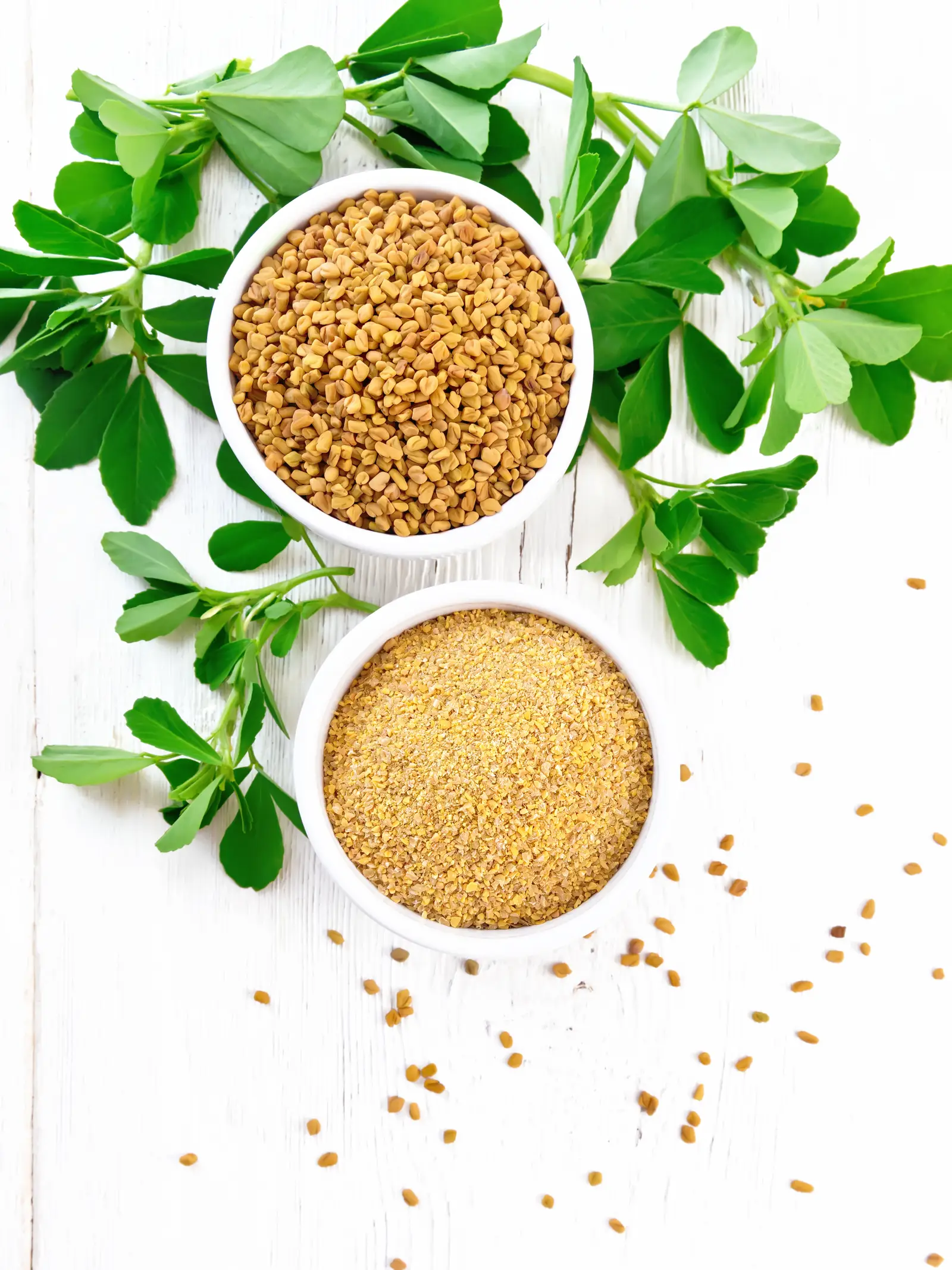
Daily rituals with Amla (Indian Gooseberry)
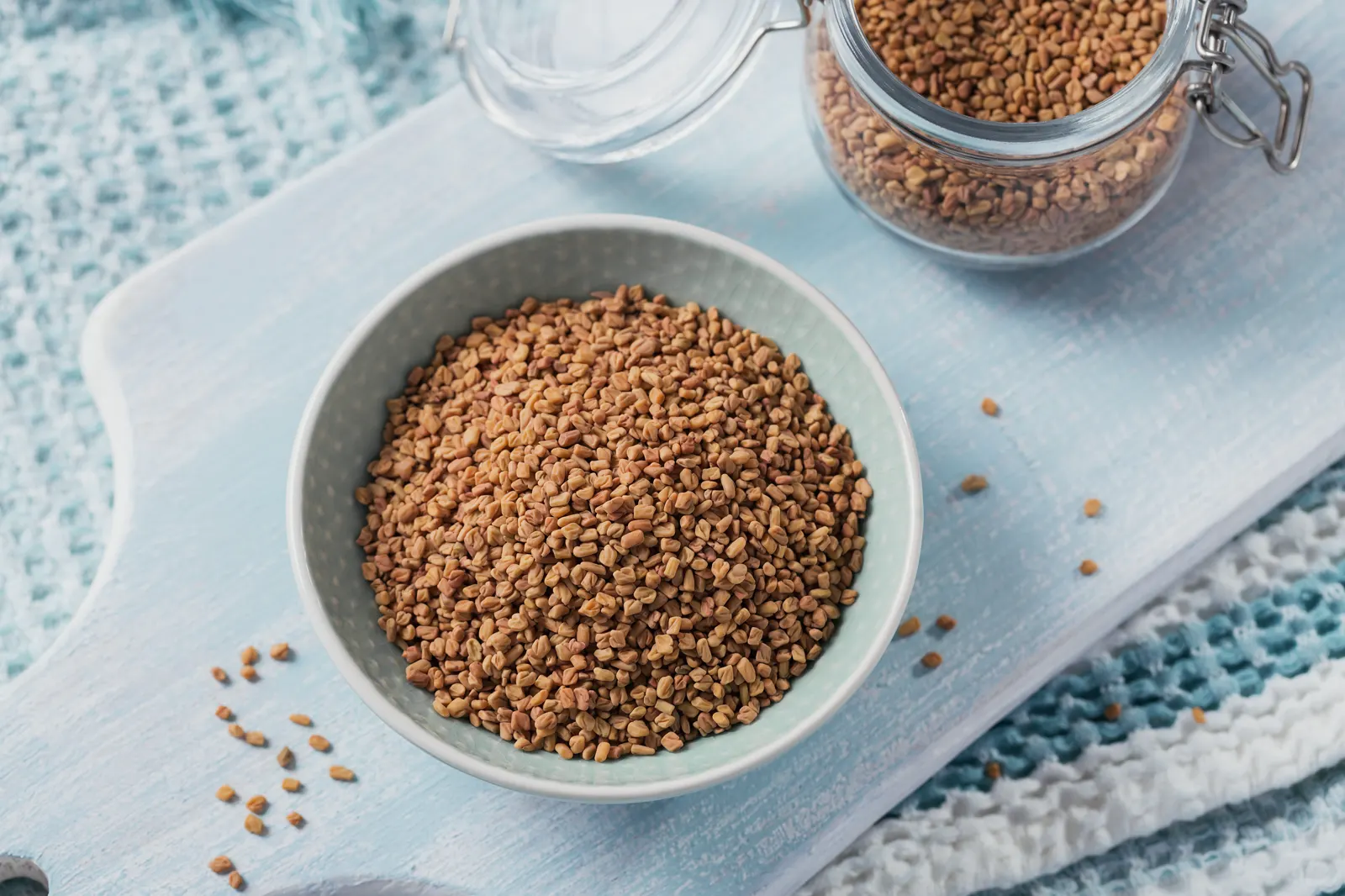 A Fenugreek and Amla SundayAn Ayurvedic-inspired weekly hair mask of soaked fenugreek and amla: slippery, conditioning, fresh and single use.
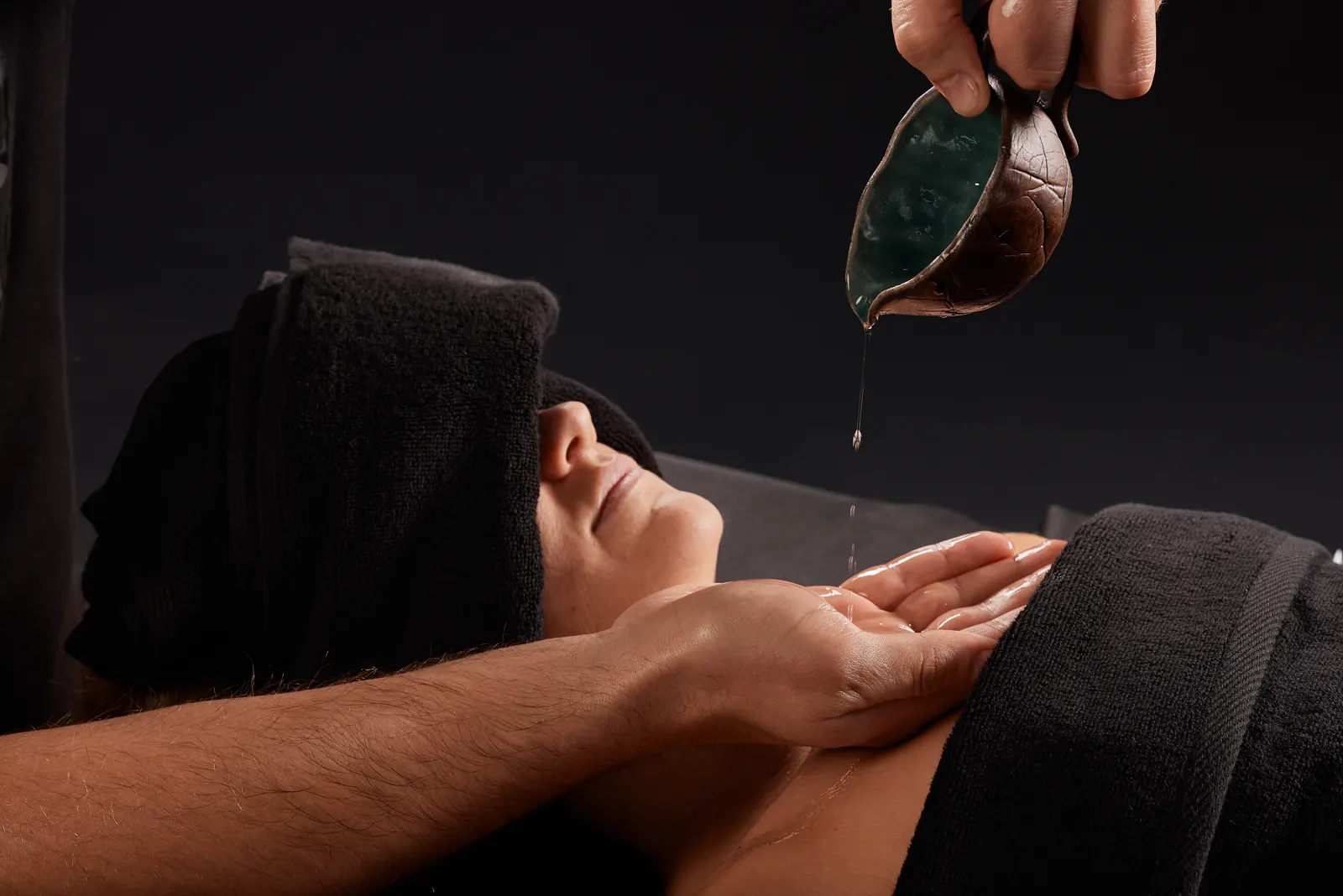 Champi, Shared: An Oil Head Massage for Someone You LoveThe Indian champi is often given, not done alone. Warm oil, slow fingertips and quiet company: a family ritual for the scalp and for calm.
Use it safely
- Generally well tolerated; allergy is rare. Patch test, especially on sensitive skin.
- Tannin-rich masks can stain light, bleached or gray hair slightly and may feel drying; follow with conditioner.
- For sudden, heavy or patchy hair loss, see a doctor rather than relying on amla.
Pregnancy and breastfeeding: Topical use is considered low-risk; amla is also a common food. No specific safety studies for cosmetic use in pregnancy.
New to an ingredient? Patch test first.
When to see a doctor
- Sudden, patchy hair loss with smooth bald circles (possible alopecia areata).
- Hair loss with scalp itching, burning, pain, redness, scale or pustules, or a receding hairline with loss of eyebrows — possible scarring alopecia, which needs prompt specialist care.
- A child with scaly patches, broken hairs or black dots on the scalp (possible fungal infection).
- Rapid or heavy diffuse shedding lasting more than six months, or shedding with fatigue, weight change, heavy periods, feeling cold or palpitations.
- Hair loss with acne, excess body hair or irregular periods (possible androgen excess).
- Hair loss after starting a new medication — do not stop prescribed medicines without advice.
Other plants for Thinning Hair & Hair Loss
| Ingredient | Grade | What the evidence shows |
|---|---|---|
| Rosemary | C | One randomized comparative trial in androgenetic alopecia found rosemary oil gave similar hair-count gains to 2% minoxidil after six months, with less scalp itch; it was small, not placebo-controlled and has not been replicated. |
| Pumpkin Seed Oil | C | A placebo-controlled trial of an oral supplement containing pumpkin seed oil increased hair counts in men; it was a multi-ingredient product, and topical data are minimal. |
| Fenugreek | C | A small placebo-controlled trial of an oral fenugreek seed extract reported improved hair growth and thickness; topical use is traditional. |
| Peppermint | D | A mouse study showed hair growth with diluted peppermint oil; there are no meaningful human trials, and it can irritate the scalp. |
| Green Tea | D | EGCG inhibits 5-alpha-reductase and supports follicle cells in the lab; human evidence is lacking. |
| Stinging Nettle | D | Nettle root affects androgen pathways in prostate research, but there are no good hair-loss trials. |
| Castor Oil | D | A popular remedy with no published evidence of hair growth; it can coat hair and, rarely, cause severe matting. |