Rituals of the world · 6 min read ·
Oils That Travel: How Five Cultures Oil Their Hair
Coconut in Kerala, argan in the Souss, camellia in Japan, shea across West Africa, olive on the Mediterranean: a world tour of hair oiling, and how to borrow it well.
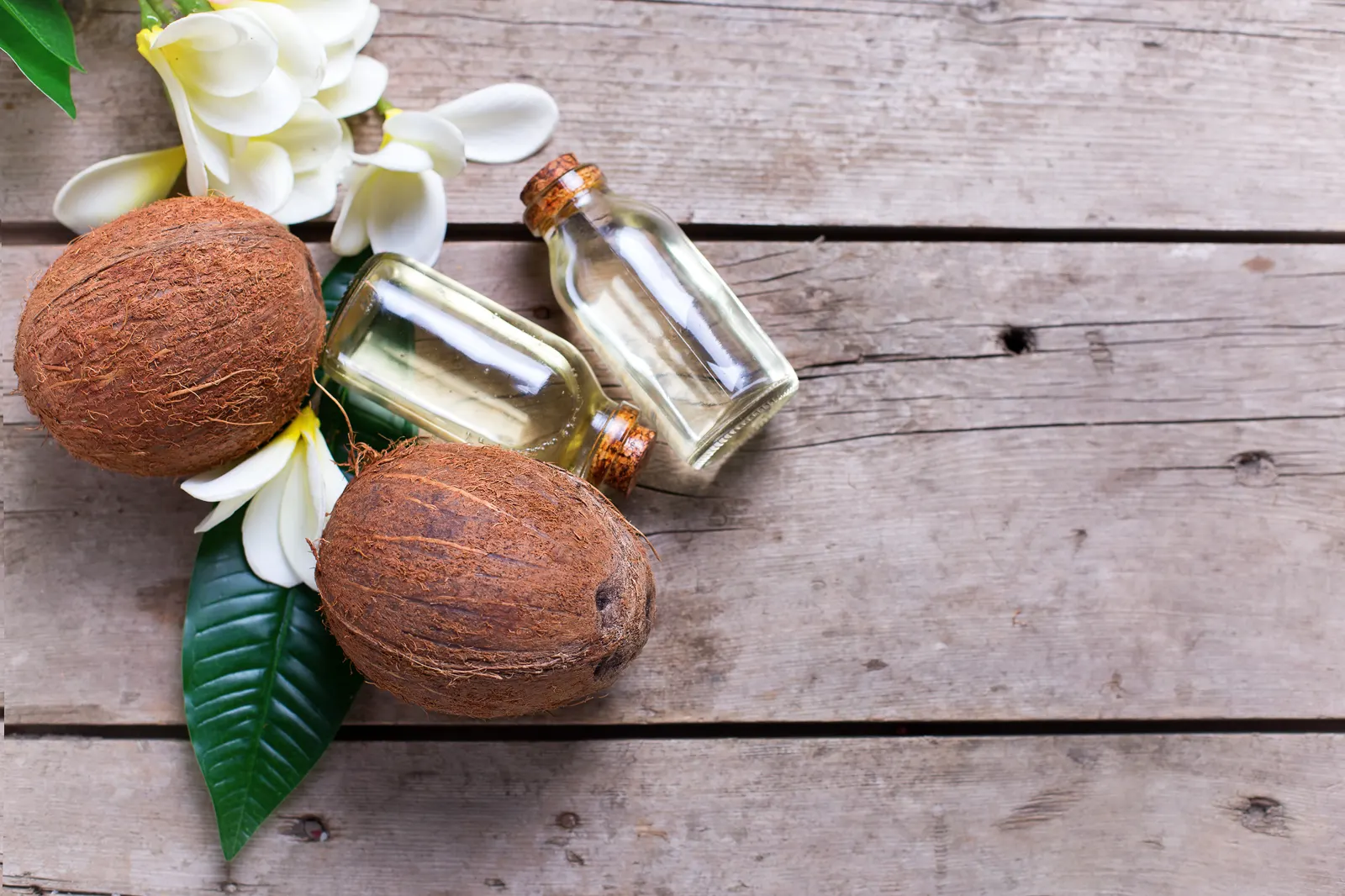
In homes from Chennai to Casablanca, Lagos to Kyoto, someone is warming oil between their palms and working it into a scalp or a braid. Hair oiling is one of the world’s oldest beauty habits, passed on by touch rather than by instruction leaflet. Each tradition chose the oil that grew nearby, and each has something to teach.
South Asia: coconut, sesame and the Sunday champi
Across India, Sri Lanka, Bangladesh and the diaspora, oiling the hair is often a weekly family ritual: an older relative massaging warm oil into a younger one’s scalp, the word champi giving English its “shampoo”. In the south, especially Kerala, coconut oil is the classic. In the north and in Ayurvedic practice, sesame and mustard oils are common, often infused with herbs such as amla (Indian gooseberry), hibiscus or bhringraj.
Coconut oil has some of the best lab evidence of any hair oil. Its small, straight-chain fatty acids appear able to enter the hair shaft, and laboratory studies suggest that applying it before washing reduces the protein lost from hair during shampooing. That makes it a sensible “pre-wash” treatment for long, dry or chemically treated hair. The Coconut Oil Before Shampoo shows how.
For a deeper treat in the same spirit, the Fenugreek & Amla Hair Mask and the A Fenugreek and Amla Sunday bring two Ayurvedic favorites together.
Morocco: argan from the Souss
In southwest Morocco, argan oil is pressed from the kernels of a thorny, drought-hardy tree that grows almost nowhere else. Much of it is still made by women’s cooperatives, the kernels cracked by hand between stones. The roasted oil goes into food; the unroasted oil goes onto skin and hair.
In Moroccan homes, a few drops on the ends after the hammam, or a richer oiling before washing, keeps hair soft and shiny. Argan is a balanced oil, rich in oleic and linoleic acids and vitamin E, and it feels light enough to use as a finishing oil on most hair types. The evidence is mostly about how it feels and behaves: less frizz, more shine, softer ends. That is exactly what people use it for. Try the A Touch of Argan for the Ends for a two-minute version.
Buying tip: look for cooperative or fair-trade sourcing, and remember that genuine argan is never cheap.
Japan: camellia and the art of the comb
For centuries in Japan, oil pressed from the seeds of the camellia, known as tsubaki oil, has been combed through long hair to keep it glossy and smooth, and used on boxwood combs to keep them supple. It remains a familiar ingredient in Japanese hair care today.
Camellia oil (Tsubaki oil) is light, rich in oleic acid and very slow to go rancid. On the hair it behaves as a smoothing, anti-frizz finish rather than a treatment: a drop or two on the palms, smoothed over the lengths. It is a lovely choice for fine hair that feels weighed down by heavier oils.
The camellia family is a generous one: the same genus gives us the tea plant, and in parts of southern China camellia seed oil has also long been used in cooking and on the hair. It is a reminder that many beauty oils began life in the kitchen, chosen because they were close at hand, stable on the shelf and gentle on the skin.
The lesson worth borrowing here is restraint. Tiny amounts, applied with care, often look better than generous ones.
Hair oiling is one of the world’s oldest beauty habits, passed on by touch rather than by instruction leaflet.
West Africa and the diaspora: shea, castor and protective care
Across West Africa, shea butter, pressed and kneaded from the nuts of the shea tree, is skin balm, cooking fat and hair dressing in one, and its production has long been women’s work and income. In the Caribbean and across the African diaspora, a dark, roasted castor oil is a popular favorite, especially for edges and scalp.
For tightly coiled and curly hair, which tends to be drier along its length, oils and butters play a vital role in keeping strands supple and reducing breakage. They are often paired with water-based leave-ins, sealed in, and combined with protective styles such as braids and twists. The A Calmer Wash Day for Curls brings these ideas together.
Castor oil is thick and sticky, so most people mix it with a lighter oil. It is often credited with growing hair; that idea is traditional and not backed by good human studies. Its real strength is softness and shine. See our Dry, Damaged & Frizzy Hair page for more.
The Mediterranean: olive oil, rosemary and the garden
Around the Mediterranean, the same olive oil that dresses salads has long been smoothed onto hair ends, often with a sprig of rosemary steeped in it. Spanish, Greek and Levantine households each have their versions.
Olive oil is rich and coats hair well, so it suits thick, coarse or very dry hair best, as a pre-wash treatment. Rosemary has become famous more recently: a small trial found rosemary oil comparable to a low-strength minoxidil for one common type of hair thinning over six months. That is promising, but it is one study, and minoxidil remains the better-proven choice. Our Rosemary & Pumpkin Seed Scalp Oil and the Rosemary Scalp Oil Night: What the Trial Did and Didn’t Show are gentle ways to try it, with essential oil properly diluted.
How to oil your hair, whatever your heritage
- Choose by hair type. Fine hair: camellia, argan or a little jojoba. Thick, curly or coily hair: coconut, shea, olive or a castor blend.
- Warm it gently. Stand the bottle in a cup of warm water. Never microwave oil.
- Massage the scalp with fingertips, not nails, for a few minutes. The Four-Minute Scalp Massage is a good guide.
- Work the rest through the lengths, concentrating on the ends.
- Leave it for 30 minutes to a few hours, then shampoo. Overnight is fine for dry hair; protect your pillow.
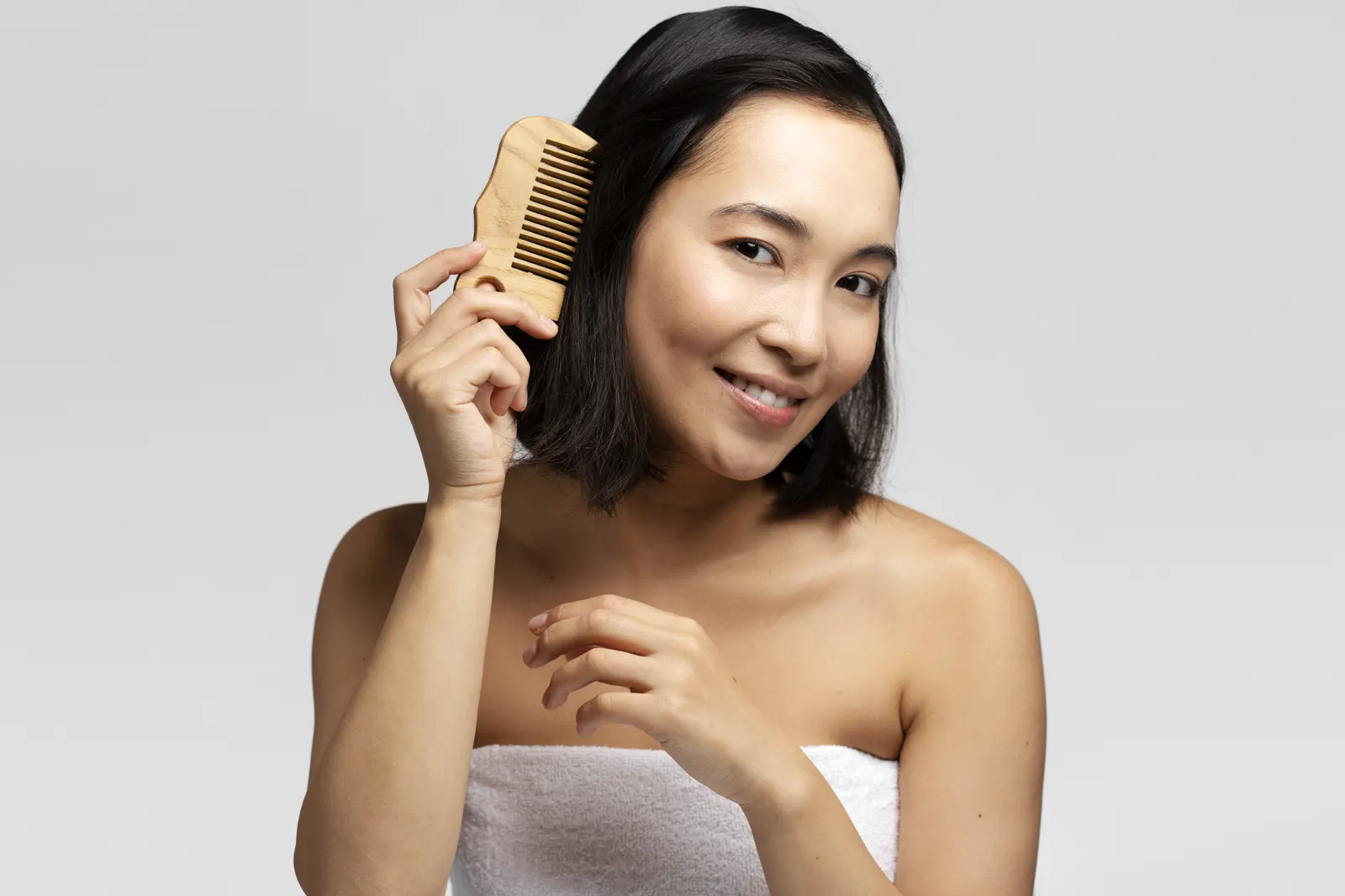
Whatever oil you choose, the ritual matters as much as the bottle. In many families, oiling is a time to sit together, talk and slow down, a parent’s hands on a child’s head, or friends taking turns. If you live alone, it can be a quiet hour with music and a towel around your shoulders. Either way, it is care you can feel.
A few friendly cautions. If you have dandruff or seborrheic dermatitis, heavy scalp oiling can make flaking worse, because the yeast involved feeds on some oils; keep oil on the lengths instead and see our Dandruff & Itchy Scalp page. Patch test any oil with added essential oils, and keep castor oil and essential oils away from the eyes. And if you notice sudden or patchy hair loss, see a doctor: oiling is a comfort, not a diagnosis.
Keep going
Put it into practice
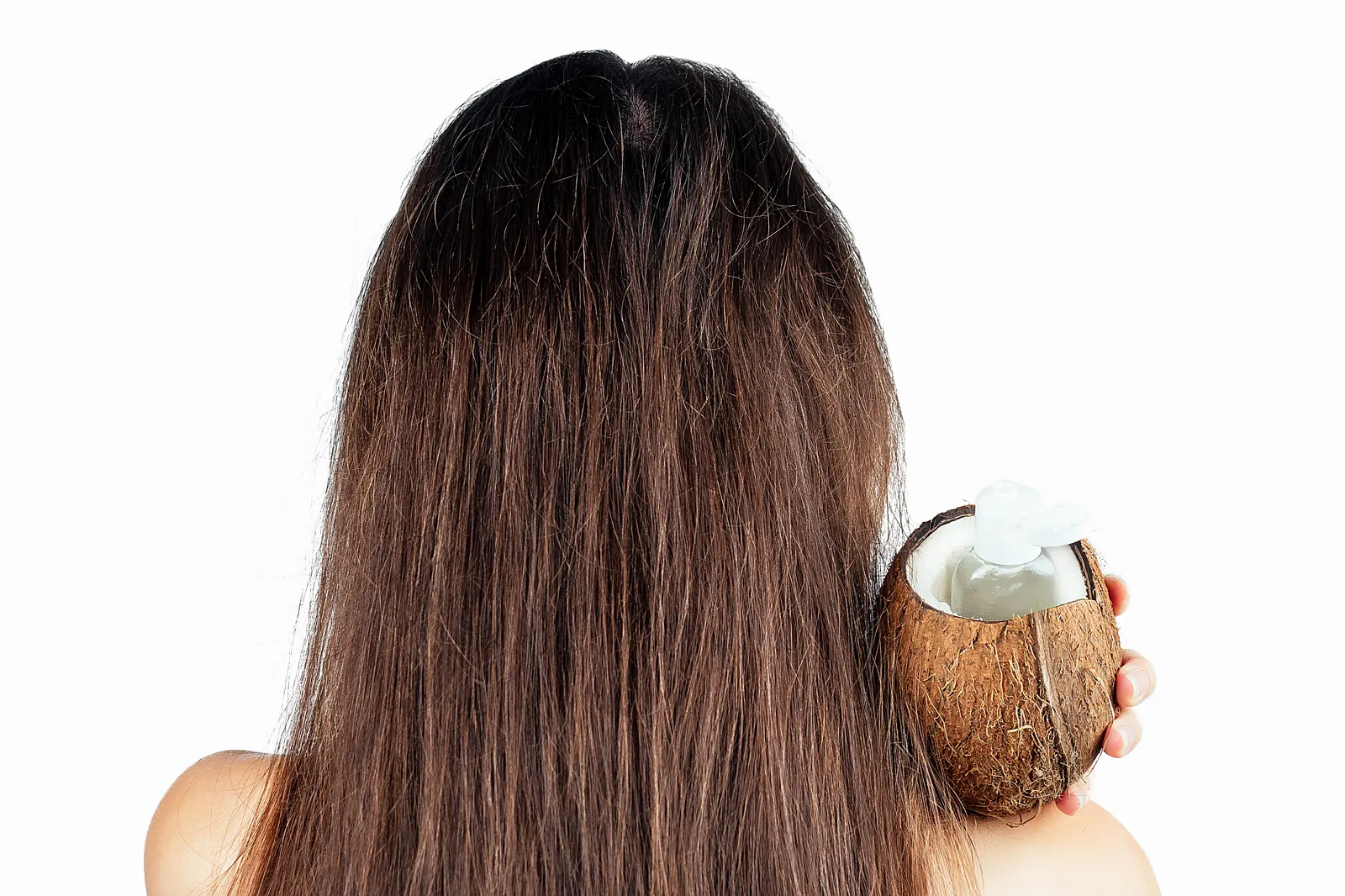 Coconut Oil Before ShampooA pre-shampoo coconut step using a labeled hair product and its own amount and contact time. Fiber evidence, yes; hair-growth evidence, no.
 No. 031
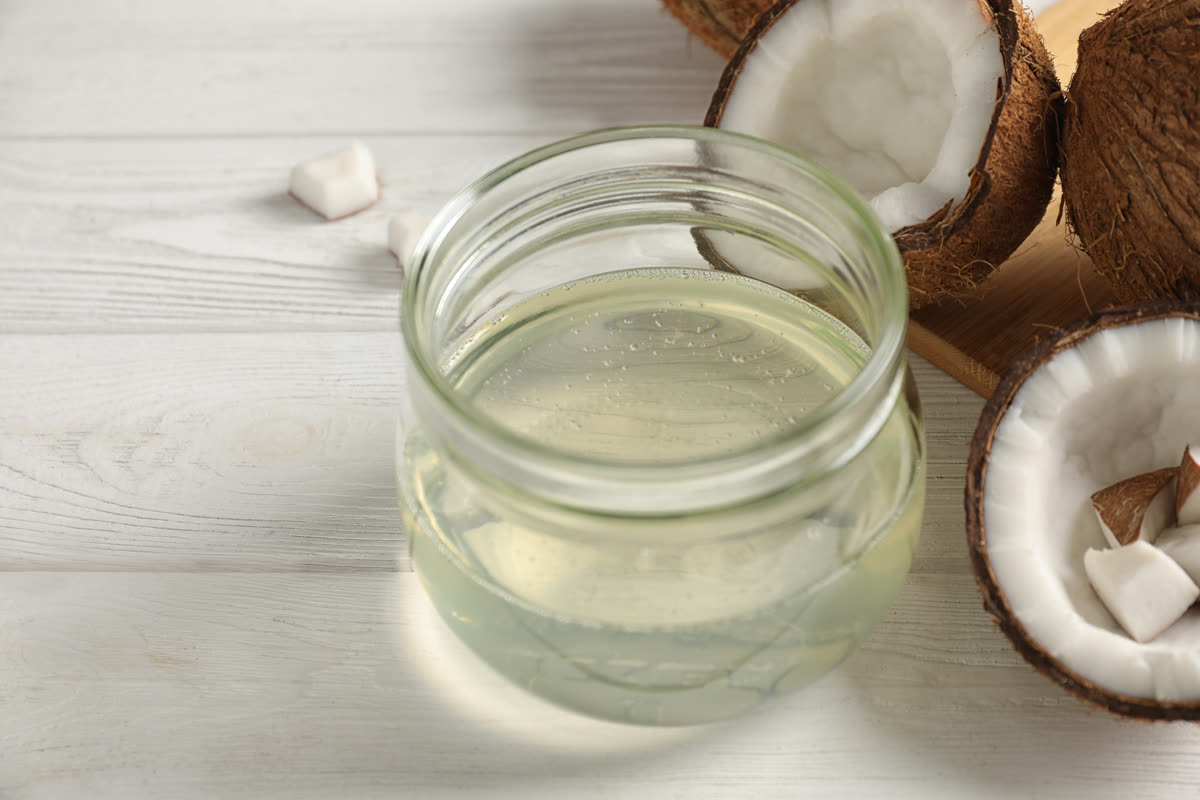
Coconut OilCocos nucifera L.The kitchen-cupboard classic with real trial support for dry skin, plus a pre-wash hair coat that helps protect every strand.
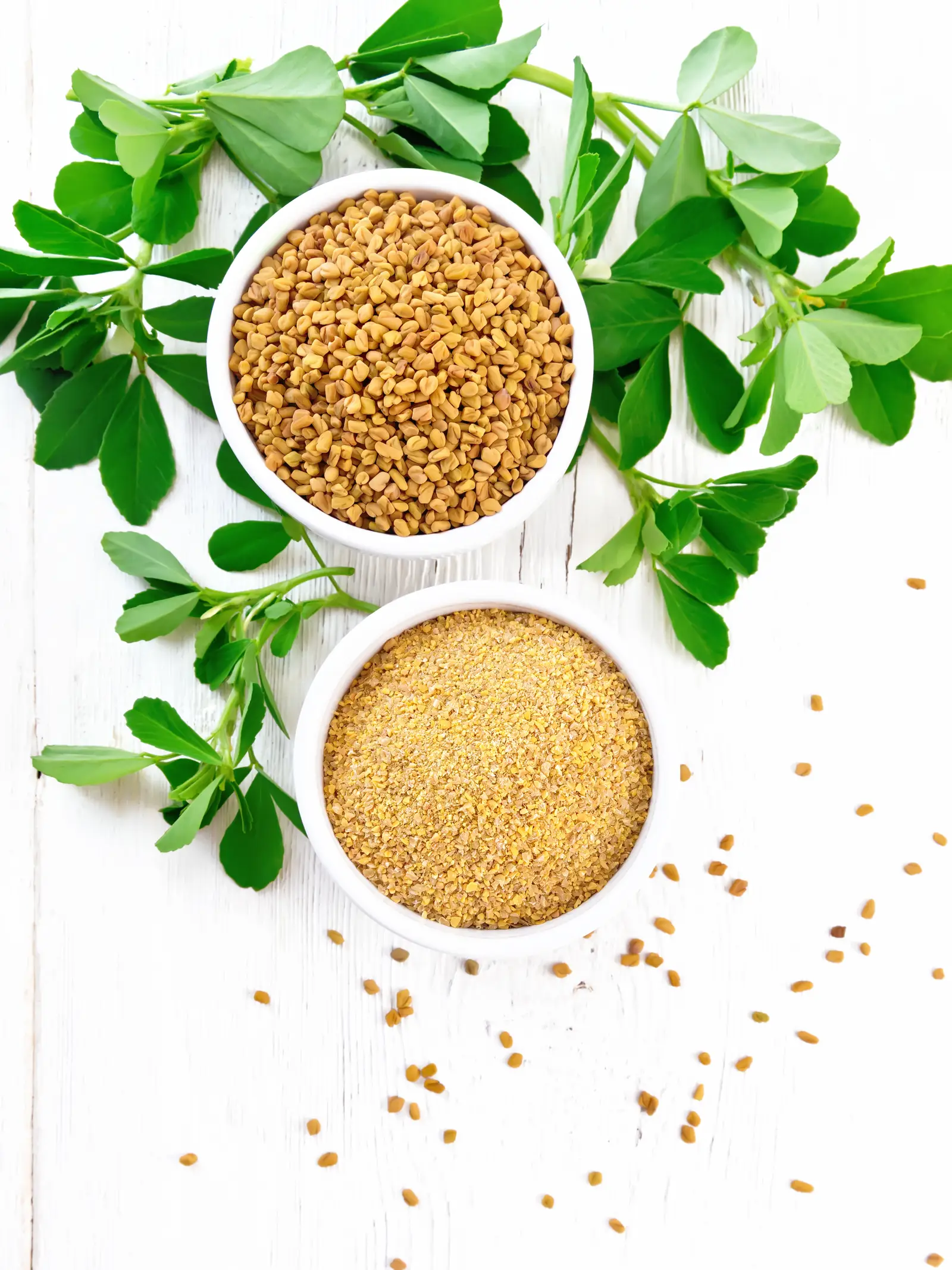 Hair care · BeginnerFenugreek & Amla Hair MaskAn Ayurveda-inspired pre-wash mask of fenugreek, amla, yogurt and coconut oil to soften, add slip and condition dry or frizzy hair.
GuideHair Science for Natural Hair CareCuticle, cortex and growth cycle; why coconut oil penetrates; porosity myths; scalp health; protein vs moisture; curly hair; heat and chemical damage.
The magazine
More stories you’ll enjoy
 Rituals of the world · 6 minBathing Around the World: From Hammam to Onsen to SaunaSteam, hot springs and cedar heat: what the world’s great bathing traditions share, and how to borrow their best ideas at home, safely.
 Seasonal living · 6 minA Winter Skin Plan, Week by WeekCold air outside, dry heat inside: a calm, four-week plan to keep skin soft, lips whole and hands comfortable until spring.
 Self-care & wellbeing · 6 minThe Ten-Minute Evening That Changes Your Skin and Your SleepA short, unhurried wind-down for the end of the day: clean skin, a little oil, softer light and a calmer mind before bed.