Does it work?
Rosemary for Dandruff & Itchy Scalp
What the research says about rosemary for dandruff & itchy scalp, how to use it at home and how to stay safe.
The short answer: Antimicrobial in vitro and used traditionally in scalp rinses; no clinical dandruff data.
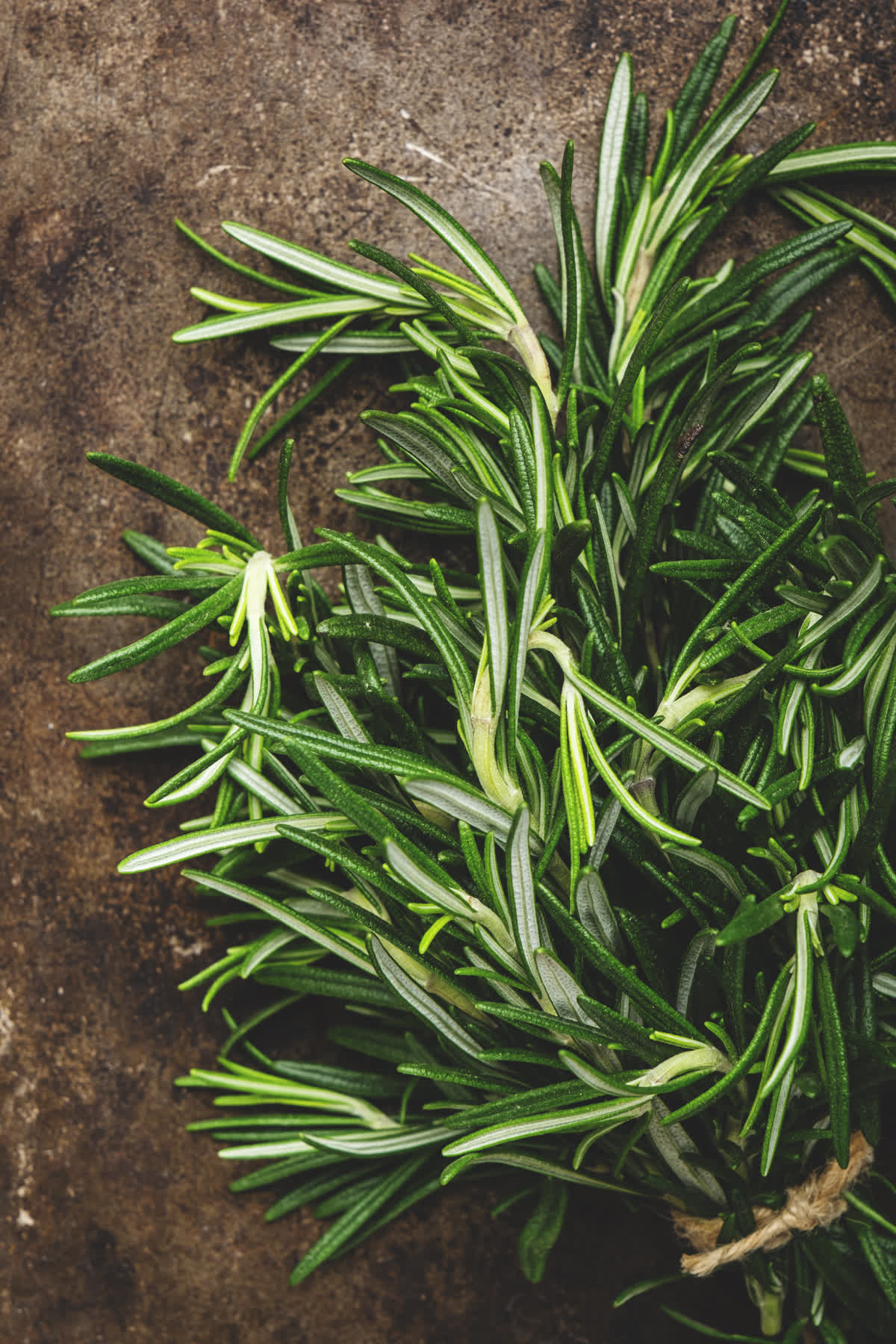
What it does
Rosemary is having a moment as a hair-growth oil, largely because of one 2015 trial comparing it with minoxidil. That trial is interesting but limited, so rosemary is best seen as a promising, low-cost scalp adjunct rather than a proven treatment. Separately, rosemary’s carnosic acid makes its CO₂ extract one of the best natural antioxidants for keeping oils from going rancid.
Why people reach for it
- May support hair growth in pattern hair loss. In a six-month trial of 100 people with androgenetic alopecia, a rosemary oil product increased hair counts about as much as 2% minoxidil, with less scalp itching. Without a placebo group, the size of rosemary’s own effect is uncertain.
- Part of a proven blend for alopecia areata. A massage blend of rosemary, thyme, lavender and cedarwood oils outperformed carrier oil alone for patchy alopecia areata in a randomized trial — a result for the blend, not rosemary alone.
- Freshens oily scalps. Rosemary infusions and hydrosols make clean-feeling scalp rinses, and the oil has antimicrobial activity in the lab against some fungi and bacteria.
- Protects oils from rancidity. Rosemary CO₂ extract rich in carnosic acid slows oxidation of plant oils and butters, extending the life of balms and face oils.
How to use it
| Form | Typical use | Notes |
|---|---|---|
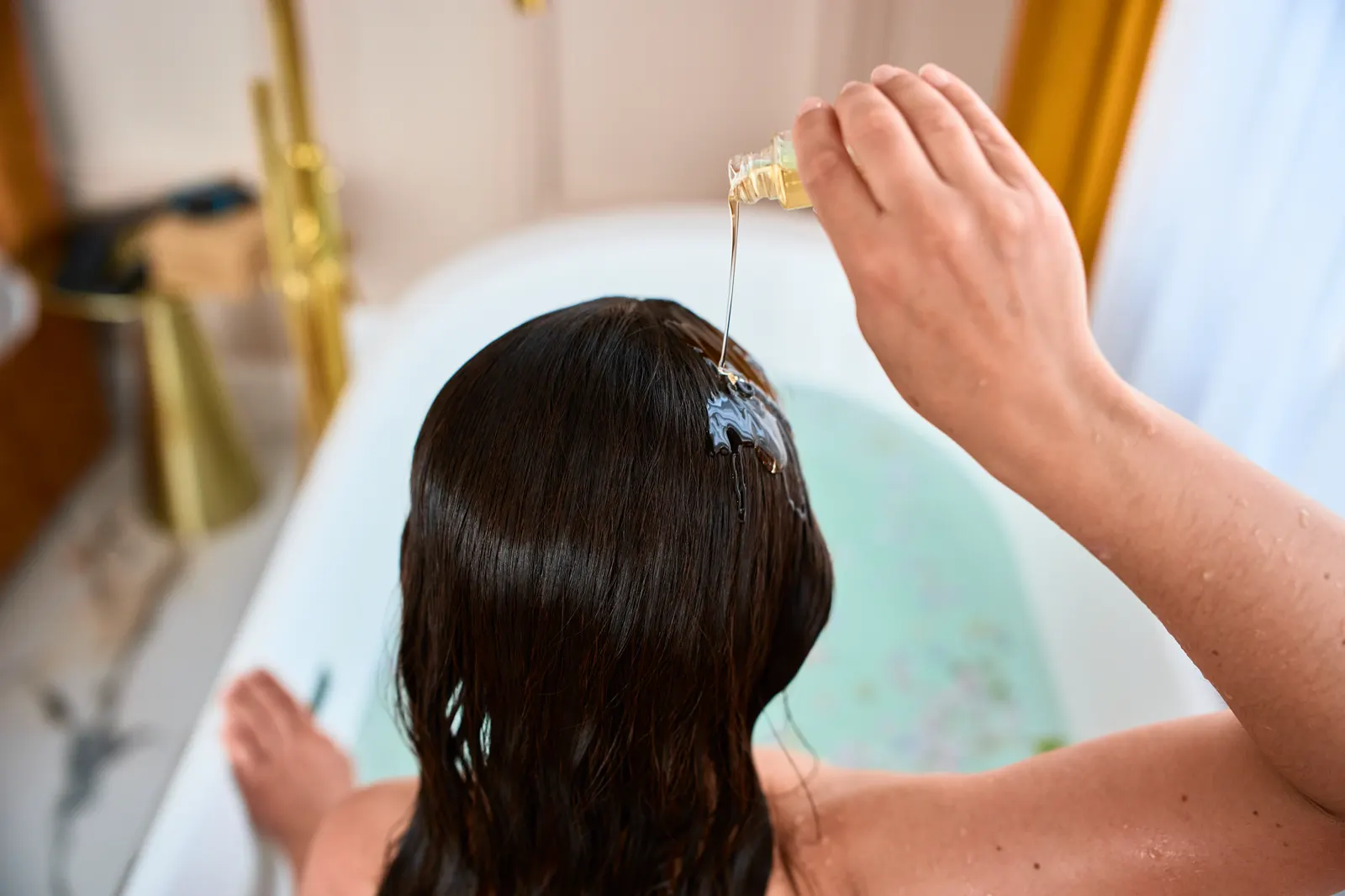
| Essential oil in a scalp oil | 1–2% in a carrier (about 10–20 drops per 50 ml) | Massage into the scalp 2–3 times a week, leave an hour or overnight, then shampoo. Expect at least 3–6 months before judging. See Rosemary & Pumpkin Seed Scalp Oil and Essential Oil Dilution Calculator. |
| Hydrosol or infusion rinse | Use as a final rinse or scalp spritz | Refreshing for oily scalps. Homemade infusions keep 2–3 days refrigerated; for a stable leave-on tonic use a preserved formula like Nettle & Rosemary Scalp Tonic. |
| Rosemary CO₂ extract (antioxidant grade) | 0.05–0.2% in oils, balms and butters | Add to the oil phase to slow rancidity. It is not a preservative — it does nothing against microbes in water-containing products. |
Recipes with Rosemary
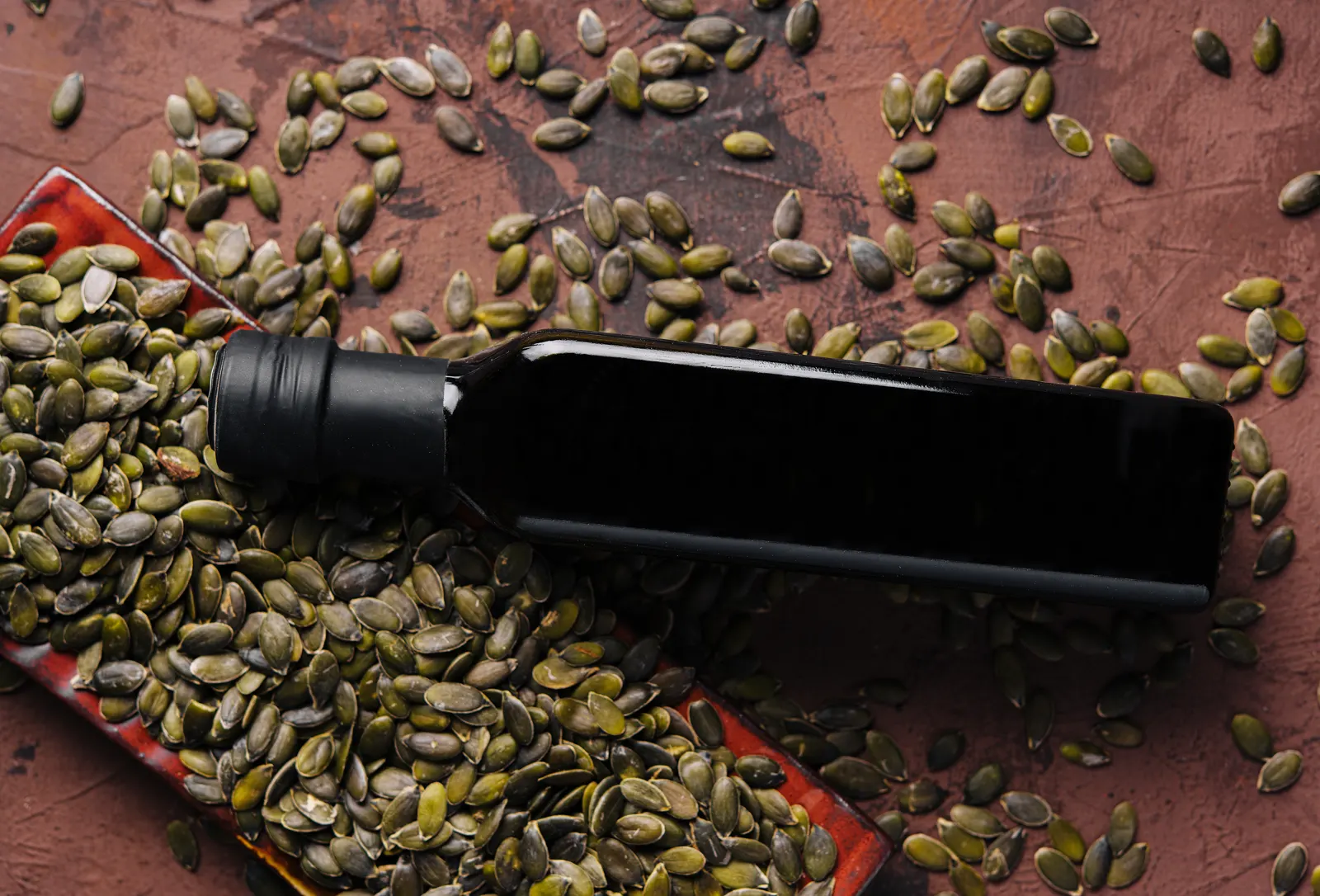 Hair care · BeginnerRosemary & Pumpkin Seed Scalp OilA pre-wash scalp massage oil with 2% rosemary essential oil in pumpkin seed, jojoba and argan oils — a supportive ritual, not a medical treatment.
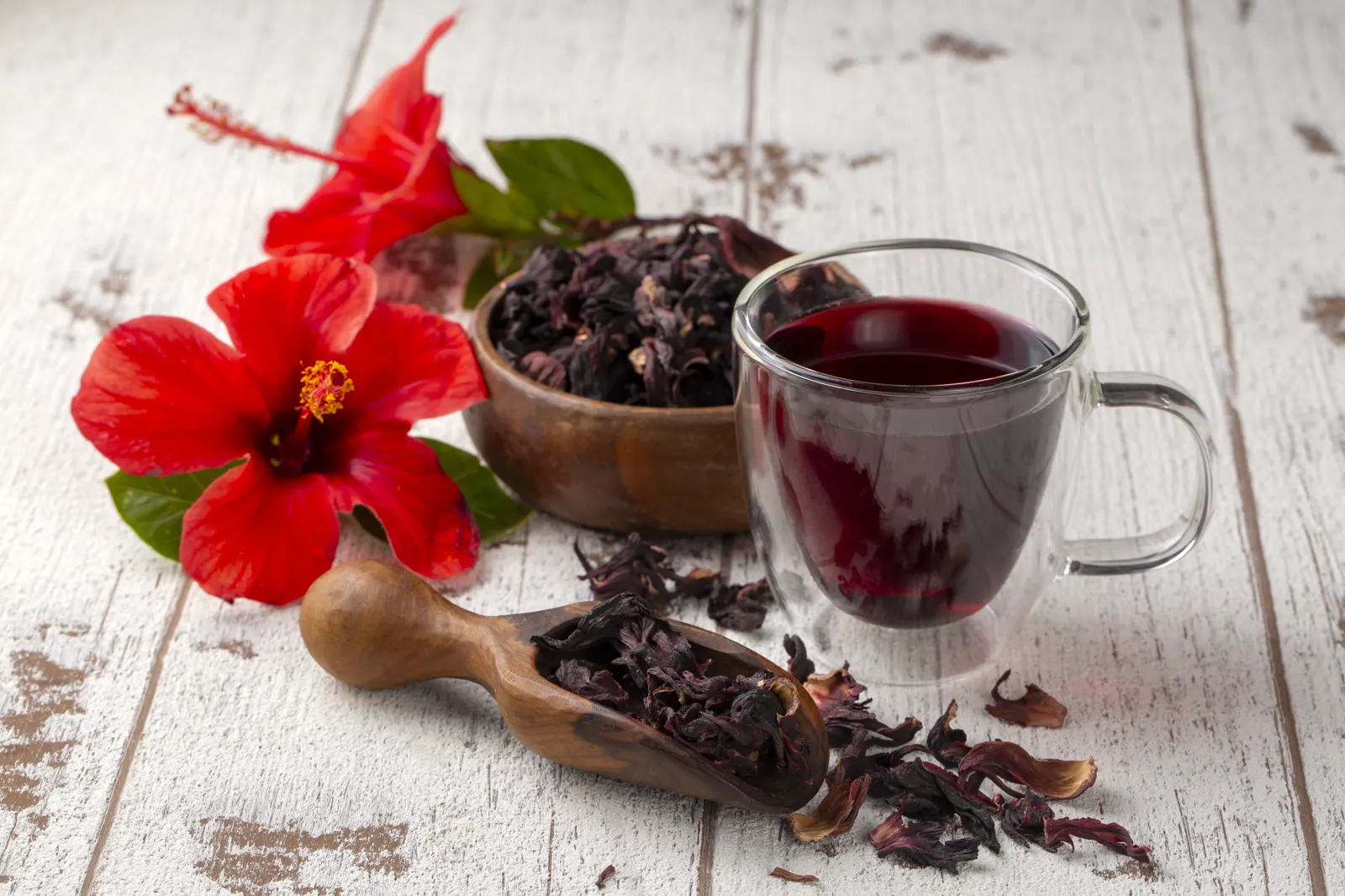 Hair care · BeginnerHibiscus Shine Hair RinseA tangy hibiscus and rosemary infusion poured over clean hair as a final rinse to smooth the cuticle and boost shine. Make it fresh each time.
Daily rituals with Rosemary
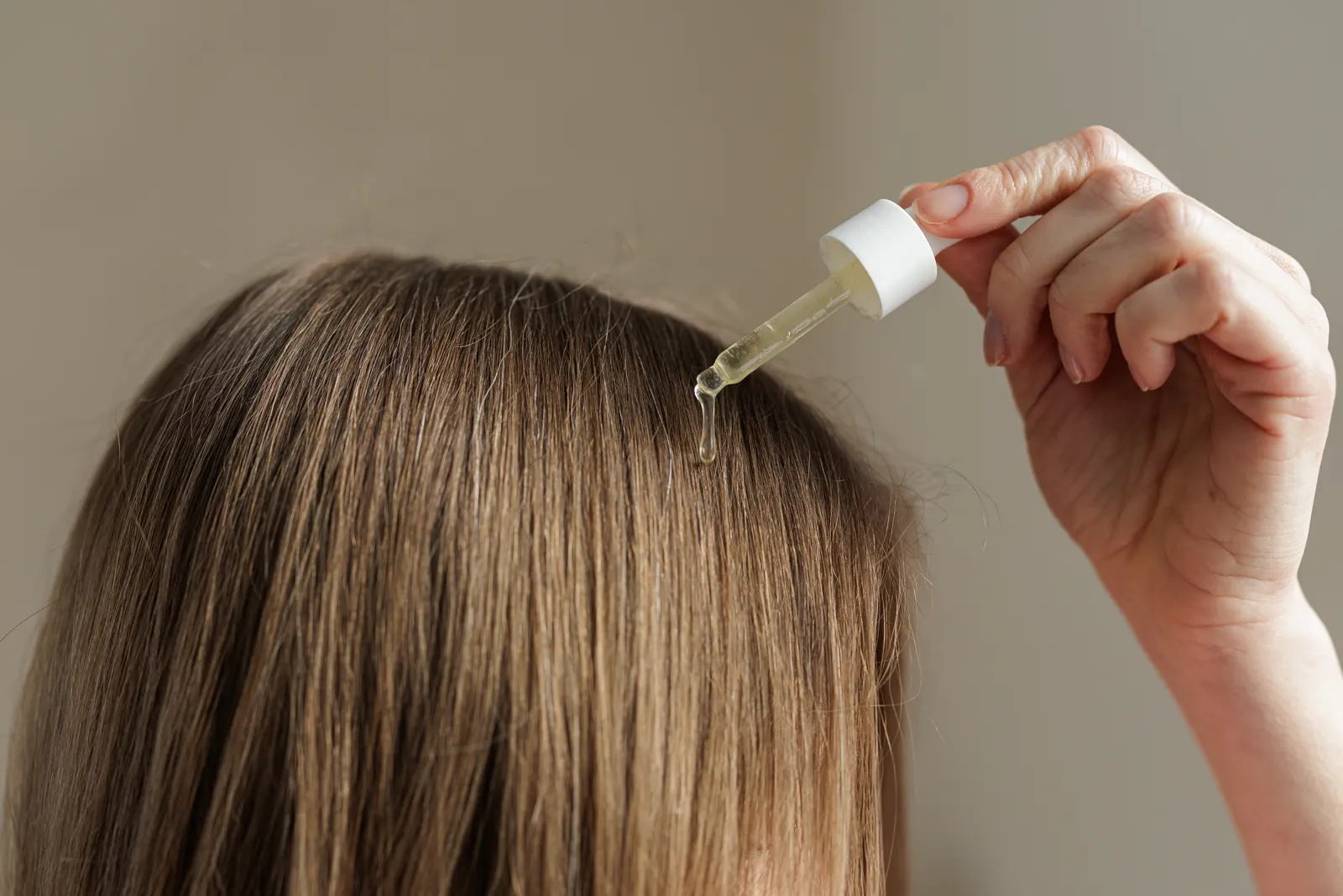 Rosemary Scalp Oil Night: What the Trial Did and Didn’t ShowA safe, diluted rosemary scalp oil routine, and an honest read of the 2015 trial that made rosemary famous for hair.
 A Plain Herbal Hair RinseA cooled rosemary, nettle or hibiscus tea poured through hair as a final rinse. Fresh, single use and honest about what it can do.
Use it safely
- Always dilute the essential oil. Neat rosemary oil can irritate the scalp and skin; keep it to about 1–2% for leave-on scalp use and ≤1% on the face (Essential Oil Safety: The Complete Guide).
- Rosemary extracts can cause allergic contact dermatitis; carnosol has been identified as an allergen. Patch test before regular use (How to Patch Test).
- Camphor- and 1,8‑cineole-rich oils should not be applied on or near the face of infants and young children, and people with epilepsy should avoid camphor-rich oils.
- Rosemary does not replace medical assessment: sudden, patchy or rapid hair loss, or hair loss with scalp pain, scaling or other symptoms, warrants a doctor’s visit. See Thinning Hair & Hair Loss.
Pregnancy and breastfeeding: Culinary rosemary is fine. Many aromatherapy authorities advise avoiding rosemary essential oil, or using only low dilutions, during pregnancy; avoid oral supplements.
New to an ingredient? Patch test first.
When to see a doctor
- Thick, silvery plaques, especially extending beyond the hairline or with plaques elsewhere (possible psoriasis).
- Patches of hair loss, broken hairs or swollen glands in the neck, particularly in a child (possible fungal infection).
- Oozing, crusting, pain or a boggy swelling (kerion) on the scalp.
- A sudden, severe or widespread seborrheic dermatitis, which can occasionally signal an underlying condition.
- An itchy, red, swollen scalp after hair dyeing (possible allergy — seek care urgently if the face swells).
- No improvement after 4–6 weeks of correctly used medicated shampoo.
Other plants for Dandruff & Itchy Scalp
| Ingredient | Grade | What the evidence shows |
|---|---|---|
| Tea Tree | B | A randomized, placebo-controlled trial of 5% tea tree oil shampoo improved dandruff severity, itch and greasiness over four weeks. |
| Aloe Vera | C | A small double-blind trial found an aloe emulsion reduced scaling and itch in seborrheic dermatitis. |
| Honey | C | A small uncontrolled study of diluted crude honey applied to seborrheic dermatitis reported reduced itch and scaling; needs confirmation. |
| Neem | D | Antifungal activity in the lab and traditional Ayurvedic use; no good human trials for dandruff. |
| Black Seed Oil | D | Thymoquinone shows antifungal activity in the lab; as an oil it may also feed Malassezia, so evidence is uncertain. |