· Body & bath · 10 min
A Cocoa Butter Body Melt
Rich, chocolate-scented and simple: melt a little cocoa butter onto damp skin after a warm shower. What it does well, and what it won’t do.
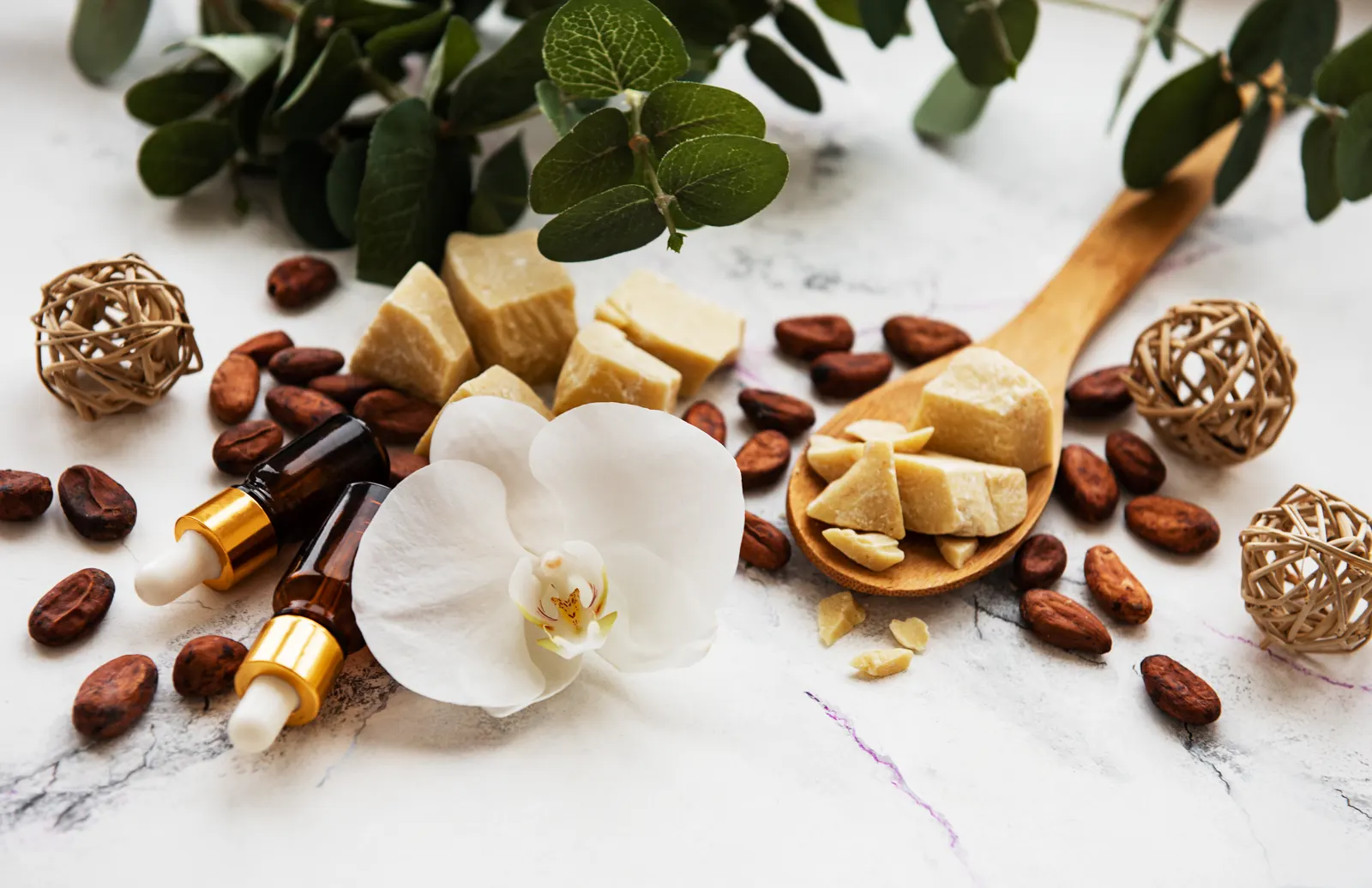
- Time
- 10 min
- Evidence
- CPromising
- Time
- 10 min
- Evidence
- CPromising
You’ll need
- Pure cocoa butter (a solid bar, wafers or a stick)
- Optional: sunflower oil and a small heat-proof jar, for a softer melt
- A warm (not hot) shower or bath
- A towel you don’t mind getting a little buttery
Promising: Plant-butter emollients reliably ease dryness, but cocoa butter itself has little dedicated research, and trials found no effect on stretch marks.
Formulator’s tip
Raw (unrefined) cocoa butter smells of chocolate; deodorized butter does not. Choose raw for the ritual, deodorized if you plan to layer a perfume.
Step by step
- Optional softer melt: warm 1 part cocoa butter with 2 parts sunflower oil in a jar set in a pan of hot water, stir until clear, then let it set. Kept dry, cool and dark, it stays spreadable for months.
- Shower in warm water with a gentle wash. Pat skin until just damp.
- Warm a grape-sized piece between your palms until it turns to oil. Cocoa butter melts close to body temperature, so this takes seconds.
- Press it into the driest spots first: shins, elbows, knees and heels, then sweep what is left over arms and shoulders.
- Give it five minutes to sink in before dressing. Slip on socks if you did your feet.
- Wipe the shower floor if any butter landed there; it gets slippery.
Why it works
Cocoa butter is a firm plant fat made mostly of stearic, oleic and palmitic acids. On skin it forms a soft, water-resistant layer that slows moisture loss, which is why it feels so good on dry, rough patches. Applying it to damp skin holds in a little of the shower water too.
The famous claim doesn’t hold up, though: randomized trials in pregnancy found cocoa butter creams no better than plain lotions at preventing stretch marks. Enjoy it as a rich, comforting emollient, not a treatment. If you want something softer and less scented, compare it with shea butter, or see Carrier Oils: The Formulator’s Guide for lighter oils.
Where it comes from
Cacao is native to the Americas, where Maya and Mexica peoples prized it as a drink, an offering and even a currency. Today cocoa butter is a household skin staple across much of Latin America, the Caribbean and West Africa, where much of the world’s cacao now grows.
Enjoy it safely
- Cocoa butter can clog pores; keep it off the face, chest and back if you are breakout-prone.
- Patch test first if you have very sensitive skin or react to chocolate (How to Patch Test).
- Keep homemade melts free of water and scoop with clean, dry fingers.
Ingredients in this ritual
 No. 059
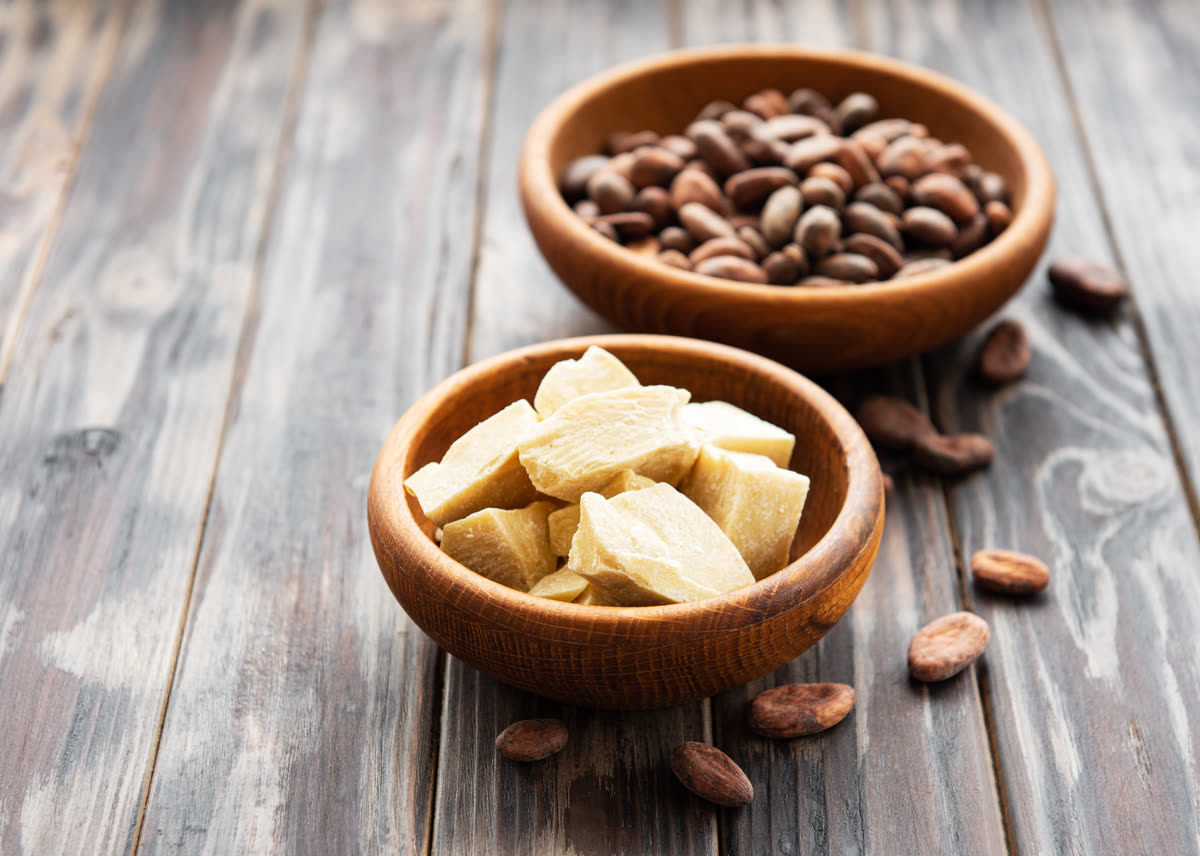
Cocoa ButterTheobroma cacao L.The fat that gives chocolate its melt: firm in the jar, silky on skin, and smelling softly of cocoa.
 No. 033
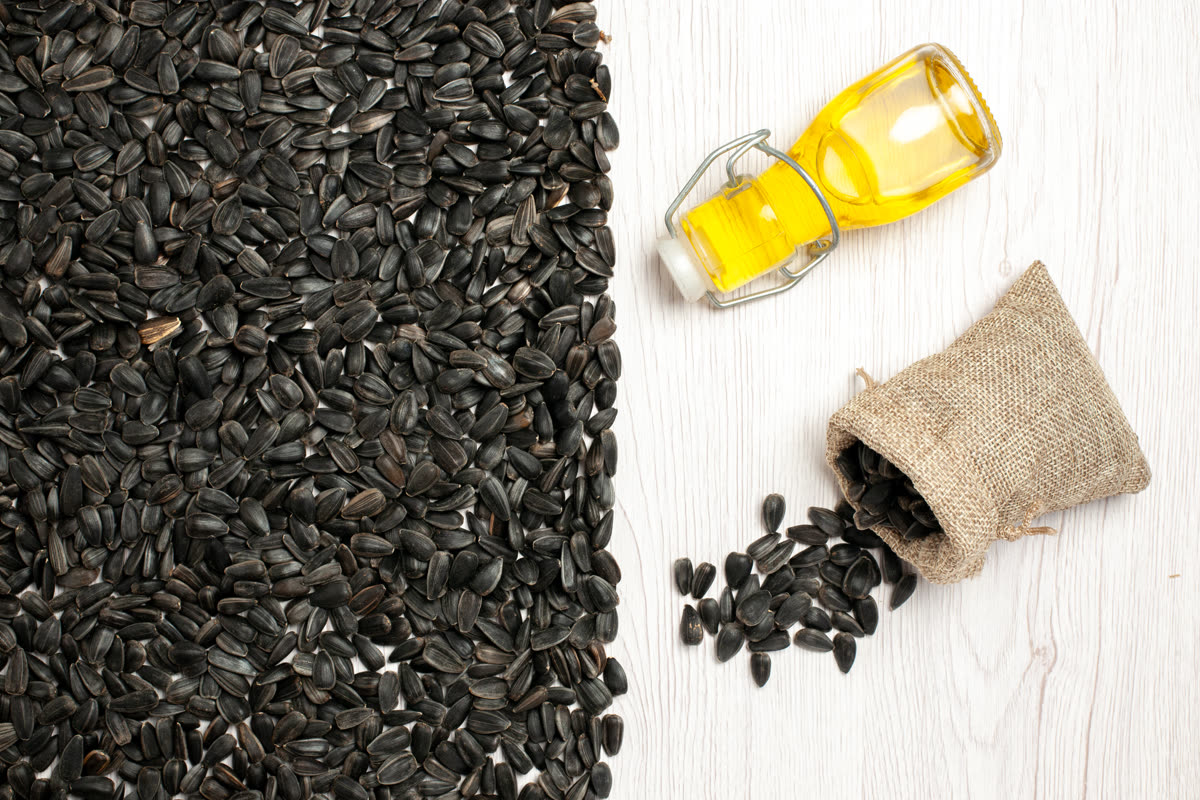
Sunflower OilHelianthus annuus L.The humble kitchen oil with some of the best barrier evidence of any plant oil: gentle, affordable and kind to dry skin.
 No. 030
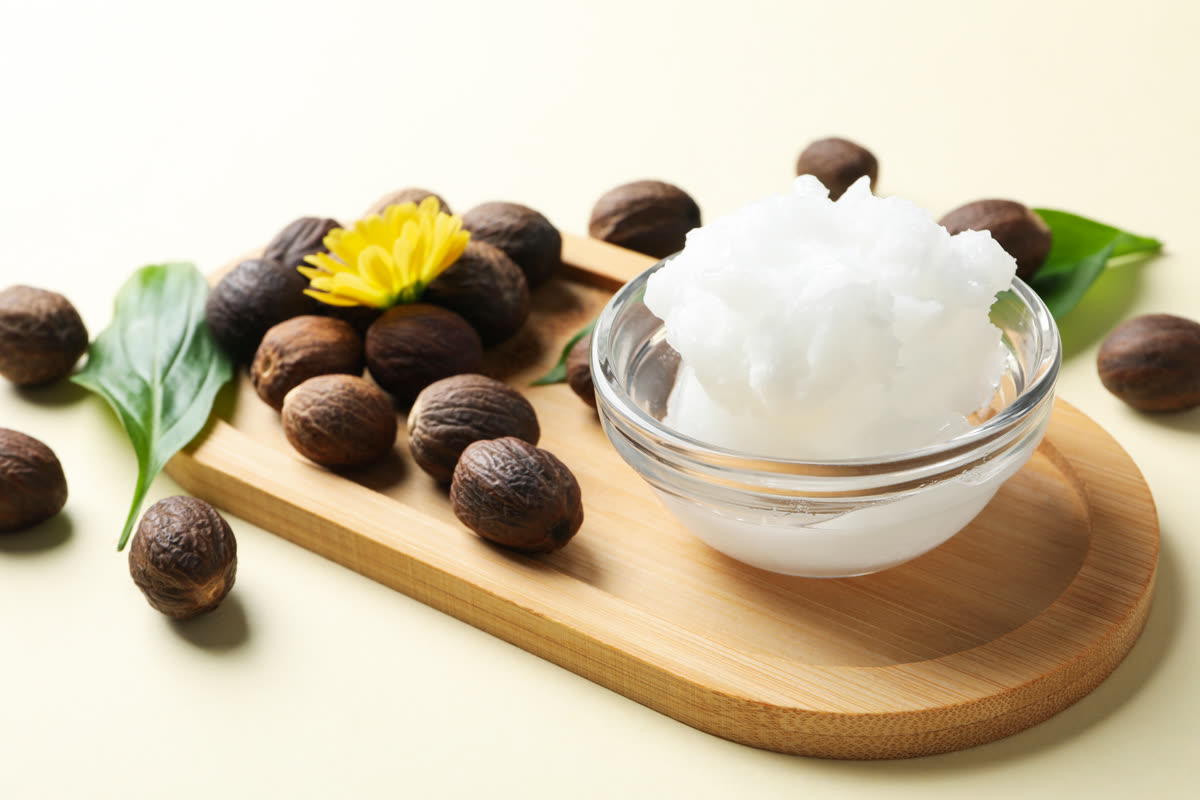
Shea ButterVitellaria paradoxa C.F.Gaertn.Rich, creamy and melting at skin temperature, shea butter is pure comfort for very dry hands, heels, lips and curls.
Go further
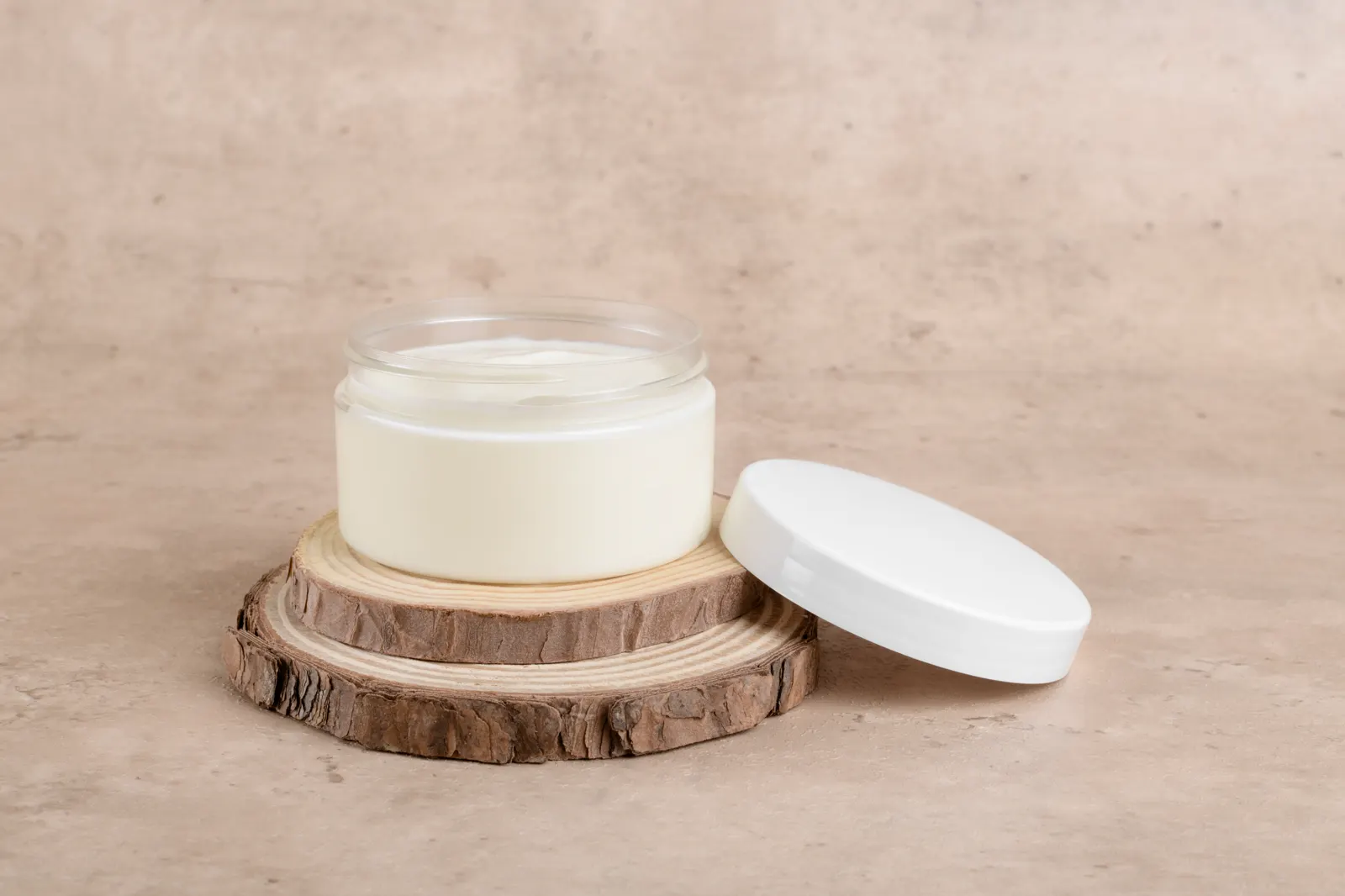 Body care · BeginnerWhipped Shea Body ButterCloud-light whipped shea with coconut and sunflower oils and a hint of lavender — rich care for dry skin, with the trick that prevents graininess.
ComparisonShea Butter vs Cocoa ButterShea vs cocoa butter: softness, melting point, scent, breakouts, stretch-mark claims and which butter suits body care, lips or balms.ConcernDry & Dehydrated SkinWhy skin loses water, how the barrier works, and how to layer humectants, emollients and occlusives — with oatmeal, shea and oils that help.GuideCarrier Oils: The Formulator’s GuideFatty acid chemistry, oxidative stability and skin feel for 12 core oils, plus why comedogenic ratings mislead and how to store oils well.