Does it work?
Rosehip Oil for Dark Spots & Hyperpigmentation
What the research says about rosehip oil for dark spots & hyperpigmentation, how to use it at home and how to stay safe.
The short answer: Often marketed for dark marks, but its trans-retinoic acid content is unproven and human data for pigmentation are lacking; useful as a light emollient.
What it does
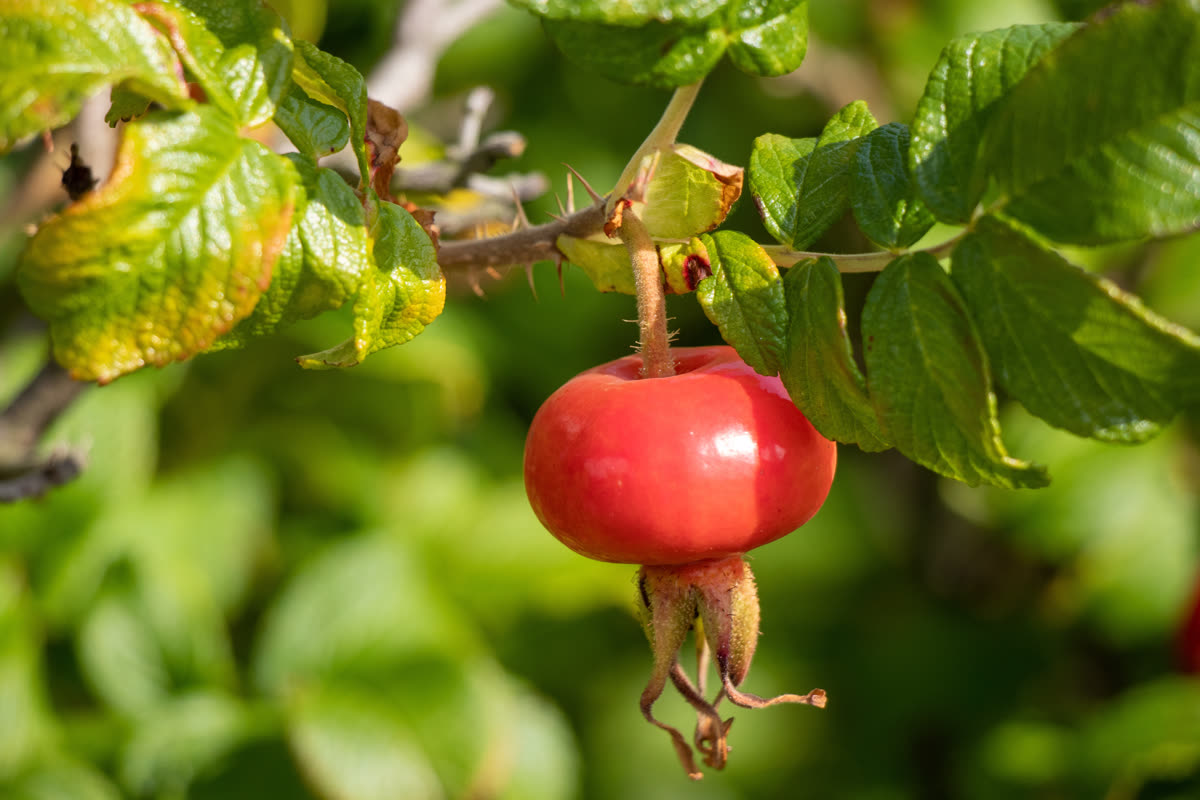
Rosehip oil is pressed from the seeds of wild roses, chiefly in Chile, Argentina and southern Africa. It is one of the richest common sources of the essential fatty acids linoleic and α-linolenic acid, giving a light, quick-absorbing feel that suits most skin types. It is widely used for scars and texture, but the evidence is small, and it is a fragile oil that goes rancid quickly if mishandled.
Why people reach for it
- Rich in essential fatty acids. Linoleic acid feeds the synthesis of barrier ceramides, and topical linoleic acid may help the skin of acne-prone people, whose sebum tends to be low in it.
- Light texture for most skin types. Absorbs quickly with little shine, so it suits normal and combination skin as well as dry skin.
- Comfort for healing scars. Massaging a non-irritating oil into a closed, healed scar keeps it supple; small studies suggest benefits, but rosehip has not been shown to beat silicone gel, the evidence-based standard.
- Antioxidant carotenoids (in some grades). Deep-orange CO₂ extracts carry carotenoids and tocopherols, which mainly protect the oil and give provitamin-A content.
How to use it
| Form | Typical use | Notes |
|---|---|---|
| Face oil | 2–3 drops neat, or 10–30% in a face-oil blend | Best at night. Blend with stable carriers such as jojoba or squalane; see Rosehip & Sea Buckthorn Glow Oil. |
| Scar massage | A few drops, massaged for 2–3 minutes twice daily | Only on fully closed, healed skin — never on open wounds. See Scars, Wounds & Stretch Marks. |
| Creams and serums | 2–10% of a formula | Add tocopherol at 0.2–0.5% and use airless or dark packaging. |
Recipes with Rosehip Oil
Daily rituals with Rosehip Oil
 The Slow Sunday Shelf AuditThirty minutes with your bathroom shelf: read the PAO symbols, sniff out rancid oils, and decide what to keep, move to the fridge or throw away.
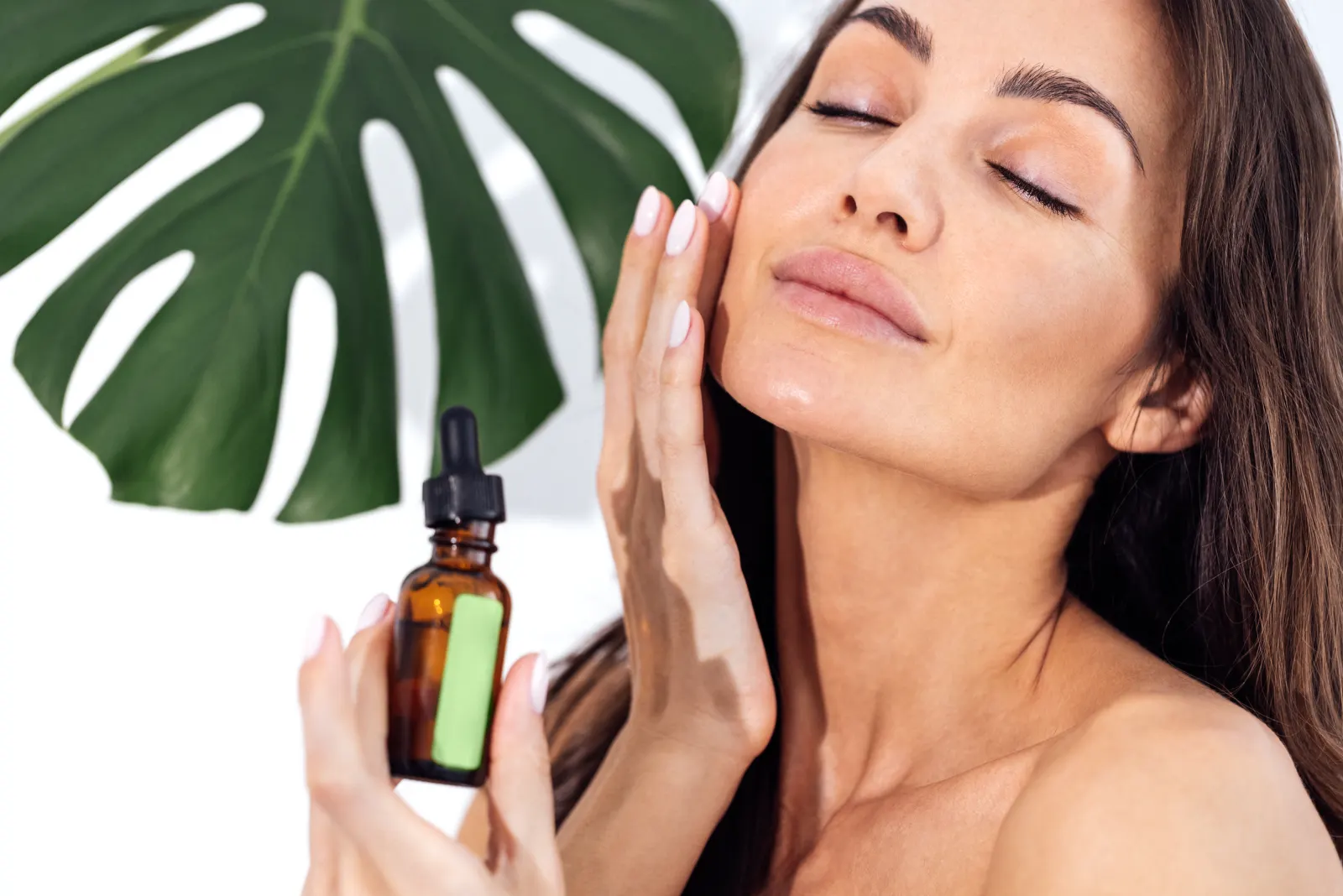 The Evening Press-and-Pat with Rosehip OilThree drops, warm palms, press and hold: the evening face-oil technique that uses less rosehip and sea buckthorn oil and leaves skin soft, not greasy.
Use it safely
- Rancid rosehip oil smells sharp, fishy or like paint and can irritate — buy small bottles and refrigerate after opening.
- Allergic reactions are rare; patch test, especially with orange CO₂ extracts that contain more fruit material.
- It is not a sunscreen and does not replace a broad-spectrum SPF — see Sun Care & After-Sun.
- Do not apply to open or infected wounds; see a doctor for wounds that are not healing.
Pregnancy and breastfeeding: Considered safe topically in pregnancy and breastfeeding; it contains no meaningful retinoid. Evidence that it prevents stretch marks is lacking.
New to an ingredient? Patch test first.
When to see a doctor
- Any spot that is changing in size, shape or color, has irregular borders or several colors, is larger than about 6 mm, itches, bleeds or crusts (the ABCDE warning signs of melanoma).
- A new dark streak in a fingernail or toenail, or a dark spot on the palm, sole or mucosa.
- Widespread, unexplained darkening of the skin, gums or skin creases, especially with fatigue, weight loss or dizziness.
- New or changing pigmentation in pregnancy that worries you — most is harmless melasma, but a changing mole should always be checked.
- Pigmentation that does not improve after 3 months of strict sun protection and treatment, or if you want prescription options.
- A dark patch that started after a new medicine (e.g. minocycline, some antimalarials or chemotherapy).
Other plants for Dark Spots & Hyperpigmentation
| Ingredient | Grade | What the evidence shows |
|---|---|---|
| Licorice Root | B | Glabridin and liquiritin inhibit tyrosinase and disperse melanin; small controlled trials of liquiritin and licorice-extract creams improved melasma and PIH. |
| Bakuchiol | C | In a randomized trial against retinol for photoaging, 0.5% bakuchiol improved mottled pigmentation; it has not been properly tested in melasma. |
| Aloe Vera | C | Aloesin inhibits tyrosinase in the lab, and small human studies of aloe-based products suggest mild lightening, including a small trial in pregnancy melasma. |
| Green Tea | C | EGCG reduces melanin production in the lab and protects against UV-induced inflammation; clinical depigmenting data are limited. |
| Turmeric | C | Curcuminoids inhibit tyrosinase in vitro, and a small study of a turmeric-extract cream reported modest reduction of facial spots. Raw turmeric stains and can irritate. |