Does it work?
Turmeric for Dark Spots & Hyperpigmentation
What the research says about turmeric for dark spots & hyperpigmentation, how to use it at home and how to stay safe.
The short answer: Curcuminoids inhibit tyrosinase in vitro, and a small study of a turmeric-extract cream reported modest reduction of facial spots. Raw turmeric stains and can irritate.
What it does
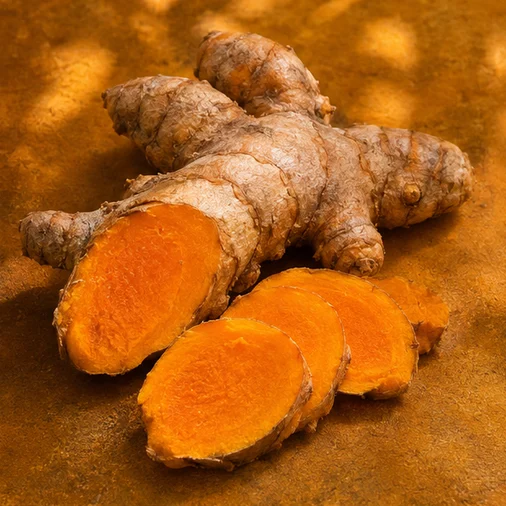
Turmeric is a golden rhizome with a huge research literature, most of it on curcumin in the lab. On skin, human evidence is small and mixed; curcumin is unstable, poorly absorbed and an intense yellow stain. Turmeric masks are a lovely tradition, but they can stain, and turmeric is a recognized cause of allergic contact dermatitis.
Why people reach for it
- Anti-inflammatory and antioxidant. Curcumin inhibits NF-κB signaling and scavenges free radicals in the lab, which underlies interest in turmeric for redness and blemishes. Human topical evidence is limited.
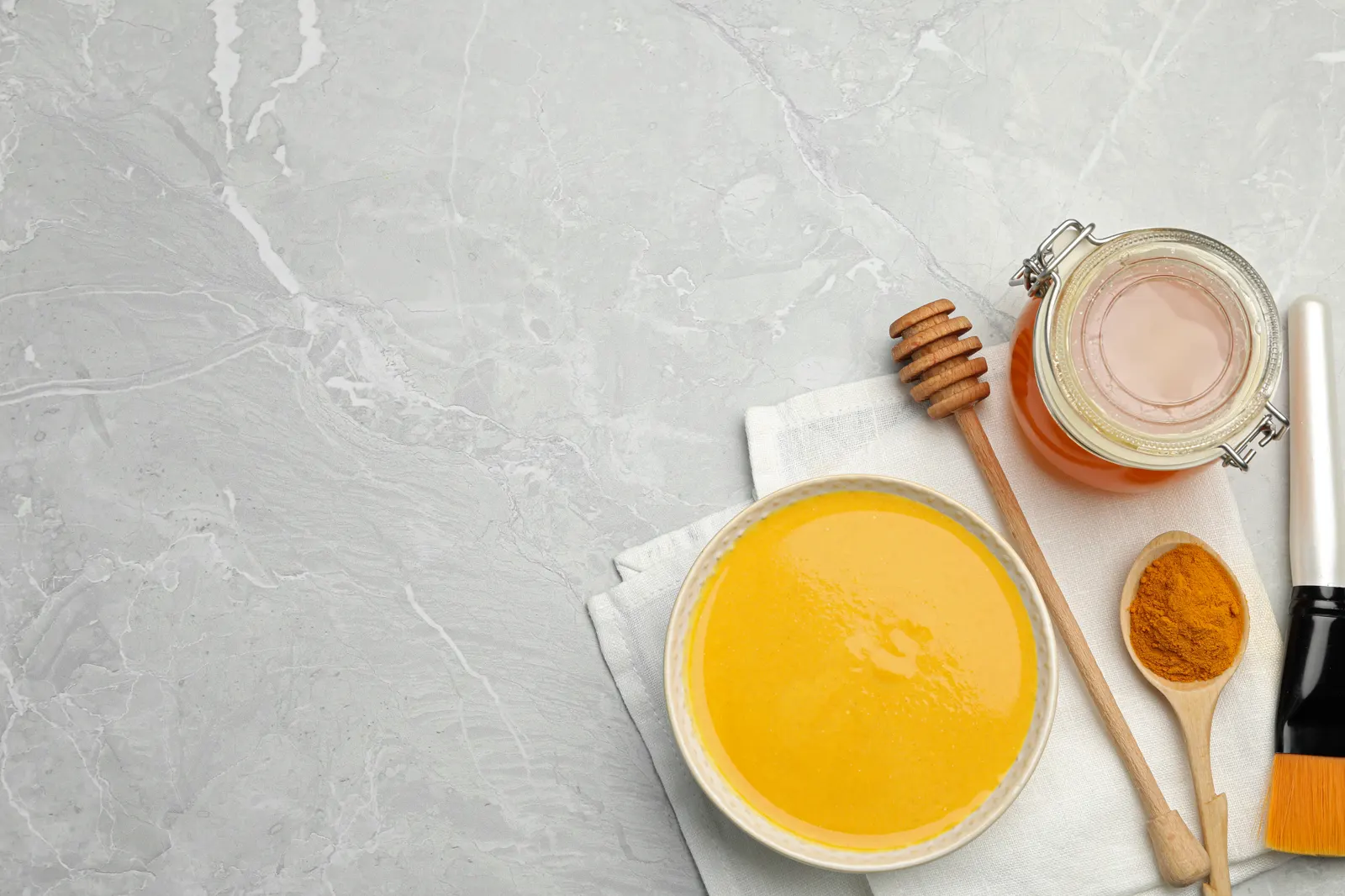
- A traditional glow mask. Mixed with chickpea flour, yogurt or honey, turmeric masks are a cherished South Asian beauty ritual. The visible “glow” is partly the yellow tint and gentle exfoliation.
- Colorless brightening derivative. Tetrahydrocurcumin, a hydrogenated curcumin, inhibits tyrosinase and is an antioxidant without the staining, making it the more practical form in serums.
How to use it
| Form | Typical use | Notes |
|---|---|---|
| Powder in a fresh mask | 1–3% of the mask (about a pinch to ¼ teaspoon per use) | Mix with honey, yogurt or chickpea flour; leave 10 minutes, then rinse with a little oil first if needed to lift stains. Make fresh and discard leftovers. See Turmeric & Honey Glow Mask. |
| Tetrahydrocurcumin | 0.1–1% | Colorless, non-staining antioxidant for leave-on serums; dissolve in a glycol or the oil phase. |
| Turmeric CO₂ extract or root oil | ≤0.5–1% | Contains turmerones and some curcumin; can still tint formulas. Respect overall essential-oil limits. |
Recipes for Dark Spots & Hyperpigmentation with Turmeric
Use it safely
- Contact allergy: curcumin and turmeric oleoresin cause allergic contact dermatitis, including in people who handle turmeric at work. Patch test on the inner arm before a full-face mask, as in our guide: twice daily for 7 days, read at 48 and 96 hours.
- Staining: turmeric tints skin, nails, towels, grout and nail beds yellow; a smaller dose, a short contact time, and an oil cleanse help. It stains fabric permanently.
- Adulteration: some turmeric has been found adulterated with lead chromate to brighten color. Buy from reputable, tested sources.
- Curcumin is a photosensitizer in lab conditions; rinse masks thoroughly and avoid applying before sun exposure.
- Oral supplements (not cosmetic use) can interact with anticoagulants and have been linked to rare liver injury; talk to a doctor before taking them.
Pregnancy and breastfeeding: Culinary turmeric and occasional topical masks are considered safe in pregnancy. Avoid high-dose curcumin supplements in pregnancy and breastfeeding.
New to an ingredient? Patch test first.
When to see a doctor
- Any spot that is changing in size, shape or color, has irregular borders or several colors, is larger than about 6 mm, itches, bleeds or crusts (the ABCDE warning signs of melanoma).
- A new dark streak in a fingernail or toenail, or a dark spot on the palm, sole or mucosa.
- Widespread, unexplained darkening of the skin, gums or skin creases, especially with fatigue, weight loss or dizziness.
- New or changing pigmentation in pregnancy that worries you — most is harmless melasma, but a changing mole should always be checked.
- Pigmentation that does not improve after 3 months of strict sun protection and treatment, or if you want prescription options.
- A dark patch that started after a new medicine (e.g. minocycline, some antimalarials or chemotherapy).
Other plants for Dark Spots & Hyperpigmentation
| Ingredient | Grade | What the evidence shows |
|---|---|---|
| Licorice Root | B | Glabridin and liquiritin inhibit tyrosinase and disperse melanin; small controlled trials of liquiritin and licorice-extract creams improved melasma and PIH. |
| Bakuchiol | C | In a randomized trial against retinol for photoaging, 0.5% bakuchiol improved mottled pigmentation; it has not been properly tested in melasma. |
| Aloe Vera | C | Aloesin inhibits tyrosinase in the lab, and small human studies of aloe-based products suggest mild lightening, including a small trial in pregnancy melasma. |
| Green Tea | C | EGCG reduces melanin production in the lab and protects against UV-induced inflammation; clinical depigmenting data are limited. |
| Rosehip Oil | D | Often marketed for dark marks, but its trans-retinoic acid content is unproven and human data for pigmentation are lacking; useful as a light emollient. |