Does it work?
Damask Rose for Sensitive Skin & Redness
What the research says about Damask rose for sensitive skin & redness, how to use it at home and how to stay safe.
The short answer: Rose extracts show antioxidant and antimicrobial activity in the lab, but there are no meaningful human trials of rose water or rose oil for skin outcomes.
Our Sensitive Skin & Redness guide does not rank Damask Rose for this use yet, so this is the overall grade for Damask Rose.
What it does
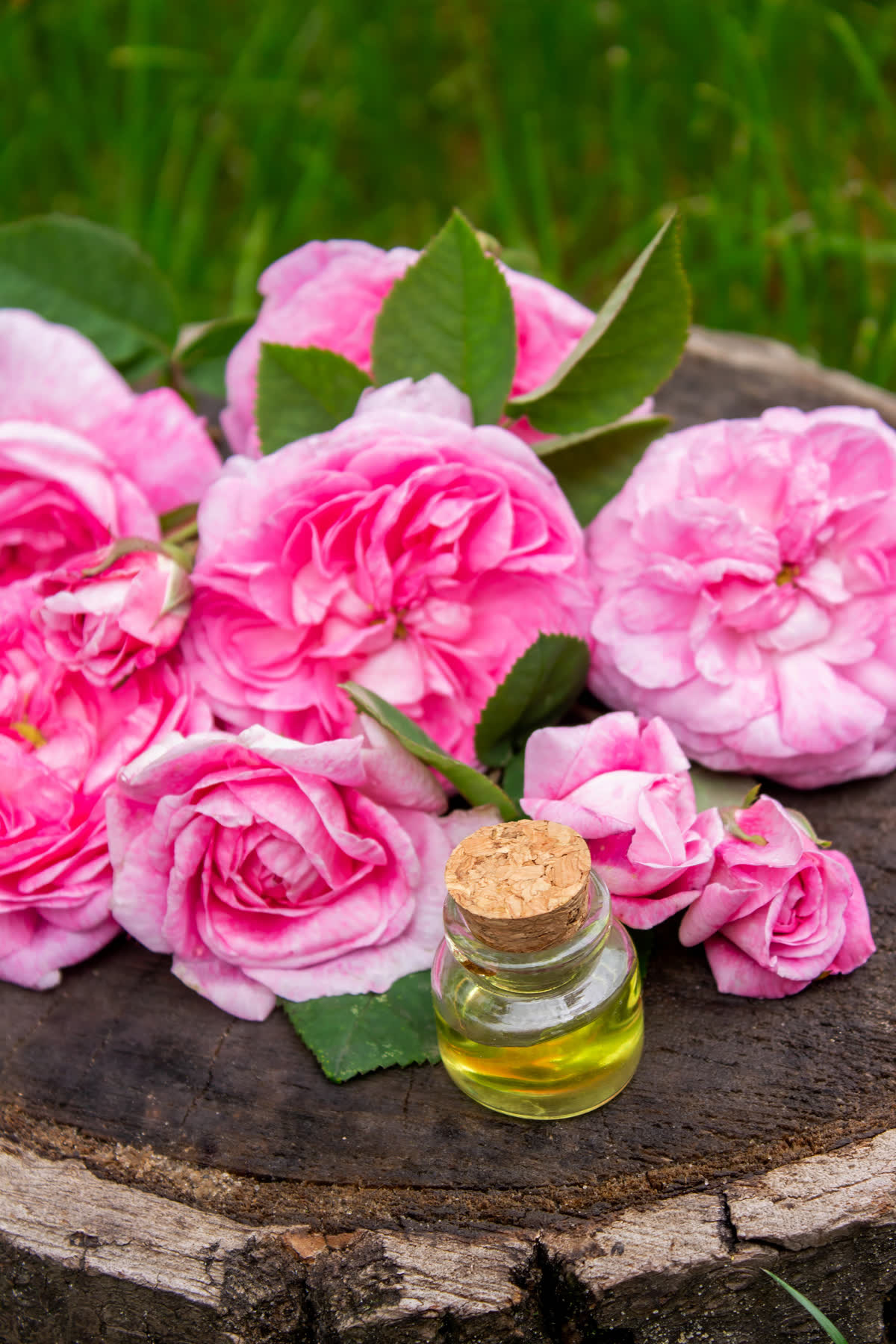
The Damask rose gives us rose water (the hydrosol) and rose otto (the essential oil), two of the oldest beauty ingredients in the Mediterranean and Middle East. Rose water is a gentle, lightly fragrant water phase; rose oil is precious, potent and rich in fragrance allergens. Skin evidence is mostly traditional and lab-based, so rose is best enjoyed for its sensory pleasure and mild comfort.
Why people reach for it
- A gentle, fragrant water phase. Genuine rose hydrosol is mostly water with tiny amounts of aromatic compounds, making it a pleasant base for toners, mists and masks.
- Antioxidant polyphenols. Rose petal extracts are rich in flavonoids such as quercetin and kaempferol glycosides, with antioxidant activity in lab tests.
- Sensory comfort. Rose scent is one of the most loved in perfumery, and the ritual of a rose-water splash or rose-scented oil has real value for wellbeing, even where skin effects are unproven.
How to use it
| Form | Typical use | Notes |
|---|---|---|
| Rose water (hydrosol) | Up to 100% of the water phase; or straight as a splash | Genuine hydrosol must be stored cold and used within months; once in a formula, add a broad-spectrum preservative. A traditional finish in the Moroccan Hammam Ritual at Home alongside rhassoul clay. |
| Rose otto (essential oil) | 0.05–0.5% in face and body products | Very potent and very expensive; often sold pre-diluted (e.g. 5–10% in jojoba). IFRA limits apply because of methyl eugenol — check your supplier’s IFRA certificate. |
| Rose petal extract or infused oil | Extract 1–5%; infused oil up to 100% of the oil phase | Gentler than the essential oil, with polyphenols but little fragrance. Use dried petals for oil infusions. |
Recipes for Sensitive Skin & Redness with Damask Rose
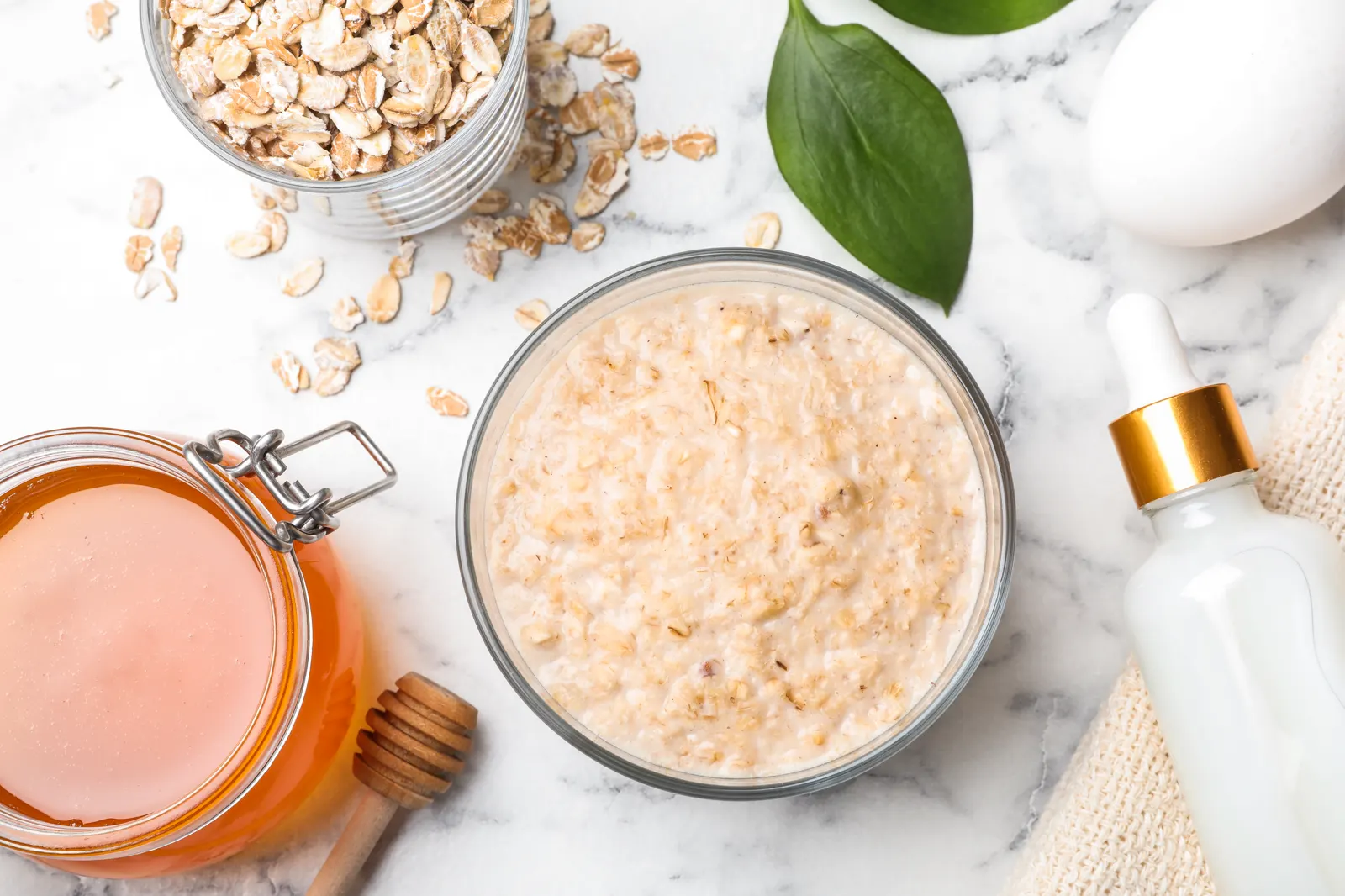 Cleanser · BeginnerHoney & Oat Gentle CleanserA no-foam, single-use cleansing paste of raw honey, colloidal oatmeal, rose water and jojoba for dry or sensitive skin that hates feeling squeaky.
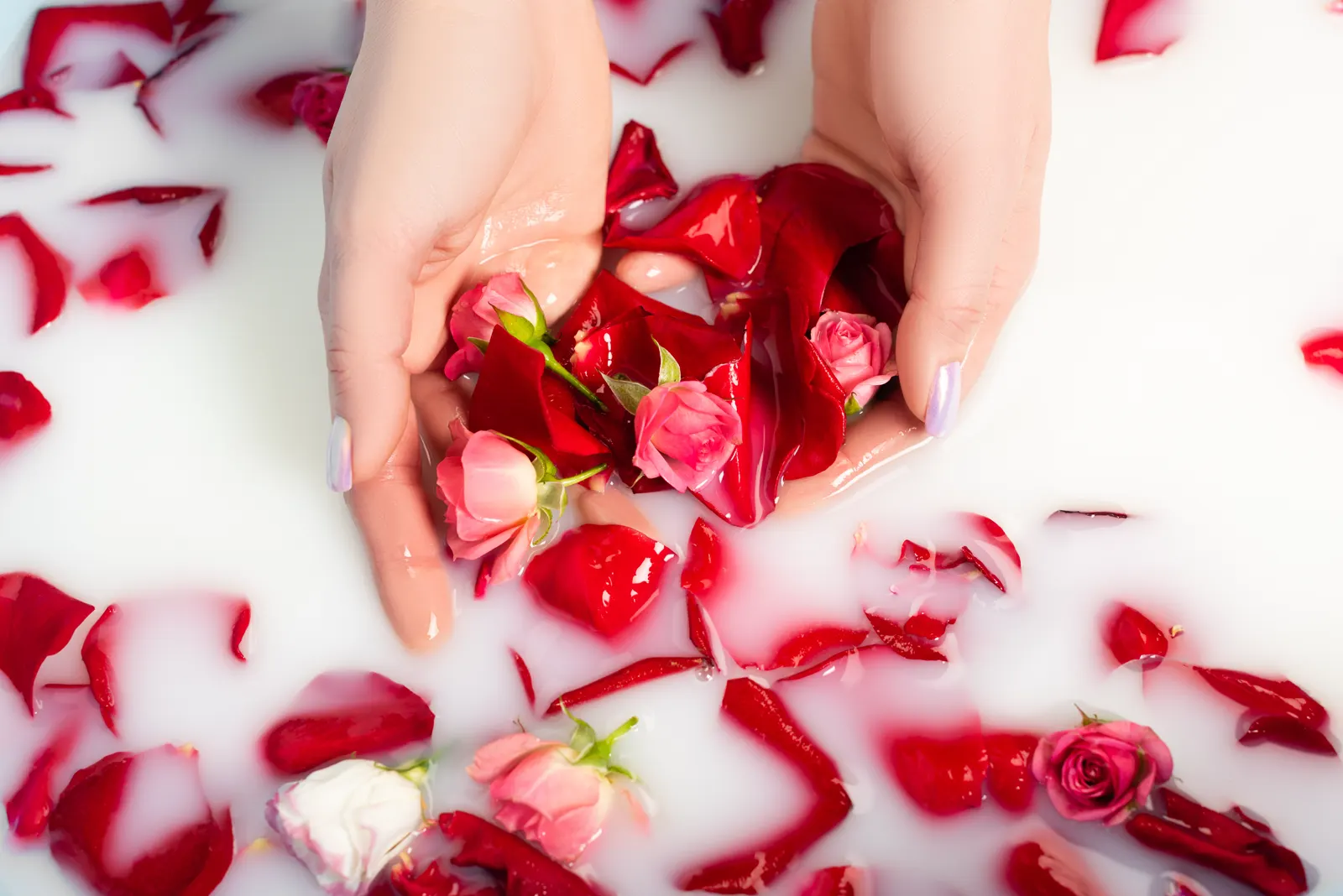 Bath · BeginnerOat Milk & Rose Bath SoakA milk bath of powdered milk, colloidal oatmeal, almond oil and rose petals, tied in a muslin bag for silky water, soft skin and no mess.
Daily rituals with Damask Rose
Use it safely
- Rose oil contains fragrance allergens — citronellol, geraniol, eugenol and others. People with fragrance allergy may react; patch test (How to Patch Test).
- Methyl eugenol in rose oil is restricted in the EU and by IFRA; keep essential-oil use low and follow Essential Oil Safety: The Complete Guide.
- Genuine rose water is not sterile; unpreserved hydrosol can grow bacteria and mold. Refrigerate, use clean hands and discard if cloudy or off-smelling.
- Many “rose waters” are tap water plus synthetic rose fragrance and alcohol, which can irritate sensitive skin.
Pregnancy and breastfeeding: Rose water is considered safe in pregnancy. Rose essential oil is generally regarded as acceptable at low dilution on skin; avoid oral use of the essential oil.
New to an ingredient? Patch test first.
When to see a doctor
- Swelling of the lips, eyelids, tongue or throat, or difficulty breathing after using a product — this is an emergency.
- Persistent facial redness, visible vessels, flushing or bumps (possible rosacea), or burning, gritty, red eyes with facial redness (ocular rosacea).
- An itchy rash that spreads beyond where a product was applied or appears 1–3 days later (possible allergic contact dermatitis — ask about patch testing).
- A butterfly-shaped rash across the cheeks with joint pain, fatigue or sun sensitivity.
- Redness or stinging that continues despite a stripped-back routine for 4–6 weeks.
Other plants for Sensitive Skin & Redness
| Ingredient | Grade | What the evidence shows |
|---|---|---|
| Colloidal Oatmeal | B | Avenanthramides are anti-inflammatory and anti-itch; clinical studies support oatmeal products for irritated, itchy and reactive skin. |
| Licorice Root | B | Several small, mostly manufacturer-funded trials of licochalcone A products reduced facial redness, including in mild rosacea. |
| Centella Asiatica (Cica) | C | Madecassoside and asiaticoside reduce inflammation and support barrier repair in the lab; small human studies of centella creams show improved redness and comfort. |
| Green Tea | C | EGCG is anti-inflammatory and reduces UV-induced redness; a small trial suggested benefit in papulopustular rosacea. |
| Aloe Vera | C | Soothing and cooling with small supportive studies; choose stabilized gels without alcohol or fragrance, as some products irritate. |
| Chamomile | C | Bisabolol and chamazulene are anti-inflammatory, but chamomile is in the daisy family and can cause allergy in sensitized people. |