Does it work?
Damask Rose for Aging & Photoaging
What the research says about Damask rose for aging & photoaging, how to use it at home and how to stay safe.
The short answer: Rose extracts show antioxidant and antimicrobial activity in the lab, but there are no meaningful human trials of rose water or rose oil for skin outcomes.
Our Aging & Photoaging guide does not rank Damask Rose for this use yet, so this is the overall grade for Damask Rose.
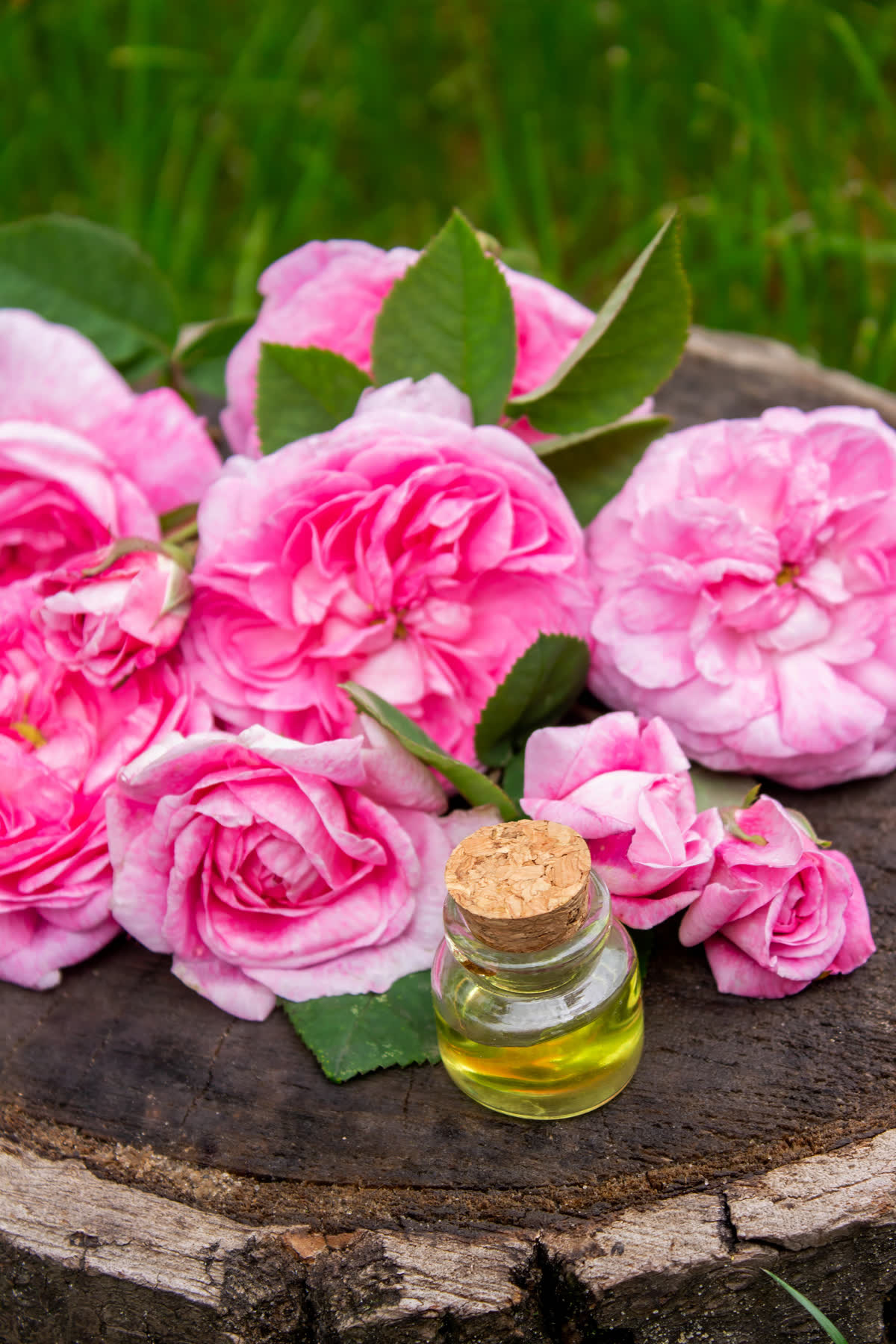
What it does
The Damask rose gives us rose water (the hydrosol) and rose otto (the essential oil), two of the oldest beauty ingredients in the Mediterranean and Middle East. Rose water is a gentle, lightly fragrant water phase; rose oil is precious, potent and rich in fragrance allergens. Skin evidence is mostly traditional and lab-based, so rose is best enjoyed for its sensory pleasure and mild comfort.
Why people reach for it
- A gentle, fragrant water phase. Genuine rose hydrosol is mostly water with tiny amounts of aromatic compounds, making it a pleasant base for toners, mists and masks.
- Antioxidant polyphenols. Rose petal extracts are rich in flavonoids such as quercetin and kaempferol glycosides, with antioxidant activity in lab tests.
- Sensory comfort. Rose scent is one of the most loved in perfumery, and the ritual of a rose-water splash or rose-scented oil has real value for wellbeing, even where skin effects are unproven.
How to use it
| Form | Typical use | Notes |
|---|---|---|
| Rose water (hydrosol) | Up to 100% of the water phase; or straight as a splash | Genuine hydrosol must be stored cold and used within months; once in a formula, add a broad-spectrum preservative. A traditional finish in the Moroccan Hammam Ritual at Home alongside rhassoul clay. |
| Rose otto (essential oil) | 0.05–0.5% in face and body products | Very potent and very expensive; often sold pre-diluted (e.g. 5–10% in jojoba). IFRA limits apply because of methyl eugenol — check your supplier’s IFRA certificate. |
| Rose petal extract or infused oil | Extract 1–5%; infused oil up to 100% of the oil phase | Gentler than the essential oil, with polyphenols but little fragrance. Use dried petals for oil infusions. |
Recipes with Damask Rose
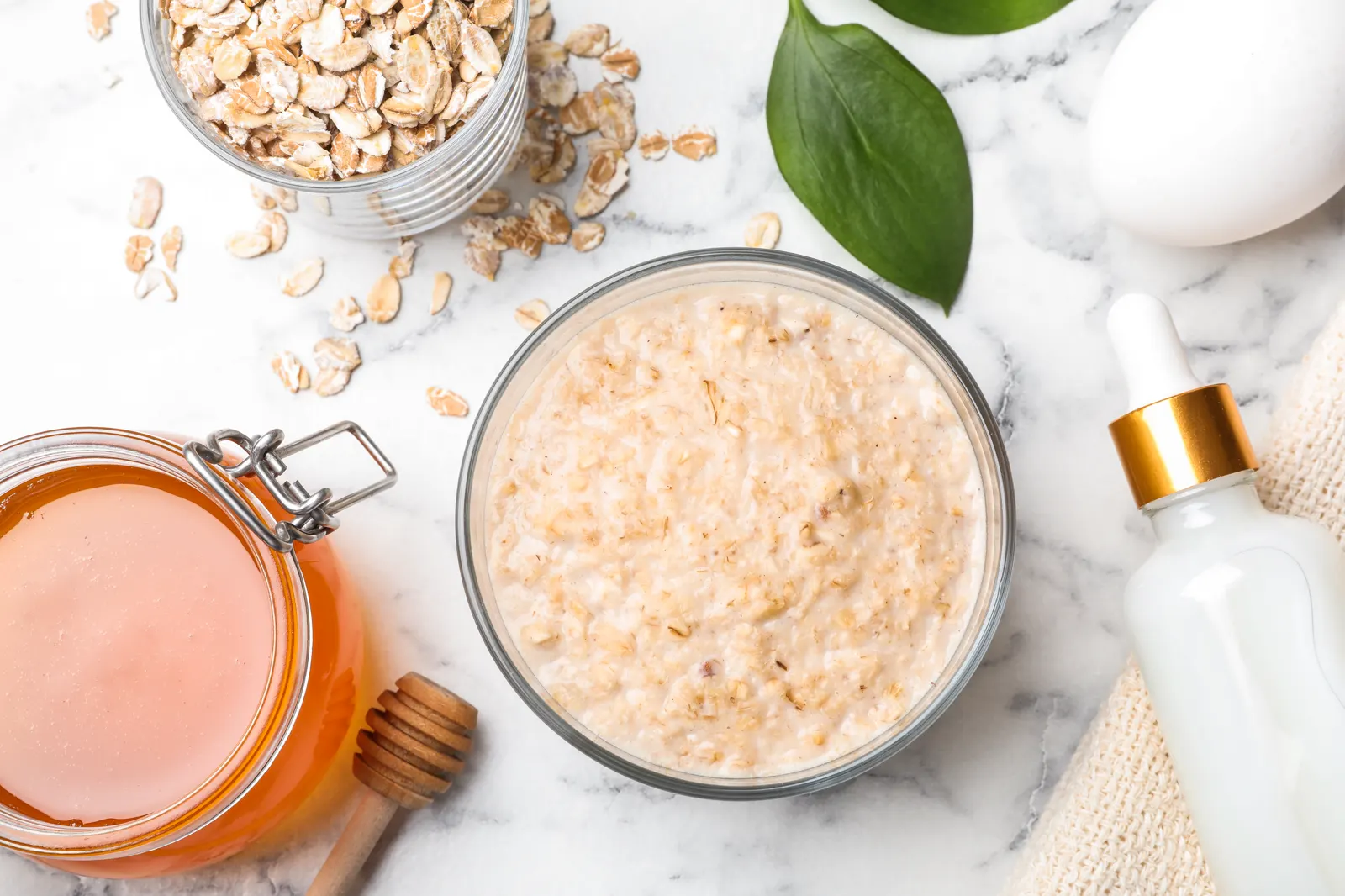 Cleanser · BeginnerHoney & Oat Gentle CleanserA no-foam, single-use cleansing paste of raw honey, colloidal oatmeal, rose water and jojoba for dry or sensitive skin that hates feeling squeaky.
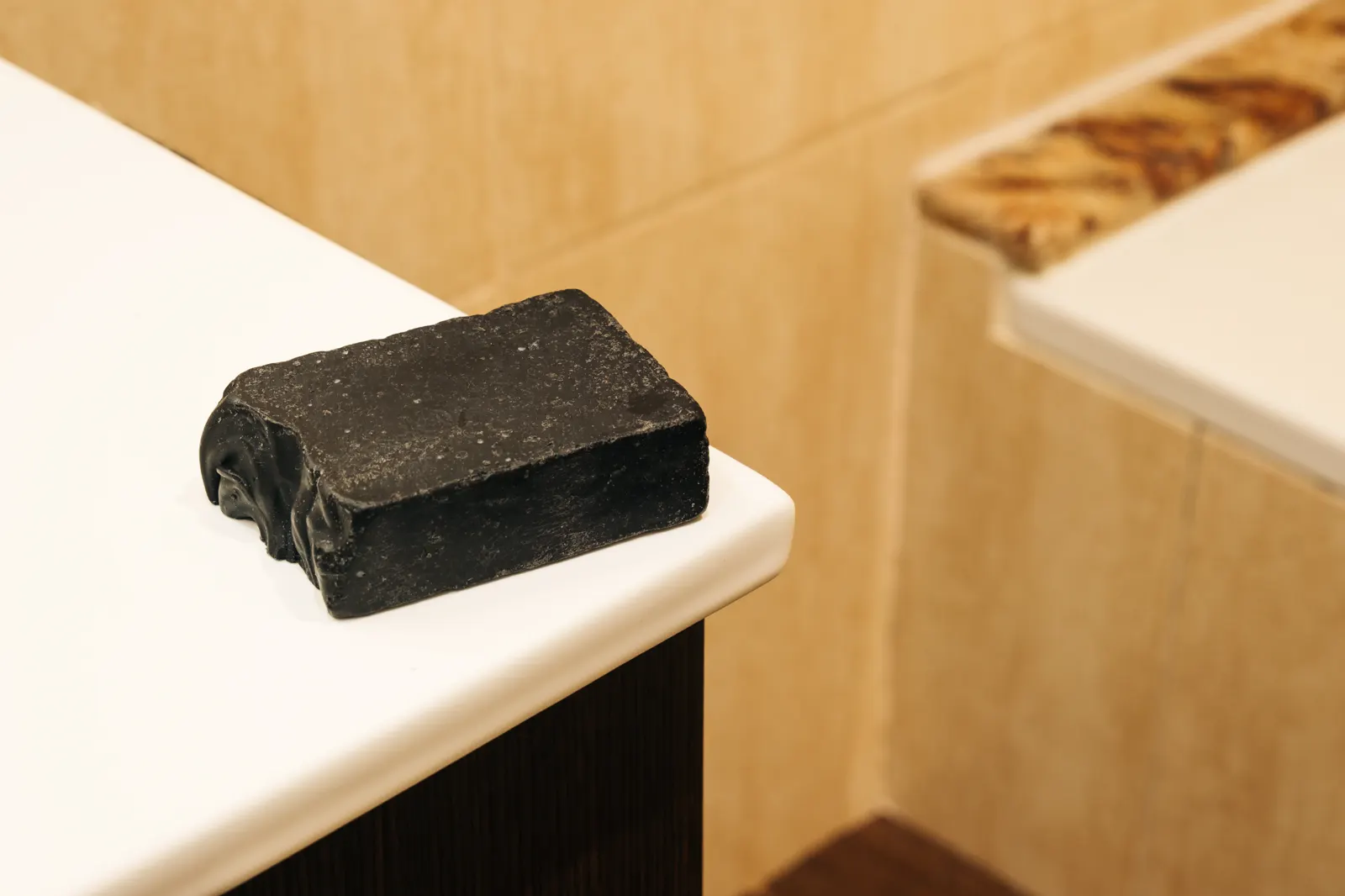 Ritual · BeginnerMoroccan Hammam Ritual at HomeBeldi black soap, the kessa glove, rhassoul clay, orange blossom water and argan oil: the traditional Moroccan hammam sequence, adapted safely for home.
Daily rituals with Damask Rose
Use it safely
- Rose oil contains fragrance allergens — citronellol, geraniol, eugenol and others. People with fragrance allergy may react; patch test (How to Patch Test).
- Methyl eugenol in rose oil is restricted in the EU and by IFRA; keep essential-oil use low and follow Essential Oil Safety: The Complete Guide.
- Genuine rose water is not sterile; unpreserved hydrosol can grow bacteria and mold. Refrigerate, use clean hands and discard if cloudy or off-smelling.
- Many “rose waters” are tap water plus synthetic rose fragrance and alcohol, which can irritate sensitive skin.
Pregnancy and breastfeeding: Rose water is considered safe in pregnancy. Rose essential oil is generally regarded as acceptable at low dilution on skin; avoid oral use of the essential oil.
New to an ingredient? Patch test first.
When to see a doctor
- A new or changing mole or spot, especially using the ABCDE signs (asymmetry, irregular border, uneven color, diameter over 6 mm, evolving).
- Rough, scaly patches on sun-exposed skin that persist (possible actinic keratoses).
- A pearly or shiny bump, a sore that does not heal within 3–4 weeks, or a lesion that bleeds easily.
- Sudden skin thinning, easy bruising or stretch marks that may be medication-related (e.g. long-term steroids).
- If you want prescription retinoids or in-office treatments, or are unsure which actives are safe for you.
Other plants for Aging & Photoaging
| Ingredient | Grade | What the evidence shows |
|---|---|---|
| Bakuchiol | B | A randomized, double-blind trial found 0.5% bakuchiol twice daily comparable to 0.5% retinol for wrinkles and pigmentation over 12 weeks, with less stinging; it is not a true retinoid and is less studied. |
| Green Tea | B | Topical green tea polyphenols reduce UV-induced redness and DNA damage in human skin; trials for wrinkles show mixed, modest results. |
| Centella Asiatica (Cica) | C | Madecassoside and asiaticoside stimulate collagen in the lab; small trials of centella-containing creams showed improved firmness, mostly in combination products. |
| Argan Oil | C | A small study in postmenopausal women found improved elasticity with argan oil (oral and topical arms); useful as an emollient. |
| Rosehip Oil | C | Rich in linoleic acid and carotenoids; small studies (mainly of oral rosehip powder) suggest improved skin texture. Topical anti-wrinkle data are thin. |
| Frankincense | C | One small trial of a Boswellia serrata extract cream reported improvement in photoaging signs; needs replication. |
| Sea Buckthorn | D | High in antioxidants and omega-7 (palmitoleic acid), but clinical anti-aging evidence is minimal; unrefined oil stains orange. |