Does it work?
Damask Rose for Dry & Dehydrated Skin
A splash of rose water is pure romance: soft, fragrant, and cherished in hammams and gardens for centuries.
The short answer: Rose extracts show antioxidant and antimicrobial activity in the lab, but there are no meaningful human trials of rose water or rose oil for skin outcomes.
Our Dry & Dehydrated Skin guide does not rank Damask Rose for this use yet, so this is the overall grade for Damask Rose.
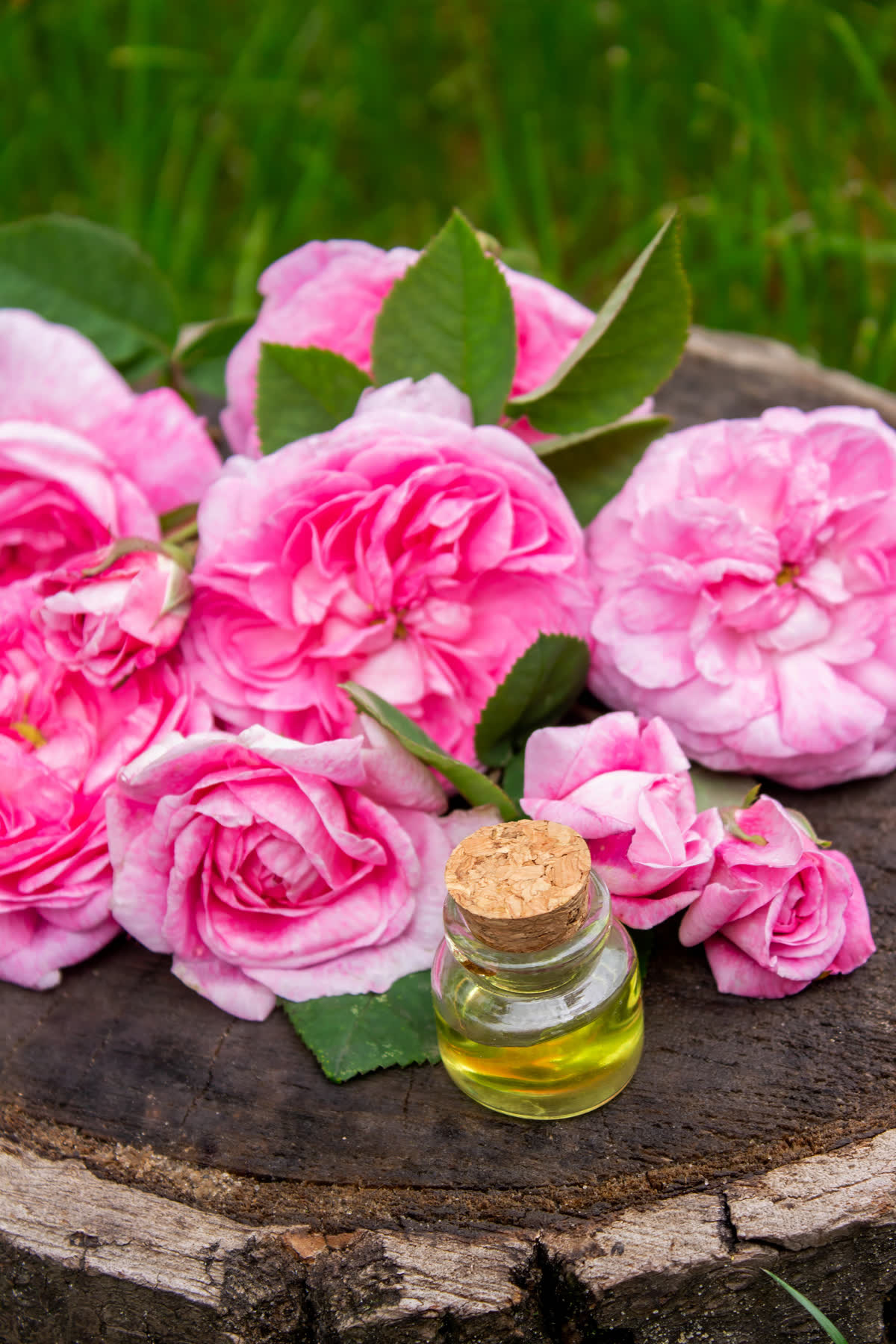
What Damask Rose can do for Dry & Dehydrated Skin
The Damask rose gives us rose water (the hydrosol) and rose otto (the essential oil), two of the oldest beauty ingredients in the Mediterranean and Middle East. Rose water is a gentle, lightly fragrant water phase; rose oil is precious, potent and rich in fragrance allergens. Skin evidence is mostly traditional and lab-based, so rose is best enjoyed for its sensory pleasure and mild comfort.
Why people reach for it
- A gentle, fragrant water phase. Genuine rose hydrosol is mostly water with tiny amounts of aromatic compounds, making it a pleasant base for toners, mists and masks.
- Antioxidant polyphenols. Rose petal extracts are rich in flavonoids such as quercetin and kaempferol glycosides, with antioxidant activity in lab tests.
- Sensory comfort. Rose scent is one of the most loved in perfumery, and the ritual of a rose-water splash or rose-scented oil has real value for wellbeing, even where skin effects are unproven.
How to use it
Try it today
A rose water reset
- Choose genuine rose hydrosol, not tap water plus fragrance, and keep it in the fridge.
- After cleansing, mist your face or sweep it on with a clean cotton pad.
- Breathe in the scent, then follow with your usual serum or moisturizer.
| Form | Typical use | Notes |
|---|---|---|
| Rose water (hydrosol) | Up to 100% of the water phase; or straight as a splash | Genuine hydrosol must be stored cold and used within months; once in a formula, add a broad-spectrum preservative. A traditional finish in the Moroccan Hammam Ritual at Home alongside rhassoul clay. |
| Rose otto (essential oil) | 0.05–0.5% in face and body products | Very potent and very expensive; often sold pre-diluted (e.g. 5–10% in jojoba). IFRA limits apply because of methyl eugenol — check your supplier’s IFRA certificate. |
| Rose petal extract or infused oil | Extract 1–5%; infused oil up to 100% of the oil phase | Gentler than the essential oil, with polyphenols but little fragrance. Use dried petals for oil infusions. |
Recipes for Dry & Dehydrated Skin with Damask Rose
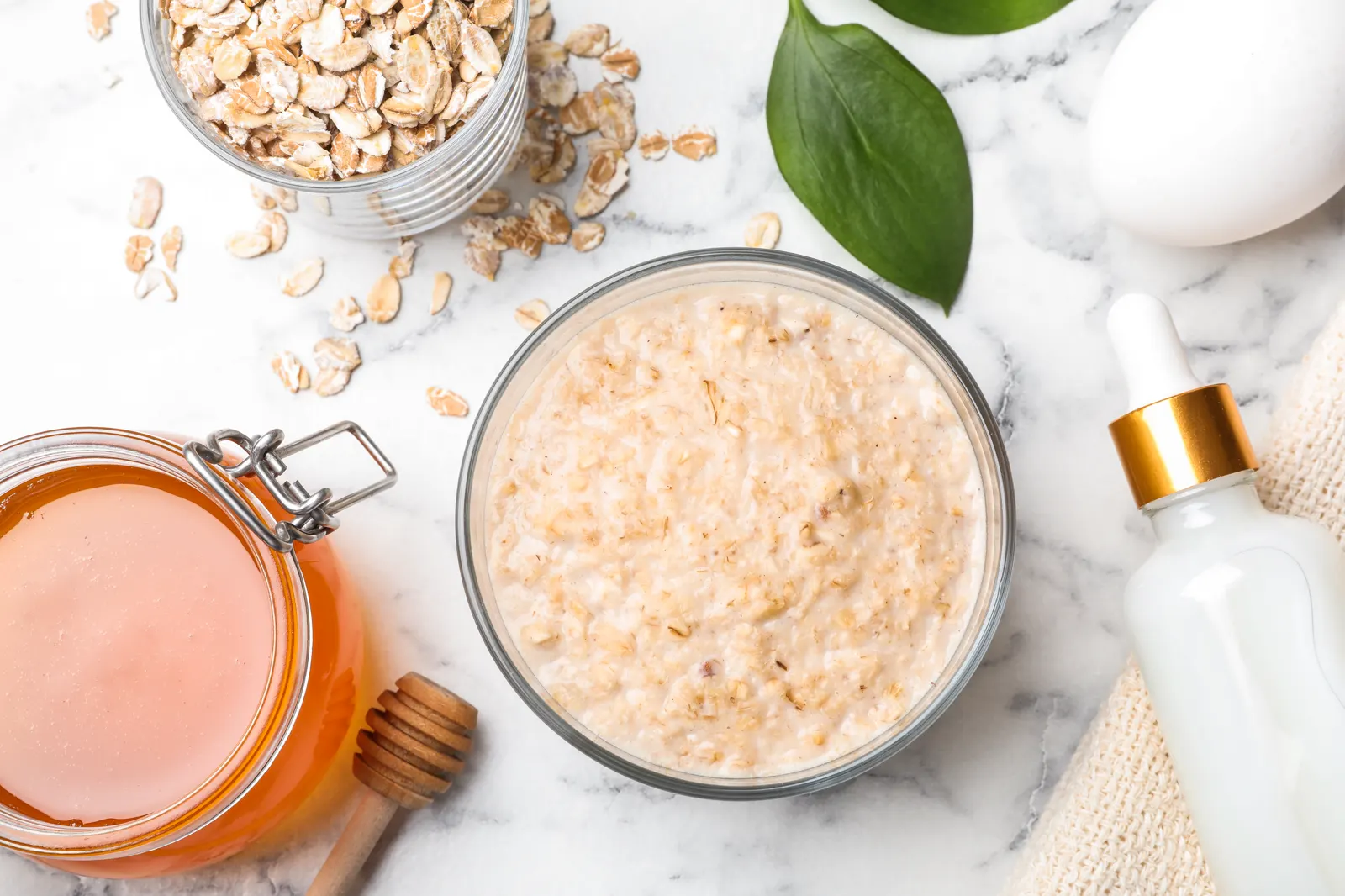 Cleanser · BeginnerHoney & Oat Gentle CleanserA no-foam, single-use cleansing paste of raw honey, colloidal oatmeal, rose water and jojoba for dry or sensitive skin that hates feeling squeaky.
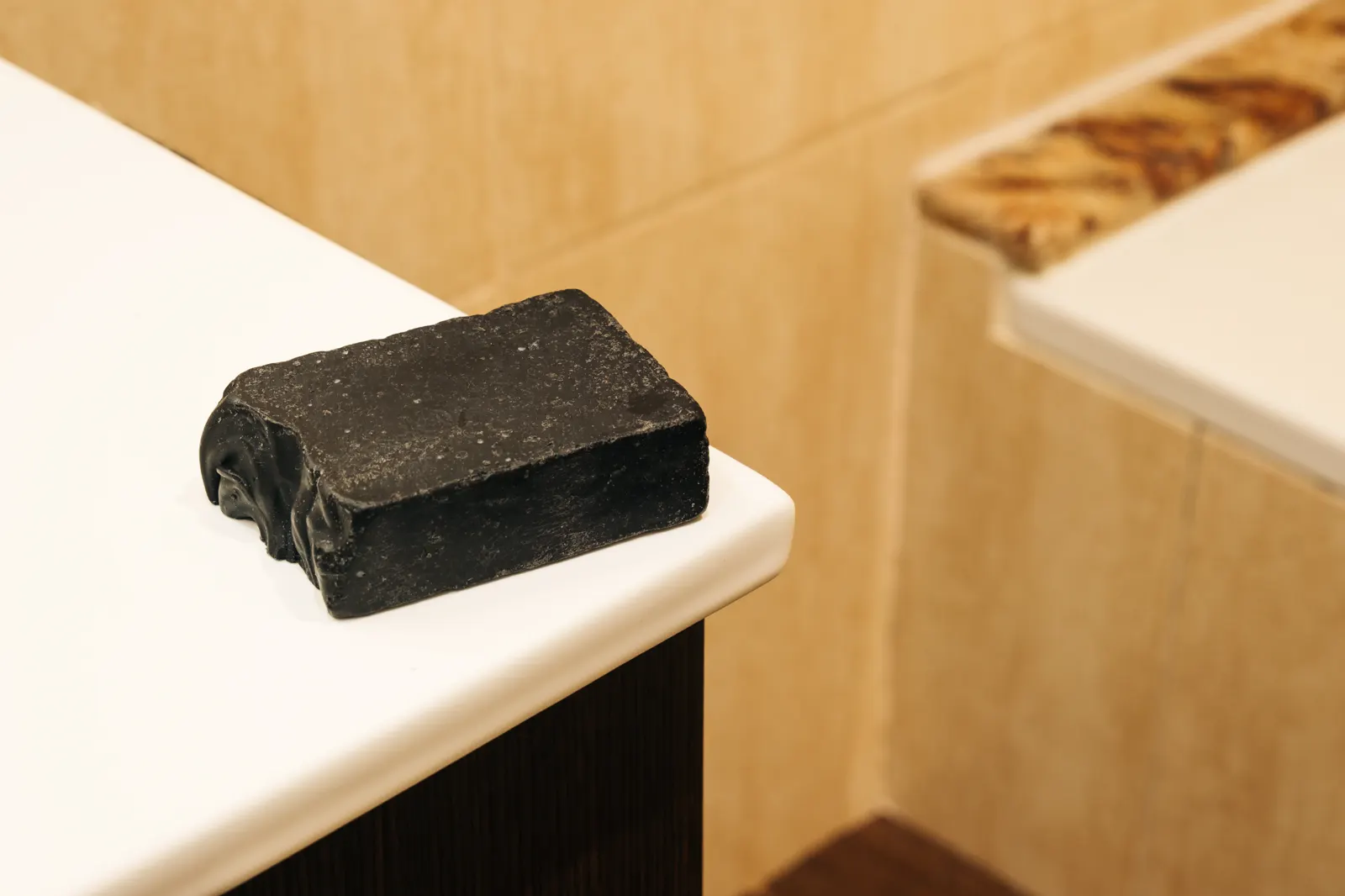 Ritual · BeginnerMoroccan Hammam Ritual at HomeBeldi black soap, the kessa glove, rhassoul clay, orange blossom water and argan oil: the traditional Moroccan hammam sequence, adapted safely for home.
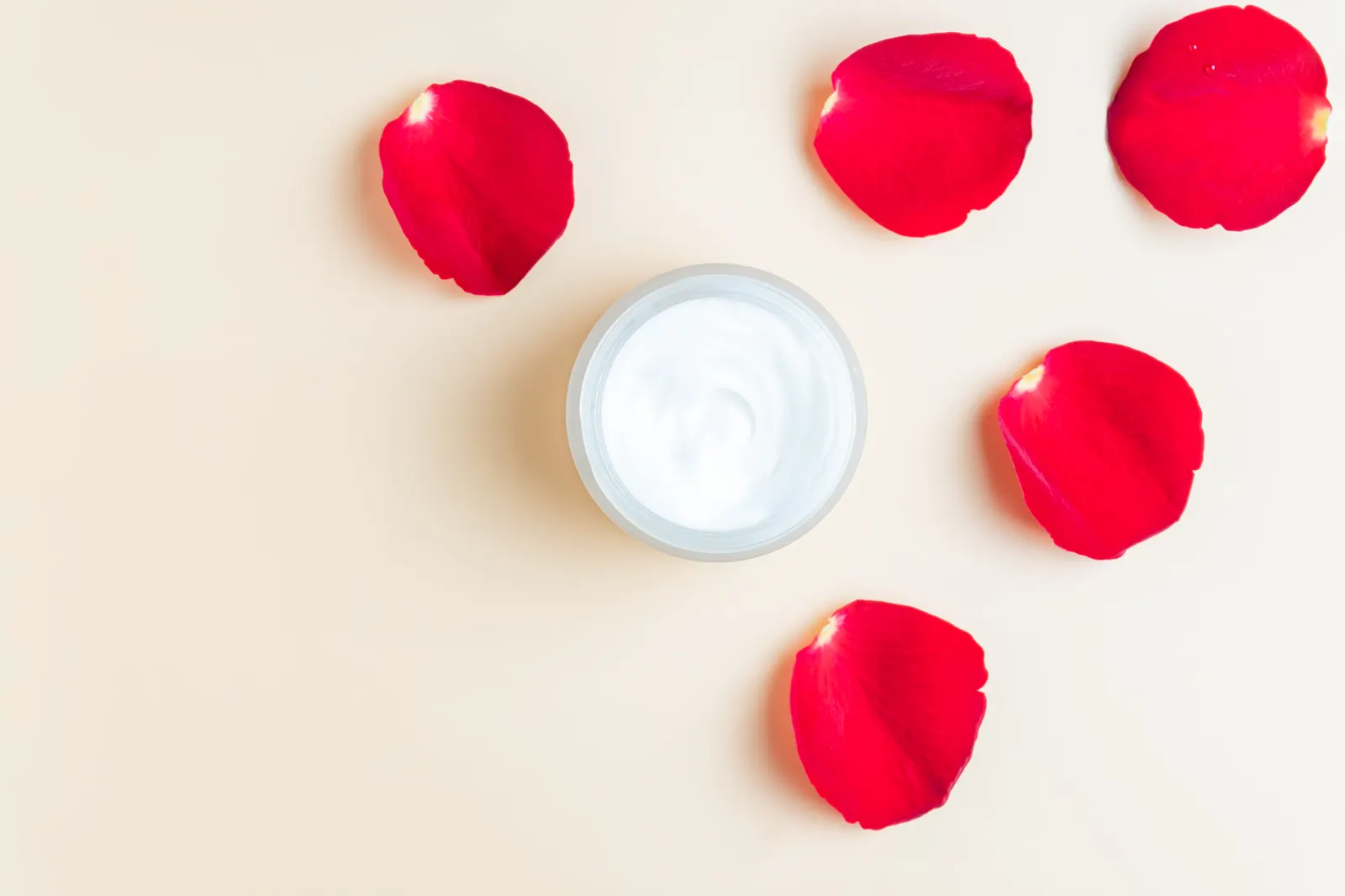 Balm · BeginnerRose & Orange Blossom Hand BalmA silky hand balm of shea, almond and rose-infused oil, lightly scented with neroli and rose geranium — a Moroccan garden in a tin.
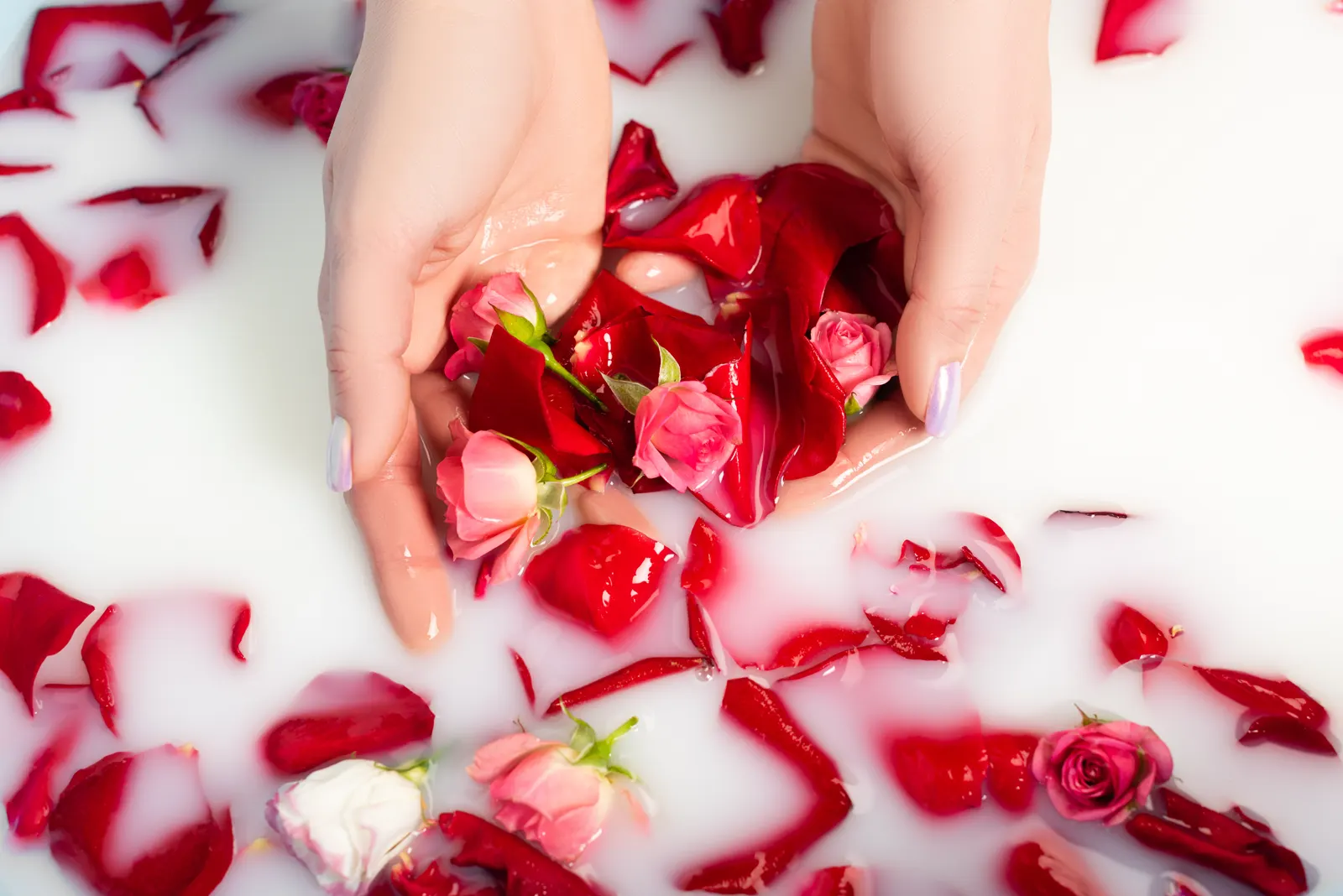 Bath · BeginnerOat Milk & Rose Bath SoakA milk bath of powdered milk, colloidal oatmeal, almond oil and rose petals, tied in a muslin bag for silky water, soft skin and no mess.
Daily rituals with Damask Rose
Use it safely
- Rose oil contains fragrance allergens — citronellol, geraniol, eugenol and others. People with fragrance allergy may react; patch test (How to Patch Test).
- Methyl eugenol in rose oil is restricted in the EU and by IFRA; keep essential-oil use low and follow Essential Oil Safety: The Complete Guide.
- Genuine rose water is not sterile; unpreserved hydrosol can grow bacteria and mold. Refrigerate, use clean hands and discard if cloudy or off-smelling.
- Many “rose waters” are tap water plus synthetic rose fragrance and alcohol, which can irritate sensitive skin.
Pregnancy and breastfeeding: Rose water is considered safe in pregnancy. Rose essential oil is generally regarded as acceptable at low dilution on skin; avoid oral use of the essential oil.
New to an ingredient? Patch test first.
When to see a doctor
- Dryness with intense itch that disturbs sleep, or red, inflamed patches (possible eczema or another dermatitis).
- Cracked, bleeding or weeping skin, or signs of infection (pain, warmth, yellow crusts, pus).
- Fish-scale-like dryness present since childhood (possible ichthyosis).
- New, persistent dryness with fatigue, weight change, feeling cold or hair thinning (thyroid), or with excessive thirst and urination (diabetes).
- Severe dryness in older adults with widespread itch that does not respond to moisturizers.
Other plants for Dry & Dehydrated Skin
| Ingredient | Grade | What the evidence shows |
|---|---|---|
| Colloidal Oatmeal | B | Multiple clinical studies show colloidal oatmeal creams and baths reduce dryness, scaling and itch; it is an approved skin protectant in the US. |
| Sunflower Oil | B | Linoleic-rich sunflower seed oil preserved stratum corneum integrity and improved hydration in a comparative study with olive oil, and supports barrier function in neonatal studies. |
| Coconut Oil | B | A randomized trial found virgin coconut oil as effective and safe as mineral oil for mild to moderate xerosis of the legs. |
| Shea Butter | C | Rich emollient and mild occlusive with anti-inflammatory triterpene esters; small studies of shea-containing creams support hydration. |
| Squalane | C | A skin-identical, stable, lightweight emollient that reduces roughness; excellent tolerability but limited trial data on its own. |
| Jojoba | C | A liquid wax ester that resembles skin’s own wax esters; small studies support barrier repair and softness. |
| Aloe Vera | C | A humectant gel that improved skin hydration in small studies; on its own it is not enough for very dry skin and needs an emollient on top. |
| Marshmallow Root | D | Mucilage polysaccharides form a soothing, humectant film; evidence is traditional and lab-based. |