Does it work?
Argan Oil for Aging & Photoaging
What the research says about argan oil for aging & photoaging, how to use it at home and how to stay safe.
The short answer: A small study in postmenopausal women found improved elasticity with argan oil (oral and topical arms); useful as an emollient.
What it does
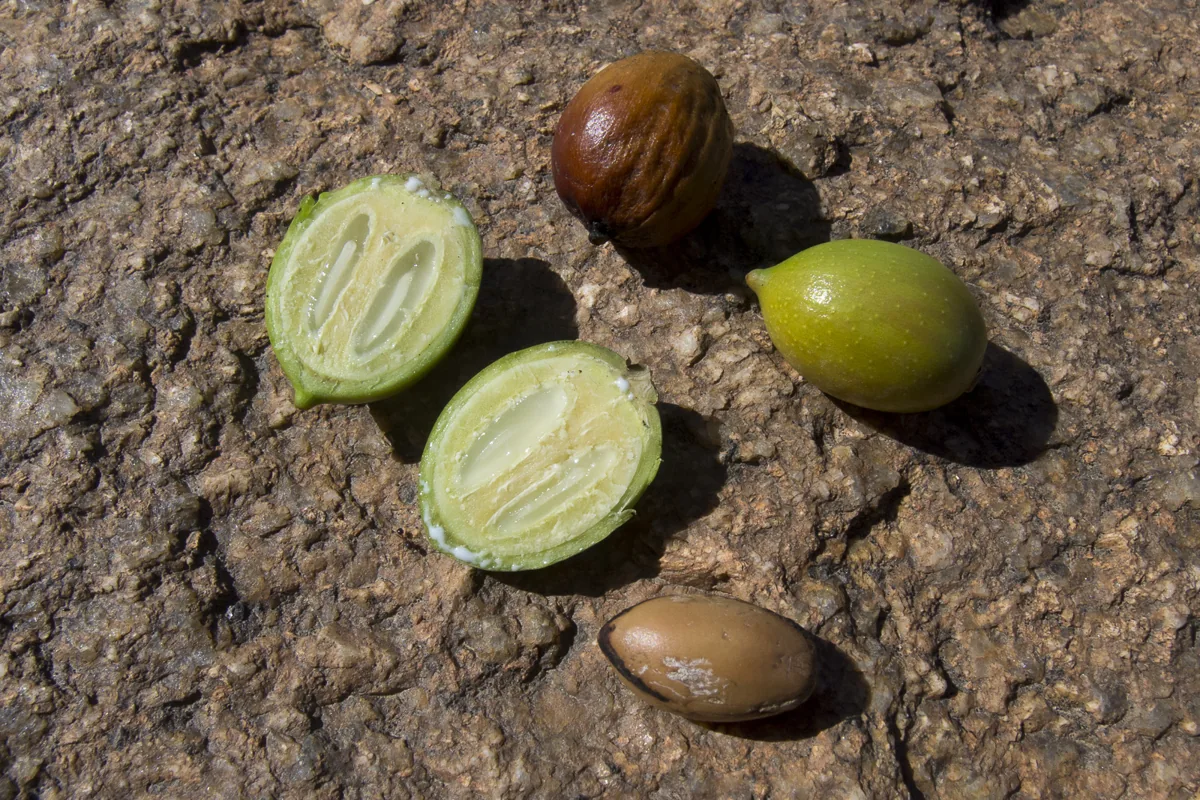
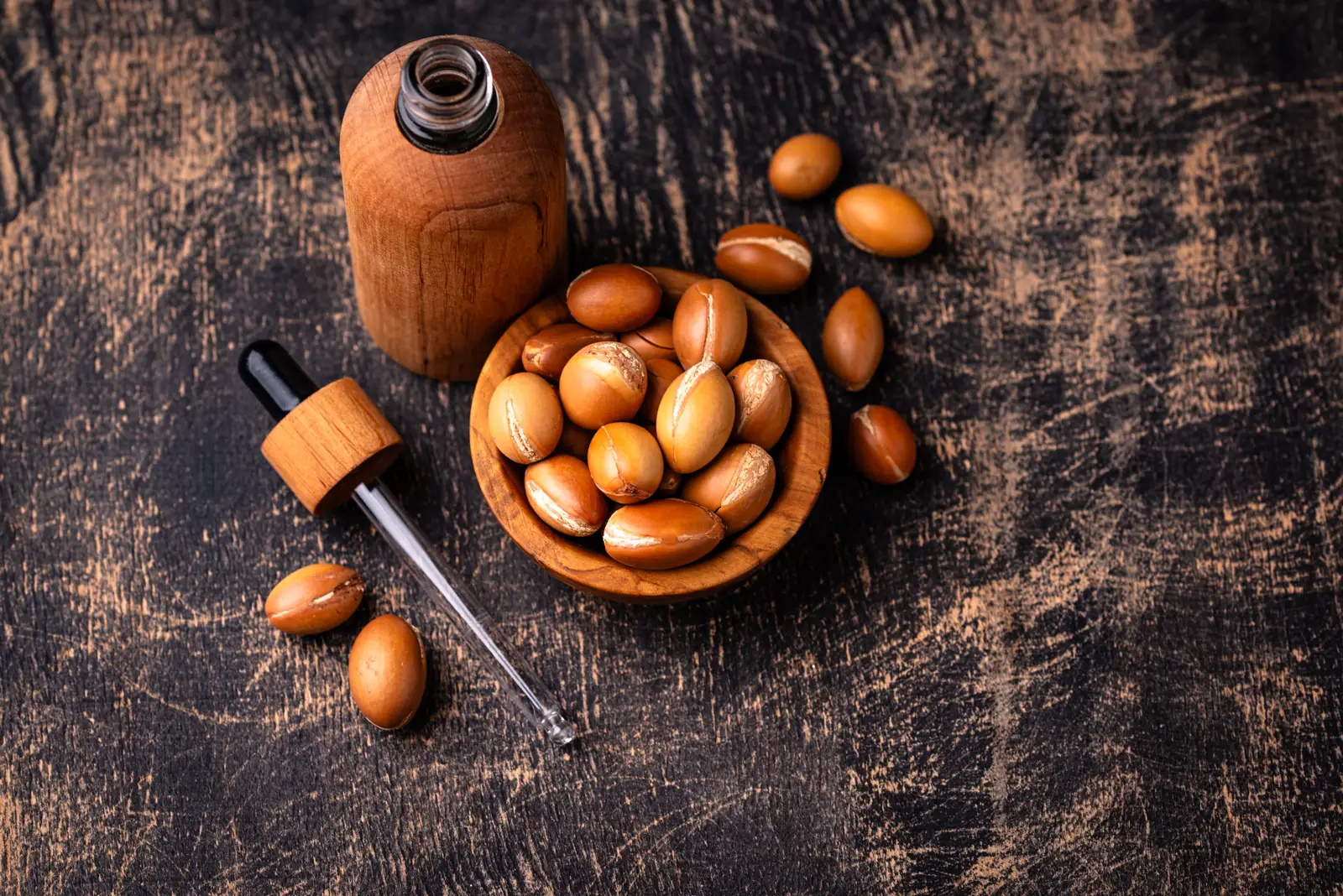
Argan oil is pressed from the kernels of the argan tree, which grows almost only in southwestern Morocco. It is a balanced, medium-weight oil — roughly equal parts oleic and linoleic acid — with generous natural vitamin E (mostly γ-tocopherol) and unusual plant sterols. The evidence is modest: it is a good, stable emollient for dry skin and frizz-prone hair rather than a uniquely powerful anti-aging oil. Its real distinction is cultural and ecological, rooted in Amazigh women’s know-how.
Why people reach for it
- Softens and comforts dry skin. Its balanced fatty-acid profile and sterols help reduce water loss and smooth rough skin without a heavy, greasy finish — a reliable choice in dry-skin routines.
- Tames frizz and adds shine. A few drops on mid-lengths and ends lubricate the cuticle, cut friction and reduce frizz and breakage — the best-understood benefit for dry hair.
- Good stability for a face oil. Natural tocopherols and only moderate polyunsaturated content give argan a longer shelf life than rosehip or prickly pear oil, so it makes a forgiving base for serums.
- Possible support for mature skin. One small, unblinded study in postmenopausal women reported improved elasticity where argan oil was applied — an interesting signal, not proof.
How to use it
| Form | Typical use | Notes |
|---|---|---|
| Face oil or serum | 2–4 drops neat, or 10–50% of an anhydrous serum | Press onto slightly damp skin or over a water-based moisturizer to seal. See Argan & Prickly Pear Night Serum. |
| Hair finishing oil | 2–5 drops on ends; 1–5% in leave-in products | For a pre-wash treatment, apply to lengths 30–60 minutes before shampooing. |
| Creams and lotions | 2–10% of the formula (in the oil phase) | Add tocopherol at 0.1–0.5% to extend shelf life. Use the Formula & Cost Calculator to balance the oil phase. |
| Body oil after the hammam | Neat, a teaspoon for the body | The traditional finish after black soap and rhassoul clay; see Moroccan Hammam Ritual at Home. |
Recipes for Aging & Photoaging with Argan Oil
Daily rituals with Argan Oil
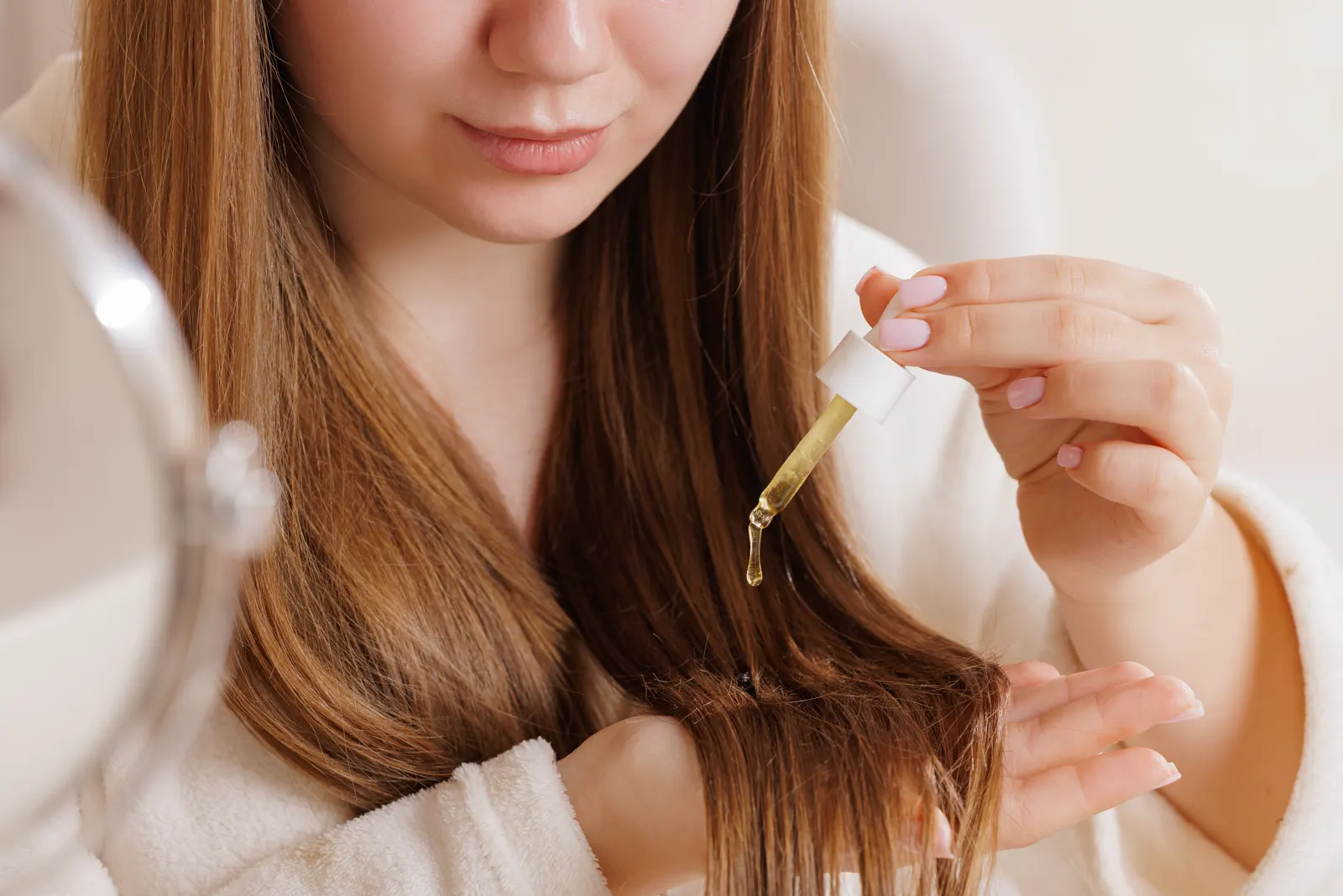 A Touch of Argan for the EndsOne drop of hair-labeled argan oil smoothed over damp ends: a light finishing step with Moroccan roots, not a repair treatment.
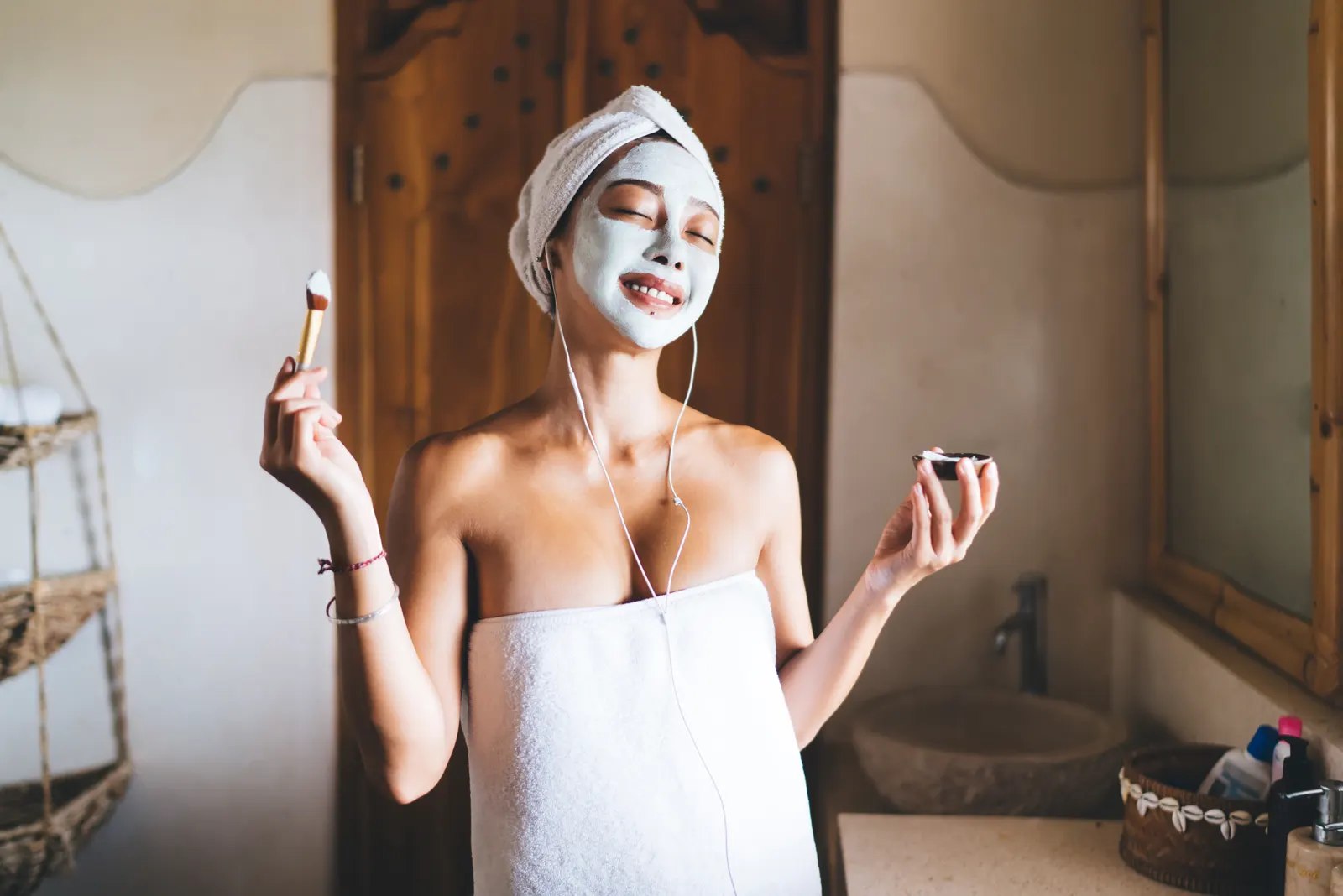 A Weekly Rhassoul Reset for Oily SkinA once-a-week Moroccan rhassoul clay mask for oily and combination skin, with the winter rule that keeps it from over-drying.
Use it safely
- Allergic contact dermatitis to argan oil is uncommon but documented in case reports; patch test if your skin is reactive.
- Argan is a kernel oil; cosmetic oils carry very little protein, but people with severe nut or seed allergies have rarely reacted — ask an allergist if in doubt.
- Roasted (culinary) argan oil smells strongly toasted and is not meant for the face.
- Discard oil that smells sharp, waxy or like old crayons: oxidized oil is more irritating.
Pregnancy and breastfeeding: No specific concerns for topical use in pregnancy or breastfeeding. Skin can become more reactive in pregnancy, so patch test new products.
New to an ingredient? Patch test first.
When to see a doctor
- A new or changing mole or spot, especially using the ABCDE signs (asymmetry, irregular border, uneven color, diameter over 6 mm, evolving).
- Rough, scaly patches on sun-exposed skin that persist (possible actinic keratoses).
- A pearly or shiny bump, a sore that does not heal within 3–4 weeks, or a lesion that bleeds easily.
- Sudden skin thinning, easy bruising or stretch marks that may be medication-related (e.g. long-term steroids).
- If you want prescription retinoids or in-office treatments, or are unsure which actives are safe for you.
Other plants for Aging & Photoaging
| Ingredient | Grade | What the evidence shows |
|---|---|---|
| Bakuchiol | B | A randomized, double-blind trial found 0.5% bakuchiol twice daily comparable to 0.5% retinol for wrinkles and pigmentation over 12 weeks, with less stinging; it is not a true retinoid and is less studied. |
| Green Tea | B | Topical green tea polyphenols reduce UV-induced redness and DNA damage in human skin; trials for wrinkles show mixed, modest results. |
| Centella Asiatica (Cica) | C | Madecassoside and asiaticoside stimulate collagen in the lab; small trials of centella-containing creams showed improved firmness, mostly in combination products. |
| Rosehip Oil | C | Rich in linoleic acid and carotenoids; small studies (mainly of oral rosehip powder) suggest improved skin texture. Topical anti-wrinkle data are thin. |
| Frankincense | C | One small trial of a Boswellia serrata extract cream reported improvement in photoaging signs; needs replication. |
| Sea Buckthorn | D | High in antioxidants and omega-7 (palmitoleic acid), but clinical anti-aging evidence is minimal; unrefined oil stains orange. |