Does it work?
Centella Asiatica (Cica) for Aging & Photoaging
What the research says about centella asiatica (cica) for aging & photoaging, how to use it at home and how to stay safe.
The short answer: Madecassoside and asiaticoside stimulate collagen in the lab; small trials of centella-containing creams showed improved firmness, mostly in combination products.
What it does
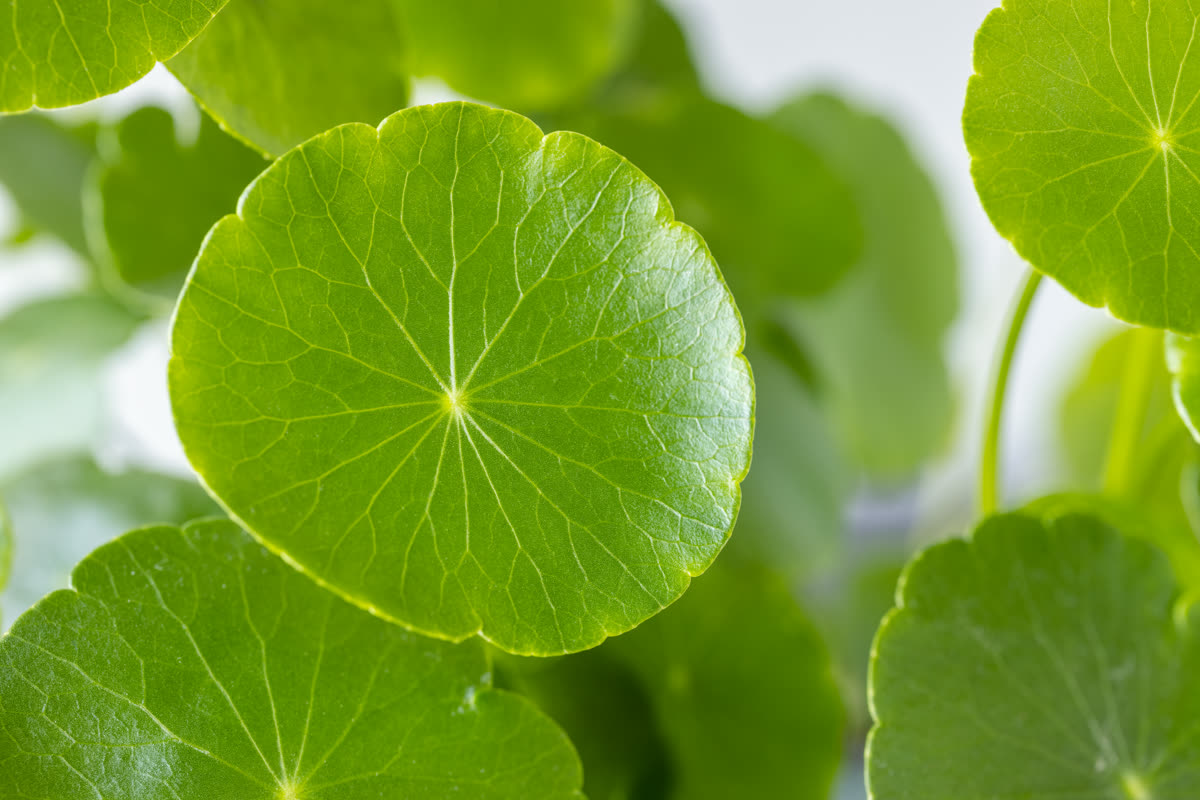
Centella asiatica is the small creeping herb behind “cica” creams. Its four signature triterpenes — madecassoside, asiaticoside, asiatic acid and madecassic acid — stimulate collagen production and calm inflammation in lab studies, and a standardized extract has been used in wound-healing medicines for decades. Human cosmetic trials are small and usually test centella alongside other actives, so think of it as a well-tolerated soothing and repair-supporting ingredient.
Why people reach for it
- Supports skin repair. Centella triterpenes stimulate fibroblasts to make type I and III collagen in lab studies, and a titrated extract has long been used in European and Asian wound-healing creams.
- Calms irritated, reactive skin. Madecassoside reduces inflammatory signaling in skin-cell models, which is why centella is popular in products for skin stressed by retinoids, acids or procedures.
- May support firmer-looking skin. In a small double-blind study, a cream combining vitamin C with madecassoside improved signs of photoaging over six months. The design cannot separate the two ingredients.
- Lightweight and well tolerated. Centella extracts and leaf water suit oily and acne-prone skin as well as dry, and allergic reactions are uncommon.
How to use it
| Form | Typical use | Notes |
|---|---|---|
| Centella extract (standardized) | 0.5–5% in serums, creams and toners | Check the supplier’s triterpene content; higher-standardized extracts need lower use levels. Water-based products need a broad-spectrum preservative. Try it in Green Tea & Centella Soothing Toner. |
| Madecassoside (purified) | 0.1–1% | Water-soluble; add to the water phase or cool-down. Combines well with niacinamide, panthenol and ceramides in barrier-support products. |
| Centella leaf water | Up to 100% of the water phase | A gentle base for toners and essences; much lower in triterpenes than a standardized extract. Preserve as you would water. |
Recipes for Aging & Photoaging with Centella Asiatica (Cica)
Daily rituals with Centella Asiatica (Cica)
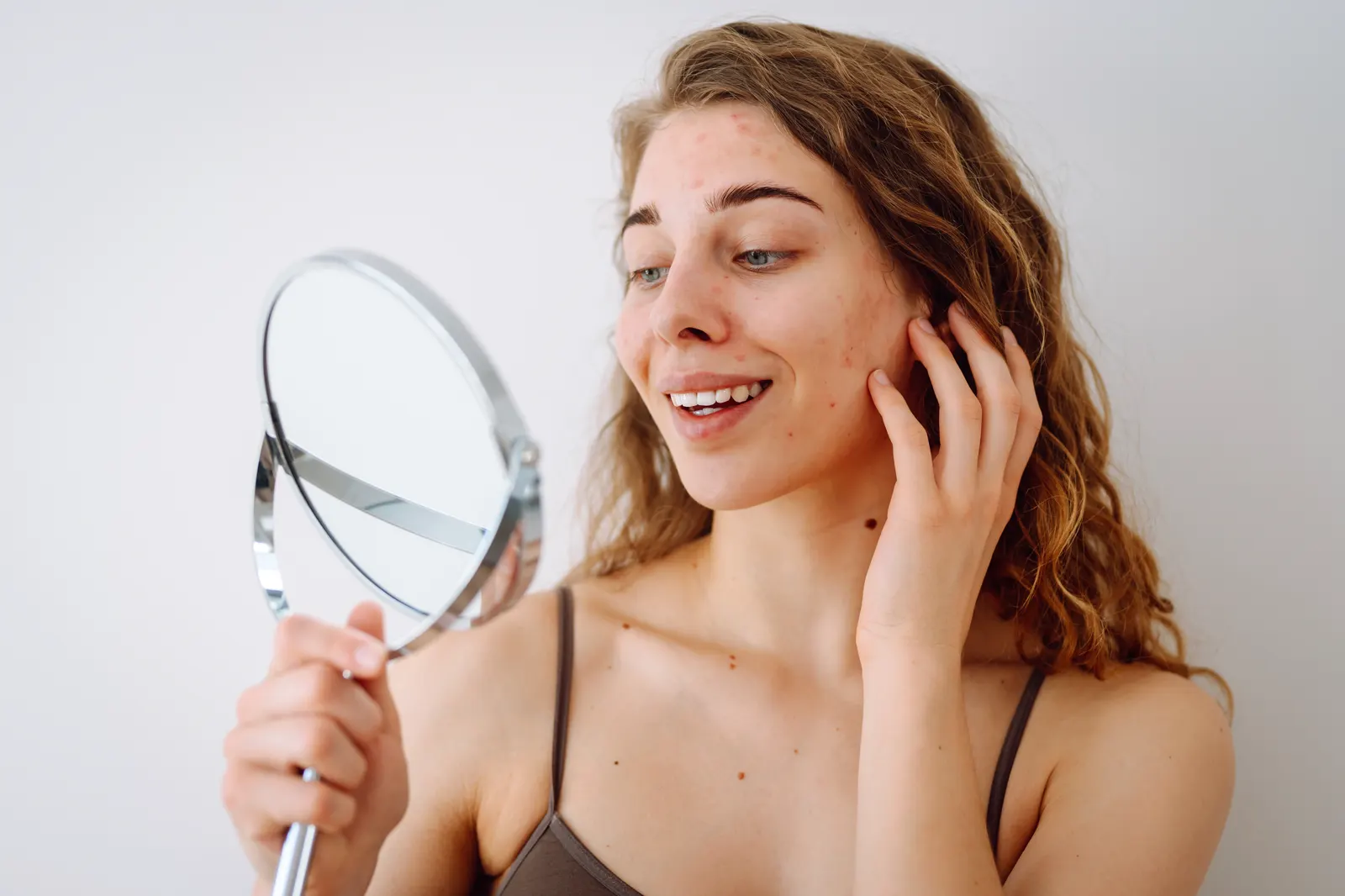 The Two-Minute Barrier CheckTight, stinging, flaky and shiny at once? A two-minute morning check tells you when to pause actives and give your skin barrier a calm week.
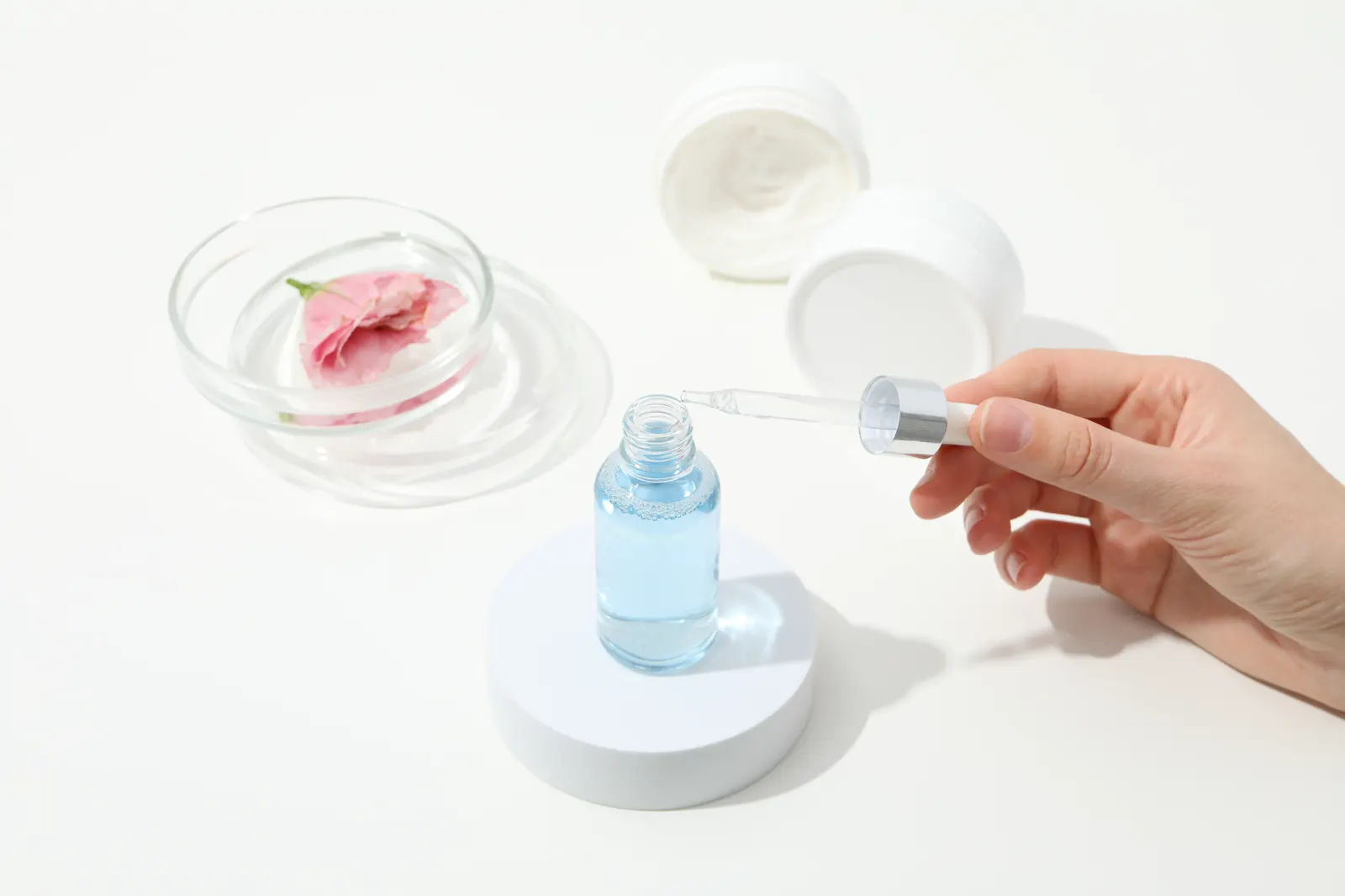 Korean Layering, Kept SimpleThin to thick, press don’t rub: the heart of Korean skincare layering in four calm evening steps, no ten-step shelf required.
Use it safely
- Allergic contact dermatitis to centella is uncommon but has been reported, including from medicated creams. Patch test, especially on compromised skin (How to Patch Test).
- Oral centella (gotu kola) supplements have been linked to rare cases of liver injury. This is not a concern for normal topical use, but avoid concentrated oral products if you have liver disease.
- Cica creams are not a substitute for medical wound care: see a doctor for deep, infected or non-healing wounds, and for burns beyond minor first-degree.
Pregnancy and breastfeeding: Topical centella is considered low risk in pregnancy and is a traditional stretch-mark ingredient. Oral supplements are not recommended because safety data are lacking.
New to an ingredient? Patch test first.
When to see a doctor
- A new or changing mole or spot, especially using the ABCDE signs (asymmetry, irregular border, uneven color, diameter over 6 mm, evolving).
- Rough, scaly patches on sun-exposed skin that persist (possible actinic keratoses).
- A pearly or shiny bump, a sore that does not heal within 3–4 weeks, or a lesion that bleeds easily.
- Sudden skin thinning, easy bruising or stretch marks that may be medication-related (e.g. long-term steroids).
- If you want prescription retinoids or in-office treatments, or are unsure which actives are safe for you.
Other plants for Aging & Photoaging
| Ingredient | Grade | What the evidence shows |
|---|---|---|
| Bakuchiol | B | A randomized, double-blind trial found 0.5% bakuchiol twice daily comparable to 0.5% retinol for wrinkles and pigmentation over 12 weeks, with less stinging; it is not a true retinoid and is less studied. |
| Green Tea | B | Topical green tea polyphenols reduce UV-induced redness and DNA damage in human skin; trials for wrinkles show mixed, modest results. |
| Argan Oil | C | A small study in postmenopausal women found improved elasticity with argan oil (oral and topical arms); useful as an emollient. |
| Rosehip Oil | C | Rich in linoleic acid and carotenoids; small studies (mainly of oral rosehip powder) suggest improved skin texture. Topical anti-wrinkle data are thin. |
| Frankincense | C | One small trial of a Boswellia serrata extract cream reported improvement in photoaging signs; needs replication. |
| Sea Buckthorn | D | High in antioxidants and omega-7 (palmitoleic acid), but clinical anti-aging evidence is minimal; unrefined oil stains orange. |