Does it work?
Rice Bran for Dry & Dehydrated Skin
Rooted in Japan’s nuka tradition, rice bran oil is a light, gentle oil that softens skin and melts away makeup and sunscreen.
The short answer: Two small human formulation studies (one with no vehicle control) plus cell and chemistry data; nothing yet shows that plain rice bran oil, rice water or a ferment visibly changes skin.
Our Dry & Dehydrated Skin guide does not rank Rice Bran for this use yet, so this is the overall grade for Rice Bran.
What Rice Bran can do for Dry & Dehydrated Skin
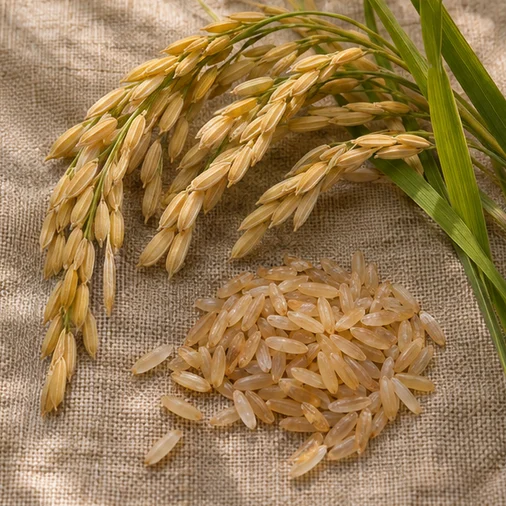
Rice bran is the brown outer layer polished off grains to make white rice, and it gives cosmetics several quite different ingredients: a light, golden oil, a hard wax, water-based extracts, and purified constituents such as ferulic acid, phytic acid and γ-oryzanol. The oil is a pleasant, fairly stable, medium-weight emollient that suits most skin types and is a classic base for Japanese-style cleansing oils. Claims about brightening and anti-aging rest mostly on laboratory data and a couple of small formulation studies, so treat rice bran as a good supporting ingredient rather than a treatment.
Why people reach for it
- A light, comfortable emollient. Rice bran oil softens and smooths dry skin with a less greasy finish than olive or avocado oil, which makes it a sensible everyday oil for dry and normal skin.
- More stable than many face oils. A moderate share of saturated fat plus natural γ-oryzanol and tocotrienols make the oil slower to go rancid than very linoleic-rich oils such as rosehip oil.
- Rinses clean in cleansing oils. Its fluid, non-tacky texture is why rice bran oil is a traditional base in Japanese cleansing oils and balms that lift sunscreen and makeup.
- Source of formulation antioxidants. Rice bran is a commercial source of ferulic acid and phytic acid. Ferulic acid helps stabilize vitamin C and E serums; phytic acid is used as a gentle chelator that protects formulas from metal-driven spoilage.
- Hair slip and shine. A few drops of the oil on lengths reduce friction and frizz — a cosmetic, surface effect for dry hair, not a growth effect.
How to use it
Try it today
A gentle evening oil cleanse
- With dry hands, massage a teaspoon of rice bran oil over dry skin to loosen makeup and sunscreen.
- Wipe it away with a soft cloth wrung out in warm water.
- Follow with your usual gentle cleanser if your skin feels oily or is prone to clogged pores.
| Form | Typical use | Notes |
|---|---|---|
| Face, body or hair oil | 2–4 drops neat on the face; 10–100% of a body or face-oil blend; 1–5% in leave-in hair products | Press onto slightly damp skin or over a water-based moisturizer. Introduce on its own for two to three weeks if you are prone to clogged pores. |
| Cleansing oil or balm | 30–80% of the oil phase | A good alternative to sunflower oil in a cleansing balm; add 0.1–0.5% tocopherol to protect the blend. Check the formula with the Formula & Cost Calculator. |
| Creams, lotions and lip products | Oil 2–15% of a formula; bran wax 1–10% in balms and sticks | Rice bran wax is a hard, high-melting plant wax used as a beeswax or carnauba alternative; melt it fully and adjust hardness in small steps. |
| Isolated actives and extracts | Ferulic acid 0.5–1% (usually with vitamins C and E); phytic acid or sodium phytate about 0.05–0.2% as a chelator; extracts and ferment filtrates per the supplier’s specification | Low-pH vitamin C–ferulic serums can sting, mostly because of the acidity. Water-based extracts and ferments need a full preservative system — see DIY Safety: Water, Microbes & Preservatives. |
Daily rituals with Rice Bran
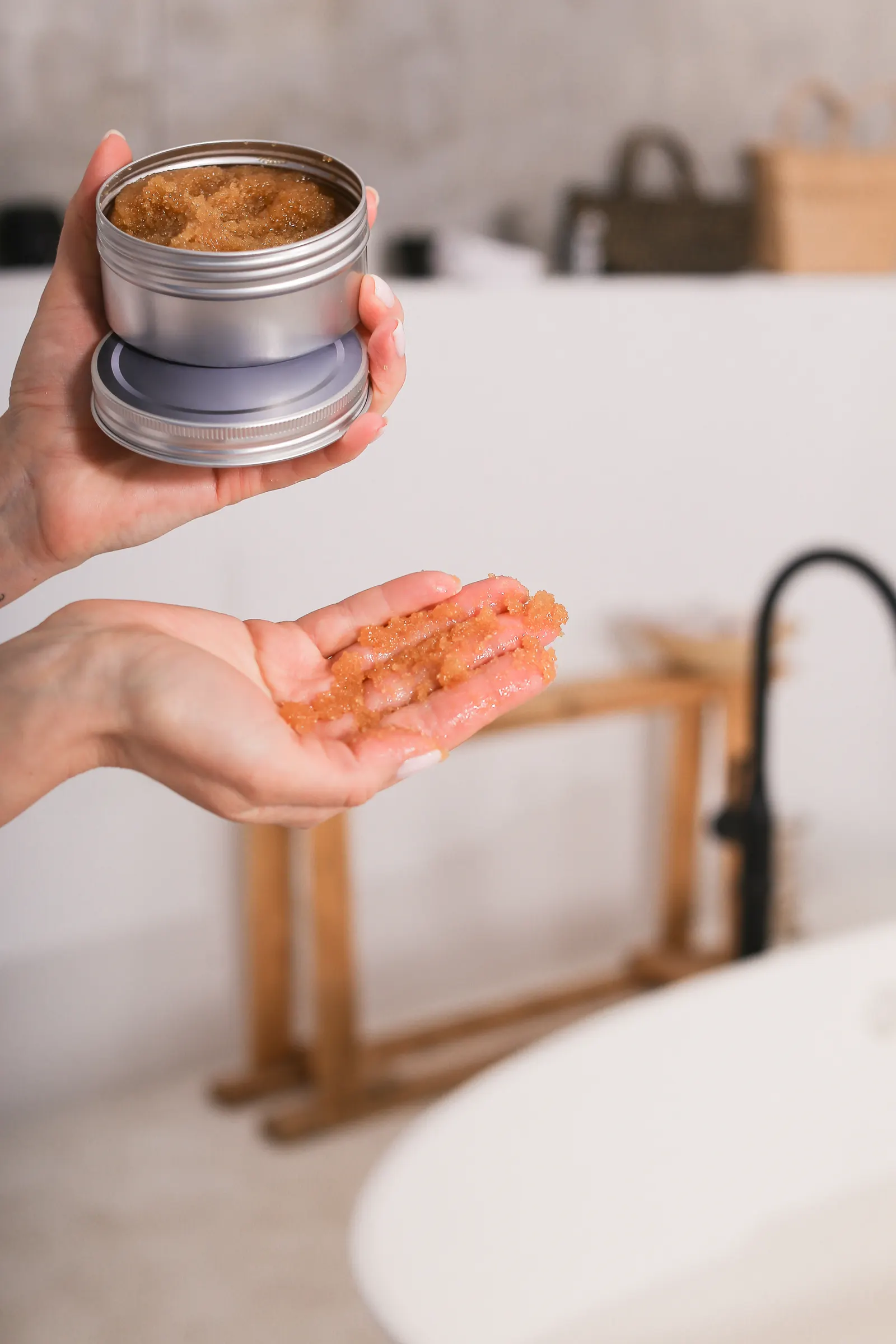 The Halloween Double Cleanse with an Oil BalmFace paint, long-wear makeup or sunscreen? An oil cleansing balm then a gentle second cleanse lifts it all without scrubbing or stripping.
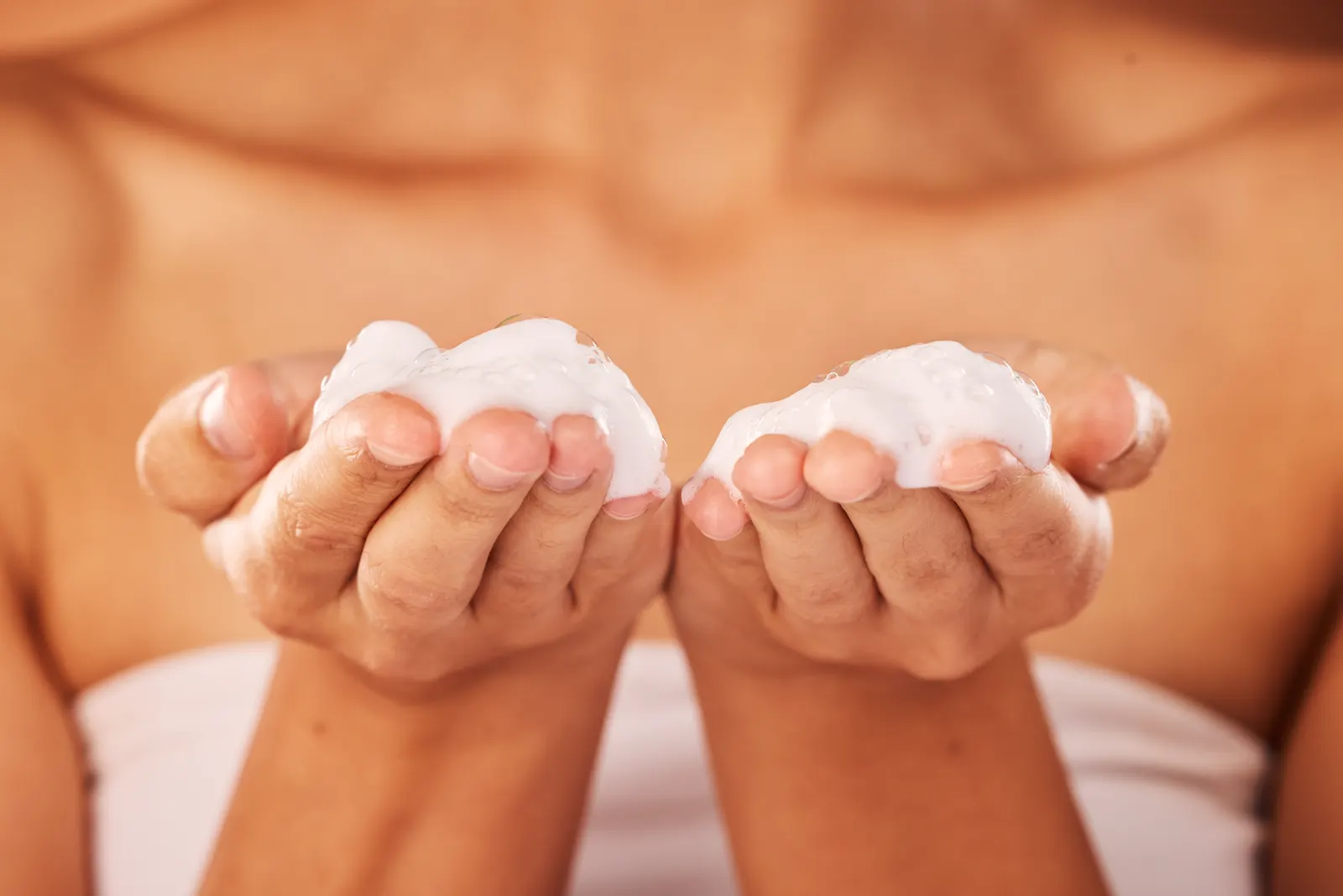 The Japanese Foam Wash: Let the Bubbles Do the WorkWhip a little cleanser into dense, springy foam and wash without rubbing. A Japanese habit that makes everyday cleansing gentler on skin.
Use it safely
- Rice bran oil and its derivatives are generally very well tolerated; allergic contact reactions are rare. Patch test new leave-on products if your skin reacts easily, and stop if irritation develops.
- If you have a known rice allergy, seek individual advice before using rice-derived products, especially less refined extracts and powders that carry more protein.
- Arsenic is a dietary issue: paddy rice takes up inorganic arsenic from flooded soils and the bran concentrates it, which is why food regulators set limits for rice products and advise caution with rice bran supplements and rice-based foods for small children. Inorganic arsenic is water-soluble rather than fat-soluble, so refined oil carries very little, and absorption through intact skin is low. Buy cosmetic-grade materials from suppliers who test for heavy metals, and do not eat raw cosmetic bran.
- Homemade rice water contains no preservative and spoils quickly, especially when fermented. Use it fresh, keep it out of the eyes and off broken skin, and discard anything that smells sour-rotten or looks slimy.
- Oxidized oil is more irritating: discard oil that smells sharp, paint-like or crayon-like.
Pregnancy and breastfeeding: No specific concerns for topical rice bran oil, wax or extracts in pregnancy or breastfeeding. Skin can become more reactive in pregnancy, so patch test new products; see Skincare in Pregnancy & Breastfeeding.
New to an ingredient? Patch test first.
When to see a doctor
- Dryness with intense itch that disturbs sleep, or red, inflamed patches (possible eczema or another dermatitis).
- Cracked, bleeding or weeping skin, or signs of infection (pain, warmth, yellow crusts, pus).
- Fish-scale-like dryness present since childhood (possible ichthyosis).
- New, persistent dryness with fatigue, weight change, feeling cold or hair thinning (thyroid), or with excessive thirst and urination (diabetes).
- Severe dryness in older adults with widespread itch that does not respond to moisturizers.
Other plants for Dry & Dehydrated Skin
| Ingredient | Grade | What the evidence shows |
|---|---|---|
| Colloidal Oatmeal | B | Multiple clinical studies show colloidal oatmeal creams and baths reduce dryness, scaling and itch; it is an approved skin protectant in the US. |
| Sunflower Oil | B | Linoleic-rich sunflower seed oil preserved stratum corneum integrity and improved hydration in a comparative study with olive oil, and supports barrier function in neonatal studies. |
| Coconut Oil | B | A randomized trial found virgin coconut oil as effective and safe as mineral oil for mild to moderate xerosis of the legs. |
| Shea Butter | C | Rich emollient and mild occlusive with anti-inflammatory triterpene esters; small studies of shea-containing creams support hydration. |
| Squalane | C | A skin-identical, stable, lightweight emollient that reduces roughness; excellent tolerability but limited trial data on its own. |
| Jojoba | C | A liquid wax ester that resembles skin’s own wax esters; small studies support barrier repair and softness. |
| Aloe Vera | C | A humectant gel that improved skin hydration in small studies; on its own it is not enough for very dry skin and needs an emollient on top. |
| Marshmallow Root | D | Mucilage polysaccharides form a soothing, humectant film; evidence is traditional and lab-based. |