· Traditions · 3 min
The Japanese Foam Wash: Let the Bubbles Do the Work
Whip a little cleanser into dense, springy foam and wash without rubbing. A Japanese habit that makes everyday cleansing gentler on skin.
- Time
- 3 min
- Evidence
- CPromising
- Time
- 3 min
- Evidence
- CPromising
You’ll need
- A foaming cleanser (cream, bar or gel)
- A foaming net, a small mesh pouch sold cheaply in Asian supermarkets and online
- Lukewarm water
- A clean, soft towel
Promising: Reducing friction and over-cleansing is established barrier advice; the foam-net method itself has not been studied.
Formulator’s tip
Use less water than you think. Too much gives big, loose bubbles that collapse; patience and a few drops at a time give the dense foam you want.
Step by step
- Wet the net and add a pea-sized amount of cleanser.
- Rub the net between your hands for 20–30 seconds, adding a few drops of water at a time, until you have a fist-sized cloud of fine, dense foam.
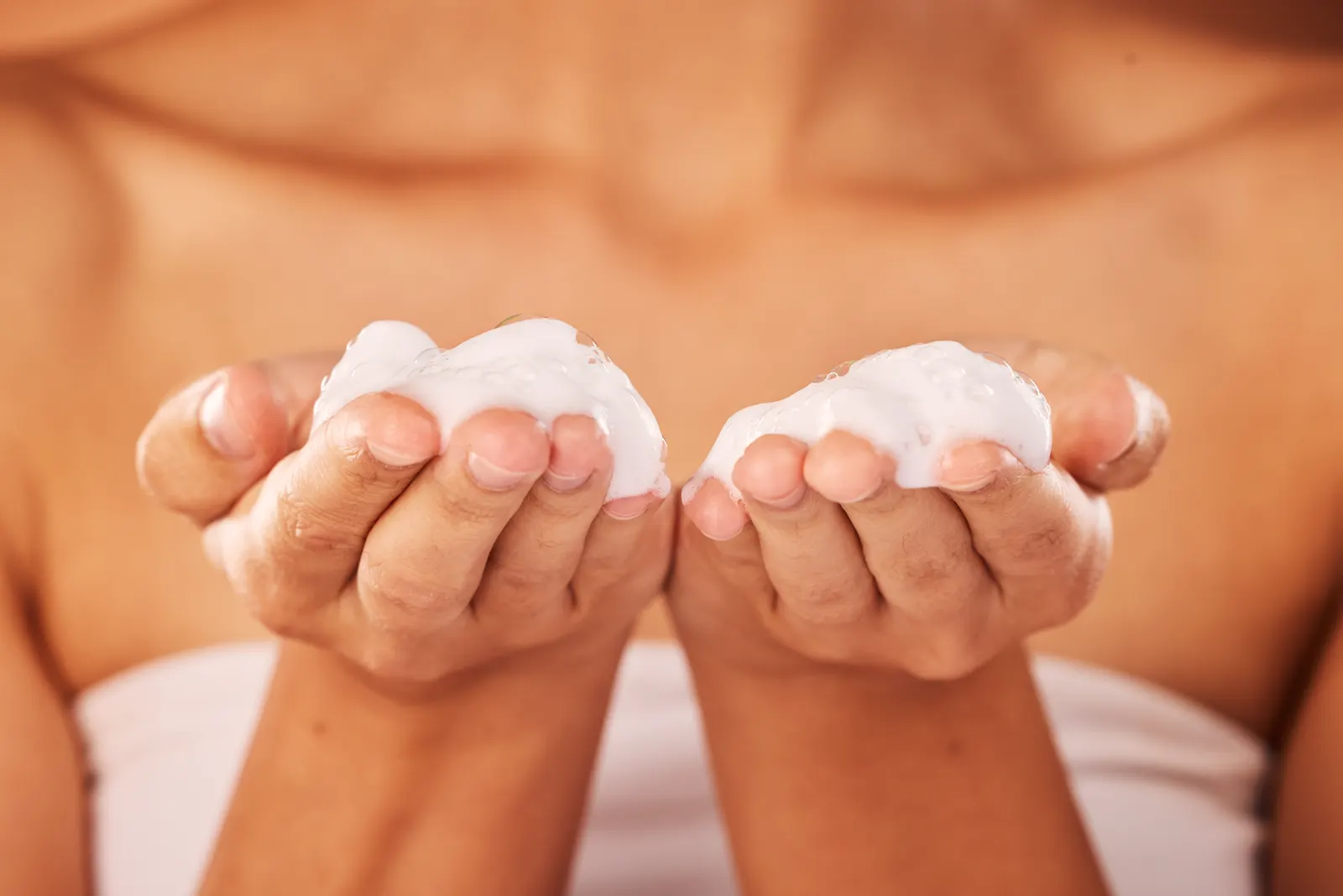
- Squeeze the foam off the net into your palm. It should hold its shape when you tilt your hand.
- Place the foam on your face and roll it gently over the skin, fingertips barely touching. The foam, not your fingers, should meet the skin.
- Rinse with plenty of lukewarm splashes until no slip remains, including at the hairline and jaw.
- Pat dry by pressing the towel to your face. Rinse the net, squeeze it out and hang it to dry.
Why it works
Friction is one of the quiet causes of irritation, and dense foam acts as a cushion between your fingers and your face. Fine bubbles also spread a small amount of cleanser widely, so you use less. That makes the method especially pleasant for sensitive or easily flushed skin. It hasn’t been formally studied, but it follows sound barrier logic (The Skin Barrier, Explained).
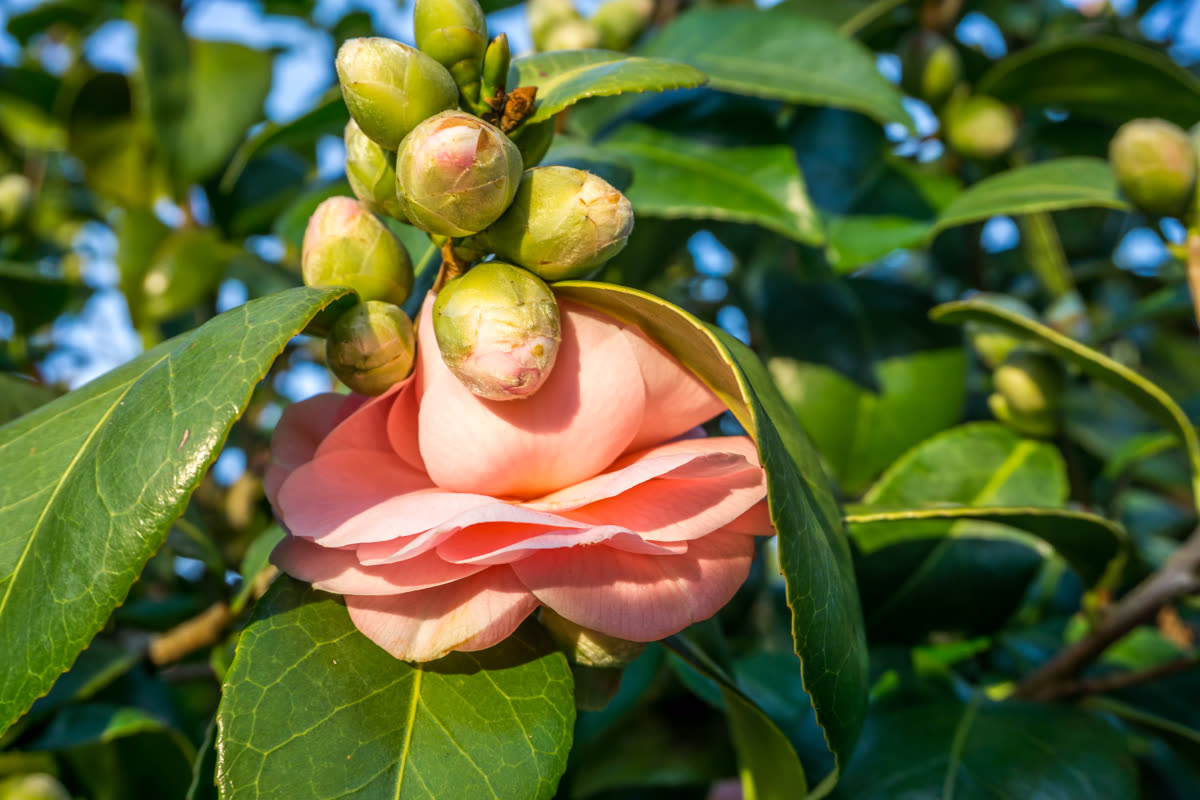
It also fits Japan’s wider cleansing culture. In the evening, many people first melt off makeup and sunscreen with a cleansing oil, traditionally camellia oil (Tsubaki oil), then follow with the foam: the double cleanse, long before it had that name. Cleansers with rice bran echo an even older habit.
Where it comes from
Gentle, unhurried washing has long been central to Japanese skincare, from Edo-period rice-bran bags to the foaming nets sold in almost every drugstore today.
Enjoy it safely
- A damp net can harbor bacteria: rinse it well, let it dry fully between uses and replace it every month or two.
- Keep foam out of your eyes and rinse thoroughly; leftover cleanser can irritate.
- If your skin feels tight after washing, the cleanser is too strong for you; switch to a milder one rather than using less foam.
Ingredients in this ritual
 No. 066
Camellia Oil (Tsubaki Oil)Camellia japonica L.; Camellia oleifera C.AbelThe silky secret of Japanese hair care for centuries: a few drops for glossy, smooth lengths.
 No. 043
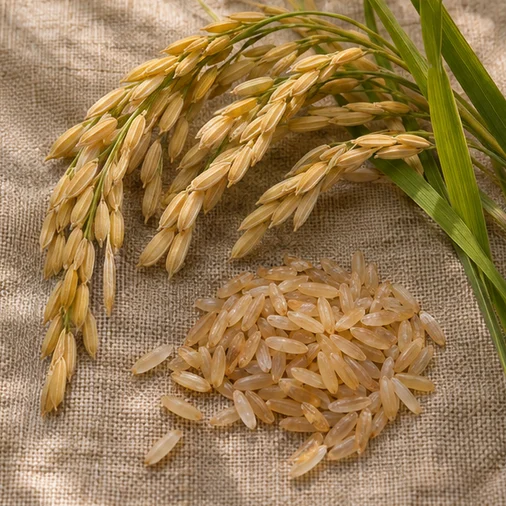
Rice BranOryza sativa L.Rooted in Japan’s nuka tradition, rice bran oil is a light, gentle oil that softens skin and melts away makeup and sunscreen.
Go further
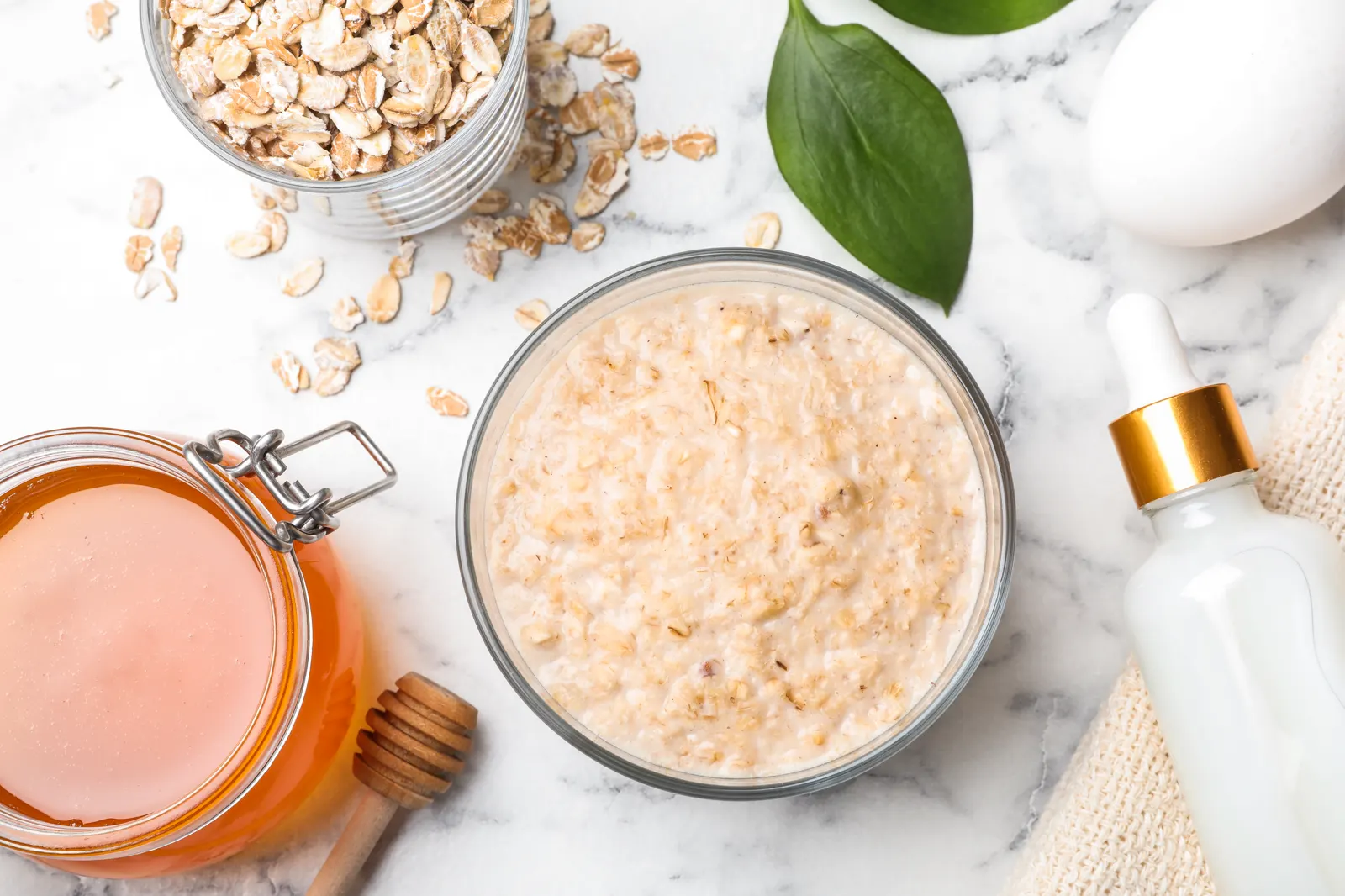 Cleanser · BeginnerHoney & Oat Gentle CleanserA no-foam, single-use cleansing paste of raw honey, colloidal oatmeal, rose water and jojoba for dry or sensitive skin that hates feeling squeaky.
TraditionThe East Asian ShelfGreen tea, camellia oil, rice, yuzu baths, ginseng and centella: the plants behind Chinese, Japanese and Korean beauty, and the gentle art of layering.
 The Halloween Double Cleanse with an Oil BalmFace paint, long-wear makeup or sunscreen? An oil cleansing balm then a gentle second cleanse lifts it all without scrubbing or stripping.
ConcernSensitive Skin & RednessStinging, burning or flushing? How sensitive skin differs from rosacea and allergy, the botanicals that soothe, and the ones that often cause trouble.