Does it work?
Marshmallow Root for Sensitive Skin & Redness
What the research says about marshmallow root for sensitive skin & redness, how to use it at home and how to stay safe.
The short answer: Film-forming and humectant properties are plausible and lab studies show effects on skin cells, but there are no meaningful human trials of topical use.
Our Sensitive Skin & Redness guide does not rank Marshmallow Root for this use yet, so this is the overall grade for Marshmallow Root.
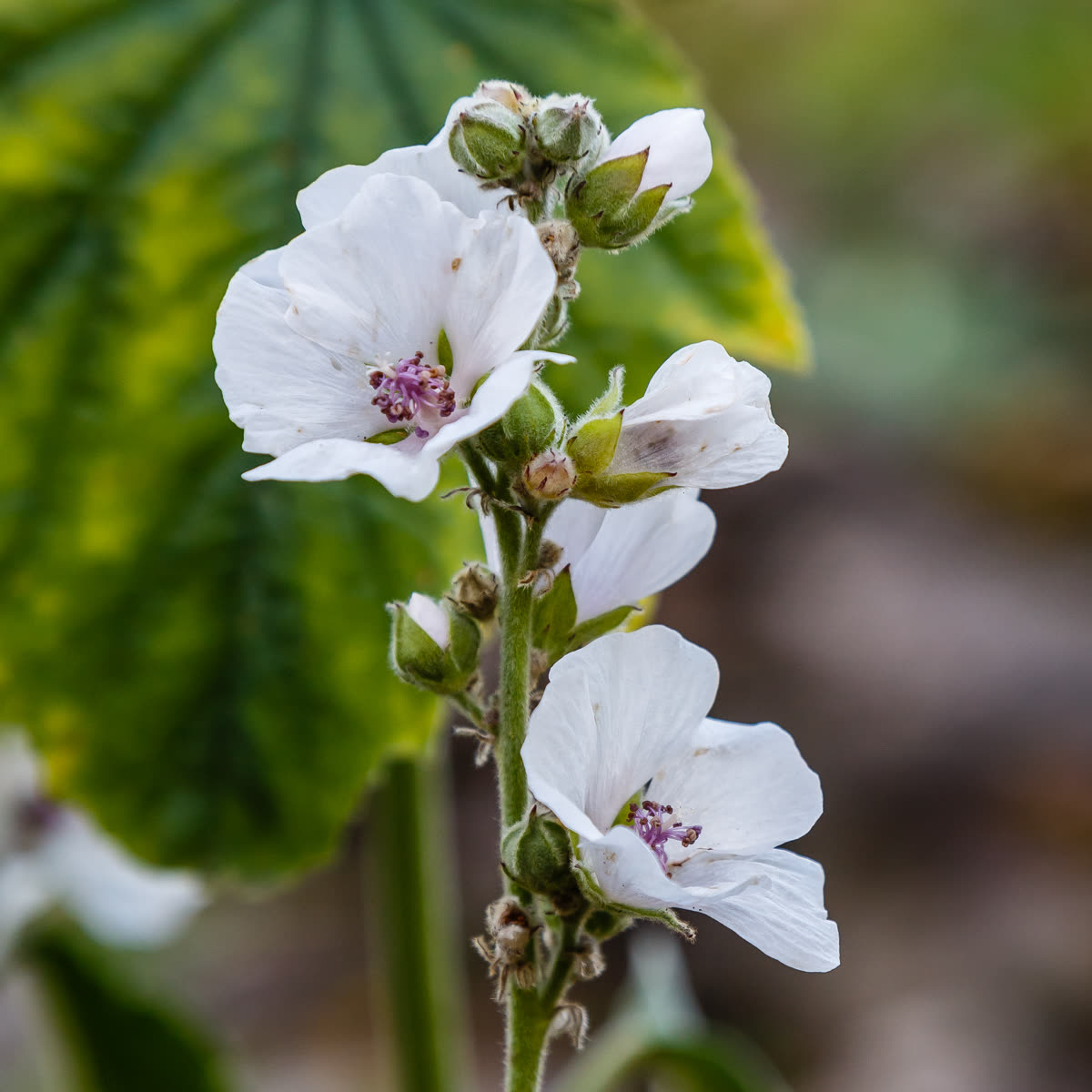
What it does
Soak marshmallow root in cool water and it turns slippery: that mucilage is the whole point. On skin it forms a light, moisture-holding film that soothes, and on hair it adds “slip” for detangling, which is why it is a favorite of curly-hair routines. It is one of the gentlest botanicals there is, though its benefits are supported by chemistry and lab studies rather than clinical trials.
Why people reach for it
- Soothing, hydrating film. Mucilage polysaccharides bind water and leave a soft film that reduces the feel of tightness on dry or irritated skin.
- Slip for detangling. A cold-water extract makes hair slippery, helping combs and fingers glide through curls with less breakage. See Dry, Damaged & Frizzy Hair.
- Gentle enough for reactive skin. Allergy is very rare, making it a good base for products for Sensitive Skin & Redness.
- Supports skin cells (lab data). Root extracts and polysaccharides stimulated keratinocyte activity in vitro, consistent with its traditional use on irritated skin and mucous membranes.
How to use it
| Form | Typical use | Notes |
|---|---|---|
| Cold-water macerate (hair slip rinse) | 2–5 g cut root per 250 ml cool water, steeped 4–12 h in the fridge | Strain, use the same day as a detangling rinse or leave-in base, and discard leftovers: mucilage spoils quickly. |
| Extract or glycerite in creams, gels and toners | 1–5% (per supplier) | Any water-based product needs a broad-spectrum preservative; see DIY Safety: Water, Microbes & Preservatives. |
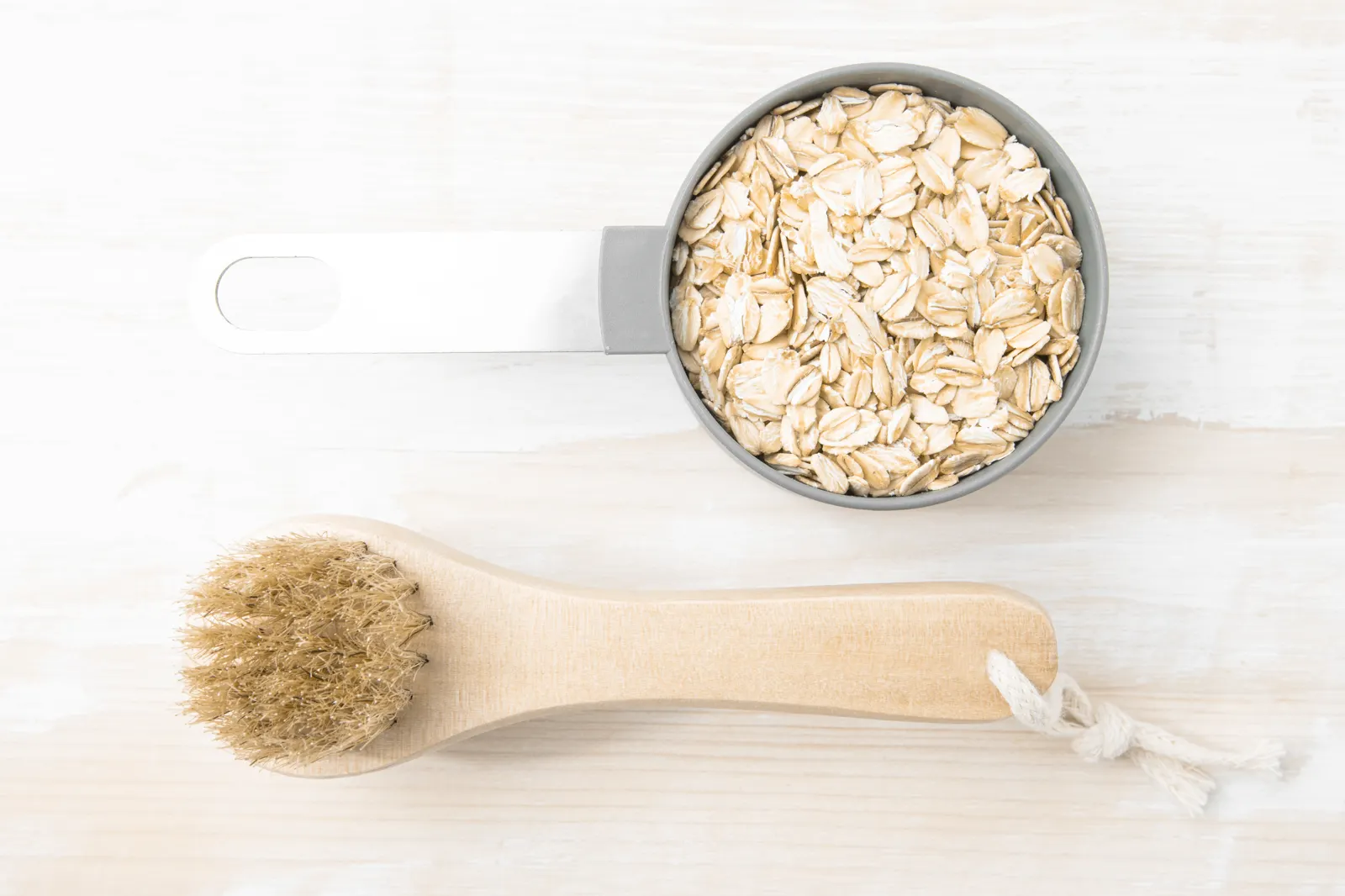
| Root powder in masks | 5–15% of a clay or oat mask | Adds slip and softness to colloidal oatmeal or clay masks; mix fresh. |
Recipes for Sensitive Skin & Redness with Marshmallow Root
Use it safely
- Very well tolerated topically; allergy is rare but possible, so patch test if you have many plant allergies.
- Water-based homemade infusions grow microbes within a day or two at room temperature: make fresh or preserve properly.
- When taken orally, mucilage can slow absorption of other medicines; this does not apply to topical use.
Pregnancy and breastfeeding: Topical use is considered low-risk; there are no specific safety studies in pregnancy.
New to an ingredient? Patch test first.
When to see a doctor
- Swelling of the lips, eyelids, tongue or throat, or difficulty breathing after using a product — this is an emergency.
- Persistent facial redness, visible vessels, flushing or bumps (possible rosacea), or burning, gritty, red eyes with facial redness (ocular rosacea).
- An itchy rash that spreads beyond where a product was applied or appears 1–3 days later (possible allergic contact dermatitis — ask about patch testing).
- A butterfly-shaped rash across the cheeks with joint pain, fatigue or sun sensitivity.
- Redness or stinging that continues despite a stripped-back routine for 4–6 weeks.
Other plants for Sensitive Skin & Redness
| Ingredient | Grade | What the evidence shows |
|---|---|---|
| Colloidal Oatmeal | B | Avenanthramides are anti-inflammatory and anti-itch; clinical studies support oatmeal products for irritated, itchy and reactive skin. |
| Licorice Root | B | Several small, mostly manufacturer-funded trials of licochalcone A products reduced facial redness, including in mild rosacea. |
| Centella Asiatica (Cica) | C | Madecassoside and asiaticoside reduce inflammation and support barrier repair in the lab; small human studies of centella creams show improved redness and comfort. |
| Green Tea | C | EGCG is anti-inflammatory and reduces UV-induced redness; a small trial suggested benefit in papulopustular rosacea. |
| Aloe Vera | C | Soothing and cooling with small supportive studies; choose stabilized gels without alcohol or fragrance, as some products irritate. |
| Chamomile | C | Bisabolol and chamazulene are anti-inflammatory, but chamomile is in the daisy family and can cause allergy in sensitized people. |