Does it work?
Castor Oil for Dry, Damaged & Frizzy Hair
Thick, glossy and wonderfully cushiony, castor oil is the secret behind shiny lip balms and a sleek finish on dry ends.
The short answer: Excellent formulation properties, but no controlled human trials for cosmetic benefits such as hair or lash growth; mechanistic data only.
Our Dry, Damaged & Frizzy Hair guide does not rank Castor Oil for this use yet, so this is the overall grade for Castor Oil.
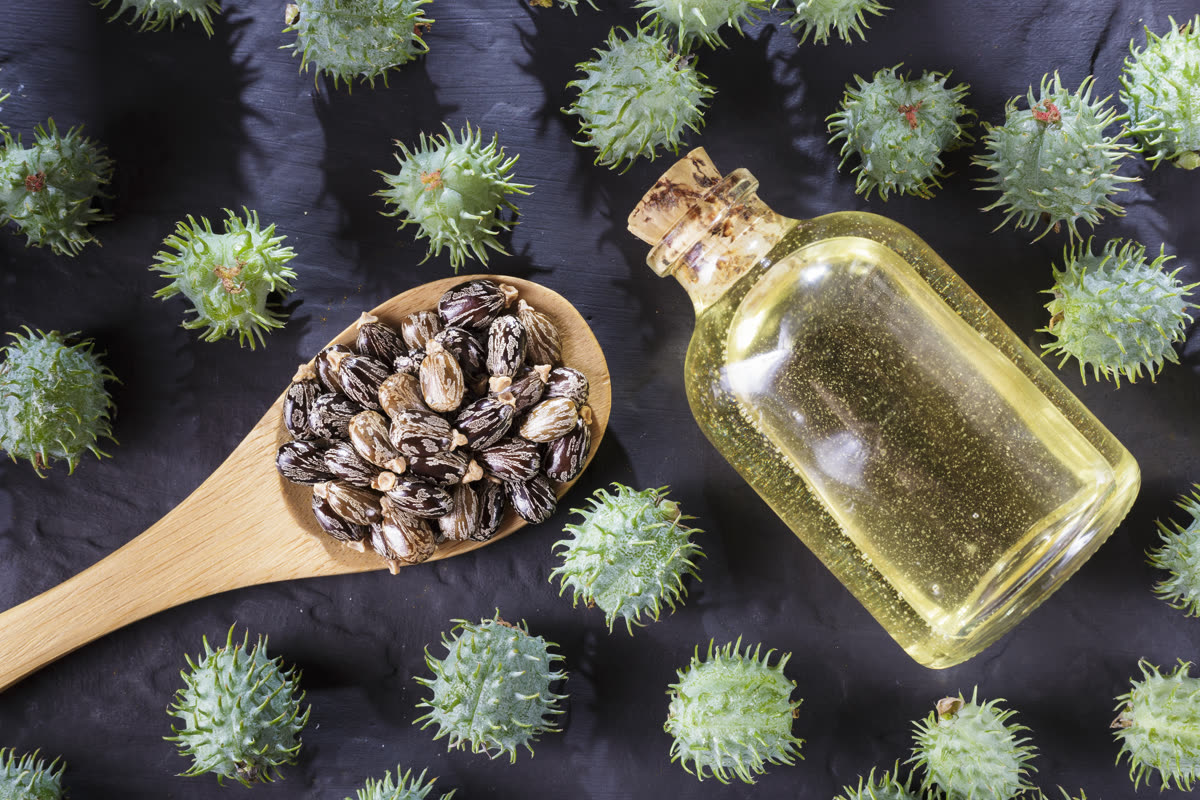
What Castor Oil can do for Dry, Damaged & Frizzy Hair
Castor oil is pressed from the seeds of the castor plant and is unlike any other common oil: almost all of it is ricinoleic acid, a fatty acid carrying a hydroxyl group that makes the oil thick, glossy and able to dissolve pigments. It is a superb cosmetic ingredient for lipsticks, balms and hair shine, but the popular claim that it makes hair, brows or lashes grow has no clinical evidence.
Why people reach for it
- Gloss and cushion in lip products. High viscosity and polarity give shine, wet pigments well and help lipsticks and balms glide.
- Hair shine and smoothing. A drop or two on ends coats the cuticle and adds gloss to dry hair, reducing visible frizz.
- Rich occlusive for very dry patches. A small amount in balms seals dry cuticles, heels and lips.
- Useful derivatives. Hydrogenated castor oil (castor wax) structures balms; PEG-40 hydrogenated castor oil solubilizes essential oils in water; zinc ricinoleate absorbs odor in deodorants.
How to use it
Try it today
A glossy finish for dry ends
- In your palm, mix 1–3 drops of castor oil with a few drops of a lighter oil such as jojoba.
- Smooth it over the ends of dry hair, section by section, then comb gently.
- Use only a little, and avoid piling your hair up while it is oiled.
| Form | Typical use | Notes |
|---|---|---|
| Lip balm and lipstick | 10–40% of the formula | Adds gloss and helps disperse mineral pigments. |
| Hair finishing | 1–3 drops on ends, or 5–20% of a hair-oil blend | Dilute with lighter oils such as jojoba; apply in sections and comb gently to avoid tangling. |
| Oil cleansing | 10–30% of a cleansing-oil blend | Cleans well but is drying at high levels; do not use neat on the face. |
| Balms | 5–15% of an anhydrous balm | Adds cushion and slip; hydrogenated castor oil (castor wax) at 2–10% adds firmness. |
Recipes with Castor Oil
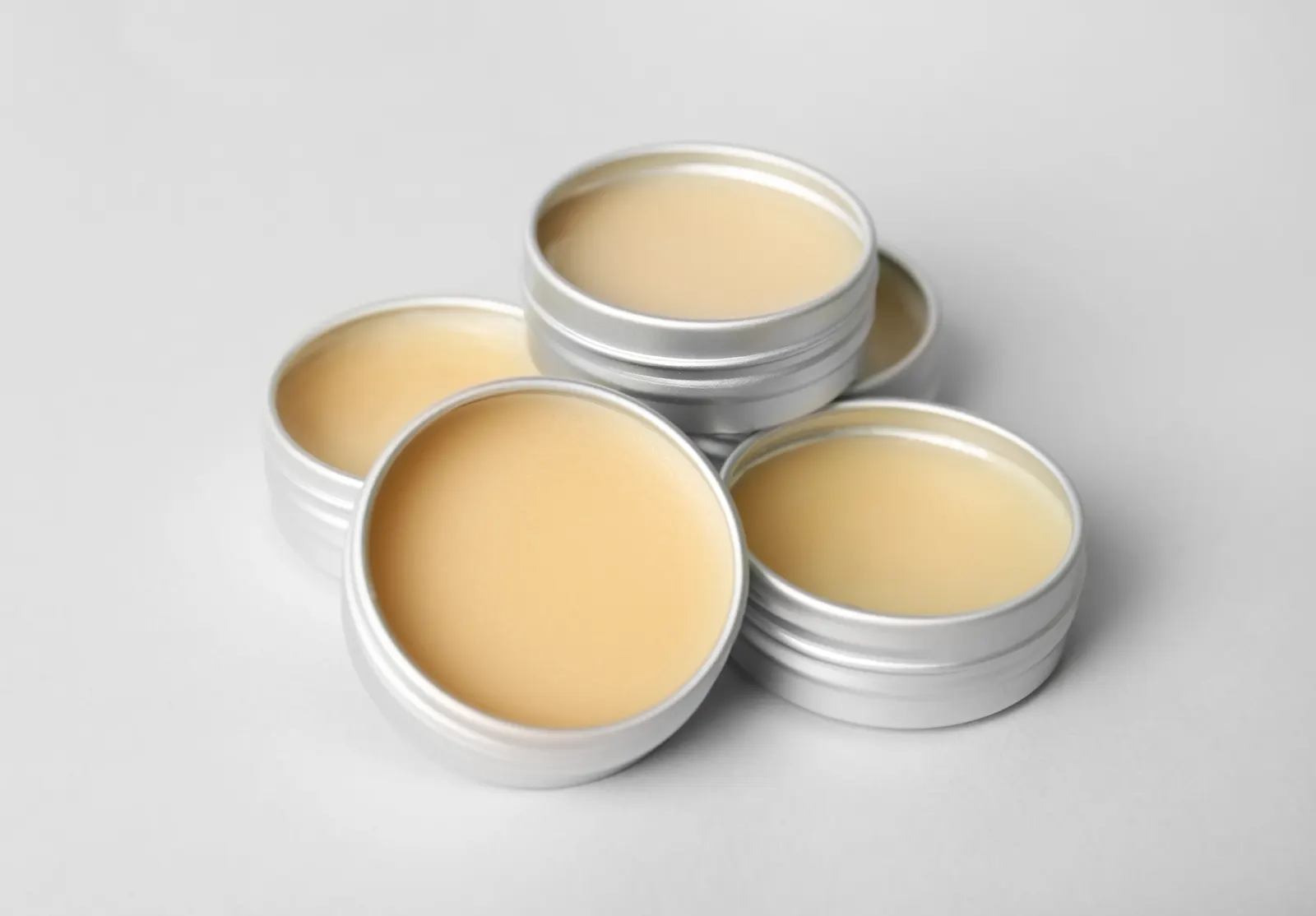 Lip care · BeginnerShea & Calendula Lip BalmA classic fragrance-free beeswax lip balm with shea, castor oil and calendula-infused oil — glossy, protective and easy to make.
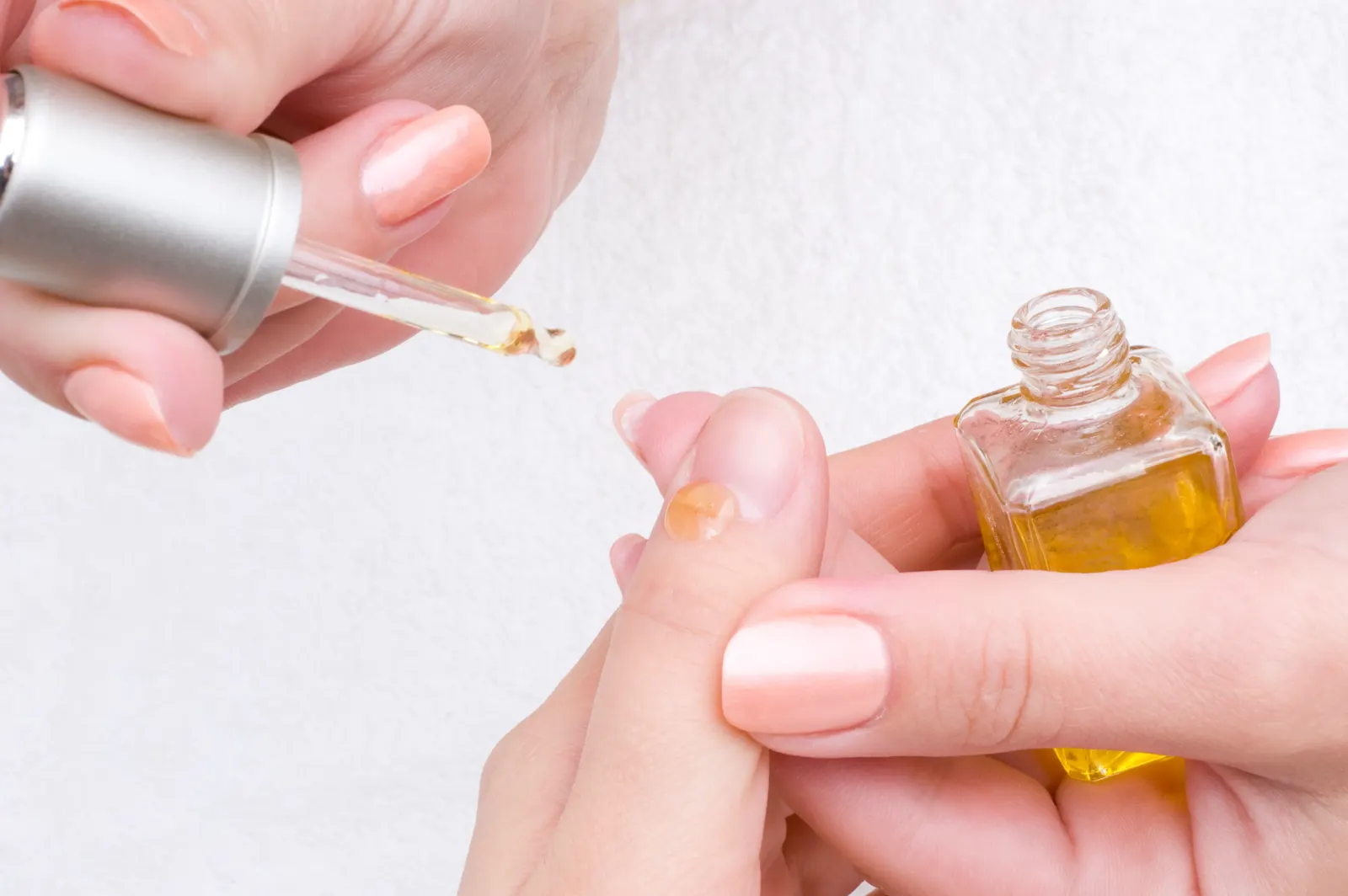 Body care · BeginnerOvernight Cuticle OilA tiny bottle of jojoba, almond, argan and castor oil for ragged cuticles and brittle, peeling nails. One drop per nail before bed.
Daily rituals with Castor Oil
Use it safely
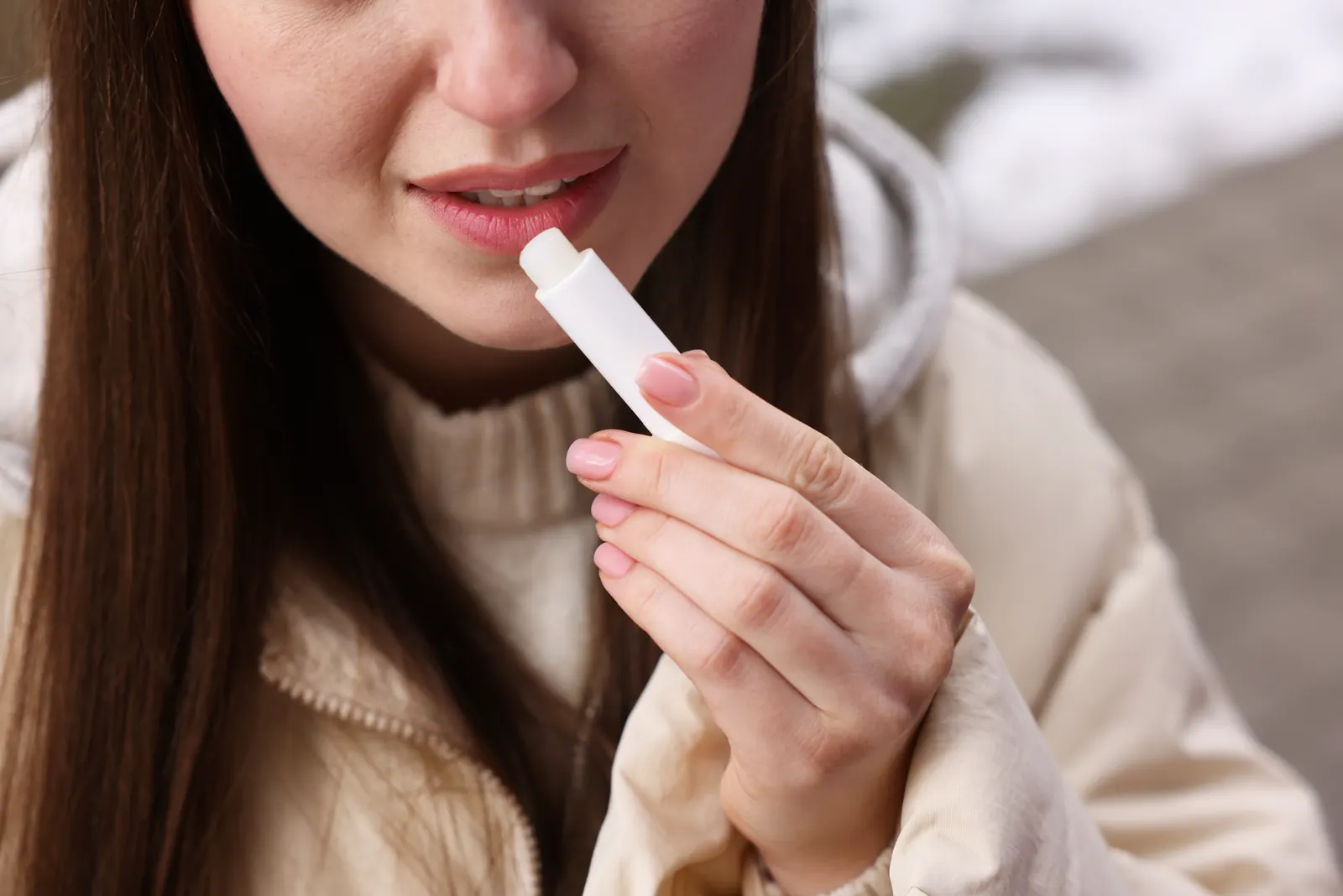
- Allergic contact dermatitis and cheilitis are reported, especially from lip products; patch test if you react to lipsticks.
- Keep out of the eyes. Lash use can irritate the eye surface; medical castor-oil eye products are sterile emulsions, not bottles of cosmetic oil.
- Case reports describe sudden, irreversible hair matting (felting) on long hair; use small amounts and avoid piling hair up while oiled.
- Never swallow castor oil as a cleanse or to induce labor outside medical care. Castor seeds are highly toxic.
Pregnancy and breastfeeding: Topical use is considered fine. Do not take castor oil by mouth in pregnancy except under medical supervision — it can trigger strong contractions, diarrhea and dehydration.
New to an ingredient? Patch test first.
When to see a doctor
- Hair that breaks easily together with brittle nails, fatigue, heavy periods or feeling cold (possible iron deficiency or thyroid disease).
- Breakage in patches, or hair loss with scalp symptoms — it may not be breakage at all; see Thinning Hair & Hair Loss.
- Scalp burns, blisters or severe itching after relaxers, dyes or bleach.
- Hair that has always been fragile or breaks at a short length since childhood (possible hair shaft disorder).
Other plants for Dry, Damaged & Frizzy Hair
| Ingredient | Grade | What the evidence shows |
|---|---|---|
| Coconut Oil | C | Hair-fiber lab studies show coconut oil penetrates the shaft and reduces protein loss when used before and after washing — unlike mineral or sunflower oil; human trials are lacking. |
| Argan Oil | C | A lab study on dyed hair fibers found argan oil improved fiber quality after repeated coloring; supports its use as a finishing and pre-wash oil. |
| Shea Butter | D | A rich sealant that reduces frizz and adds softness, especially for coily hair; evidence is practical and traditional. |
| Olive Oil | D | Traditionally used across the Mediterranean as a pre-wash treatment; limited lab data suggest some penetration, less than coconut oil. |
| Marshmallow Root | D | Mucilage gives slip for detangling, popular in curly-hair routines; evidence is traditional and anecdotal. |
| Jojoba | D | A light liquid wax that adds shine without much weight, suiting fine hair; little formal evidence. |