Does it work?
Castor Oil for Dry & Dehydrated Skin
What the research says about castor oil for dry & dehydrated skin, how to use it at home and how to stay safe.
The short answer: Excellent formulation properties, but no controlled human trials for cosmetic benefits such as hair or lash growth; mechanistic data only.
Our Dry & Dehydrated Skin guide does not rank Castor Oil for this use yet, so this is the overall grade for Castor Oil.
What it does
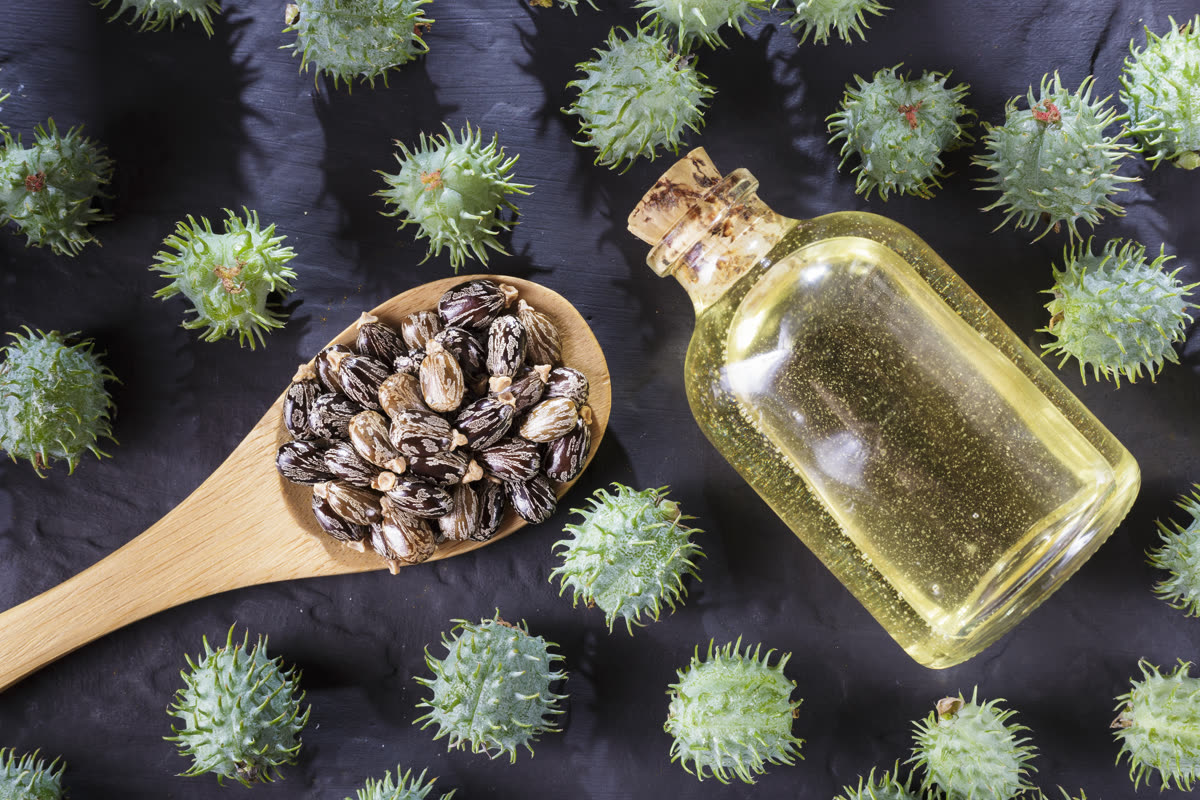
Castor oil is pressed from the seeds of the castor plant and is unlike any other common oil: almost all of it is ricinoleic acid, a fatty acid carrying a hydroxyl group that makes the oil thick, glossy and able to dissolve pigments. It is a superb cosmetic ingredient for lipsticks, balms and hair shine, but the popular claim that it makes hair, brows or lashes grow has no clinical evidence.
Why people reach for it
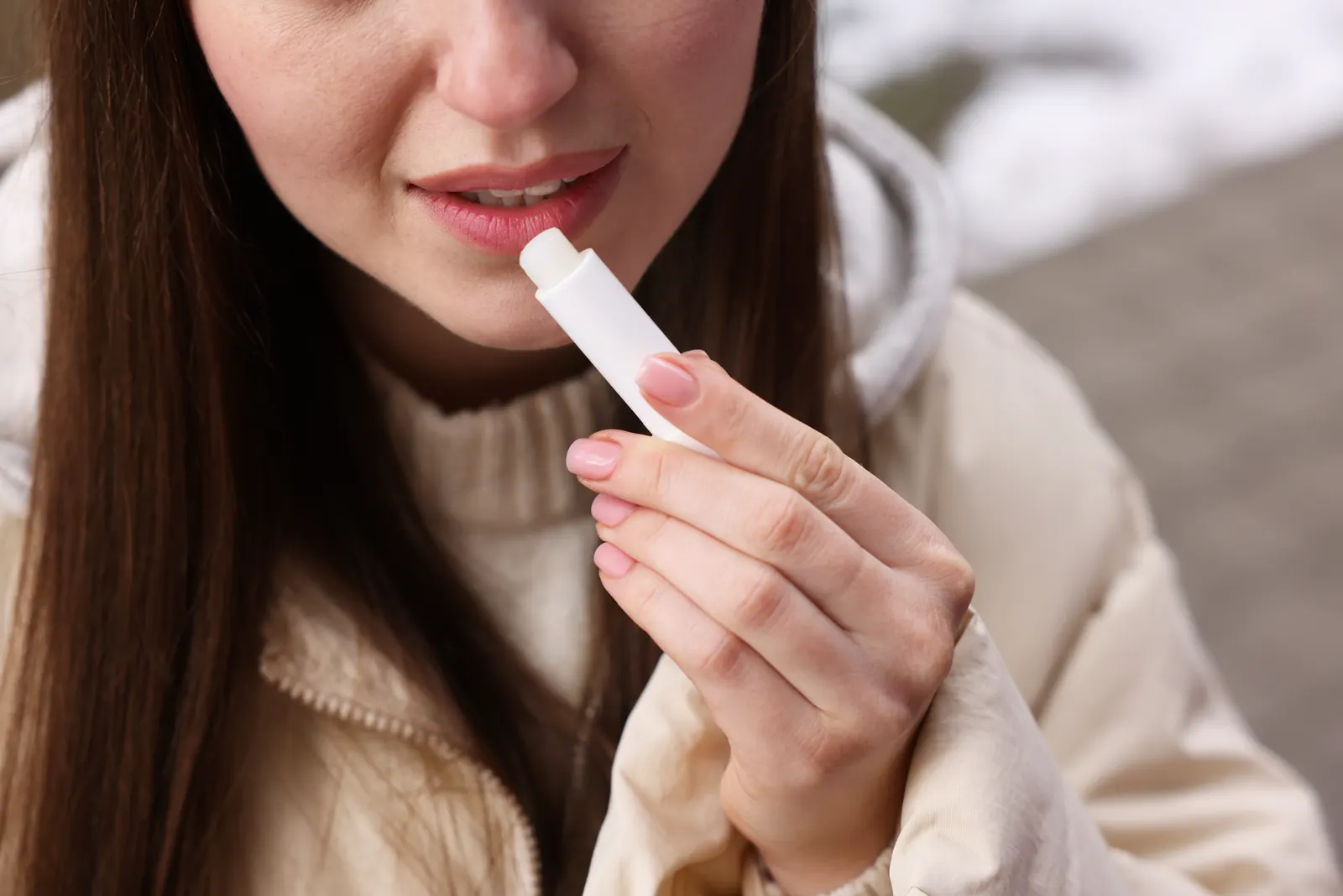
- Gloss and cushion in lip products. High viscosity and polarity give shine, wet pigments well and help lipsticks and balms glide.
- Hair shine and smoothing. A drop or two on ends coats the cuticle and adds gloss to dry hair, reducing visible frizz.
- Rich occlusive for very dry patches. A small amount in balms seals dry cuticles, heels and lips.
- Useful derivatives. Hydrogenated castor oil (castor wax) structures balms; PEG-40 hydrogenated castor oil solubilizes essential oils in water; zinc ricinoleate absorbs odor in deodorants.
How to use it
| Form | Typical use | Notes |
|---|---|---|
| Lip balm and lipstick | 10–40% of the formula | Adds gloss and helps disperse mineral pigments. |
| Hair finishing | 1–3 drops on ends, or 5–20% of a hair-oil blend | Dilute with lighter oils such as jojoba; apply in sections and comb gently to avoid tangling. |
| Oil cleansing | 10–30% of a cleansing-oil blend | Cleans well but is drying at high levels; do not use neat on the face. |
| Balms | 5–15% of an anhydrous balm | Adds cushion and slip; hydrogenated castor oil (castor wax) at 2–10% adds firmness. |
Recipes for Dry & Dehydrated Skin with Castor Oil
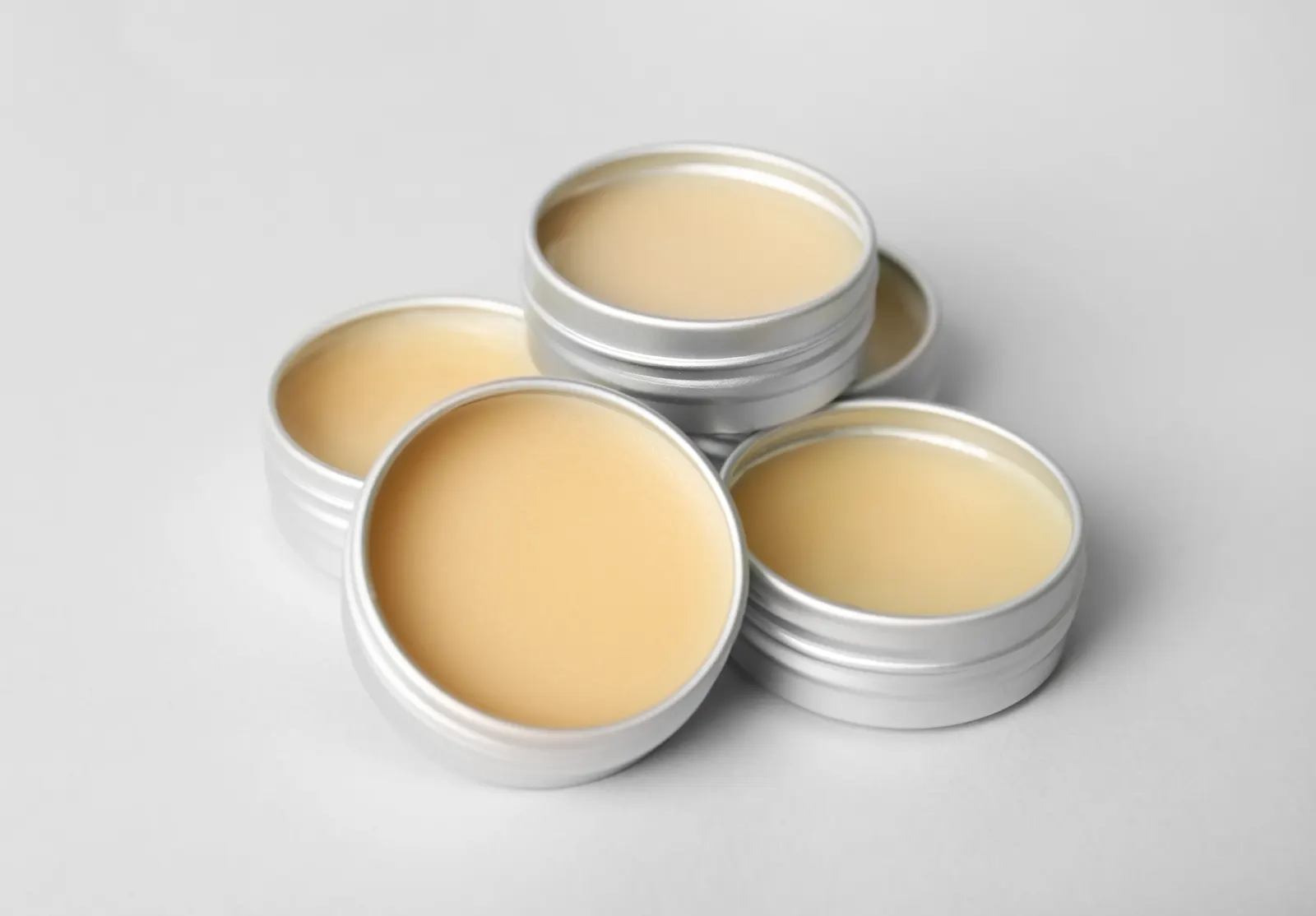 Lip care · BeginnerShea & Calendula Lip BalmA classic fragrance-free beeswax lip balm with shea, castor oil and calendula-infused oil — glossy, protective and easy to make.
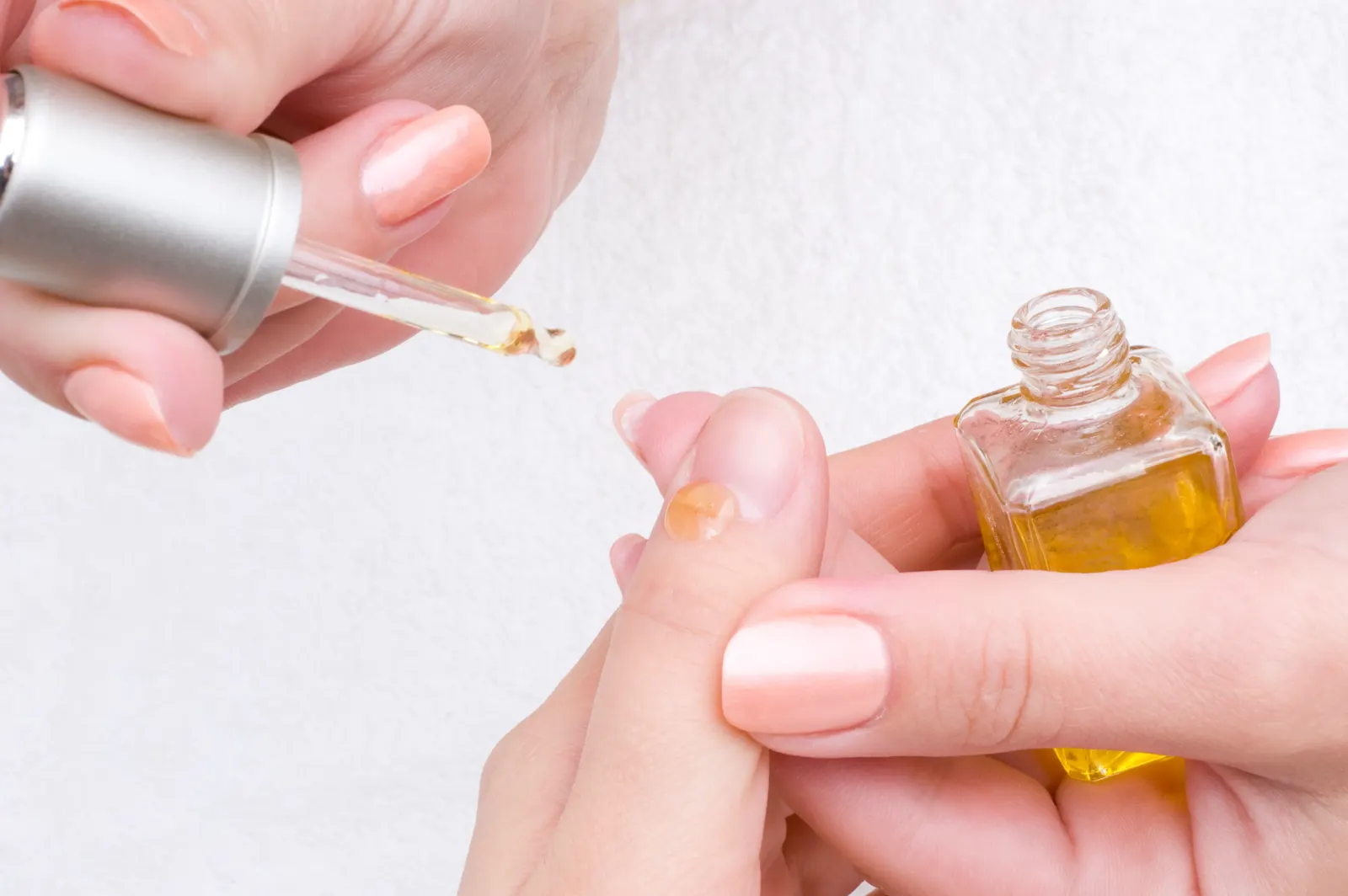 Body care · BeginnerOvernight Cuticle OilA tiny bottle of jojoba, almond, argan and castor oil for ragged cuticles and brittle, peeling nails. One drop per nail before bed.
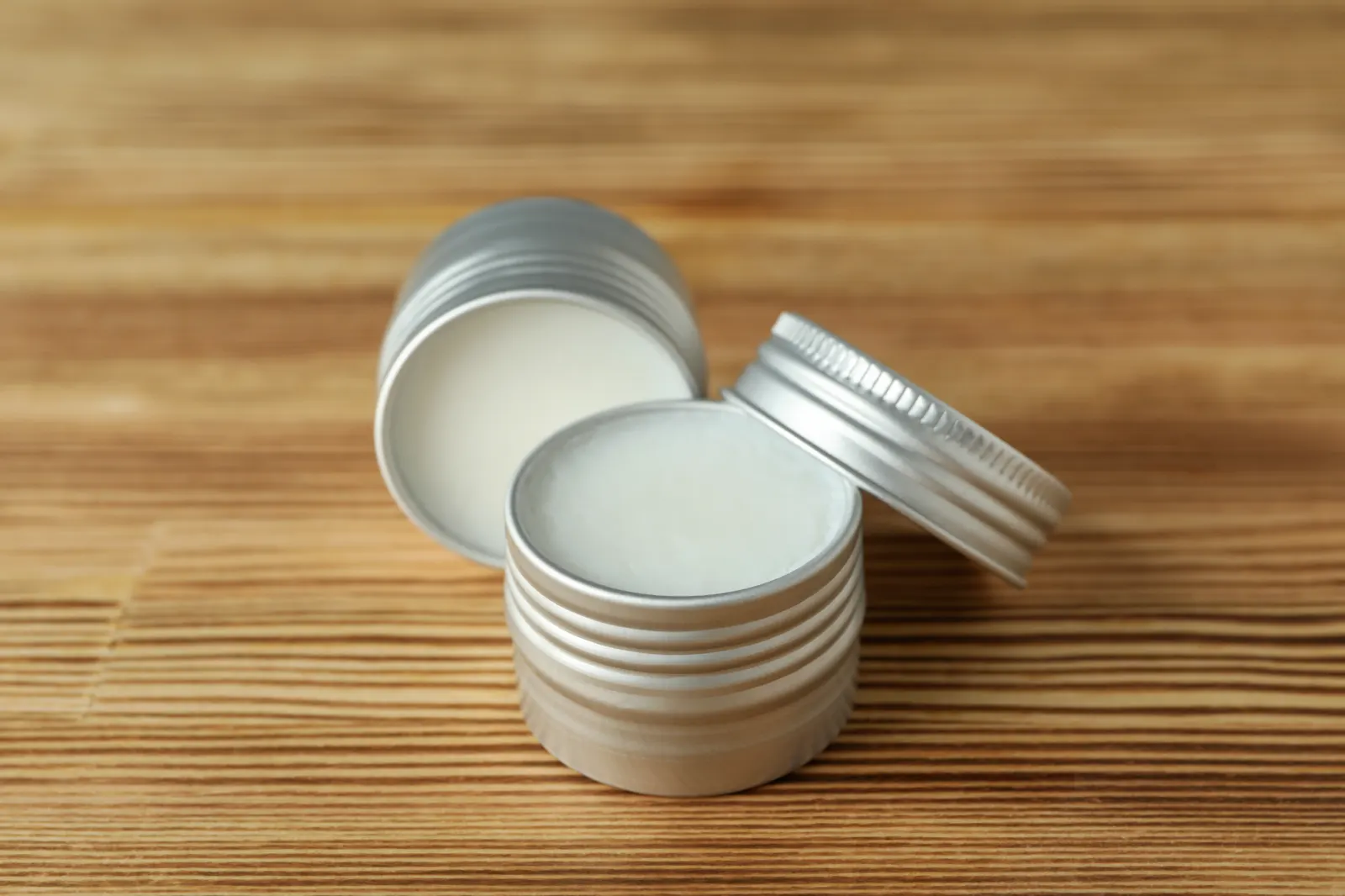 Balm · BeginnerTravel-Size Multi-BalmOne small, plant-based, unscented tin for lips, cuticles, brows, dry knuckles and flyaways, made with mango butter, jojoba, castor oil and candelilla.
Daily rituals with Castor Oil
Use it safely
- Allergic contact dermatitis and cheilitis are reported, especially from lip products; patch test if you react to lipsticks.
- Keep out of the eyes. Lash use can irritate the eye surface; medical castor-oil eye products are sterile emulsions, not bottles of cosmetic oil.
- Case reports describe sudden, irreversible hair matting (felting) on long hair; use small amounts and avoid piling hair up while oiled.
- Never swallow castor oil as a cleanse or to induce labor outside medical care. Castor seeds are highly toxic.
Pregnancy and breastfeeding: Topical use is considered fine. Do not take castor oil by mouth in pregnancy except under medical supervision — it can trigger strong contractions, diarrhea and dehydration.
New to an ingredient? Patch test first.
When to see a doctor
- Dryness with intense itch that disturbs sleep, or red, inflamed patches (possible eczema or another dermatitis).
- Cracked, bleeding or weeping skin, or signs of infection (pain, warmth, yellow crusts, pus).
- Fish-scale-like dryness present since childhood (possible ichthyosis).
- New, persistent dryness with fatigue, weight change, feeling cold or hair thinning (thyroid), or with excessive thirst and urination (diabetes).
- Severe dryness in older adults with widespread itch that does not respond to moisturizers.
Other plants for Dry & Dehydrated Skin
| Ingredient | Grade | What the evidence shows |
|---|---|---|
| Colloidal Oatmeal | B | Multiple clinical studies show colloidal oatmeal creams and baths reduce dryness, scaling and itch; it is an approved skin protectant in the US. |
| Sunflower Oil | B | Linoleic-rich sunflower seed oil preserved stratum corneum integrity and improved hydration in a comparative study with olive oil, and supports barrier function in neonatal studies. |
| Coconut Oil | B | A randomized trial found virgin coconut oil as effective and safe as mineral oil for mild to moderate xerosis of the legs. |
| Shea Butter | C | Rich emollient and mild occlusive with anti-inflammatory triterpene esters; small studies of shea-containing creams support hydration. |
| Squalane | C | A skin-identical, stable, lightweight emollient that reduces roughness; excellent tolerability but limited trial data on its own. |
| Jojoba | C | A liquid wax ester that resembles skin’s own wax esters; small studies support barrier repair and softness. |
| Aloe Vera | C | A humectant gel that improved skin hydration in small studies; on its own it is not enough for very dry skin and needs an emollient on top. |
| Marshmallow Root | D | Mucilage polysaccharides form a soothing, humectant film; evidence is traditional and lab-based. |