Does it work?
Baobab Oil for Eczema-Prone Skin
What the research says about baobab oil for eczema-prone skin, how to use it at home and how to stay safe.
The short answer: A small pilot study found baobab seed oil non-irritating and moisturizing; there are no controlled trials of specific skin or hair benefits.
Our Eczema-Prone Skin guide does not rank Baobab Oil for this use yet, so this is the overall grade for Baobab Oil.
What it does
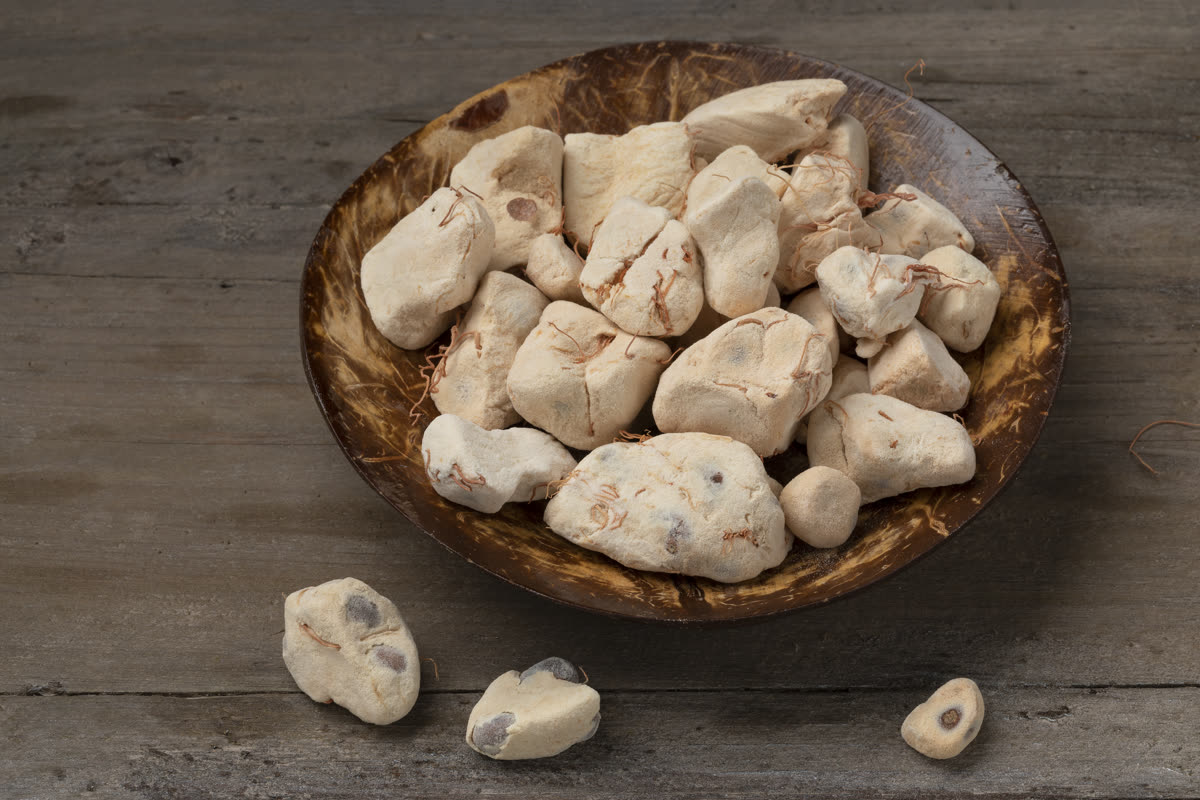
Baobab oil is pressed from the seeds of the African baobab, the iconic “upside-down tree” of the savanna. It is a medium-weight oil with a roughly even mix of oleic, linoleic and palmitic acids, which gives it a soft, cushiony feel and moderate shelf life. Evidence is limited to a small pilot study and its composition: a pleasant, versatile emollient for dry skin, lips and hair. It also contains small amounts of unusual cyclopropenoid fatty acids, which matter more for food than for skin.
Why people reach for it
- Cushiony comfort for dry skin. Its palmitic and oleic content gives a richer, more cushioned feel than most liquid oils, helpful on dry hands, elbows and dry facial skin.
- Balanced barrier support. A meaningful share of linoleic acid supplies the fatty acid skin uses to build barrier ceramides, while the saturated fraction adds occlusion — see The Skin Barrier, Explained.
- Softness and slip for textured hair. Used on damp lengths or as a pre-wash treatment, it reduces friction and helps dry, curly hair feel softer.
- Generally gentle. Patch testing in the pilot study found it non-irritating, and allergy reports are rare — a reasonable choice for many sensitive-skin formulas.
How to use it
| Form | Typical use | Notes |
|---|---|---|
| Face or body oil | Neat, or 10–50% of a blend | Apply to damp skin after bathing. Blend with lighter oils such as jojoba if you prefer a drier finish. |
| Creams, lotions and balms | 3–10% of a cream; 10–30% of an anhydrous balm | Adds cushion to the oil phase. Add tocopherol at 0.1–0.5%. |
| Hair | A few drops on ends, or 1–2 teaspoons as a pre-wash treatment | Leave on lengths 30–60 minutes before shampooing; useful for curly and coily hair. |
Use it safely
- Irritation and allergy are uncommon; patch test before wider use if your skin is reactive.
- Cyclopropenoid fatty acids are a food-safety consideration rather than a known skin hazard; use oil sold for food if you intend to eat it.
- Do not confuse the oil with baobab fruit powder: the vitamin C is in the pulp, not the oil.
- Discard oil that smells sharp or paint-like; oxidized oils are more irritating.
Pregnancy and breastfeeding: No specific concerns for topical use in pregnancy or breastfeeding. Patch test new products.
New to an ingredient? Patch test first.
When to see a doctor
- Weeping, crusting (honey-colored crusts), pus or rapidly worsening eczema — possible bacterial infection.
- Painful, clustered, punched-out sores or blisters with fever or feeling unwell — possible eczema herpeticum, which needs same-day medical care.
- Fever, chills or spreading redness alongside eczema.
- Eczema affecting sleep, school, work or mood, or not controlled by emollients and the treatment you have been given.
- Babies with eczema who also have feeding problems, poor growth or reactions after eating certain foods.
- Eczema around or affecting the eyes, or worsening vision.
Other plants for Eczema-Prone Skin
| Ingredient | Grade | What the evidence shows |
|---|---|---|
| Colloidal Oatmeal | B | Randomized trials show colloidal oatmeal creams and baths improve dryness, itch and eczema severity, supporting use as part of emollient therapy. |
| Sunflower Oil | B | Linoleic-rich sunflower oil supported barrier function in comparative studies and neonatal trials; it is a sensible base oil for eczema-prone skin. |
| Coconut Oil | B | A randomized trial in children with mild to moderate eczema found virgin coconut oil improved severity more than mineral oil, and it reduced S. aureus colonization in another trial. |
| Shea Butter | C | A rich, low-allergen emollient; small studies of shea-based creams show improvement, though it is usually tested alongside other ingredients. |
| Licorice Root | C | A small trial of a 2% licorice extract gel reduced itch and redness; glycyrrhetinic acid is anti-inflammatory. |
| Chamomile | C | An older half-side study found a chamomile cream modestly effective versus low-strength hydrocortisone, but daisy-family allergy is a real risk on eczematous skin. |
| Honey | C | Small studies of medical-grade honey on eczema patches suggest benefit; kitchen honey is not sterile and is not for broken skin. |