Does it work?
Baobab Oil for Dry & Dehydrated Skin
Cushiony comfort from the savanna’s upside-down tree: a soft oil for dry hands, lips and curls.
The short answer: A small pilot study found baobab seed oil non-irritating and moisturizing; there are no controlled trials of specific skin or hair benefits.
Our Dry & Dehydrated Skin guide does not rank Baobab Oil for this use yet, so this is the overall grade for Baobab Oil.
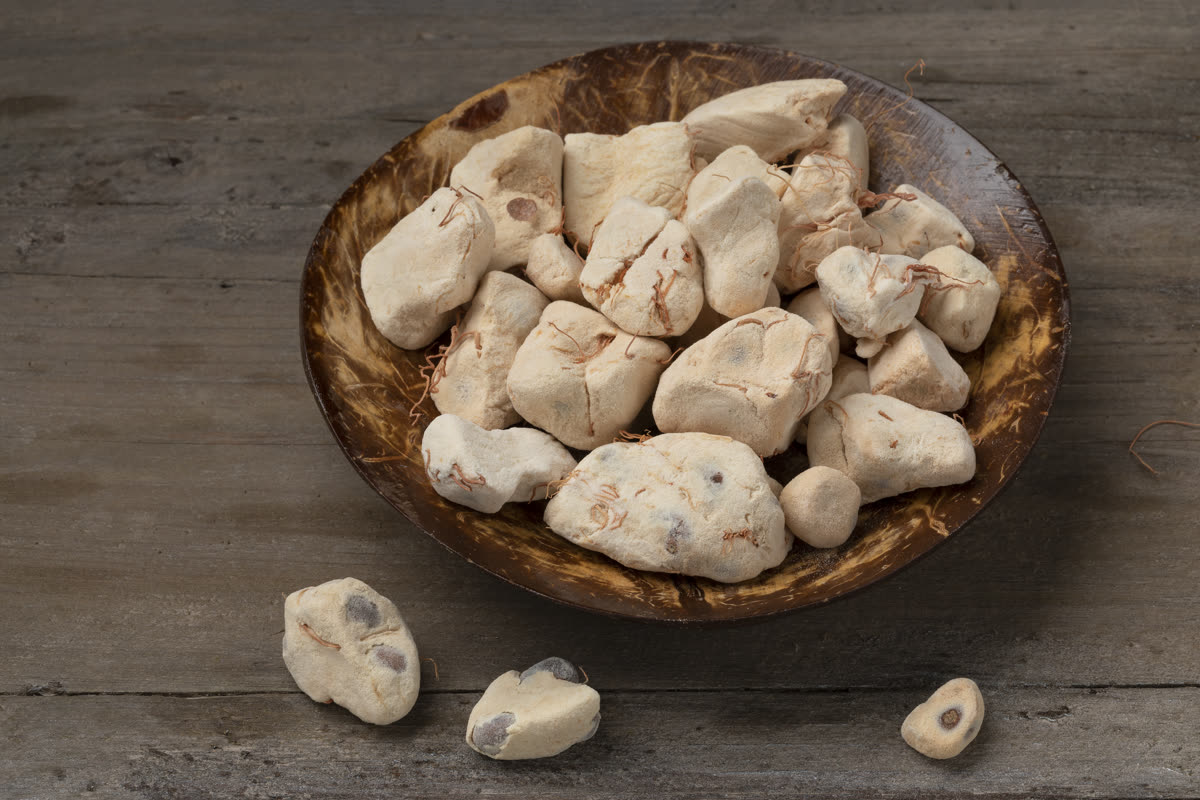
What Baobab Oil can do for Dry & Dehydrated Skin
Baobab oil is pressed from the seeds of the African baobab, the iconic “upside-down tree” of the savanna. It is a medium-weight oil with a roughly even mix of oleic, linoleic and palmitic acids, which gives it a soft, cushiony feel and moderate shelf life. Evidence is limited to a small pilot study and its composition: a pleasant, versatile emollient for dry skin, lips and hair. It also contains small amounts of unusual cyclopropenoid fatty acids, which matter more for food than for skin.
Why people reach for it
- Cushiony comfort for dry skin. Its palmitic and oleic content gives a richer, more cushioned feel than most liquid oils, helpful on dry hands, elbows and dry facial skin.
- Balanced barrier support. A meaningful share of linoleic acid supplies the fatty acid skin uses to build barrier ceramides, while the saturated fraction adds occlusion — see The Skin Barrier, Explained.
- Softness and slip for textured hair. Used on damp lengths or as a pre-wash treatment, it reduces friction and helps dry, curly hair feel softer.
- Generally gentle. Patch testing in the pilot study found it non-irritating, and allergy reports are rare — a reasonable choice for many sensitive-skin formulas.
How to use it
Try it today
A pre-wash curl treatment
- Smooth 1–2 teaspoons of baobab oil through your lengths, focusing on the ends.
- Leave it on for 30–60 minutes while you get on with your evening.
- Shampoo and condition as usual for softer, smoother hair.
| Form | Typical use | Notes |
|---|---|---|
| Face or body oil | Neat, or 10–50% of a blend | Apply to damp skin after bathing. Blend with lighter oils such as jojoba if you prefer a drier finish. |
| Creams, lotions and balms | 3–10% of a cream; 10–30% of an anhydrous balm | Adds cushion to the oil phase. Add tocopherol at 0.1–0.5%. |
| Hair | A few drops on ends, or 1–2 teaspoons as a pre-wash treatment | Leave on lengths 30–60 minutes before shampooing; useful for curly and coily hair. |
Use it safely
- Irritation and allergy are uncommon; patch test before wider use if your skin is reactive.
- Cyclopropenoid fatty acids are a food-safety consideration rather than a known skin hazard; use oil sold for food if you intend to eat it.
- Do not confuse the oil with baobab fruit powder: the vitamin C is in the pulp, not the oil.
- Discard oil that smells sharp or paint-like; oxidized oils are more irritating.
Pregnancy and breastfeeding: No specific concerns for topical use in pregnancy or breastfeeding. Patch test new products.
New to an ingredient? Patch test first.
When to see a doctor
- Dryness with intense itch that disturbs sleep, or red, inflamed patches (possible eczema or another dermatitis).
- Cracked, bleeding or weeping skin, or signs of infection (pain, warmth, yellow crusts, pus).
- Fish-scale-like dryness present since childhood (possible ichthyosis).
- New, persistent dryness with fatigue, weight change, feeling cold or hair thinning (thyroid), or with excessive thirst and urination (diabetes).
- Severe dryness in older adults with widespread itch that does not respond to moisturizers.
Other plants for Dry & Dehydrated Skin
| Ingredient | Grade | What the evidence shows |
|---|---|---|
| Colloidal Oatmeal | B | Multiple clinical studies show colloidal oatmeal creams and baths reduce dryness, scaling and itch; it is an approved skin protectant in the US. |
| Sunflower Oil | B | Linoleic-rich sunflower seed oil preserved stratum corneum integrity and improved hydration in a comparative study with olive oil, and supports barrier function in neonatal studies. |
| Coconut Oil | B | A randomized trial found virgin coconut oil as effective and safe as mineral oil for mild to moderate xerosis of the legs. |
| Shea Butter | C | Rich emollient and mild occlusive with anti-inflammatory triterpene esters; small studies of shea-containing creams support hydration. |
| Squalane | C | A skin-identical, stable, lightweight emollient that reduces roughness; excellent tolerability but limited trial data on its own. |
| Jojoba | C | A liquid wax ester that resembles skin’s own wax esters; small studies support barrier repair and softness. |
| Aloe Vera | C | A humectant gel that improved skin hydration in small studies; on its own it is not enough for very dry skin and needs an emollient on top. |
| Marshmallow Root | D | Mucilage polysaccharides form a soothing, humectant film; evidence is traditional and lab-based. |