Does it work?
Baobab Oil for Dry, Damaged & Frizzy Hair
What the research says about baobab oil for dry, damaged & frizzy hair, how to use it at home and how to stay safe.
The short answer: A small pilot study found baobab seed oil non-irritating and moisturizing; there are no controlled trials of specific skin or hair benefits.
Our Dry, Damaged & Frizzy Hair guide does not rank Baobab Oil for this use yet, so this is the overall grade for Baobab Oil.
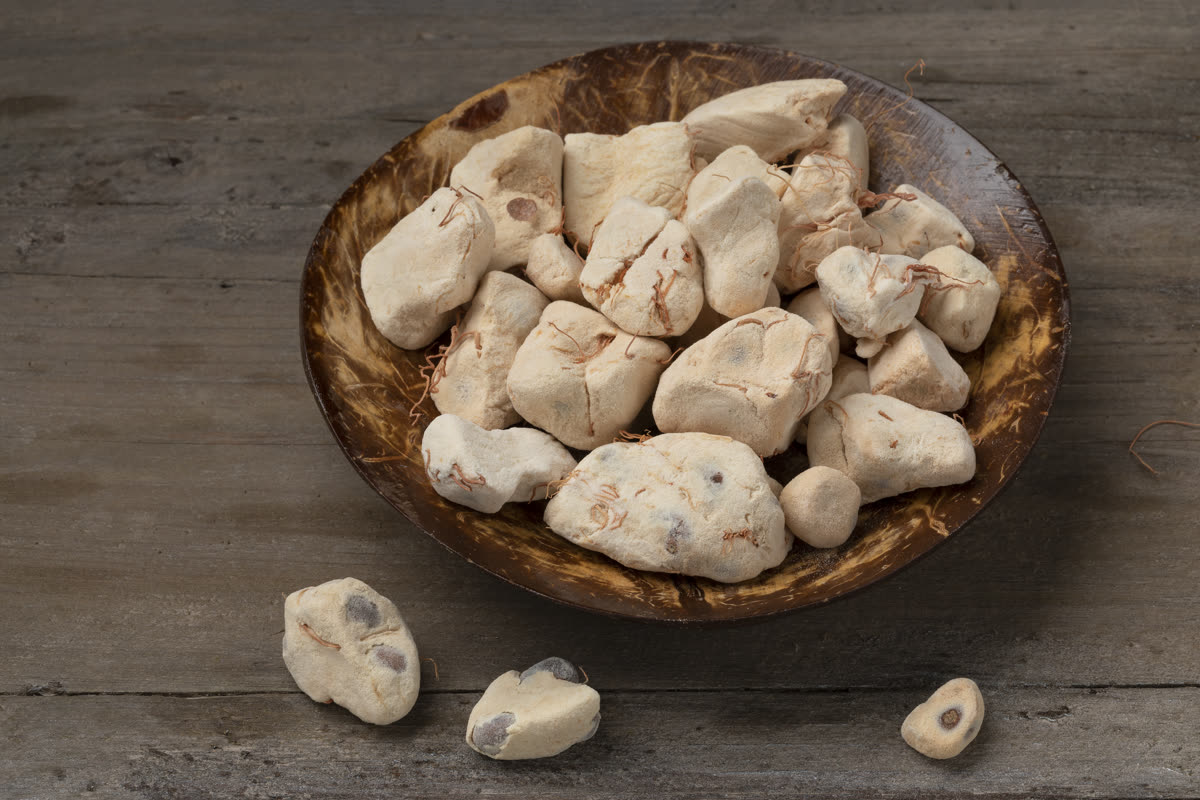
What it does
Baobab oil is pressed from the seeds of the African baobab, the iconic “upside-down tree” of the savanna. It is a medium-weight oil with a roughly even mix of oleic, linoleic and palmitic acids, which gives it a soft, cushiony feel and moderate shelf life. Evidence is limited to a small pilot study and its composition: a pleasant, versatile emollient for dry skin, lips and hair. It also contains small amounts of unusual cyclopropenoid fatty acids, which matter more for food than for skin.
Why people reach for it
- Cushiony comfort for dry skin. Its palmitic and oleic content gives a richer, more cushioned feel than most liquid oils, helpful on dry hands, elbows and dry facial skin.
- Balanced barrier support. A meaningful share of linoleic acid supplies the fatty acid skin uses to build barrier ceramides, while the saturated fraction adds occlusion — see The Skin Barrier, Explained.
- Softness and slip for textured hair. Used on damp lengths or as a pre-wash treatment, it reduces friction and helps dry, curly hair feel softer.
- Generally gentle. Patch testing in the pilot study found it non-irritating, and allergy reports are rare — a reasonable choice for many sensitive-skin formulas.
How to use it
| Form | Typical use | Notes |
|---|---|---|
| Face or body oil | Neat, or 10–50% of a blend | Apply to damp skin after bathing. Blend with lighter oils such as jojoba if you prefer a drier finish. |
| Creams, lotions and balms | 3–10% of a cream; 10–30% of an anhydrous balm | Adds cushion to the oil phase. Add tocopherol at 0.1–0.5%. |
| Hair | A few drops on ends, or 1–2 teaspoons as a pre-wash treatment | Leave on lengths 30–60 minutes before shampooing; useful for curly and coily hair. |
Use it safely
- Irritation and allergy are uncommon; patch test before wider use if your skin is reactive.
- Cyclopropenoid fatty acids are a food-safety consideration rather than a known skin hazard; use oil sold for food if you intend to eat it.
- Do not confuse the oil with baobab fruit powder: the vitamin C is in the pulp, not the oil.
- Discard oil that smells sharp or paint-like; oxidized oils are more irritating.
Pregnancy and breastfeeding: No specific concerns for topical use in pregnancy or breastfeeding. Patch test new products.
New to an ingredient? Patch test first.
When to see a doctor
- Hair that breaks easily together with brittle nails, fatigue, heavy periods or feeling cold (possible iron deficiency or thyroid disease).
- Breakage in patches, or hair loss with scalp symptoms — it may not be breakage at all; see Thinning Hair & Hair Loss.
- Scalp burns, blisters or severe itching after relaxers, dyes or bleach.
- Hair that has always been fragile or breaks at a short length since childhood (possible hair shaft disorder).
Other plants for Dry, Damaged & Frizzy Hair
| Ingredient | Grade | What the evidence shows |
|---|---|---|
| Coconut Oil | C | Hair-fiber lab studies show coconut oil penetrates the shaft and reduces protein loss when used before and after washing — unlike mineral or sunflower oil; human trials are lacking. |
| Argan Oil | C | A lab study on dyed hair fibers found argan oil improved fiber quality after repeated coloring; supports its use as a finishing and pre-wash oil. |
| Shea Butter | D | A rich sealant that reduces frizz and adds softness, especially for coily hair; evidence is practical and traditional. |
| Olive Oil | D | Traditionally used across the Mediterranean as a pre-wash treatment; limited lab data suggest some penetration, less than coconut oil. |
| Marshmallow Root | D | Mucilage gives slip for detangling, popular in curly-hair routines; evidence is traditional and anecdotal. |
| Jojoba | D | A light liquid wax that adds shine without much weight, suiting fine hair; little formal evidence. |