Self-care & wellbeing · 6 min read ·
Touch, Breath and Scent: The Calm Side of Skincare
Skincare is something you do with your hands, your lungs and your nose. Here is how to turn a daily routine into a few minutes of genuine calm.
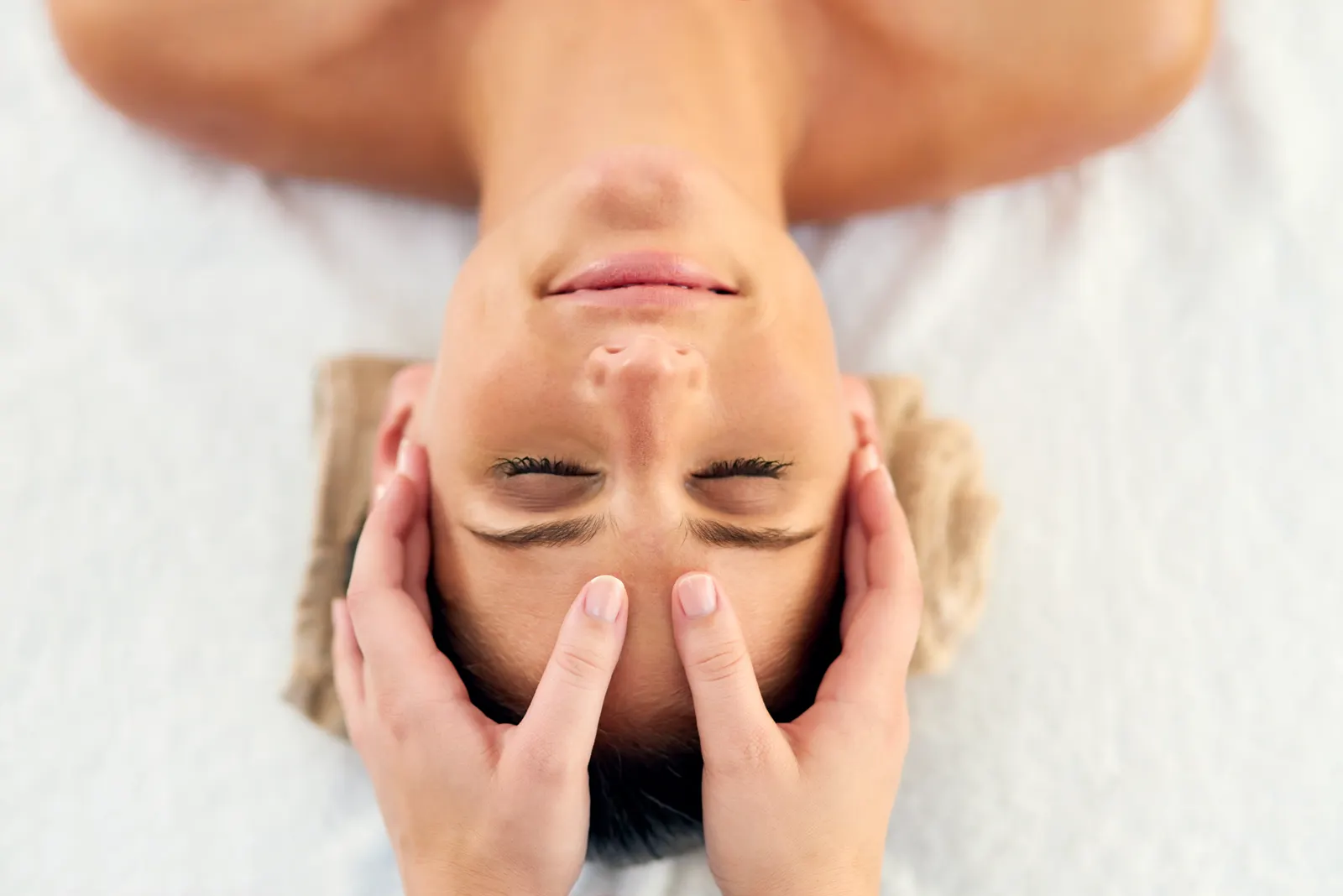
There is a moment, when you warm oil between your palms and press it to your face, when the day goes quiet. Most of us rush straight past it. Slow it down, add a deliberate breath and a scent you love, and the most ordinary routine becomes one of the calmest minutes you have.
Why calm shows on the skin
Skin and mind talk to each other constantly. Stress does not cause skin conditions on its own, but doctors widely recognize that it can make several of them flare: eczema, acne, psoriasis, rosacea and hives among them. Stress hormones affect oil production, inflammation and the skin barrier’s ability to repair itself. Many people also pick, scratch or rub more when anxious, which leaves marks, especially on deeper skin tones.
No cream can remove stress from your life. But the way you apply your cream can give you a few minutes in which your body gets a different message. Touch, breath and scent are three of the oldest ways humans have found to calm down, and all three are already part of skincare. We simply need to notice them.
Think of what follows as a set of small practices, not a program. Use one, two or all three.
Touch: slow hands, light pressure
Our skin is full of nerve endings, and some of them seem especially tuned to slow, gentle stroking, the kind of touch that feels comforting rather than ticklish. Researchers are still mapping how this works, but it fits with something we all know: a slow hand on the back feels very different from a quick pat.
Bring that slowness to your routine:
- Warm everything first. Rub oil or cream between your palms for a few seconds.
- Press before you spread. Hold your palms over your cheeks, then forehead, then neck, for one breath each.
- Glide outwards and upwards, from the center of the face towards the ears, with light pressure.
- Finish at the jaw and temples, where many of us hold tension, with small slow circles.
Facial tools such as gua sha stones can feel lovely and may reduce puffiness for a little while; the Gua Sha and Facial Massage, Honestly explains what they can and cannot do. Fingertips work just as well, and cost nothing.
The body counts too. A slow oil massage after a shower, using a Lavender Calm Body Oil or any plain oil you like, is a ten-minute reset. Our Pick Your Body Oil: Sunflower, Jojoba or Olive? helps you pick one.
Breath: the longer exhale
Breathing is the one part of the stress response you can steer on purpose. Slow breathing, especially with an out-breath a little longer than the in-breath, is widely used in relaxation practices from yoga to clinical stress programs, and studies suggest it can help shift the body towards a calmer state.
Pair it with your skincare so you never have to remember it separately:
- As you hold your palms over your face, breathe in through the nose for a count of four.
- Breathe out slowly through the mouth for a count of six.
- Repeat three to five times, moving your hands to a new area each breath.
That is all. Under a minute, and it fits inside a routine you were going to do anyway. If counting makes you more anxious, skip the numbers and simply let the out-breath be slow.
A gentle note: if you feel lightheaded, return to normal breathing. People with breathing conditions should keep it relaxed and never force the breath.
Touch, breath and scent are three of the oldest ways humans have found to calm down, and all three are already part of skincare.
Scent: a cue, not a treatment
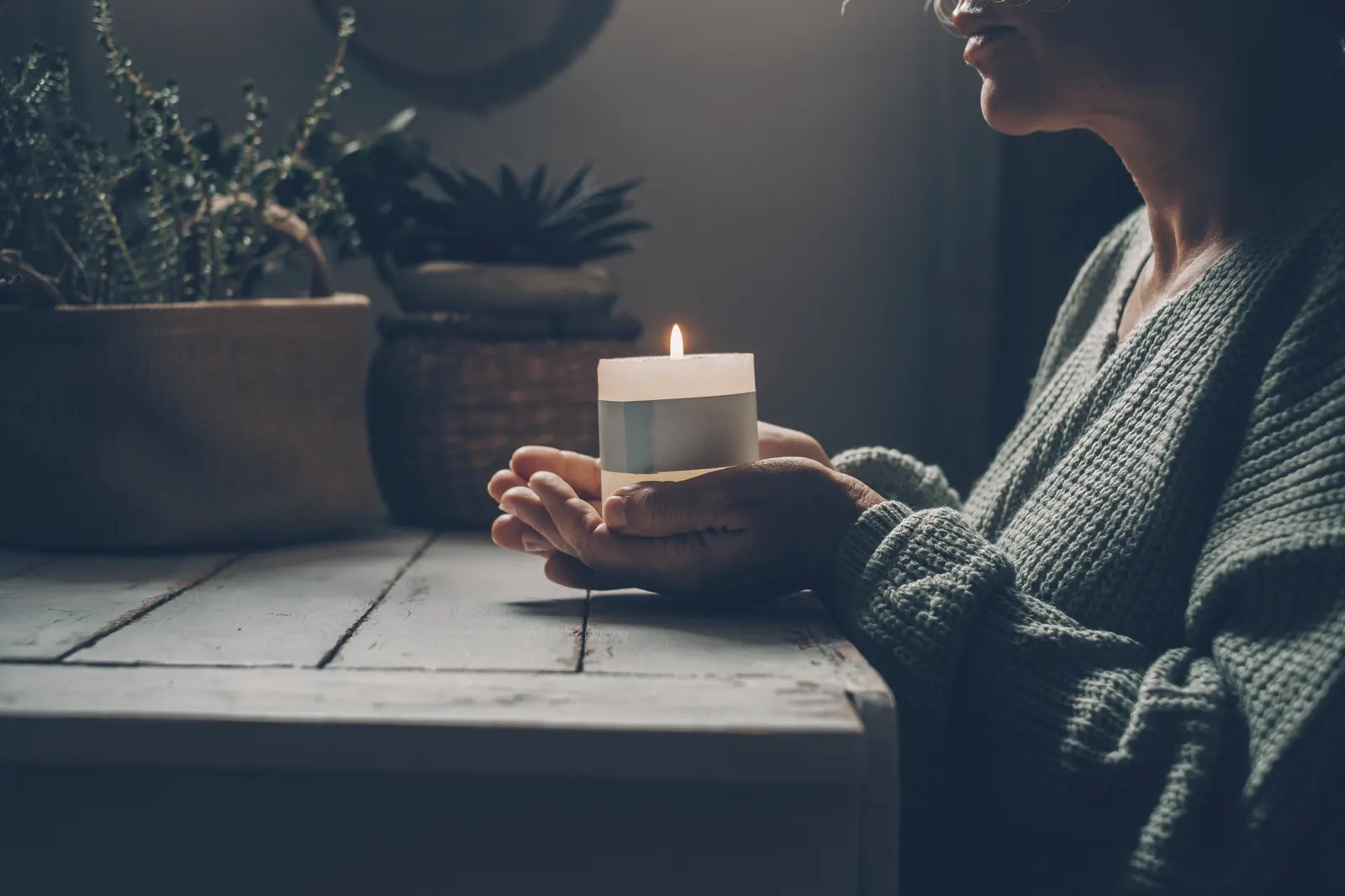
Smell travels a short road to the parts of the brain involved in memory and emotion, which is why a scent can carry you straight back to a place or a person. That makes scent a powerful cue: a signal that this is the calm part of the day.
Some aromas have a little research behind them. Small studies on lavender suggest its scent may help some people feel calmer and sleep a little better, though results are mixed. Damask rose and orange blossom (neroli) are loved across the Mediterranean and the Middle East; their distilled waters are gentle enough to mist straight onto the face, as in the Orange Blossom Water, the Moroccan Way. Sandalwood and frankincense have long ceremonial histories in India, Arabia and East Africa.
Choose the scent you love, not the one a label says is relaxing. Calm comes from association, and your associations are your own.
Using scent safely
Fragrance, natural or not, is one of the commonest causes of skin reactions. A few friendly tips keep scent a pleasure:
- Keep strong scents off the face if your skin is sensitive. Scent a pillowcase, a room or your wrists instead.
- Dilute essential oils. Never apply them neat. For body oils, around 1–2% is plenty; for the face, 1% or less. Our Essential Oil Safety: The Complete Guide guide has a full table.
- Hydrosols are gentler. Rose and orange blossom waters carry only traces of aromatic compounds, so they suit most skins; buy them preserved and keep them in the fridge once opened.
- Mind sun-sensitive oils. Some citrus oils, especially cold-pressed bergamot, can cause burns and dark marks in sunlight.
- Pregnancy, babies, pets and asthma all call for extra caution with diffusers and essential oils; ask your midwife or doctor if unsure.
Putting it together, and knowing your limits
Here is the whole practice in a sentence: warm your product, breathe in your chosen scent, press your palms to your face for three slow breaths, then glide outwards with light hands. Two minutes, morning or night.
You can also scale it to your day. On a rushed morning, it might be a single slow breath as you smooth on sunscreen. On a free Sunday, it might be a long bath, a full body massage with warm oil and a favorite scent in the room. The practice is the same; only the length changes.
It will not transform your skin overnight. What it can do, done most days, is make skincare something you look forward to, and give you a small, reliable pocket of calm that belongs to you.
If stress, low mood or anxiety are weighing on you most days, or a skin condition is affecting your sleep, confidence or work, please talk to a doctor. Skin conditions and mental health are closely linked, and both are worth real care. A calm routine is a lovely companion to that help, never a replacement for it.
Keep going
Put it into practice
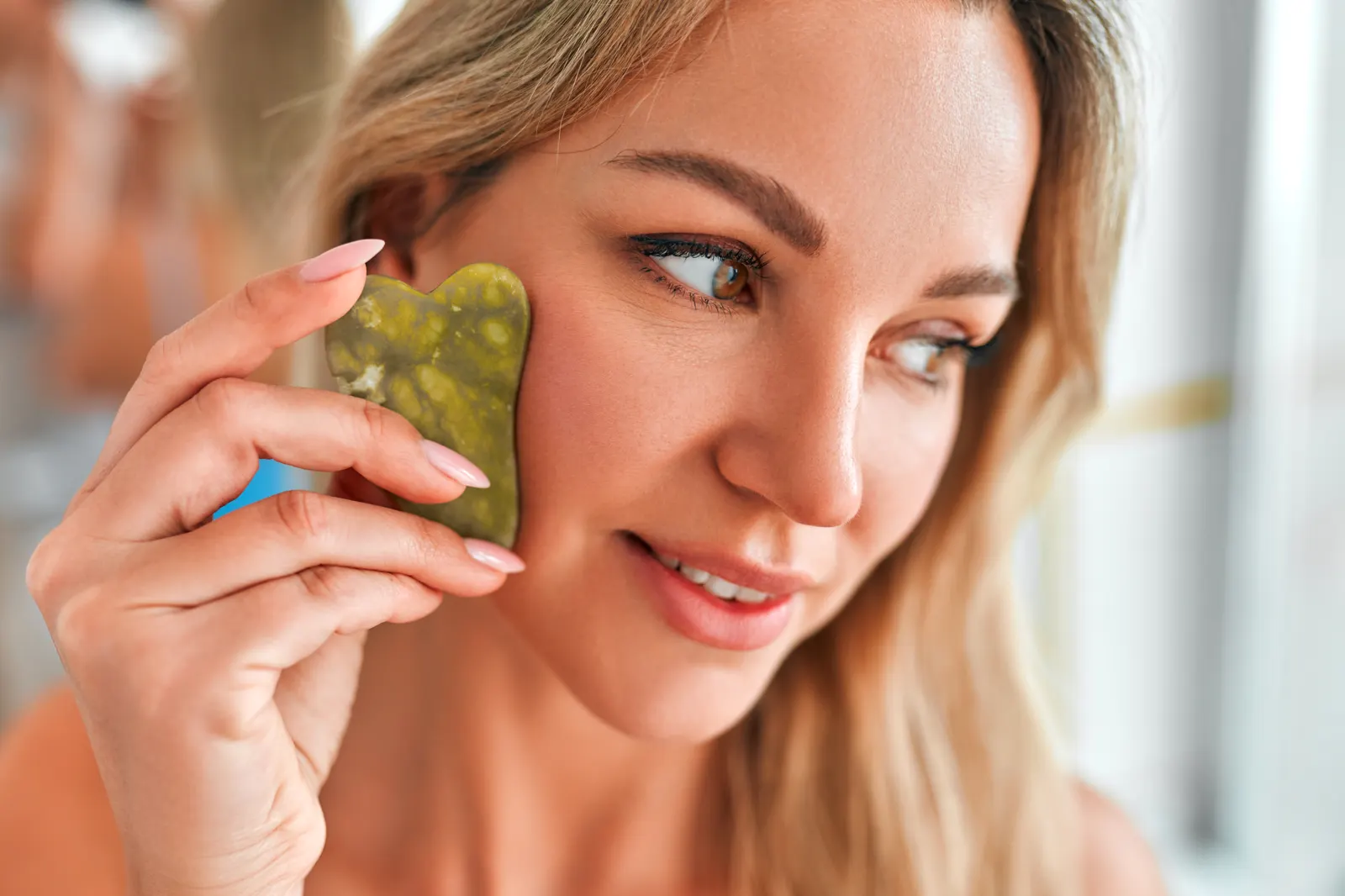 Gua Sha and Facial Massage, HonestlyA five-minute evening facial massage with gua sha or clean hands: what it really does (comfort, temporary de-puffing) and what the lymphatic claims miss.
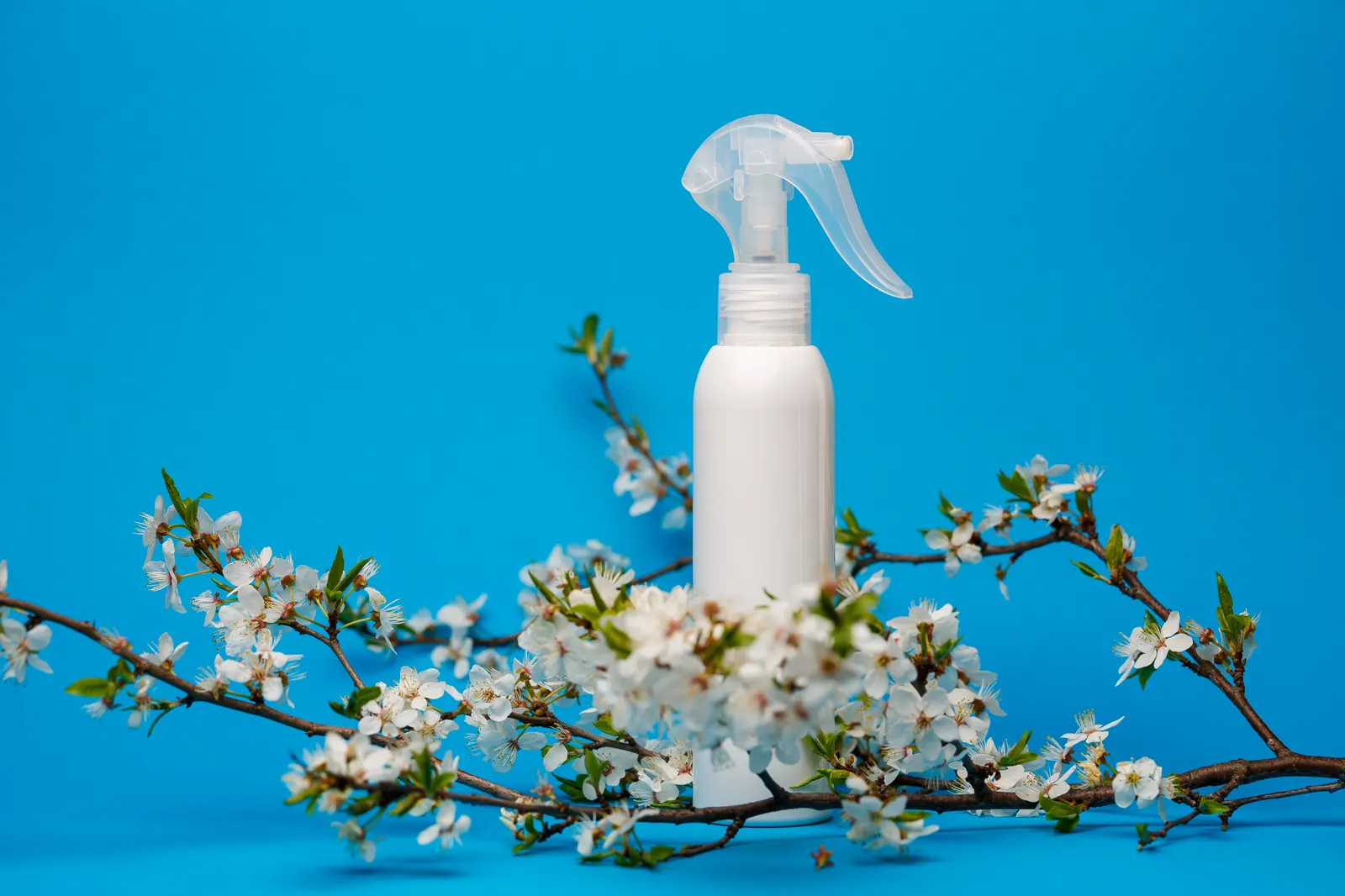 Orange Blossom Water, the Moroccan WayA cool mist of orange blossom water is a Moroccan welcome. How to use it, choose a cosmetic-grade hydrosol and keep it fresh and safe.
GuideEssential Oil Safety: The Complete GuideDilution by use, phototoxic citrus limits, oxidation and allergy, IFRA standards, and special care for children, pregnancy and pets.
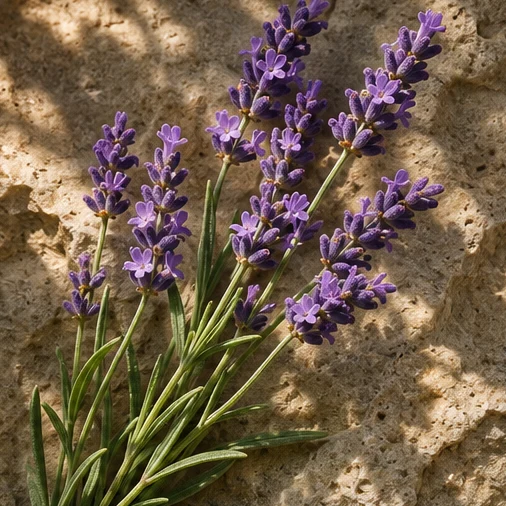 No. 007
LavenderLavandula angustifoliaLavender’s soft, floral calm turns an ordinary evening into a slow, scented wind-down.
The magazine
More stories you’ll enjoy
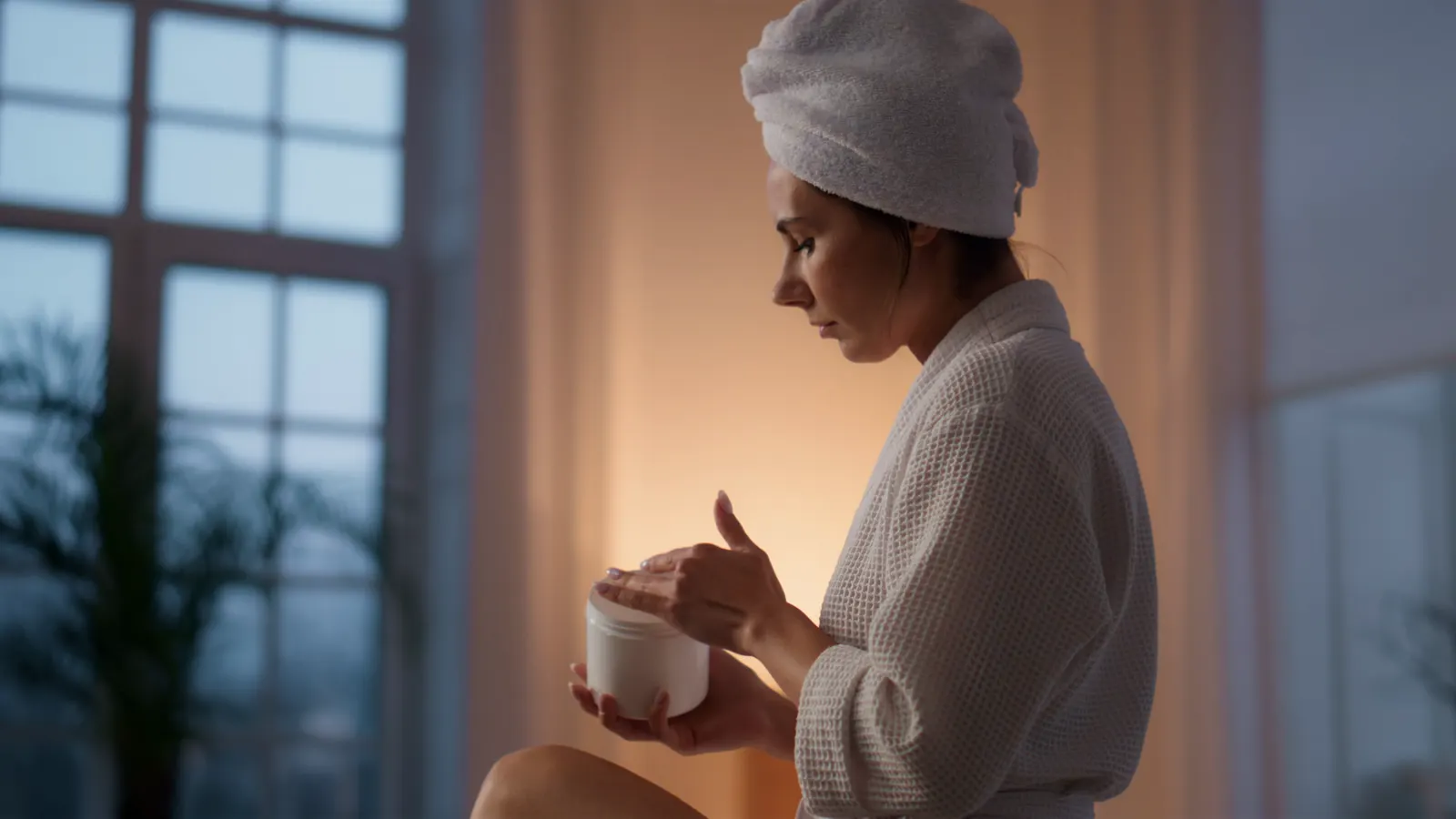 Self-care & wellbeing · 6 minThe Ten-Minute Evening That Changes Your Skin and Your SleepA short, unhurried wind-down for the end of the day: clean skin, a little oil, softer light and a calmer mind before bed.
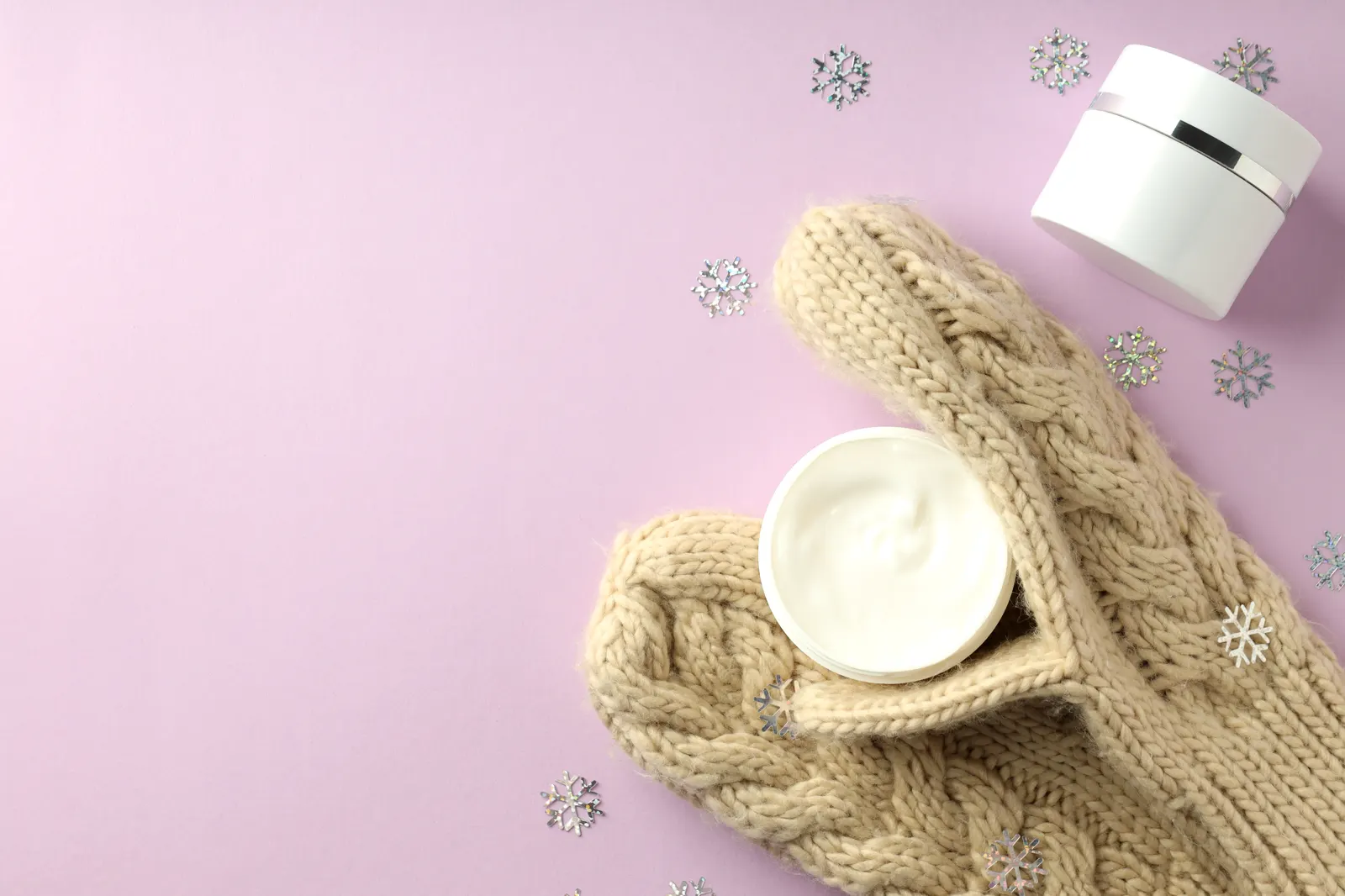 Seasonal living · 6 minA Winter Skin Plan, Week by WeekCold air outside, dry heat inside: a calm, four-week plan to keep skin soft, lips whole and hands comfortable until spring.
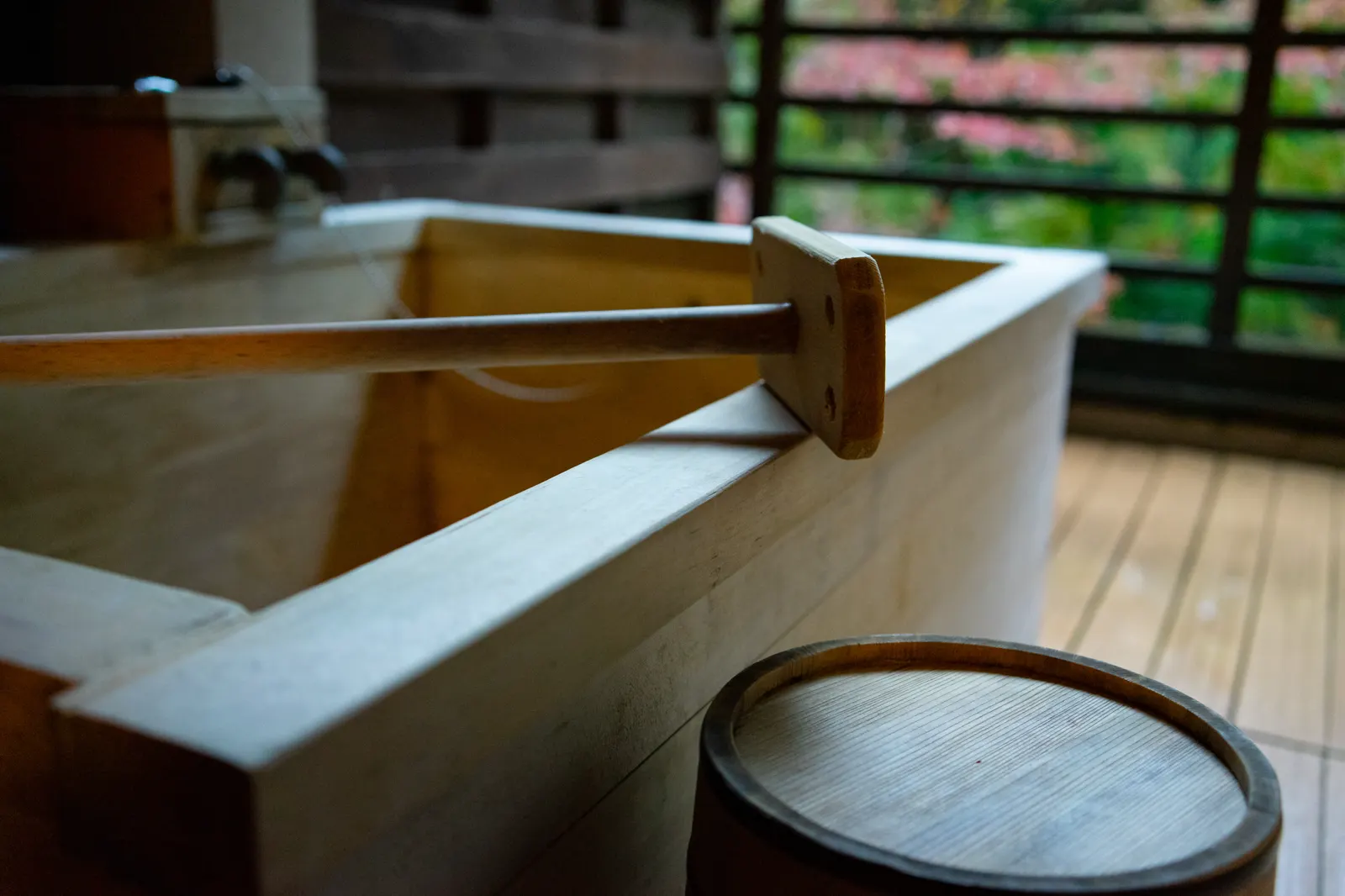 Rituals of the world · 6 minBathing Around the World: From Hammam to Onsen to SaunaSteam, hot springs and cedar heat: what the world’s great bathing traditions share, and how to borrow their best ideas at home, safely.