Does it work?
Calendula for Sensitive Skin & Redness
What the research says about calendula for sensitive skin & redness, how to use it at home and how to stay safe.
The short answer: One large randomized trial found calendula cream reduced severe radiation dermatitis versus trolamine, but a later blinded trial against a simple aqueous cream found no difference; wound-healing trials are encouraging but small.
Our Sensitive Skin & Redness guide does not rank Calendula for this use yet, so this is the overall grade for Calendula.
What it does
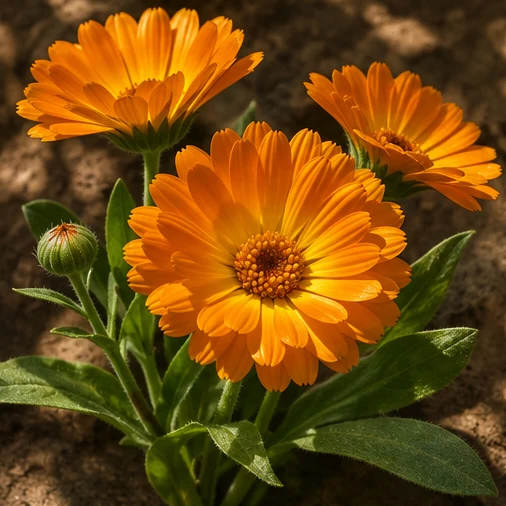
Calendula is the bright orange pot marigold of Mediterranean gardens, and one of the most trusted botanicals for dry, chapped and lightly damaged skin. Its anti-inflammatory triterpene esters are oil-soluble, which is why infused oils and balms are the classic form. Human evidence is real but mixed, and people allergic to the daisy family should patch test first.
Why people reach for it
- Comforts dry, cracked and chapped skin. Calendula-infused oils and balms soften rough hands, lips and heels while delivering anti-inflammatory triterpenes. Most of the barrier benefit comes from the oil and butter base; calendula adds soothing.
- Supports healing of minor wounds. Lab and animal studies show calendula extracts encourage fibroblast activity and new tissue formation, and the European Medicines Agency recognizes it as a traditional remedy for minor wounds and skin inflammation.
- May ease radiation-related skin reactions. A 254-patient trial found less grade 2+ radiation dermatitis with calendula than with trolamine cream. A later trial found it no better than a plain cream, so it is an option to discuss with the oncology team rather than a proven preventive.
- A gentle choice for babies’ and sensitive skin. Calendula is a long-standing ingredient in diaper and baby creams and is generally well tolerated — with the exception of people sensitized to Asteraceae plants.
How to use it
| Form | Typical use | Notes |
|---|---|---|
| Infused oil | 20–100% of the oil phase of balms, salves and body oils | Fully dried flowers macerated in sunflower or olive oil (gentle warmth or 4–6 weeks cold). Never use fresh flowers — their water invites mold. Method in Infused Oils, Hydrosols & Extracts. |
| CO₂ extract | 0.1–1% (per supplier) | Concentrated, faradiol-rich and deep orange; ideal for creams and lip care where you want activity without a large oil load. |
| Glycerite or hydroglycerin extract | 2–5% in water-based products | Adds water-soluble flavonoids and polysaccharides; requires a broad-spectrum preservative like any aqueous formula. |
| Pharmacy calendula cream | 2–3 times daily on dry, chapped or minor-damaged skin | During radiotherapy, use only creams your treatment team approves and follow their timing advice. |
Recipes with Calendula
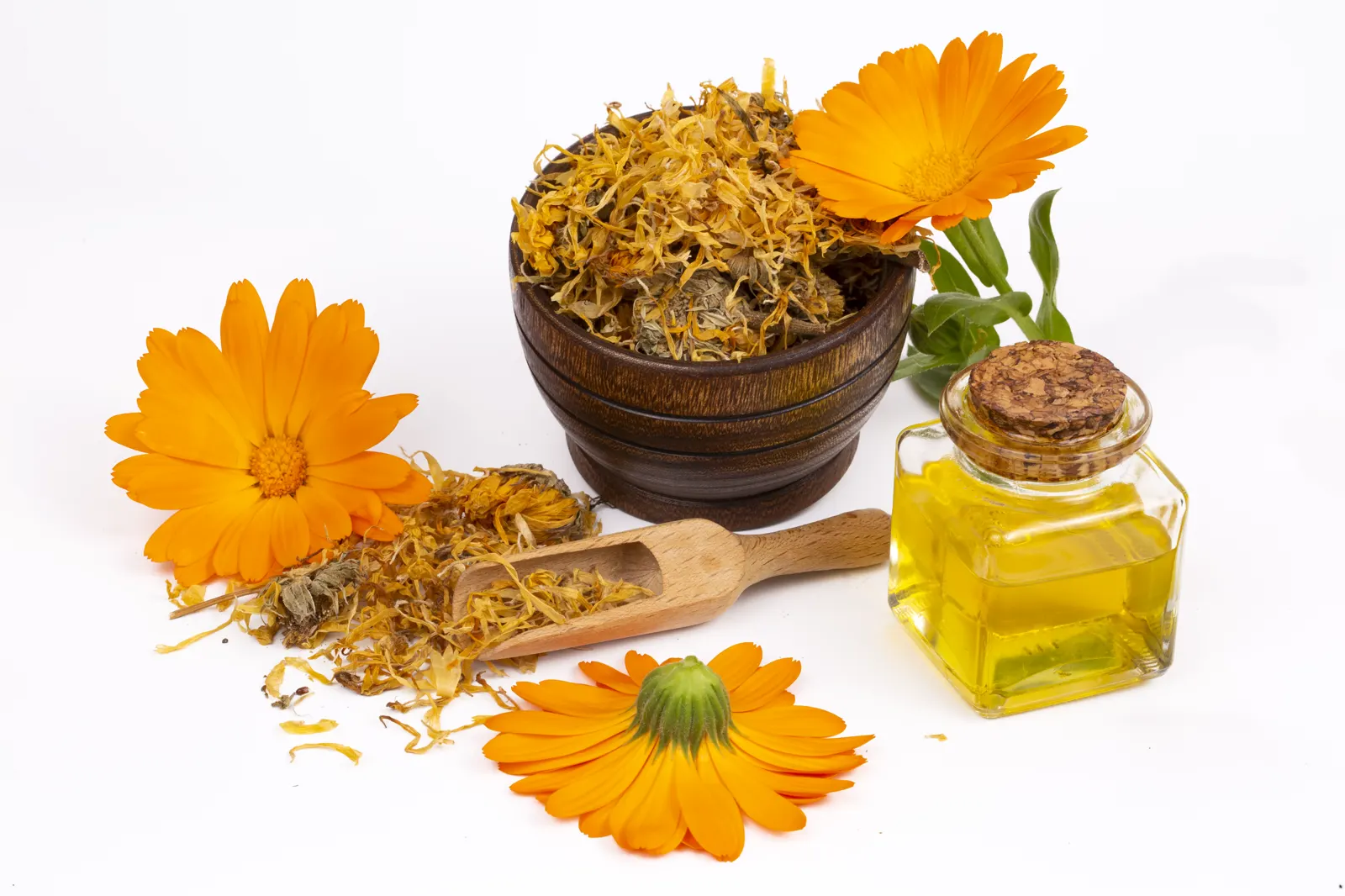 Balm · BeginnerCalendula Comfort BalmA rich, fragrance-free balm of calendula-infused oil, shea and beeswax for chapped hands, dry patches and minor scrapes once they have closed.
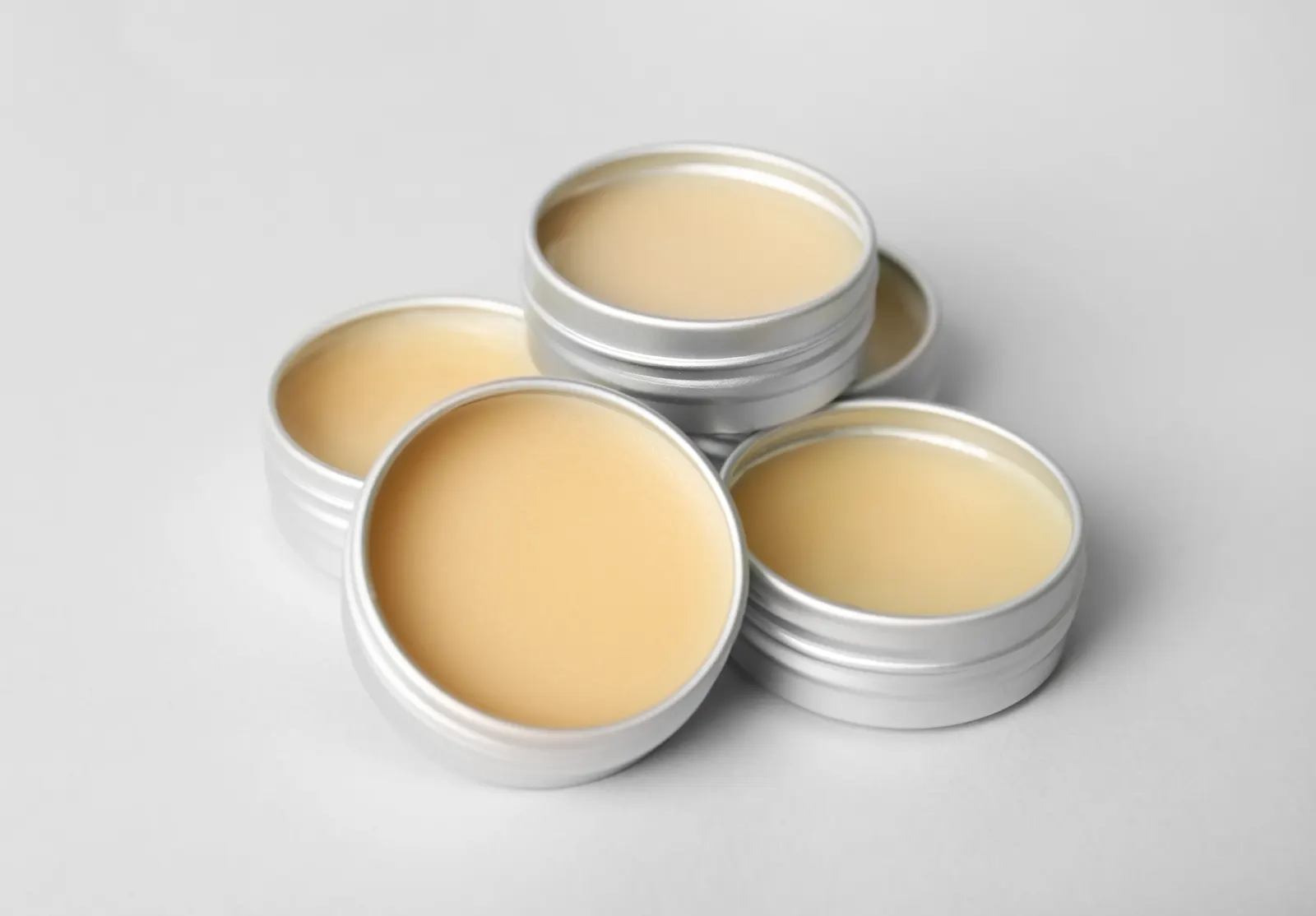 Lip care · BeginnerShea & Calendula Lip BalmA classic fragrance-free beeswax lip balm with shea, castor oil and calendula-infused oil — glossy, protective and easy to make.
Daily rituals with Calendula
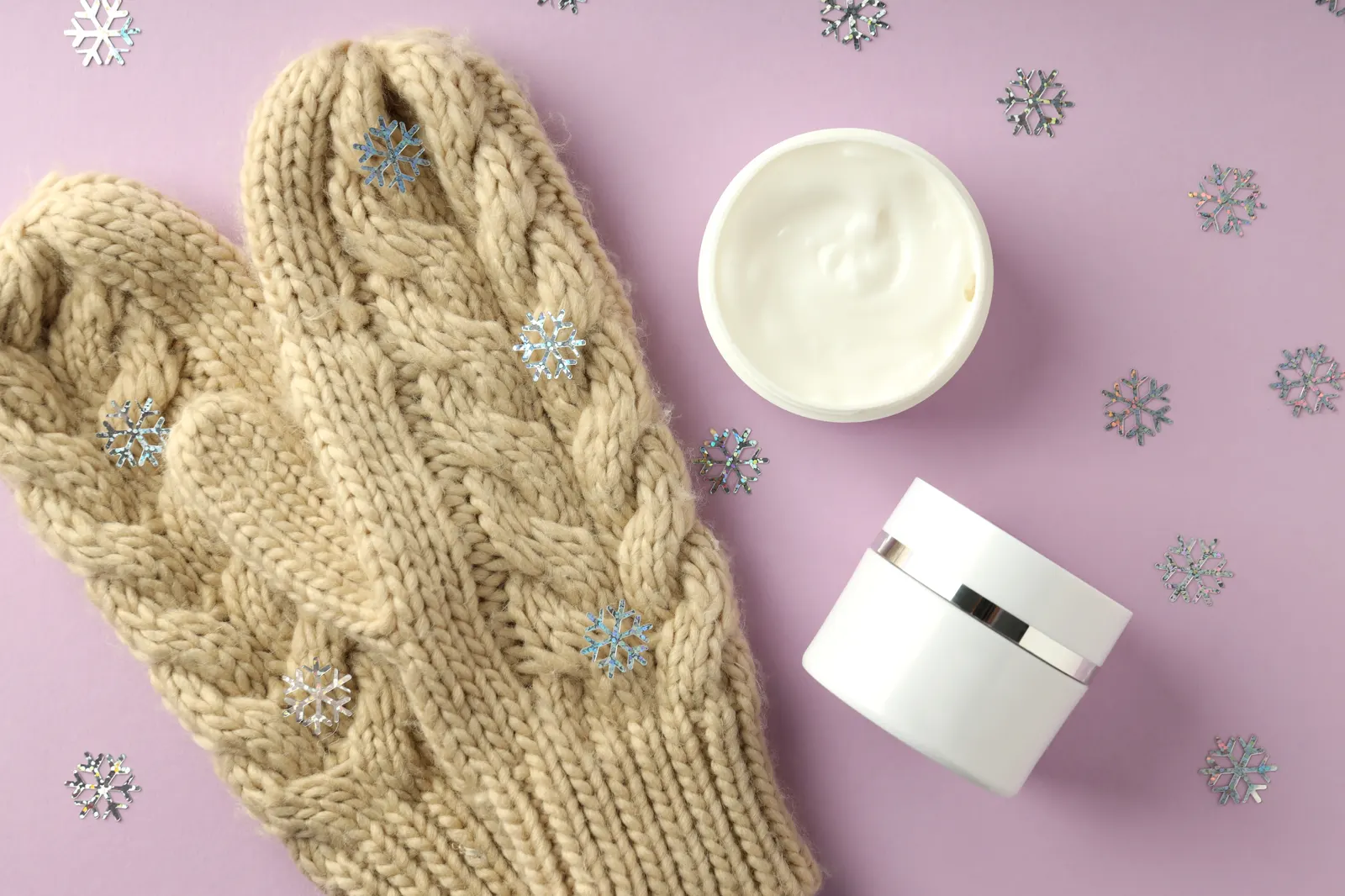 The Overnight Glove Method for Winter HandsCracked knuckles and rough fingertips? A thick balm under cotton gloves overnight, plus three daytime habits, rescues winter hands within days.
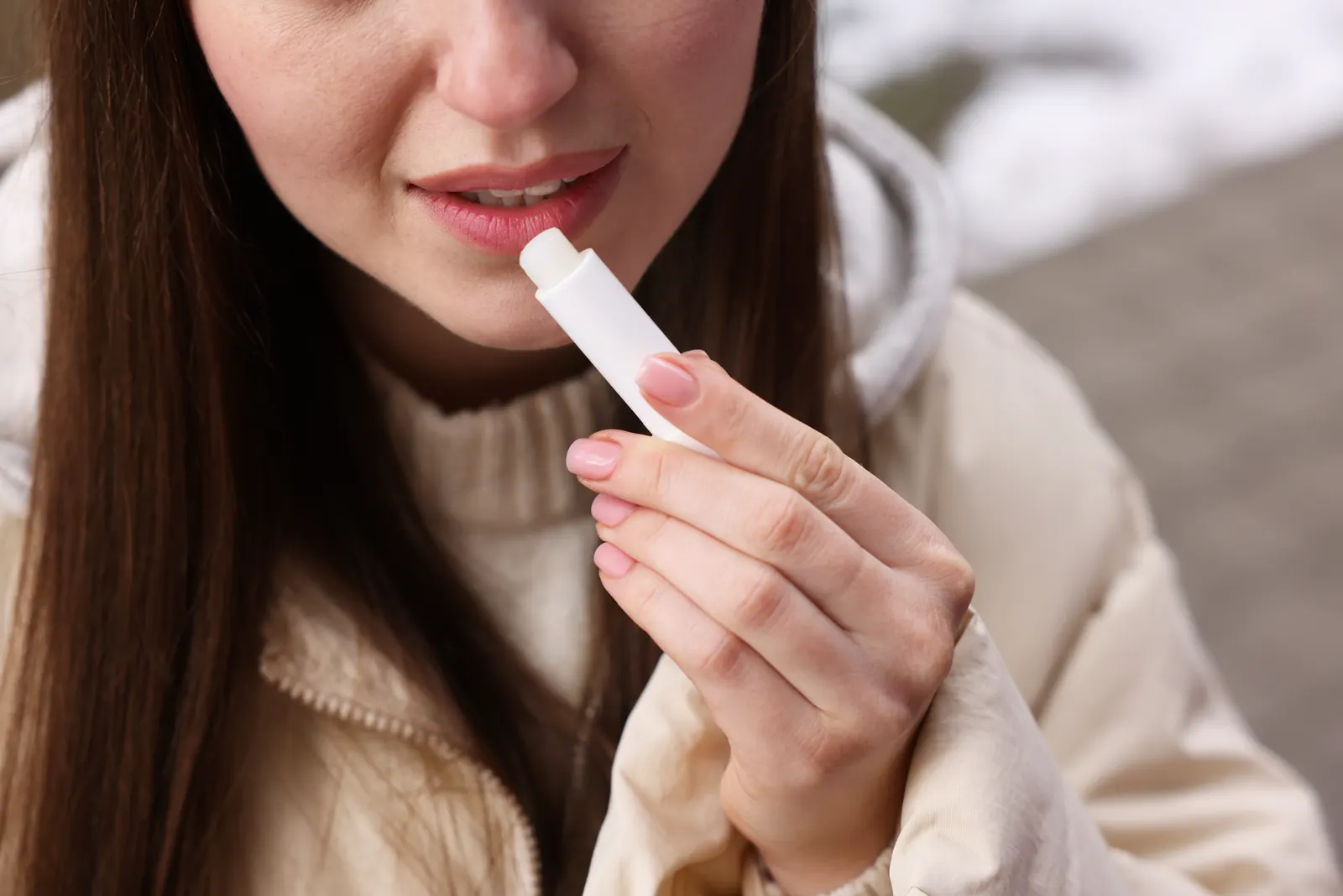 Lip Care for Cold, Windy DaysChapped lips in the cold wind? Stop licking, seal before you step out, and choose a plain balm over minty ones. A two-minute routine that works.
Use it safely
- Asteraceae (daisy family) allergy: people sensitized to ragweed, chrysanthemum, arnica, chamomile or feverfew can react. Calendula contains less sesquiterpene lactone than arnica, but positive patch tests are documented. Patch test first (How to Patch Test).
- Do not confuse with French or African “marigolds” (Tagetes spp.). Tagetes essential oil is phototoxic and restricted by IFRA.
- Balms are for clean, minor wounds and dry, cracked skin. Deep, dirty, hot, swollen or pus-filled wounds need medical attention.
- Homemade infused oils can go moldy (if flowers were not fully dry) or rancid; strain well, add vitamin E or rosemary extract, and store cool and dark.
Pregnancy and breastfeeding: Topical calendula is widely used in pregnancy and on infants’ skin with no known concerns. Oral calendula is traditionally avoided in pregnancy.
New to an ingredient? Patch test first.
When to see a doctor
- Swelling of the lips, eyelids, tongue or throat, or difficulty breathing after using a product — this is an emergency.
- Persistent facial redness, visible vessels, flushing or bumps (possible rosacea), or burning, gritty, red eyes with facial redness (ocular rosacea).
- An itchy rash that spreads beyond where a product was applied or appears 1–3 days later (possible allergic contact dermatitis — ask about patch testing).
- A butterfly-shaped rash across the cheeks with joint pain, fatigue or sun sensitivity.
- Redness or stinging that continues despite a stripped-back routine for 4–6 weeks.
Other plants for Sensitive Skin & Redness
| Ingredient | Grade | What the evidence shows |
|---|---|---|
| Colloidal Oatmeal | B | Avenanthramides are anti-inflammatory and anti-itch; clinical studies support oatmeal products for irritated, itchy and reactive skin. |
| Licorice Root | B | Several small, mostly manufacturer-funded trials of licochalcone A products reduced facial redness, including in mild rosacea. |
| Centella Asiatica (Cica) | C | Madecassoside and asiaticoside reduce inflammation and support barrier repair in the lab; small human studies of centella creams show improved redness and comfort. |
| Green Tea | C | EGCG is anti-inflammatory and reduces UV-induced redness; a small trial suggested benefit in papulopustular rosacea. |
| Aloe Vera | C | Soothing and cooling with small supportive studies; choose stabilized gels without alcohol or fragrance, as some products irritate. |
| Chamomile | C | Bisabolol and chamazulene are anti-inflammatory, but chamomile is in the daisy family and can cause allergy in sensitized people. |