First steps · 6 min read ·
Natural Beauty for Men: A No-Fuss Guide
Wash, shave, moisturize, protect. A short, practical routine for anyone who has never owned a skincare shelf, with beard, scalp and razor-bump help.
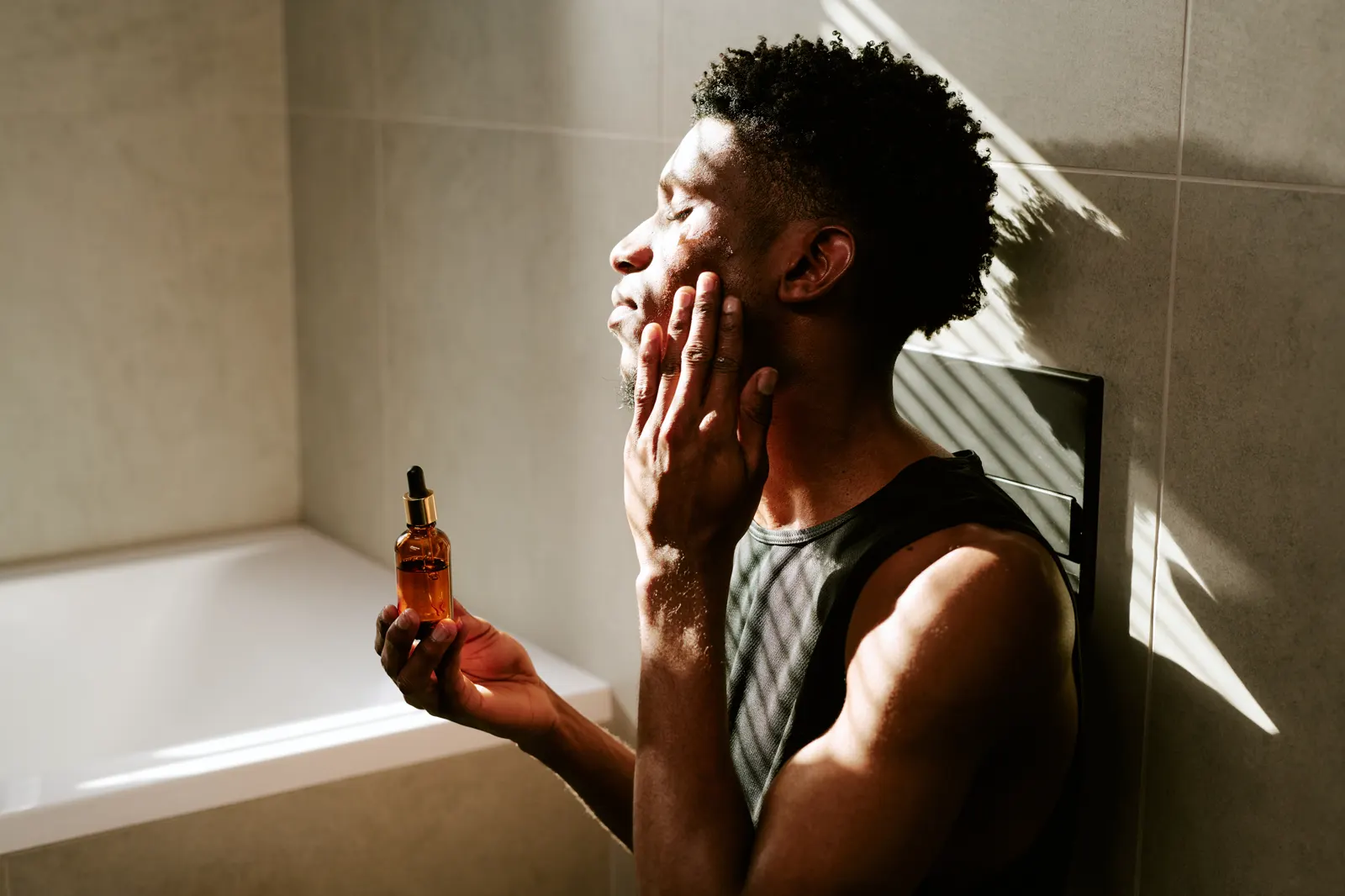
If your current routine is whatever soap is in the shower, you are in good company, and you are closer to a good routine than you think. A few minutes a day, a handful of products and some well-chosen plants can make shaving smoother, skin calmer and a beard softer. No twelve-step regime required.
Skin is skin, with a few differences
This guide is for men, and for anyone who shaves their face or grows a beard. Skin biology is far more similar between people than marketing suggests, and almost everything here works for anyone. There are a few general tendencies worth knowing, though. Testosterone drives slightly thicker skin and more oil production on average, so many men find their skin oilier, with larger-looking pores. Daily shaving adds friction and tiny nicks. And beards bring their own needs: the skin underneath can get dry, flaky or itchy.
The good news is that a short routine handles all of this. Think of it as four steps: wash, shave, moisturize, protect. Everything else is optional.
Step one: wash, but not too hard
Bar soap from the shower is often harsher than your face needs. A gentle face wash, used once or twice a day, removes oil and sweat without leaving that tight, squeaky feeling. Tight skin after washing is a sign to choose something milder.
- Oily skin: a mild gel cleanser. Our Oily Skin & Pores page explains why stripping oil tends to backfire.
- Dry or sensitive skin: a cream cleanser, or just warm water in the morning.
- Beard: wash it with the same mild cleanser or a gentle shampoo a few times a week, and rinse thoroughly. Leftover product is a common cause of beard itch and flakes.
Step two: a calmer shave
Most shaving irritation comes from friction, pressure and dull blades. Small changes make a big difference:
- Shave after a warm shower, when hair is softer.
- Use a cream, gel or oil rather than soap, and give it a minute to soften the stubble.
- Use a sharp blade. Change it as soon as it tugs.
- Shave with the direction of hair growth, with light pressure and short strokes. Fewer passes, not more.
- Rinse with cool water and pat dry.
Then soothe. Plain aloe vera gel is a long-standing favorite after shaving, cool and light; the Calming Aloe After Shaving or Waxing walks through it. Alcohol-heavy aftershaves sting because they are irritating freshly shaved skin; you can skip them. An alcohol-free witch hazel toner is a gentler alternative for oily skin.
Wash, shave, moisturize, protect. Good skin is mostly about turning up every day.
Razor bumps and ingrown hairs
Red, sore bumps after shaving are usually ingrown hairs, where a cut hair curls back into the skin. They are especially common in curly or coily hair, and very common among Black men and others with tightly curled beards. On deeper skin tones they can leave dark marks that last for months.
What helps:
- Do not shave too close. A single-blade razor or an electric trimmer that leaves a little stubble often prevents bumps altogether.
- Shave with the grain, never against it, and do not stretch the skin.
- Give your skin breaks. Even a day or two between shaves helps.
- Do not pick or dig out hairs; it causes scarring and marks.
- Gentle chemical exfoliants such as salicylic or glycolic acid, used a few times a week, can help. Tea tree gels are sometimes used too, though the evidence is thin for this use.
If bumps are persistent, painful or leaving scars, see a doctor or dermatologist. There are effective treatments, and options such as laser hair removal for people who want them. Our Dark Spots & Hyperpigmentation page covers fading dark marks.
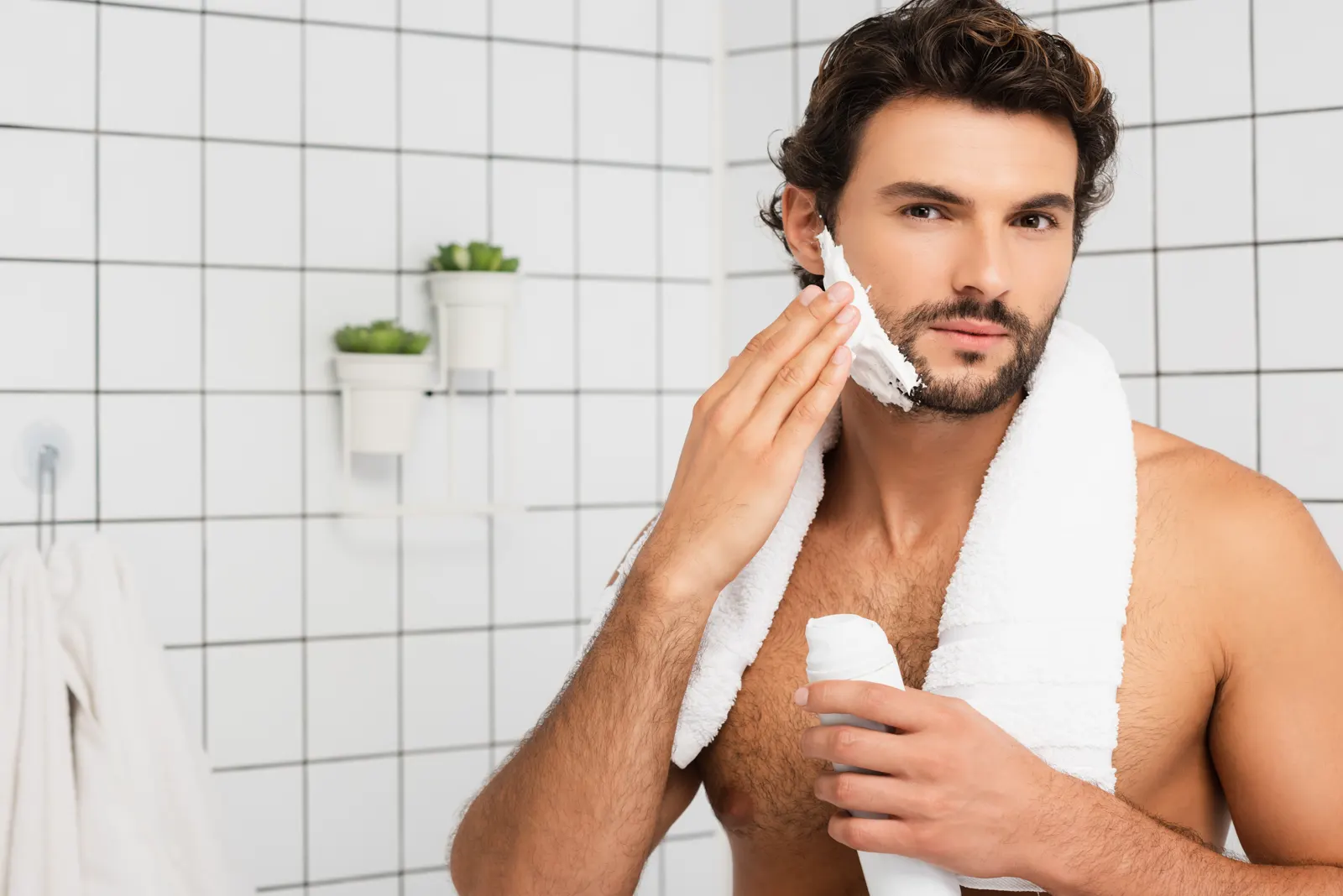
Step three: moisturize, beard included
Moisturizer is not a luxury; it is maintenance. After washing or shaving, a light lotion or gel-cream on slightly damp skin keeps it comfortable. Oily skin can choose an oil-free or very light formula. Dry skin can go richer.
If you have a beard, the skin underneath needs care too. A few drops of beard oil, worked into the roots and the skin below, keep both softer and less itchy. Good natural choices are jojoba, which closely resembles skin’s own oils and suits most people, and argan oil, which adds softness and shine. Keep any added essential oils low, around 1% or less, and patch test first. Our Carrier Oils: The Formulator’s Guide helps you choose.
Step four: protect, and look after your scalp
The single best anti-aging product for any face is sunscreen. Choose a broad-spectrum SPF 30 or above in a texture you will actually wear: many men prefer light fluids or gels that dry matte. Apply it every morning after moisturizer, including the ears, neck and, if your hair is thin, the scalp or a hat. The Two-Finger Sunscreen Rule (and When to Reapply) shows how much to use.
Hair thinning is common and nothing to be embarrassed about. Rosemary oil has one small, promising trial for pattern hair loss, and a scalp massage feels good regardless; the Rosemary Scalp Oil Night: What the Trial Did and Didn’t Show is a gentle start. But the best-proven treatments are medical, such as minoxidil and, for some men, prescription medicines. If you are bothered by thinning, a doctor can help you weigh the options. See Thinning Hair & Hair Loss.
Dandruff responds well to medicated shampoos; the Give Your Dandruff Shampoo Five Minutes explains how to use them properly.
The whole thing, in five minutes
Morning: rinse or wash, shave if you shave, moisturizer, sunscreen.
Evening: wash, moisturizer, a few drops of beard oil if you have a beard.
Weekly: a gentle clay mask on oily zones if you like it.
A word on budget: none of this needs to be expensive. A pharmacy cleanser, a plain moisturizer, a sunscreen you like and a small bottle of jojoba will cover almost everyone. Spend more on sunscreen texture, because that is the one you need to wear every day, and less on anything that promises a transformation.
Add products one at a time, and see a doctor for anything that is painful, spreading, bleeding, or a mole that changes. Otherwise, keep it simple. Good skin is mostly about turning up every day.
Keep going
Put it into practice
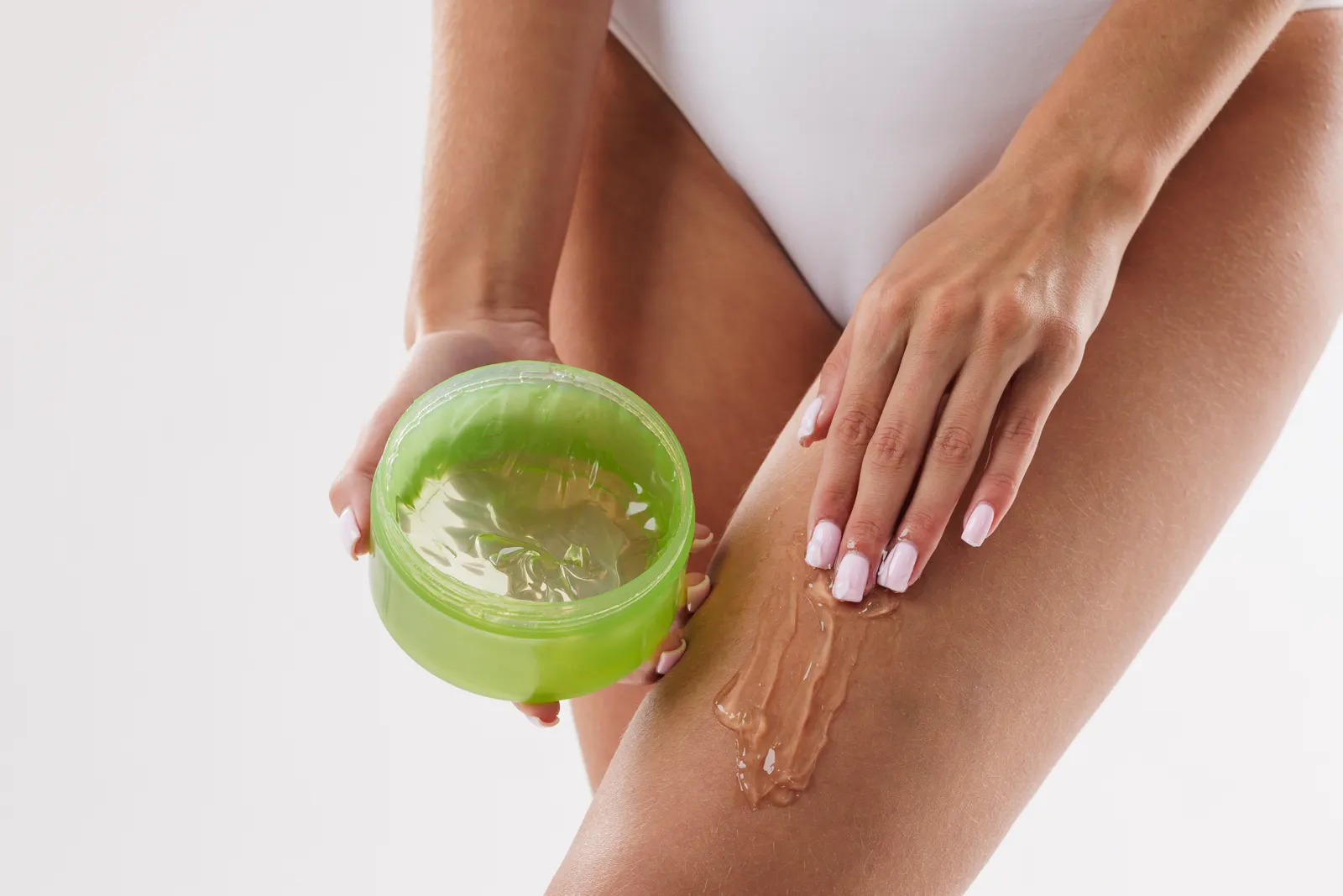 Calming Aloe After Shaving or WaxingRazor burn or post-wax redness on the face? Cool water, a thin layer of preserved aloe gel, and a 24-hour pause on actives help skin settle.
 No. 028
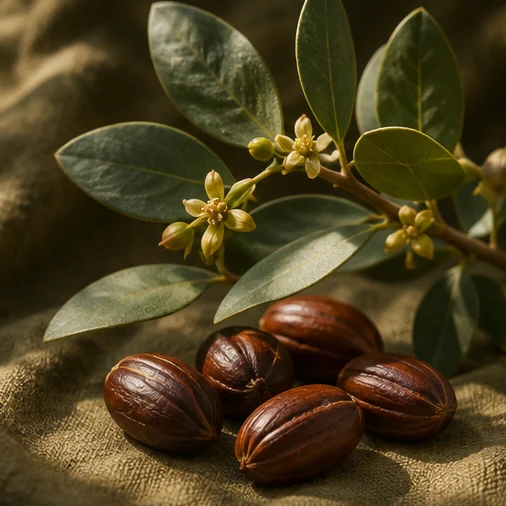
JojobaSimmondsia chinensis (Link) C.K.Schneid.Jojoba is really a liquid wax, which is why it feels so silky, sinks in with a satin finish and keeps for years.ConcernOily Skin & PoresWhy skin overproduces oil, what pore size really is, and how green tea, clay and smart formulas help — alongside niacinamide and retinoids.GuideBuild a Routine That Works (Minimal & Evidence-Based)Cleanse, treat, moisturize, protect: application order, introducing products one at a time, how long to wait for results and sample routines by skin type.
The magazine
More stories you’ll enjoy
 First steps · 6 minYour First Natural Routine: Start With Three ProductsCleanser, moisturizer, sunscreen. A calm, natural-leaning routine that works for every skin tone, age and budget, and how to grow it slowly.
 Seasonal living · 6 minA Winter Skin Plan, Week by WeekCold air outside, dry heat inside: a calm, four-week plan to keep skin soft, lips whole and hands comfortable until spring.
 Self-care & wellbeing · 6 minThe Ten-Minute Evening That Changes Your Skin and Your SleepA short, unhurried wind-down for the end of the day: clean skin, a little oil, softer light and a calmer mind before bed.