First steps · 6 min read ·
Your First Natural Routine: Start With Three Products
Cleanser, moisturizer, sunscreen. A calm, natural-leaning routine that works for every skin tone, age and budget, and how to grow it slowly.
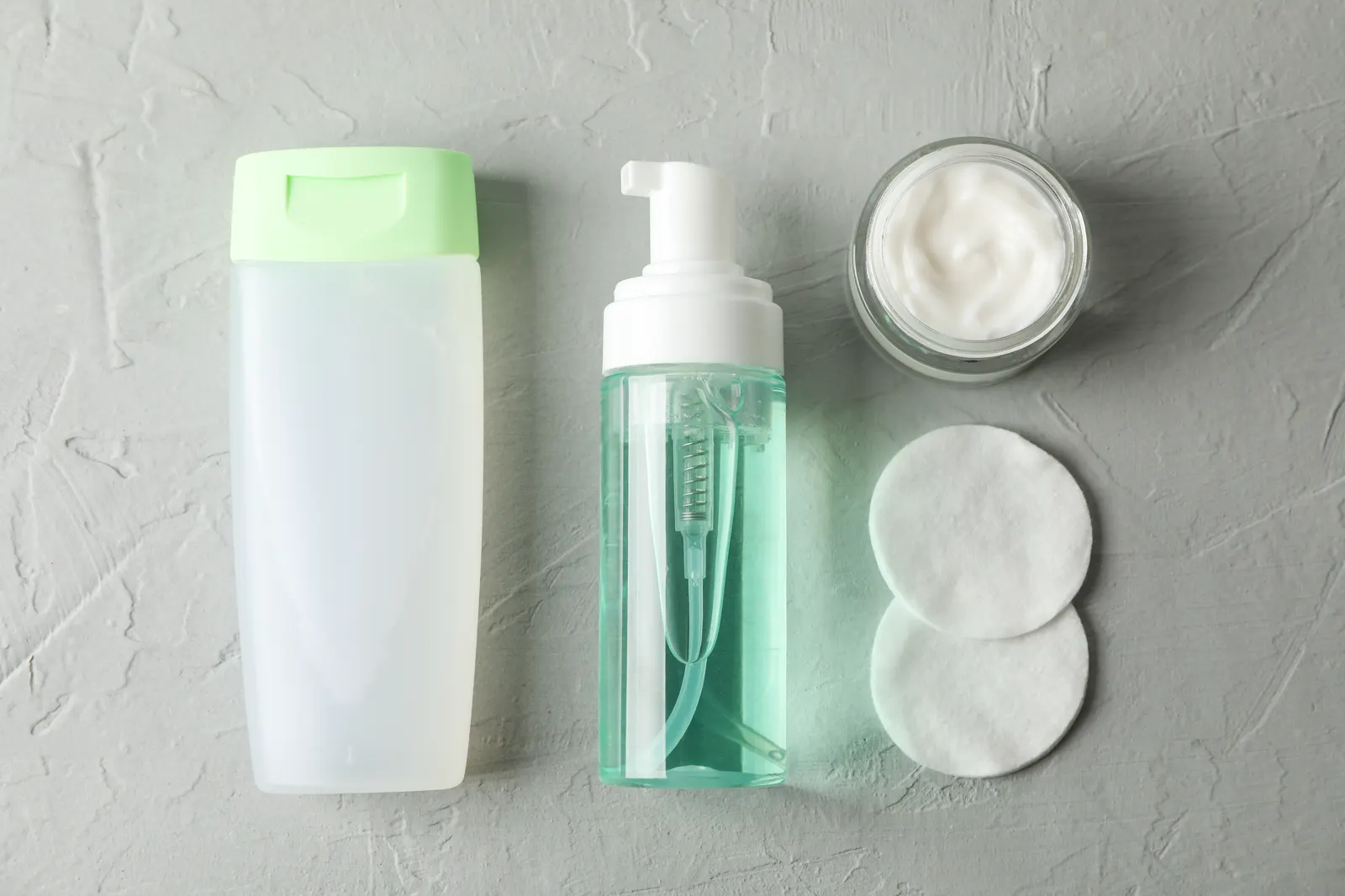
If you are new to skincare, or tired of a crowded shelf that never quite worked, start here. Three products, used well, will do more for your skin than twelve used in a hurry. Natural ingredients can carry most of the load, and the one thing they cannot do, we will be honest about.
Why three is the magic number
Skin needs three things every day: to be cleaned without being stripped, to be kept supple, and to be protected from the sun. Everything else, the serums, the masks, the clever actives, is optional and can come later.
Starting small has real advantages. You spend less. You learn how your skin behaves. And if something does not agree with you, you know exactly which bottle to blame. Dermatologists often recommend exactly this approach for sensitive or reactive skin, and it suits everyone else just as well. Our Build a Routine That Works (Minimal & Evidence-Based) guide explains the logic in more detail.
It also works at every age and for every face. A teenager with their first breakouts, someone in their seventies with thinner, drier skin, a person who has never owned a moisturizer and someone recovering from a shelf of products that stung: the same three steps apply. Only the textures change, lighter for oily skin and humid climates, richer for dry skin and cold winters.
“Natural” is a flexible word, and nobody owns it. Here we mean a routine built mainly on well-understood plant oils, butters, oats and gentle botanicals, with an open mind about modern ingredients where they clearly do a better job. Our piece on Natural vs Synthetic: What Actually Matters goes into why that balance matters.
Product one: a gentle cleanser
The aim is to remove sunscreen, sweat and the day without leaving your face tight. If your skin feels squeaky or itchy after washing, your cleanser is too strong.
- Dry, normal or sensitive skin: a cream, milk or balm cleanser. A balm based on sunflower oil or other plant oils, like the Sunflower Cleansing Balm, melts off the day and rinses clean.
- Oily or breakout-prone skin: a mild, low-foam gel. Gentle is still the goal; stripping oily skin often makes it feel oilier by lunchtime.
- Everyone: lukewarm water, fingertips not scrubs, and a soft towel.
Many people only need to cleanse properly in the evening. In the morning, a splash of water is often enough, especially for dry or mature skin.
Product two: a moisturizer you enjoy
A good moisturizer does three things: it attracts water, softens the surface and slows water loss. Many natural-leaning creams do this beautifully, using glycerin or aloe for water, plant oils and butters such as shea butter for softness, and soothing botanicals like calendula, colloidal oatmeal or centella asiatica (cica).
Choose by feel:
- Oily skin: a light gel-cream or lotion.
- Combination or normal skin: a light cream.
- Dry or mature skin: a richer cream, perhaps with a few drops of face oil pressed on top at night.
Apply it to slightly damp skin, straight after cleansing, morning and night. The Soak and Seal: The Three-Minute Rule for Eczema-Prone Skin is the single most useful habit in this whole article.
If you love simple formulas, a single gentle plant oil over damp skin can work as a night moisturizer for dry skin. Water-based creams you make yourself need a proper preservative, so for beginners we recommend buying the cream and making the fun extras later.
Three products, used well, will do more for your skin than twelve used in a hurry.
Product three: sunscreen, every morning
This is where we are completely honest. No plant oil, butter or extract gives reliable sun protection, and homemade sunscreens are never safe, because there is no way to know their real SPF at home. Daily broad-spectrum sunscreen of SPF 30 or more is one of the best-proven things you can do for your skin: it reduces sunburn, dark marks, skin cancer risk and the visible signs of aging.
Natural-leaning shoppers often prefer mineral sunscreens with zinc oxide or titanium dioxide. Modern formulas are much less chalky than they used to be, and tinted versions blend well on medium and deep skin tones. If a mineral formula leaves a gray cast on you, a well-made chemical-filter sunscreen is a perfectly good choice. The best sunscreen is the one you like enough to wear every day.
Use enough: about two finger-lengths for face and neck, as the Two-Finger Sunscreen Rule (and When to Reapply) explains. Our Sun Care & After-Sun page covers reapplication and everything else.
Deeper skin needs sunscreen too. It may burn less easily, but it is very prone to dark marks after spots, scratches and irritation, and the sun deepens them.

How to start, and how to grow
Introduce the three products one at a time, a few days apart, patch testing each first; our How to Patch Test (and Read the Result) guide shows you how. Then give the routine at least four weeks before judging it. Skin takes time to settle.
When the basics feel easy, you can add one extra at a time, chosen for a goal:
- Breakouts: a targeted treatment for Acne & Breakouts.
- Dark marks: something for Dark Spots & Hyperpigmentation, such as a licorice or niacinamide serum.
- Fine lines and texture: a retinoid, or a gentler alternative like bakuchiol. See Aging & Photoaging.
- Dryness: a nourishing face oil at night.
Keep a simple note on your phone: the date you started each product and anything you noticed. It sounds fussy, but it turns guesswork into knowledge. After a few months you will know which textures your skin loves, which ingredients it shrugs off, and which ones it quietly dislikes. That knowledge is worth more than any single product.
Leave at least two to four weeks between additions. If something stings, burns or causes new spots, stop it and go back to your three.
A few friendly safety notes
- Fragrance is optional. If your skin is sensitive, choose unscented products; essential oils smell lovely but are common irritants on the face.
- Pregnant or breastfeeding? The three basics are all fine, but check extras such as retinoids and some essential oils. Our Skincare in Pregnancy & Breastfeeding guide helps.
- Persistent problems such as painful acne, spreading rashes, patches that will not heal, or a mole that changes deserve a doctor or dermatologist. A gentle routine supports treatment; it does not replace it.
- Children and teens generally need even less: a mild wash, a simple moisturizer if dry, and sunscreen outdoors.
Three products, used well, for a month. It sounds almost too simple. Try it, and let your skin tell you what it thinks.
Keep going
Put it into practice
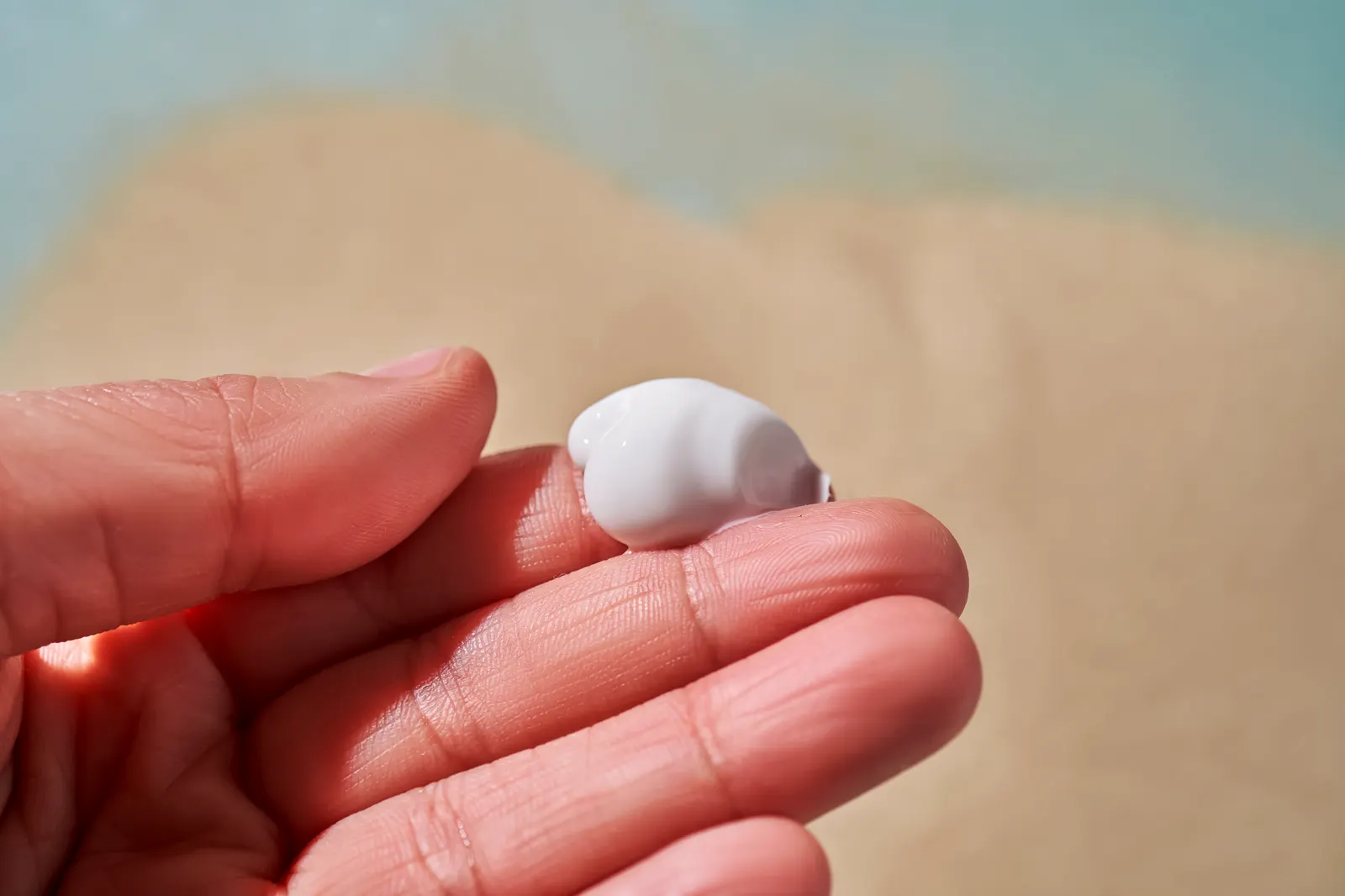 The Two-Finger Sunscreen Rule (and When to Reapply)Most of us apply a fraction of the sunscreen tested on the label. The two-finger rule fixes the dose for face and neck; here is how to reapply, too.
 Cleanser · IntermediateSunflower Cleansing BalmA sherbet-textured cleansing balm of sunflower, shea and jojoba with a plant-derived emulsifier that turns milky and rinses clean, sunscreen included.
ConcernSun Care & After-SunUVA, UVB, SPF and visible light explained. No plant oil gives reliable SPF: use tested broad-spectrum SPF 30+, never DIY sunscreen — then soothe with aloe.
The magazine
More stories you’ll enjoy
 First steps · 6 minNatural Beauty for Men: A No-Fuss GuideWash, shave, moisturize, protect. A short, practical routine for anyone who has never owned a skincare shelf, with beard, scalp and razor-bump help.
 Seasonal living · 6 minA Winter Skin Plan, Week by WeekCold air outside, dry heat inside: a calm, four-week plan to keep skin soft, lips whole and hands comfortable until spring.
 Self-care & wellbeing · 6 minThe Ten-Minute Evening That Changes Your Skin and Your SleepA short, unhurried wind-down for the end of the day: clean skin, a little oil, softer light and a calmer mind before bed.