Does it work?
Yuzu for Dry & Dehydrated Skin
Sparkling, floral citrus from Japan’s winter-solstice bath: a bright scent that feels like a fresh start.
The short answer: Skin claims rest on composition and lab antioxidant data; the only human work concerns the psychological effects of its aroma, not skin outcomes.
Our Dry & Dehydrated Skin guide does not rank Yuzu for this use yet, so this is the overall grade for Yuzu.
What Yuzu can do for Dry & Dehydrated Skin
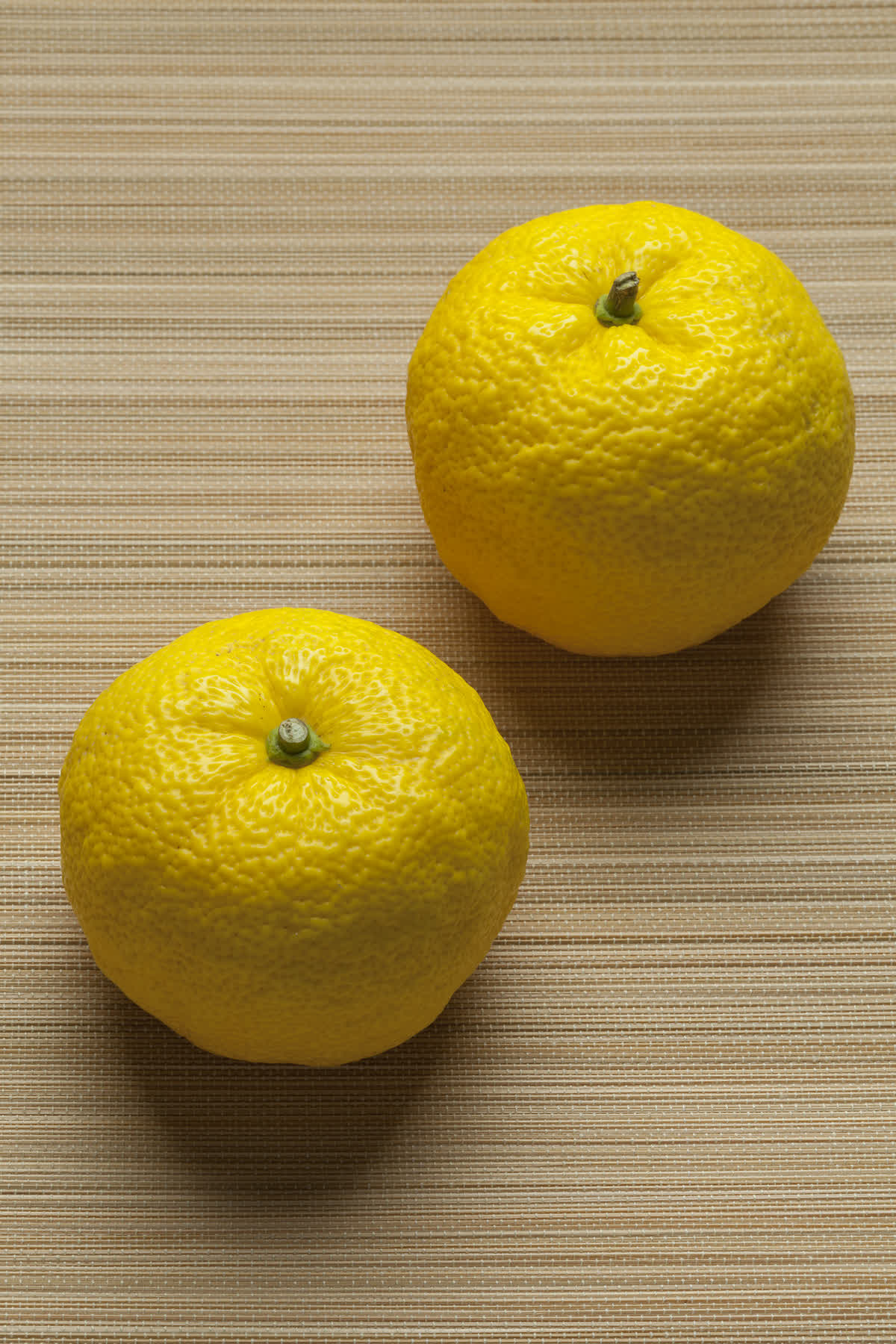
Yuzu is a small, knobbly East Asian citrus with an intensely fragrant peel — somewhere between grapefruit, mandarin and lime. In beauty it is above all a fragrance ingredient, plus fruit extracts with antioxidant flavonoids, and it is the star of Japan’s winter-solstice yuzu-yu bath. There is no meaningful evidence that yuzu treats skin conditions, and like other citrus peel oils it can irritate and should be used at low levels.
Why people reach for it
- A bright, uplifting fragrance. Yuzu peel oil gives a fresh, sparkling citrus note that is softer and more floral than lemon. Small Japanese studies suggest inhaling yuzu aroma can have short-term relaxing effects — pleasant, but not a skin benefit.
- Antioxidant fruit extracts. Yuzu fruit and peel extracts contain flavonoids such as hesperidin and naringin that are antioxidant in lab tests. They are supporting ingredients in toners and essences, not a replacement for proven antioxidants or sunscreen.
- A seasonal bath ritual. A few whole yuzu floating in a hot bath scent the water and the room. The warmth and ritual are the real comforts; the fruit adds aroma, and some people find it slightly tingly on the skin.
How to use it
Try it today
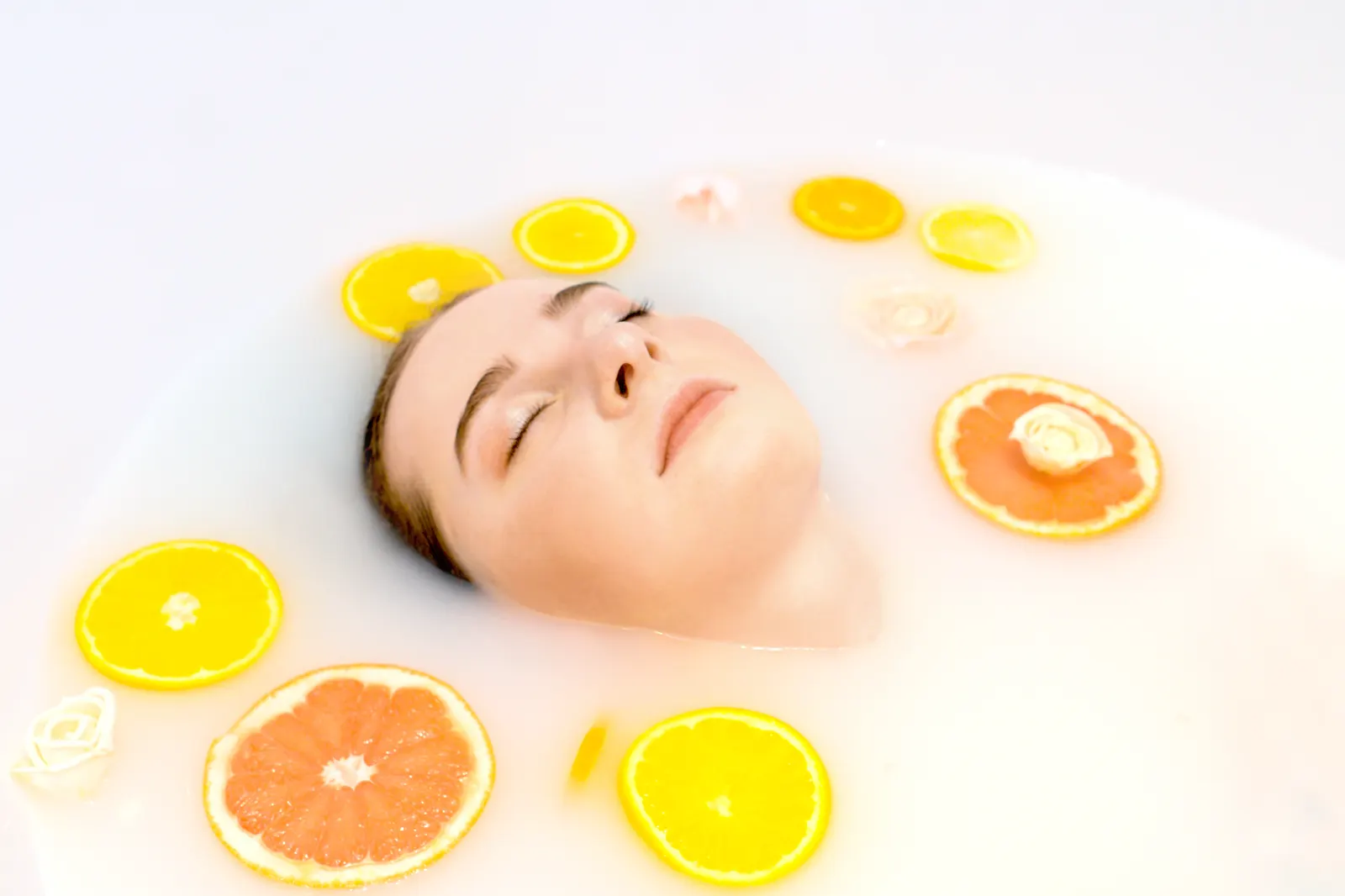
A winter-solstice yuzu bath
- Wash 3–6 whole yuzu and float them, uncut, in a hot bath; cut fruit stings more.
- Soak and breathe in the aroma; skip it if your skin is broken, very sensitive or flaring.
- Rinse off afterwards if your skin feels tingly.
| Form | Typical use | Notes |
|---|---|---|
| Yuzu peel essential oil in leave-on face products | Up to 0.5% (cold-pressed) unless the supplier certifies it furocoumarin-free; up to 1% for distilled or FCF oil | Blend into a carrier oil or cream and avoid applying to skin that will see strong sun within 12–18 hours if furocoumarin content is unknown. Use the Essential Oil Dilution Calculator and our Essential Oil Safety: The Complete Guide guide. |
| Yuzu oil in body and rinse-off products | Body leave-on: up to 1%; rinse-off (shower gel, shampoo): up to 1–2% | Rinse-off products carry negligible phototoxic risk. Keep away from eyes and mucous membranes; citrus oils can sting. |
| Yuzu fruit or peel extract | 0.5–3% of a toner, essence or cream | Water-soluble extracts contain flavonoids rather than much essential oil, so they are gentler and not phototoxic. They need a preserved formula. |
| Traditional yuzu bath (yuzu-yu) | 3–6 whole fruits in a full bath | Float whole, washed fruits; cutting or squeezing them releases far more oil and makes stinging more likely. Rinse off afterwards if your skin feels tingly, and skip it on broken or very sensitive skin. |
Daily rituals with Yuzu
Use it safely
- Possible phototoxicity: cold-pressed yuzu oil may contain furocoumarins. Flagged here as a precaution because data are limited; distilled or certified furocoumarin-free (FCF) oil avoids the issue.
- Sensitization from oxidized oil: limonene hydroperoxides form as citrus oils age. Buy small bottles, refrigerate, and discard oil that smells sharp, turpentine-like or stale.
- Contains limonene and linalool, both EU-labeled fragrance allergens. Patch test before wider use (How to Patch Test).
- Yuzu baths can cause temporary stinging or redness in some people, especially with cut fruit; avoid on eczema flares and broken skin.
Pregnancy and breastfeeding: Properly diluted yuzu oil in cosmetics and an occasional yuzu bath are generally considered acceptable in pregnancy; keep essential-oil use low and avoid high-concentration blends (Skincare in Pregnancy & Breastfeeding).
Sun sensitivity: This plant can make skin react to sunlight. Follow the limits in the full monograph.
New to an ingredient? Patch test first.
When to see a doctor
- Dryness with intense itch that disturbs sleep, or red, inflamed patches (possible eczema or another dermatitis).
- Cracked, bleeding or weeping skin, or signs of infection (pain, warmth, yellow crusts, pus).
- Fish-scale-like dryness present since childhood (possible ichthyosis).
- New, persistent dryness with fatigue, weight change, feeling cold or hair thinning (thyroid), or with excessive thirst and urination (diabetes).
- Severe dryness in older adults with widespread itch that does not respond to moisturizers.
Other plants for Dry & Dehydrated Skin
| Ingredient | Grade | What the evidence shows |
|---|---|---|
| Colloidal Oatmeal | B | Multiple clinical studies show colloidal oatmeal creams and baths reduce dryness, scaling and itch; it is an approved skin protectant in the US. |
| Sunflower Oil | B | Linoleic-rich sunflower seed oil preserved stratum corneum integrity and improved hydration in a comparative study with olive oil, and supports barrier function in neonatal studies. |
| Coconut Oil | B | A randomized trial found virgin coconut oil as effective and safe as mineral oil for mild to moderate xerosis of the legs. |
| Shea Butter | C | Rich emollient and mild occlusive with anti-inflammatory triterpene esters; small studies of shea-containing creams support hydration. |
| Squalane | C | A skin-identical, stable, lightweight emollient that reduces roughness; excellent tolerability but limited trial data on its own. |
| Jojoba | C | A liquid wax ester that resembles skin’s own wax esters; small studies support barrier repair and softness. |
| Aloe Vera | C | A humectant gel that improved skin hydration in small studies; on its own it is not enough for very dry skin and needs an emollient on top. |
| Marshmallow Root | D | Mucilage polysaccharides form a soothing, humectant film; evidence is traditional and lab-based. |