· Traditions · 20 min
A Yuzu Bath, the Japanese Way
Float whole yuzu in a warm bath for a bright citrus steam. A gentle Japanese seasonal custom to enjoy at home, with tips for sensitive skin.
- Time
- 20 min
- Evidence
- DTraditional wisdom
- Time
- 20 min
- Evidence
- DTraditional wisdom
You’ll need
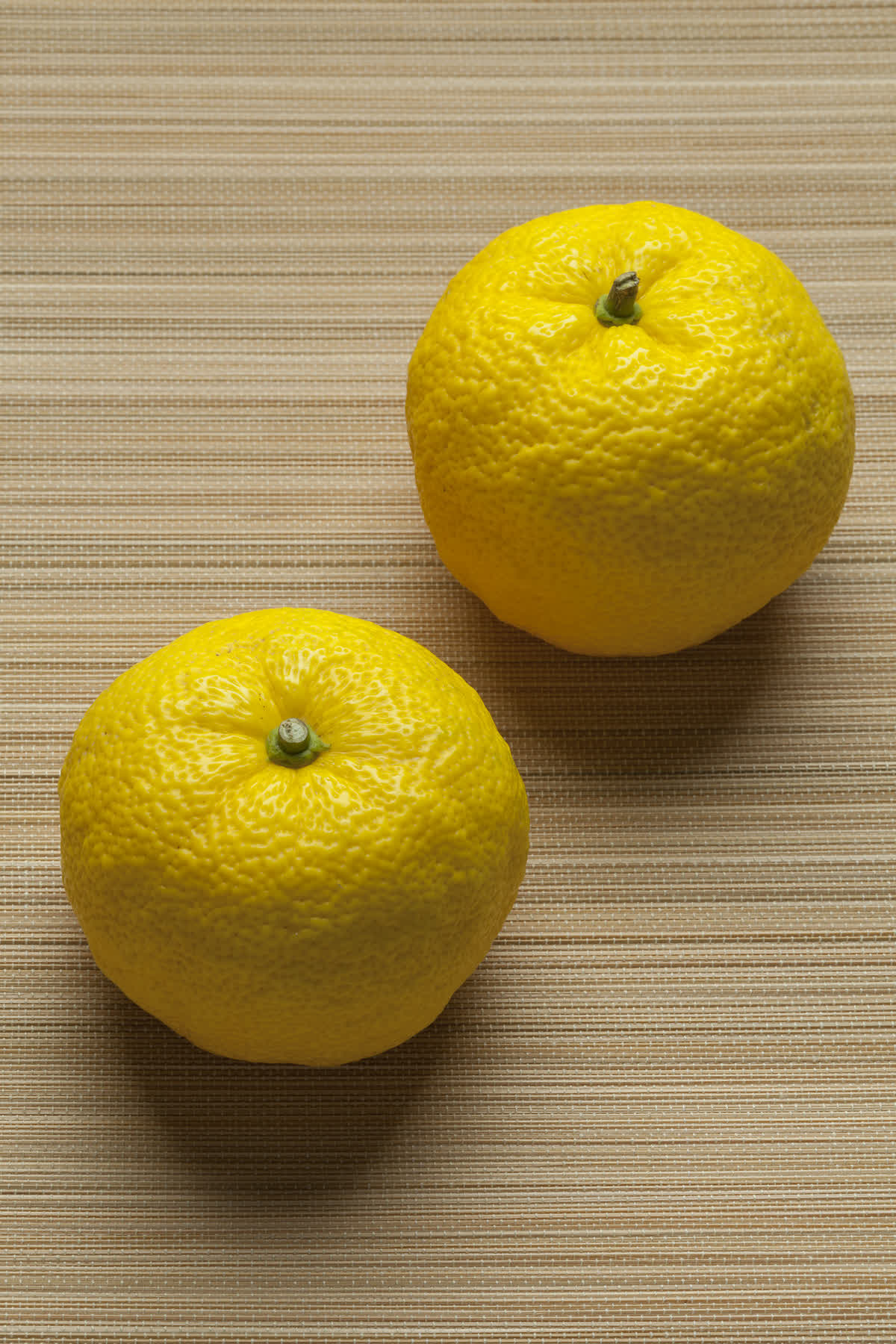
- 2–4 whole yuzu (or one yuzu plus a mandarin or lemon if yuzu is hard to find)
- A comfortably warm bath, roughly 38–40 °C for most people
- A cotton cloth or mesh bag, only if you choose to cut a fruit
- A plain, fragrance-free moisturizer for afterwards
Traditional wisdom: A cherished seasonal tradition; there is no meaningful human research on yuzu baths themselves, only on warm bathing in general.
Formulator’s tip
Before the bath, press a thumbnail lightly into the peel of one fruit and breathe in. That single scratch releases a surprising amount of scent without the sting of a cut half.
Step by step
- Rinse the fruit under the tap to remove dust and any wax. Unwaxed fruit is best, since the peel is the whole point.
- Run the bath warm, not scalding. Float the whole fruit on the water and let the steam build for a few minutes before you get in.
- Soak for 10–15 minutes. Roll a yuzu gently between your palms under the water: the peel releases a little more scent each time you warm and press it.
- Want a stronger scent? Halve one fruit and tie it in the cloth or mesh bag so pulp and seeds stay contained. Skip this step if your skin is sensitive.
- Rinse off with plain water, especially if you used cut fruit, then pat dry.
- Moisturize within a few minutes while skin is still slightly damp; warm water and citrus oils can both leave skin feeling tight.
- Lift the fruit out and compost it. Bath-soaked fruit is not for eating.
Why it works
The pleasure here is mostly scent and warmth. Yuzu peel is rich in aromatic oils, mainly limonene, and a warm bath carries them into the steam. A comfortable soak is relaxing for most people and a lovely way to slow down before bed.
Claims that yuzu baths ward off colds or “boost circulation” come from tradition, not trials. What we can say is that whole fruit releases only a little peel oil into the water, which keeps the bath gentle; cut fruit releases much more, and citrus oils can sting sensitive or freshly shaved skin. If your skin is dry or eczema-prone, keep the soak short and seal in moisture afterwards, as explained in The Skin Barrier, Explained.
Where it comes from
Yuzu-yu, the yuzu bath, is a long-standing Japanese custom on tōji, the winter solstice, when families and public bathhouses float the fruit in hot water and wish one another good health for the cold months ahead.
Enjoy it safely
- Citrus peel oils can irritate. Use whole fruit only if you have sensitive or eczema-prone skin, broken skin, or a fresh shave or wax.
- Limonene becomes a skin sensitizer as it oxidizes, so use fresh fruit rather than old dried peel or an old bottle of citrus oil.
- For young children, use whole fruit only, keep the soak short and supervise closely.
- If you are pregnant or have a heart condition, keep the water warm rather than hot, and check with your doctor about long baths.