Does it work?
Yuzu for Dark Spots & Hyperpigmentation
What the research says about yuzu for dark spots & hyperpigmentation, how to use it at home and how to stay safe.
The short answer: Skin claims rest on composition and lab antioxidant data; the only human work concerns the psychological effects of its aroma, not skin outcomes.
Our Dark Spots & Hyperpigmentation guide does not rank Yuzu for this use yet, so this is the overall grade for Yuzu.
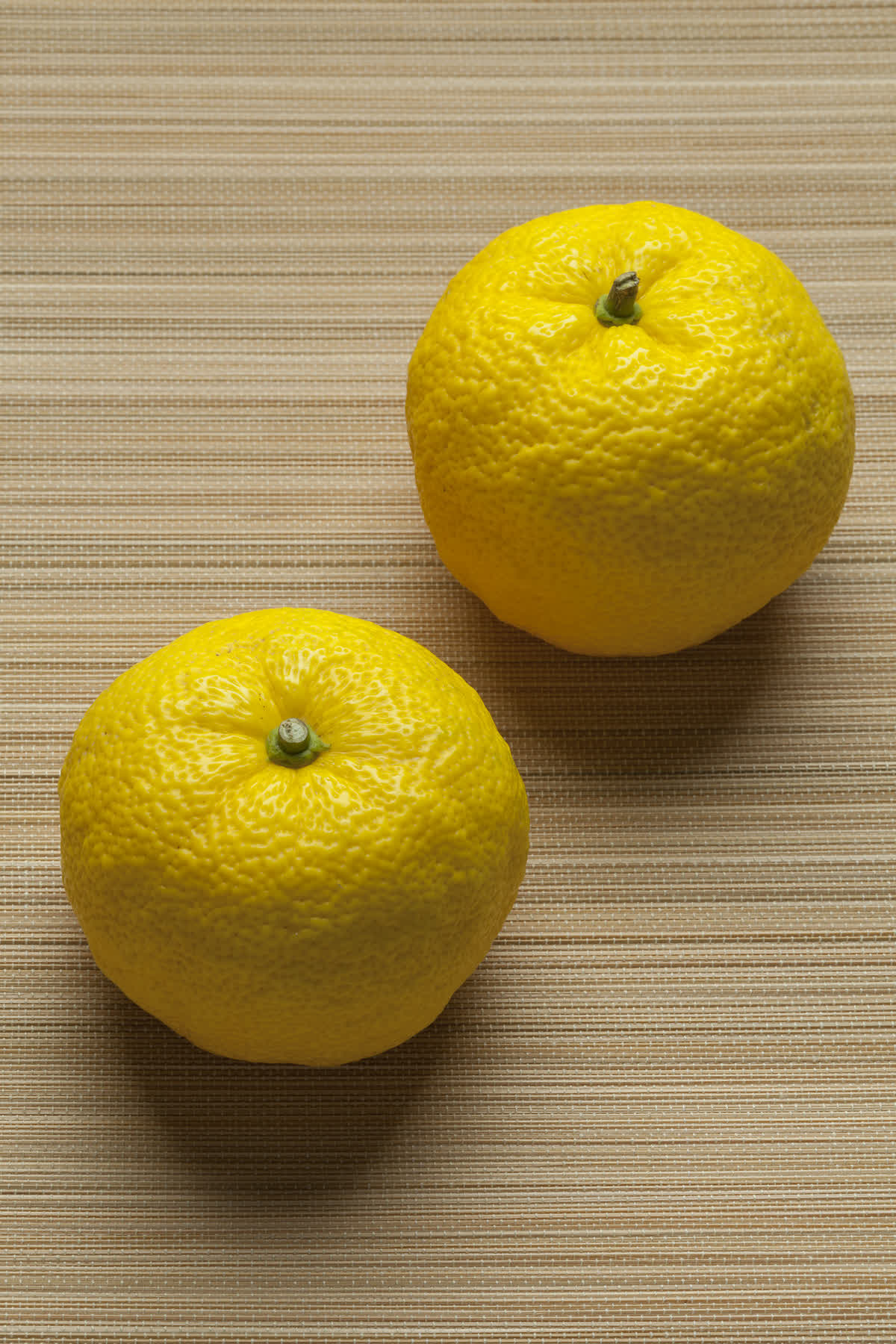
What it does
Yuzu is a small, knobbly East Asian citrus with an intensely fragrant peel — somewhere between grapefruit, mandarin and lime. In beauty it is above all a fragrance ingredient, plus fruit extracts with antioxidant flavonoids, and it is the star of Japan’s winter-solstice yuzu-yu bath. There is no meaningful evidence that yuzu treats skin conditions, and like other citrus peel oils it can irritate and should be used at low levels.
Why people reach for it
- A bright, uplifting fragrance. Yuzu peel oil gives a fresh, sparkling citrus note that is softer and more floral than lemon. Small Japanese studies suggest inhaling yuzu aroma can have short-term relaxing effects — pleasant, but not a skin benefit.
- Antioxidant fruit extracts. Yuzu fruit and peel extracts contain flavonoids such as hesperidin and naringin that are antioxidant in lab tests. They are supporting ingredients in toners and essences, not a replacement for proven antioxidants or sunscreen.
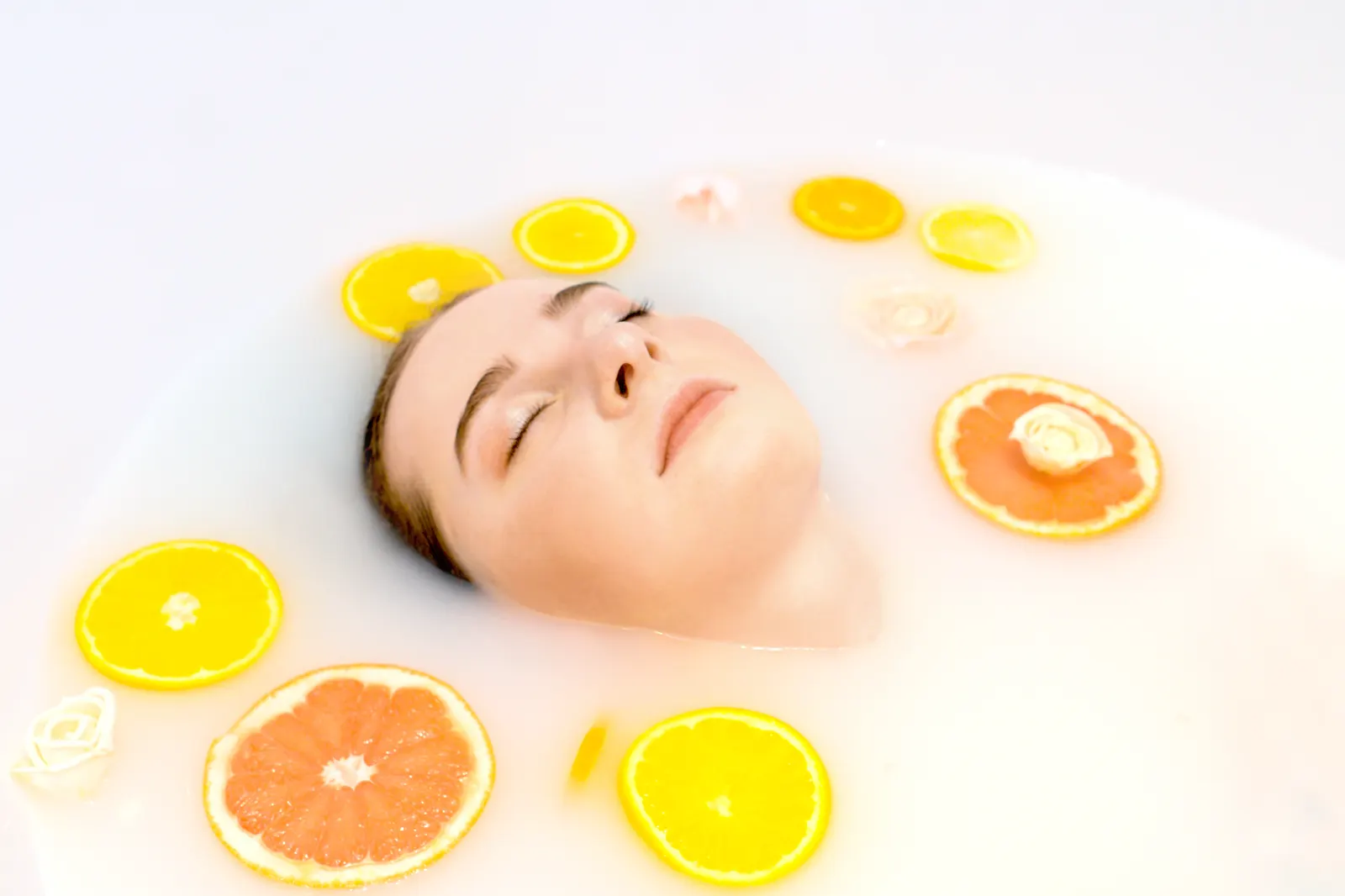
- A seasonal bath ritual. A few whole yuzu floating in a hot bath scent the water and the room. The warmth and ritual are the real comforts; the fruit adds aroma, and some people find it slightly tingly on the skin.
How to use it
| Form | Typical use | Notes |
|---|---|---|
| Yuzu peel essential oil in leave-on face products | Up to 0.5% (cold-pressed) unless the supplier certifies it furocoumarin-free; up to 1% for distilled or FCF oil | Blend into a carrier oil or cream and avoid applying to skin that will see strong sun within 12–18 hours if furocoumarin content is unknown. Use the Essential Oil Dilution Calculator and our Essential Oil Safety: The Complete Guide guide. |
| Yuzu oil in body and rinse-off products | Body leave-on: up to 1%; rinse-off (shower gel, shampoo): up to 1–2% | Rinse-off products carry negligible phototoxic risk. Keep away from eyes and mucous membranes; citrus oils can sting. |
| Yuzu fruit or peel extract | 0.5–3% of a toner, essence or cream | Water-soluble extracts contain flavonoids rather than much essential oil, so they are gentler and not phototoxic. They need a preserved formula. |
| Traditional yuzu bath (yuzu-yu) | 3–6 whole fruits in a full bath | Float whole, washed fruits; cutting or squeezing them releases far more oil and makes stinging more likely. Rinse off afterwards if your skin feels tingly, and skip it on broken or very sensitive skin. |
Daily rituals with Yuzu
Use it safely
- Possible phototoxicity: cold-pressed yuzu oil may contain furocoumarins. Flagged here as a precaution because data are limited; distilled or certified furocoumarin-free (FCF) oil avoids the issue.
- Sensitization from oxidized oil: limonene hydroperoxides form as citrus oils age. Buy small bottles, refrigerate, and discard oil that smells sharp, turpentine-like or stale.
- Contains limonene and linalool, both EU-labeled fragrance allergens. Patch test before wider use (How to Patch Test).
- Yuzu baths can cause temporary stinging or redness in some people, especially with cut fruit; avoid on eczema flares and broken skin.
Pregnancy and breastfeeding: Properly diluted yuzu oil in cosmetics and an occasional yuzu bath are generally considered acceptable in pregnancy; keep essential-oil use low and avoid high-concentration blends (Skincare in Pregnancy & Breastfeeding).
Sun sensitivity: This plant can make skin react to sunlight. Follow the limits in the full monograph.
New to an ingredient? Patch test first.
When to see a doctor
- Any spot that is changing in size, shape or color, has irregular borders or several colors, is larger than about 6 mm, itches, bleeds or crusts (the ABCDE warning signs of melanoma).
- A new dark streak in a fingernail or toenail, or a dark spot on the palm, sole or mucosa.
- Widespread, unexplained darkening of the skin, gums or skin creases, especially with fatigue, weight loss or dizziness.
- New or changing pigmentation in pregnancy that worries you — most is harmless melasma, but a changing mole should always be checked.
- Pigmentation that does not improve after 3 months of strict sun protection and treatment, or if you want prescription options.
- A dark patch that started after a new medicine (e.g. minocycline, some antimalarials or chemotherapy).
Other plants for Dark Spots & Hyperpigmentation
| Ingredient | Grade | What the evidence shows |
|---|---|---|
| Licorice Root | B | Glabridin and liquiritin inhibit tyrosinase and disperse melanin; small controlled trials of liquiritin and licorice-extract creams improved melasma and PIH. |
| Bakuchiol | C | In a randomized trial against retinol for photoaging, 0.5% bakuchiol improved mottled pigmentation; it has not been properly tested in melasma. |
| Aloe Vera | C | Aloesin inhibits tyrosinase in the lab, and small human studies of aloe-based products suggest mild lightening, including a small trial in pregnancy melasma. |
| Green Tea | C | EGCG reduces melanin production in the lab and protects against UV-induced inflammation; clinical depigmenting data are limited. |
| Turmeric | C | Curcuminoids inhibit tyrosinase in vitro, and a small study of a turmeric-extract cream reported modest reduction of facial spots. Raw turmeric stains and can irritate. |
| Rosehip Oil | D | Often marketed for dark marks, but its trans-retinoic acid content is unproven and human data for pigmentation are lacking; useful as a light emollient. |