Does it work?
Seaweed (Brown Algae) for Dry & Dehydrated Skin
Silky and mineral-rich from Atlantic shores: the heart of Breton thalassotherapy, for softly hydrated skin.
The short answer: Polysaccharides hydrate and form films predictably, and small split-face and supplier studies report hydration or elasticity changes with algae extracts, but independent controlled trials are few and slimming claims lack support.
Our Dry & Dehydrated Skin guide does not rank Seaweed (Brown Algae) for this use yet, so this is the overall grade for Seaweed (Brown Algae).
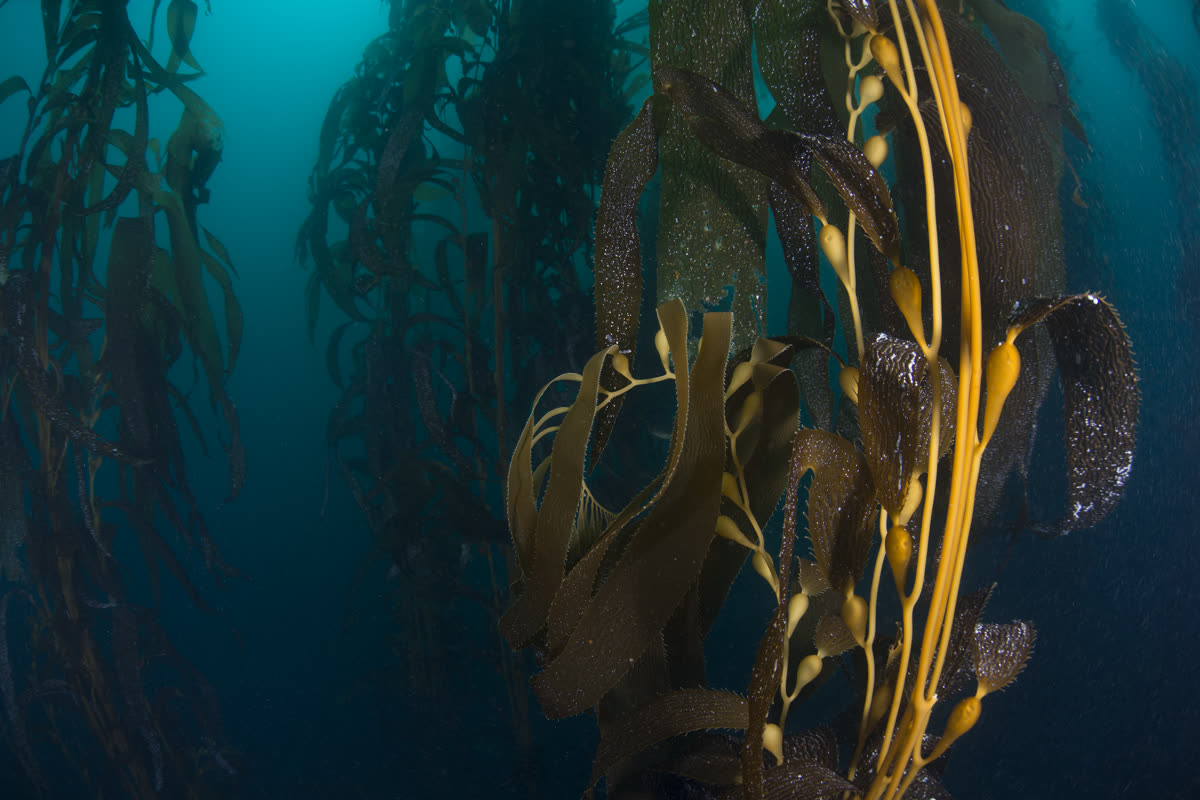
What Seaweed (Brown Algae) can do for Dry & Dehydrated Skin
Seaweeds are marine algae, and the brown kelps and wracks of Atlantic shores — Laminaria, Fucus and Ascophyllum — are the classic algae of European spa care. They supply water-binding polysaccharides (alginate, fucoidan, laminarin), antioxidant polyphenols and minerals, which make them good hydrating and film-forming ingredients. Brown algae are also exceptionally rich in iodine, which matters for frequent wraps and baths, and claims about slimming and cellulite are not supported.
Why people reach for it
- Hydration and a soft, protective film. Alginate, fucoidan and red-algal carrageenans bind water and form flexible films on skin, reducing tightness and dryness. They are reliable hydrating ingredients in gels, masks and creams (Dry & Dehydrated Skin).
- Antioxidant and soothing activity. Brown-algal phlorotannins and fucoidan are antioxidant and anti-inflammatory in lab studies, and fucoidan inhibits collagen-degrading enzymes in vitro — a plausible supporting role in anti-aging care.
- Absorbent masks for oily skin. Seaweed powders blended with clay make mineral-rich, absorbent wash-off masks that suit oily and combination skin, and alginate “peel-off” masks set into a cool, rubbery layer that feels refreshing.
- A sensory spa ritual. Seaweed baths and wraps are central to thalassotherapy. Warm, silky algae on the skin feel genuinely soothing, though benefits beyond relaxation and softness are not well established.
How to use it
Try it today
A single-use sea and clay mask
- Mix 1–2 tablespoons of kelp or bladderwrack powder with rhassoul clay or kaolin and water.
- Patch test, then apply to clean skin away from your eyes and leave for 10–15 minutes.
- Rinse well, discard any leftover mask, and use an old towel, as algae can stain.
| Form | Typical use | Notes |
|---|---|---|
| Seaweed extract (brown, red or green algae) | 0.5–5% of a gel, toner, serum or cream | Add to the water phase; extracts are usually supplied in water/glycol or glycerin. Preserve properly (DIY Safety: Water, Microbes & Preservatives). Pairs well with aloe vera and glycerin for a marine hydrating gel. |
| Sodium alginate as a gelling agent or peel-off mask | 0.5–2% to thicken gels; in alginate masks, mixed with calcium salts so it sets | Disperse in glycerin first to avoid lumps. Ready-made alginate mask powders are mixed with cold water and applied in a thick layer for 15–20 minutes, then lifted off in one piece. |
| Seaweed powder mask or wrap | 1–2 tablespoons kelp or bladderwrack powder with clay and water, 10–15 minutes; single use | Mix with rhassoul clay or kaolin and water just before use; discard leftovers. Rinse well; algae powders can stain pale towels. Skip if you have thyroid disease (see safety). |
| Seaweed bath | A handful (about 30–50 g) of dried bladderwrack in a muslin bag in a warm bath, occasionally | Steep the bag in hot water for a few minutes first so the algae release their slippery gel. Limit to occasional use if you have thyroid concerns, are pregnant or are breastfeeding. |
Use it safely
- Iodine and the thyroid: brown algae are very rich in iodine. Leave-on creams contain little, but frequent kelp wraps or seaweed baths, and especially kelp supplements, may contribute meaningful iodine. People with thyroid disease, those taking thyroid medicines, amiodarone or lithium, and pregnant or breastfeeding women should use these only occasionally or ask their doctor.
- “Seafood” or “iodine allergy” is not a reason to avoid seaweed: shellfish allergy is to proteins, not iodine. True allergy to algae extracts is rare; patch test new products (How to Patch Test).
- Seaweed can accumulate heavy metals (arsenic, cadmium, lead) from polluted waters. Choose cosmetic ingredients from tested, clean-water sources.
- Do not use homemade seaweed gels or soaks as leave-on products; they spoil quickly without preservation.
Pregnancy and breastfeeding: Seaweed extracts in leave-on cosmetics are considered safe. Avoid frequent kelp wraps, seaweed baths and kelp supplements during pregnancy and breastfeeding unless your doctor agrees, because of iodine content.
New to an ingredient? Patch test first.
When to see a doctor
- Dryness with intense itch that disturbs sleep, or red, inflamed patches (possible eczema or another dermatitis).
- Cracked, bleeding or weeping skin, or signs of infection (pain, warmth, yellow crusts, pus).
- Fish-scale-like dryness present since childhood (possible ichthyosis).
- New, persistent dryness with fatigue, weight change, feeling cold or hair thinning (thyroid), or with excessive thirst and urination (diabetes).
- Severe dryness in older adults with widespread itch that does not respond to moisturizers.
Other plants for Dry & Dehydrated Skin
| Ingredient | Grade | What the evidence shows |
|---|---|---|
| Colloidal Oatmeal | B | Multiple clinical studies show colloidal oatmeal creams and baths reduce dryness, scaling and itch; it is an approved skin protectant in the US. |
| Sunflower Oil | B | Linoleic-rich sunflower seed oil preserved stratum corneum integrity and improved hydration in a comparative study with olive oil, and supports barrier function in neonatal studies. |
| Coconut Oil | B | A randomized trial found virgin coconut oil as effective and safe as mineral oil for mild to moderate xerosis of the legs. |
| Shea Butter | C | Rich emollient and mild occlusive with anti-inflammatory triterpene esters; small studies of shea-containing creams support hydration. |
| Squalane | C | A skin-identical, stable, lightweight emollient that reduces roughness; excellent tolerability but limited trial data on its own. |
| Jojoba | C | A liquid wax ester that resembles skin’s own wax esters; small studies support barrier repair and softness. |
| Aloe Vera | C | A humectant gel that improved skin hydration in small studies; on its own it is not enough for very dry skin and needs an emollient on top. |
| Marshmallow Root | D | Mucilage polysaccharides form a soothing, humectant film; evidence is traditional and lab-based. |