Does it work?
Seaweed (Brown Algae) for Aging & Photoaging
What the research says about seaweed (brown algae) for aging & photoaging, how to use it at home and how to stay safe.
The short answer: Polysaccharides hydrate and form films predictably, and small split-face and supplier studies report hydration or elasticity changes with algae extracts, but independent controlled trials are few and slimming claims lack support.
Our Aging & Photoaging guide does not rank Seaweed (Brown Algae) for this use yet, so this is the overall grade for Seaweed (Brown Algae).
What it does
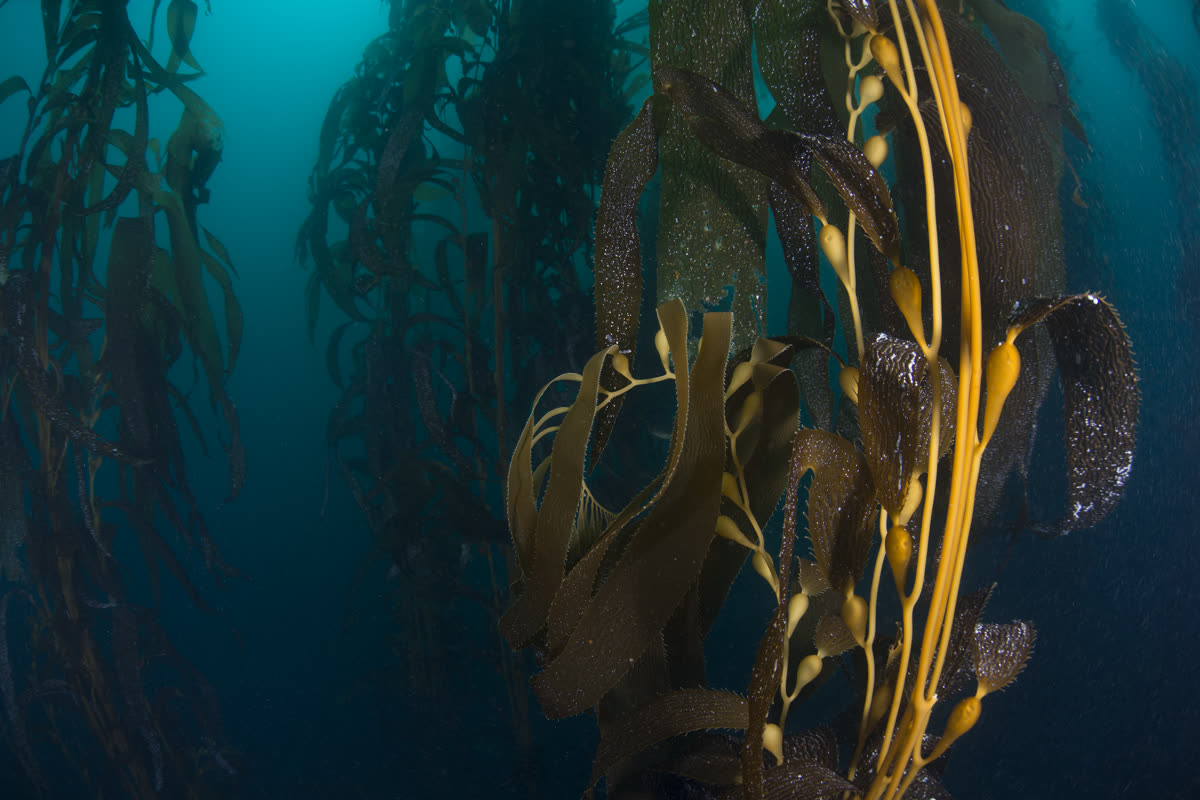
Seaweeds are marine algae, and the brown kelps and wracks of Atlantic shores — Laminaria, Fucus and Ascophyllum — are the classic algae of European spa care. They supply water-binding polysaccharides (alginate, fucoidan, laminarin), antioxidant polyphenols and minerals, which make them good hydrating and film-forming ingredients. Brown algae are also exceptionally rich in iodine, which matters for frequent wraps and baths, and claims about slimming and cellulite are not supported.
Why people reach for it
- Hydration and a soft, protective film. Alginate, fucoidan and red-algal carrageenans bind water and form flexible films on skin, reducing tightness and dryness. They are reliable hydrating ingredients in gels, masks and creams (Dry & Dehydrated Skin).
- Antioxidant and soothing activity. Brown-algal phlorotannins and fucoidan are antioxidant and anti-inflammatory in lab studies, and fucoidan inhibits collagen-degrading enzymes in vitro — a plausible supporting role in anti-aging care.
- Absorbent masks for oily skin. Seaweed powders blended with clay make mineral-rich, absorbent wash-off masks that suit oily and combination skin, and alginate “peel-off” masks set into a cool, rubbery layer that feels refreshing.
- A sensory spa ritual. Seaweed baths and wraps are central to thalassotherapy. Warm, silky algae on the skin feel genuinely soothing, though benefits beyond relaxation and softness are not well established.
How to use it
| Form | Typical use | Notes |
|---|---|---|
| Seaweed extract (brown, red or green algae) | 0.5–5% of a gel, toner, serum or cream | Add to the water phase; extracts are usually supplied in water/glycol or glycerin. Preserve properly (DIY Safety: Water, Microbes & Preservatives). Pairs well with aloe vera and glycerin for a marine hydrating gel. |
| Sodium alginate as a gelling agent or peel-off mask | 0.5–2% to thicken gels; in alginate masks, mixed with calcium salts so it sets | Disperse in glycerin first to avoid lumps. Ready-made alginate mask powders are mixed with cold water and applied in a thick layer for 15–20 minutes, then lifted off in one piece. |
| Seaweed powder mask or wrap | 1–2 tablespoons kelp or bladderwrack powder with clay and water, 10–15 minutes; single use | Mix with rhassoul clay or kaolin and water just before use; discard leftovers. Rinse well; algae powders can stain pale towels. Skip if you have thyroid disease (see safety). |
| Seaweed bath | A handful (about 30–50 g) of dried bladderwrack in a muslin bag in a warm bath, occasionally | Steep the bag in hot water for a few minutes first so the algae release their slippery gel. Limit to occasional use if you have thyroid concerns, are pregnant or are breastfeeding. |
Use it safely
- Iodine and the thyroid: brown algae are very rich in iodine. Leave-on creams contain little, but frequent kelp wraps or seaweed baths, and especially kelp supplements, may contribute meaningful iodine. People with thyroid disease, those taking thyroid medicines, amiodarone or lithium, and pregnant or breastfeeding women should use these only occasionally or ask their doctor.
- “Seafood” or “iodine allergy” is not a reason to avoid seaweed: shellfish allergy is to proteins, not iodine. True allergy to algae extracts is rare; patch test new products (How to Patch Test).
- Seaweed can accumulate heavy metals (arsenic, cadmium, lead) from polluted waters. Choose cosmetic ingredients from tested, clean-water sources.
- Do not use homemade seaweed gels or soaks as leave-on products; they spoil quickly without preservation.
Pregnancy and breastfeeding: Seaweed extracts in leave-on cosmetics are considered safe. Avoid frequent kelp wraps, seaweed baths and kelp supplements during pregnancy and breastfeeding unless your doctor agrees, because of iodine content.
New to an ingredient? Patch test first.
When to see a doctor
- A new or changing mole or spot, especially using the ABCDE signs (asymmetry, irregular border, uneven color, diameter over 6 mm, evolving).
- Rough, scaly patches on sun-exposed skin that persist (possible actinic keratoses).
- A pearly or shiny bump, a sore that does not heal within 3–4 weeks, or a lesion that bleeds easily.
- Sudden skin thinning, easy bruising or stretch marks that may be medication-related (e.g. long-term steroids).
- If you want prescription retinoids or in-office treatments, or are unsure which actives are safe for you.
Other plants for Aging & Photoaging
| Ingredient | Grade | What the evidence shows |
|---|---|---|
| Bakuchiol | B | A randomized, double-blind trial found 0.5% bakuchiol twice daily comparable to 0.5% retinol for wrinkles and pigmentation over 12 weeks, with less stinging; it is not a true retinoid and is less studied. |
| Green Tea | B | Topical green tea polyphenols reduce UV-induced redness and DNA damage in human skin; trials for wrinkles show mixed, modest results. |
| Centella Asiatica (Cica) | C | Madecassoside and asiaticoside stimulate collagen in the lab; small trials of centella-containing creams showed improved firmness, mostly in combination products. |
| Argan Oil | C | A small study in postmenopausal women found improved elasticity with argan oil (oral and topical arms); useful as an emollient. |
| Rosehip Oil | C | Rich in linoleic acid and carotenoids; small studies (mainly of oral rosehip powder) suggest improved skin texture. Topical anti-wrinkle data are thin. |
| Frankincense | C | One small trial of a Boswellia serrata extract cream reported improvement in photoaging signs; needs replication. |
| Sea Buckthorn | D | High in antioxidants and omega-7 (palmitoleic acid), but clinical anti-aging evidence is minimal; unrefined oil stains orange. |