Does it work?
Moringa (Ben Oil) for Aging & Photoaging
What the research says about moringa (ben oil) for aging & photoaging, how to use it at home and how to stay safe.
The short answer: One small base-controlled study of a moringa leaf cream plus laboratory antioxidant data; ben oil’s emollient role rests on its composition rather than trials.
Our Aging & Photoaging guide does not rank Moringa (Ben Oil) for this use yet, so this is the overall grade for Moringa (Ben Oil).
What it does
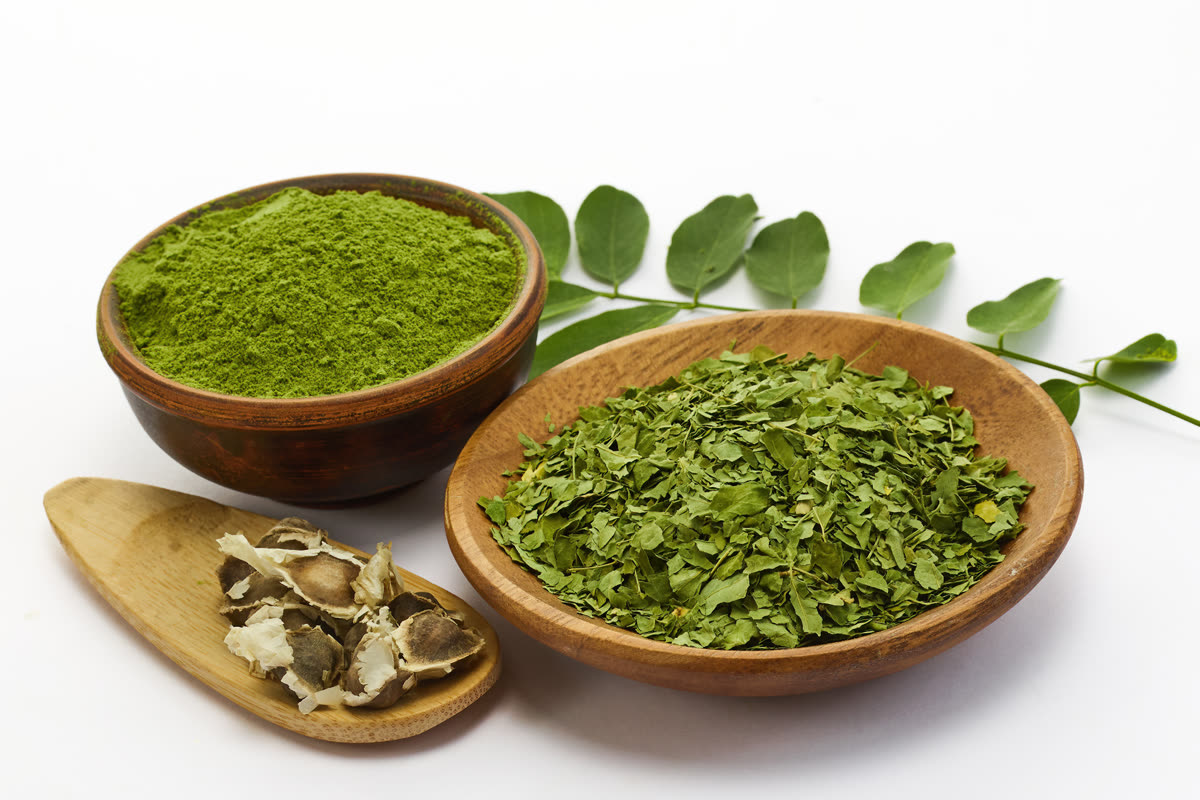
Moringa, the fast-growing “drumstick tree” of India and the tropics, gives cosmetics two quite different ingredients. Its seeds yield ben oil, a pale, very stable oil rich in oleic acid with a distinctive share of behenic acid, historically prized as a perfume base. Its leaves yield antioxidant extracts studied mostly in the laboratory, plus one small cream trial. Ben oil is a dependable emollient; the leaf extract is promising but far from proven.
Why people reach for it
- A remarkably stable emollient. Ben oil is mostly oleic acid with saturated long-chain fats and almost no polyunsaturates, so it resists rancidity — a long-lived base for balms, face oils and natural perfumes.
- Silky, cushioned feel. Behenic acid, a long saturated fatty acid named after ben oil itself, gives a slightly velvety, protective finish on dry skin, lips and hair ends.
- Antioxidant leaf extract. Moringa leaves are rich in flavonols and chlorogenic acid; extracts show antioxidant and anti-inflammatory activity in lab studies, and one small cream study reported smoother skin.
- Traditional perfume carrier. Because it is nearly odorless and slow to oxidize, ben oil has long been used to carry fragrance — still useful for natural oil perfumes (respect Essential Oil Safety: The Complete Guide limits).
How to use it
| Form | Typical use | Notes |
|---|---|---|
| Face oil, balm or lip care | 5–30% of an anhydrous formula; neat as a body or hair oil | A stable base that extends the life of blends containing fragile oils such as rosehip oil. |
| Natural oil perfume | As the carrier, with fragrance materials at levels within IFRA limits | Nearly odorless and slow to oxidize. Keep total essential oils within safe limits and use the Essential Oil Dilution Calculator. |
| Leaf extract in creams or serums | 0.5–3% (the published trial used 3%), per supplier | Water-based formulas need a broad-spectrum preservative; see DIY Safety: Water, Microbes & Preservatives. |
| Seed peptide extract | Per supplier, typically 0.5–2% | Marketed for “anti-pollution” claims; treat these as unproven. |
Use it safely
- Topical ben oil and leaf extracts are rarely irritating; patch test new products.
- Leaf powder and capsules (oral) may lower blood sugar and blood pressure in some studies; people on diabetes or blood-pressure medication should talk to their doctor before supplementing.
- Moringa root and bark contain potentially toxic alkaloids and are not for home use.
- Fresh leaf powder smells grassy and can tint pale formulas green.
Pregnancy and breastfeeding: Topical ben oil and leaf extracts raise no specific concerns. Avoid root and bark preparations, which have traditional abortifacient use, and discuss leaf supplements with your doctor or midwife.
New to an ingredient? Patch test first.
When to see a doctor
- A new or changing mole or spot, especially using the ABCDE signs (asymmetry, irregular border, uneven color, diameter over 6 mm, evolving).
- Rough, scaly patches on sun-exposed skin that persist (possible actinic keratoses).
- A pearly or shiny bump, a sore that does not heal within 3–4 weeks, or a lesion that bleeds easily.
- Sudden skin thinning, easy bruising or stretch marks that may be medication-related (e.g. long-term steroids).
- If you want prescription retinoids or in-office treatments, or are unsure which actives are safe for you.
Other plants for Aging & Photoaging
| Ingredient | Grade | What the evidence shows |
|---|---|---|
| Bakuchiol | B | A randomized, double-blind trial found 0.5% bakuchiol twice daily comparable to 0.5% retinol for wrinkles and pigmentation over 12 weeks, with less stinging; it is not a true retinoid and is less studied. |
| Green Tea | B | Topical green tea polyphenols reduce UV-induced redness and DNA damage in human skin; trials for wrinkles show mixed, modest results. |
| Centella Asiatica (Cica) | C | Madecassoside and asiaticoside stimulate collagen in the lab; small trials of centella-containing creams showed improved firmness, mostly in combination products. |
| Argan Oil | C | A small study in postmenopausal women found improved elasticity with argan oil (oral and topical arms); useful as an emollient. |
| Rosehip Oil | C | Rich in linoleic acid and carotenoids; small studies (mainly of oral rosehip powder) suggest improved skin texture. Topical anti-wrinkle data are thin. |
| Frankincense | C | One small trial of a Boswellia serrata extract cream reported improvement in photoaging signs; needs replication. |
| Sea Buckthorn | D | High in antioxidants and omega-7 (palmitoleic acid), but clinical anti-aging evidence is minimal; unrefined oil stains orange. |