Does it work?
Mango Butter for Dry, Damaged & Frizzy Hair
What the research says about mango butter for dry, damaged & frizzy hair, how to use it at home and how to stay safe.
The short answer: No published human trials of mango butter alone; its emollient effects are inferred from its fatty-acid composition and its similarity to well-studied butters.
Our Dry, Damaged & Frizzy Hair guide does not rank Mango Butter for this use yet, so this is the overall grade for Mango Butter.
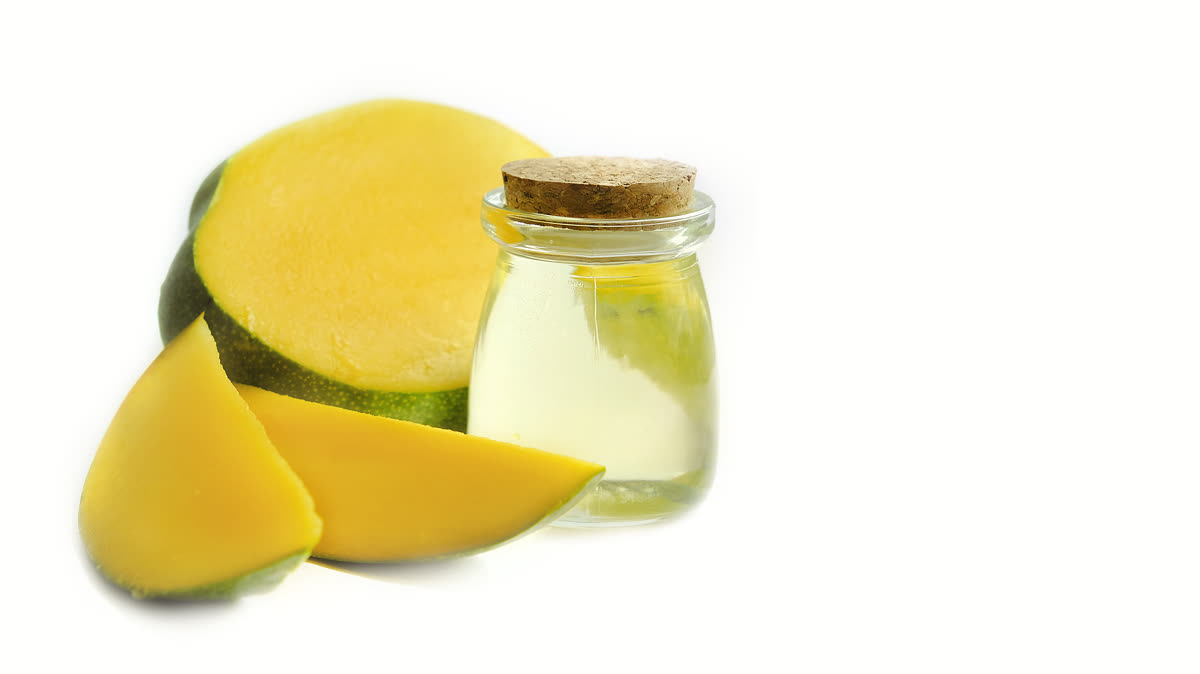
What it does
Mango butter is the fat extracted from the kernel inside the mango stone — usually a by-product of the fruit-pulp industry, which makes it an upcycled ingredient. It is a soft, smooth, nearly odorless butter, similar to shea in feel but lighter and less greasy. It works well as an emollient for dry skin and lips, though it has not been studied in its own right. Mango belongs to the poison ivy family, so people with mango or urushiol allergy should take care.
Why people reach for it
- Smooth, non-greasy emollience. A soft butter that softens and protects dry skin with a lighter, less greasy finish than shea or cocoa butter.
- Low odor for fragrance-free products. Refined mango butter is almost scentless and pale, ideal for fragrance-free body butters and lip balms.
- Good stability. Mostly stearic and oleic acid with little polyunsaturated fat, it resists rancidity and keeps well.
- Softness for textured hair. A small amount on damp ends seals in moisture for curly and coily dry hair.
How to use it
| Form | Typical use | Notes |
|---|---|---|
| Whipped body butter | 20–60% of the formula | Swap part or all of the shea in Whipped Shea Body Butter for a lighter, less greasy result. |
| Lip balm | 15–30% of the balm | Softer than cocoa butter; increase wax slightly for firmness in warm climates. |
| Creams and lotions | 3–10% of the formula (oil phase) | Adds body and a silky after-feel. Balance phases with the Formula & Cost Calculator. |
| Hair | A pea-sized amount warmed in the palms | Apply to damp ends after a leave-in conditioner; avoid on fine hair or an oily scalp. |
Recipes with Mango Butter
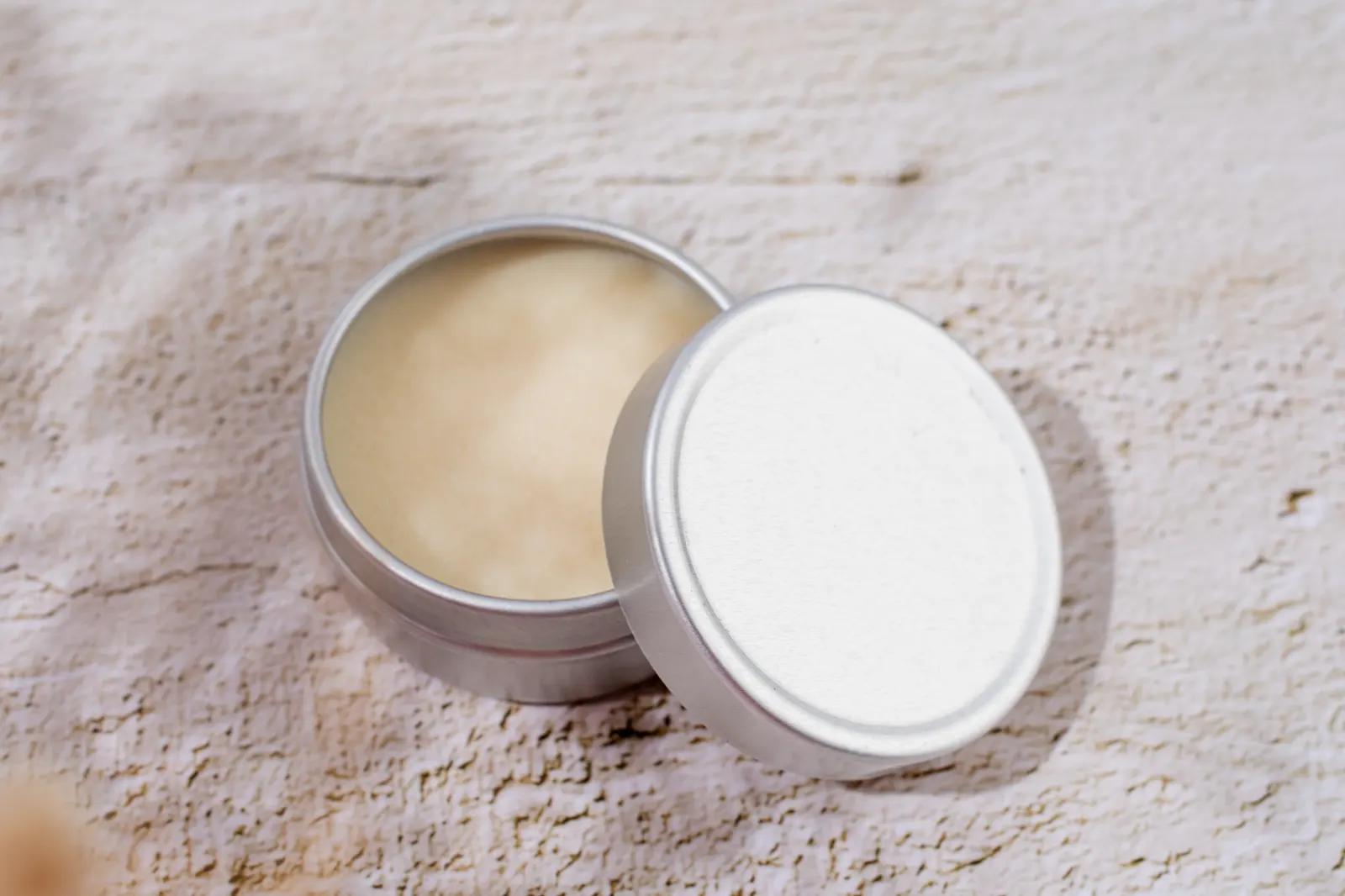 Balm · BeginnerGentle Balm for Dry PatchesAn unscented, fuss-free balm of sunflower oil, mango butter, jojoba and a little colloidal oatmeal for rough, tight patches on elbows, hands and shins.
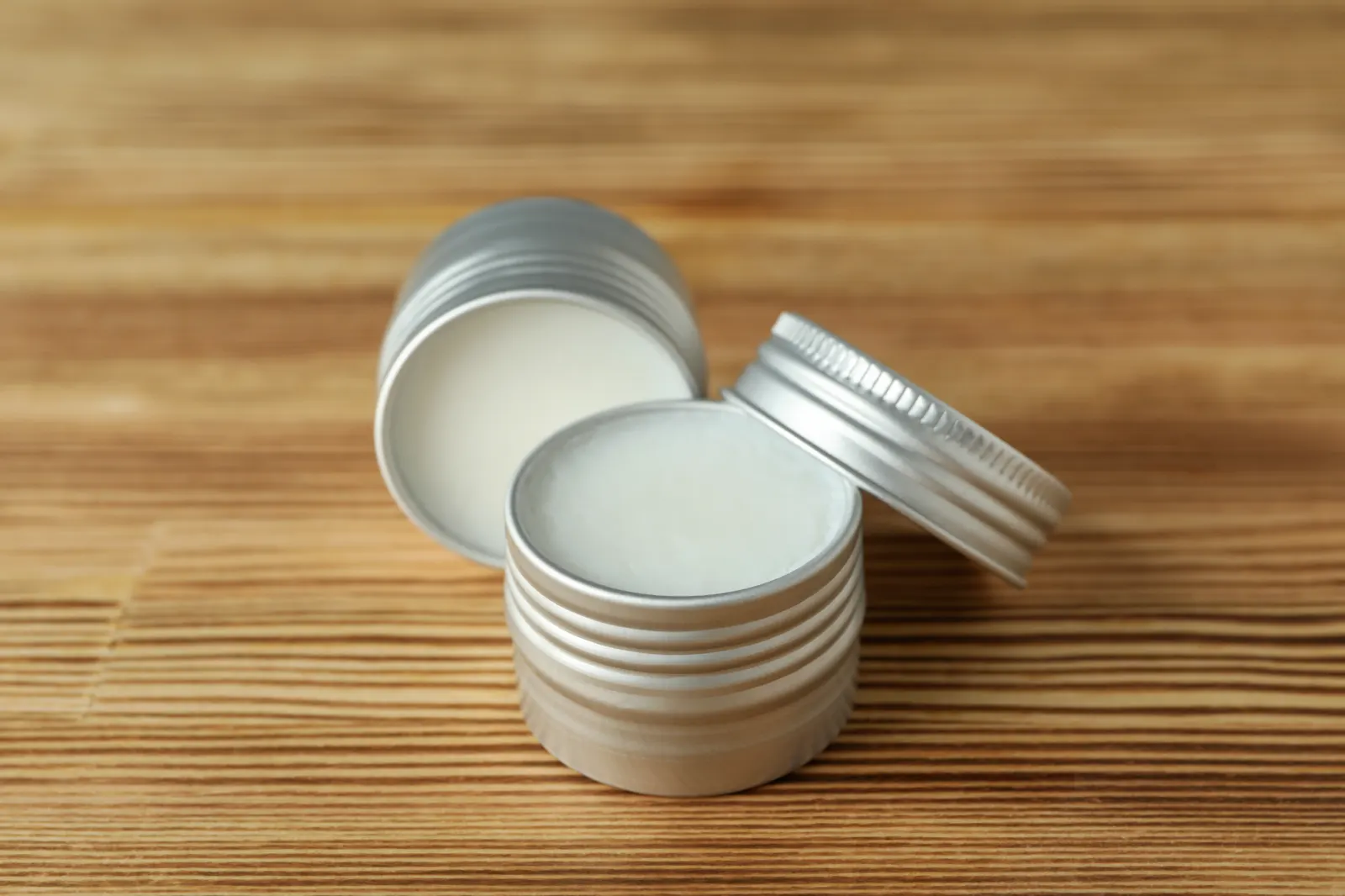 Balm · BeginnerTravel-Size Multi-BalmOne small, plant-based, unscented tin for lips, cuticles, brows, dry knuckles and flyaways, made with mango butter, jojoba, castor oil and candelilla.
Use it safely
- Mango is in the poison ivy family. If you have had reactions to mango skin, poison ivy, poison oak or cashew shells, patch test before use, as in our guide (twice daily for 7 days, read at 48 and 96 hours).
- Most commercial mango butter is solvent-extracted and refined; reputable suppliers test for residual solvent.
- Heavy use on the face can contribute to breakouts in acne-prone skin.
- Food allergy to mango fruit does not necessarily mean a reaction to refined butter, but ask your allergist if you have had severe reactions.
Pregnancy and breastfeeding: No specific concerns for topical use in pregnancy or breastfeeding. Like other butters, it will not prevent stretch marks.
New to an ingredient? Patch test first.
When to see a doctor
- Hair that breaks easily together with brittle nails, fatigue, heavy periods or feeling cold (possible iron deficiency or thyroid disease).
- Breakage in patches, or hair loss with scalp symptoms — it may not be breakage at all; see Thinning Hair & Hair Loss.
- Scalp burns, blisters or severe itching after relaxers, dyes or bleach.
- Hair that has always been fragile or breaks at a short length since childhood (possible hair shaft disorder).
Other plants for Dry, Damaged & Frizzy Hair
| Ingredient | Grade | What the evidence shows |
|---|---|---|
| Coconut Oil | C | Hair-fiber lab studies show coconut oil penetrates the shaft and reduces protein loss when used before and after washing — unlike mineral or sunflower oil; human trials are lacking. |
| Argan Oil | C | A lab study on dyed hair fibers found argan oil improved fiber quality after repeated coloring; supports its use as a finishing and pre-wash oil. |
| Shea Butter | D | A rich sealant that reduces frizz and adds softness, especially for coily hair; evidence is practical and traditional. |
| Olive Oil | D | Traditionally used across the Mediterranean as a pre-wash treatment; limited lab data suggest some penetration, less than coconut oil. |
| Marshmallow Root | D | Mucilage gives slip for detangling, popular in curly-hair routines; evidence is traditional and anecdotal. |
| Jojoba | D | A light liquid wax that adds shine without much weight, suiting fine hair; little formal evidence. |