Does it work?
Mango Butter for Dry & Dehydrated Skin
A soft, nearly scentless butter rescued from the mango stone, lighter and less greasy than shea.
The short answer: No published human trials of mango butter alone; its emollient effects are inferred from its fatty-acid composition and its similarity to well-studied butters.
Our Dry & Dehydrated Skin guide does not rank Mango Butter for this use yet, so this is the overall grade for Mango Butter.
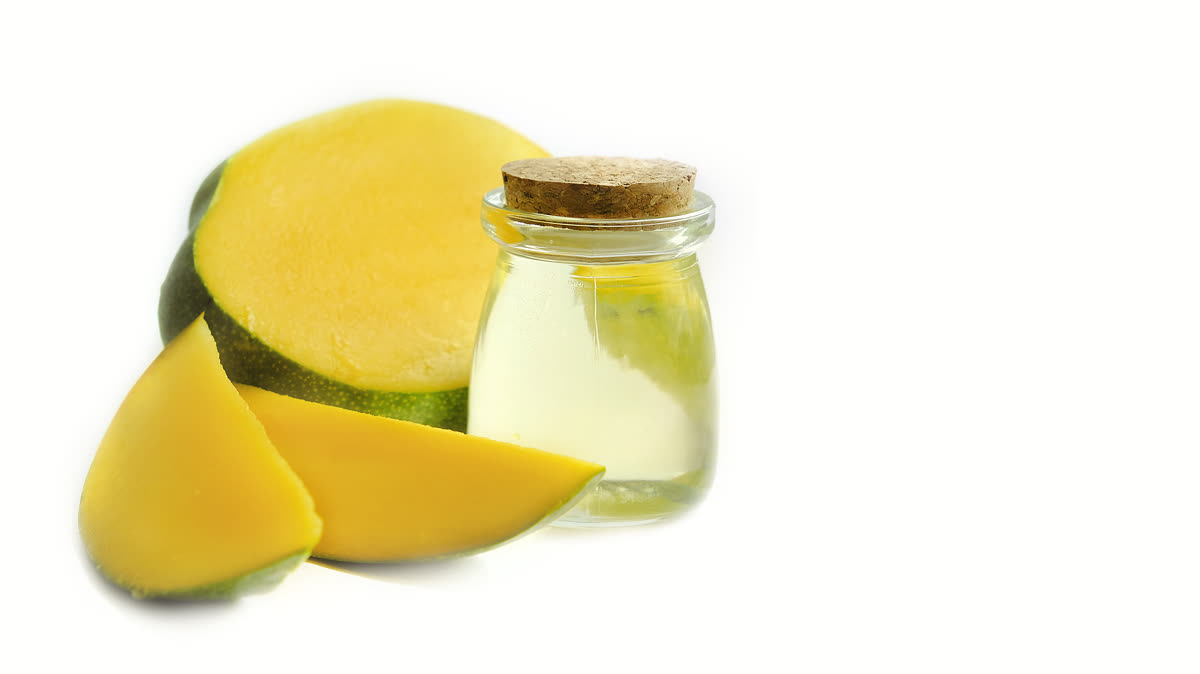
What Mango Butter can do for Dry & Dehydrated Skin
Mango butter is the fat extracted from the kernel inside the mango stone — usually a by-product of the fruit-pulp industry, which makes it an upcycled ingredient. It is a soft, smooth, nearly odorless butter, similar to shea in feel but lighter and less greasy. It works well as an emollient for dry skin and lips, though it has not been studied in its own right. Mango belongs to the poison ivy family, so people with mango or urushiol allergy should take care.
Why people reach for it
- Smooth, non-greasy emollience. A soft butter that softens and protects dry skin with a lighter, less greasy finish than shea or cocoa butter.
- Low odor for fragrance-free products. Refined mango butter is almost scentless and pale, ideal for fragrance-free body butters and lip balms.
- Good stability. Mostly stearic and oleic acid with little polyunsaturated fat, it resists rancidity and keeps well.
- Softness for textured hair. A small amount on damp ends seals in moisture for curly and coily dry hair.
How to use it
Try it today
A silky curl seal
- Apply your usual leave-in conditioner to damp hair.
- Warm a pea-sized amount of mango butter in your palms until it softens.
- Smooth it over the ends only, keeping it away from fine hair and an oily scalp.
| Form | Typical use | Notes |
|---|---|---|
| Whipped body butter | 20–60% of the formula | Swap part or all of the shea in Whipped Shea Body Butter for a lighter, less greasy result. |
| Lip balm | 15–30% of the balm | Softer than cocoa butter; increase wax slightly for firmness in warm climates. |
| Creams and lotions | 3–10% of the formula (oil phase) | Adds body and a silky after-feel. Balance phases with the Formula & Cost Calculator. |
| Hair | A pea-sized amount warmed in the palms | Apply to damp ends after a leave-in conditioner; avoid on fine hair or an oily scalp. |
Recipes for Dry & Dehydrated Skin with Mango Butter
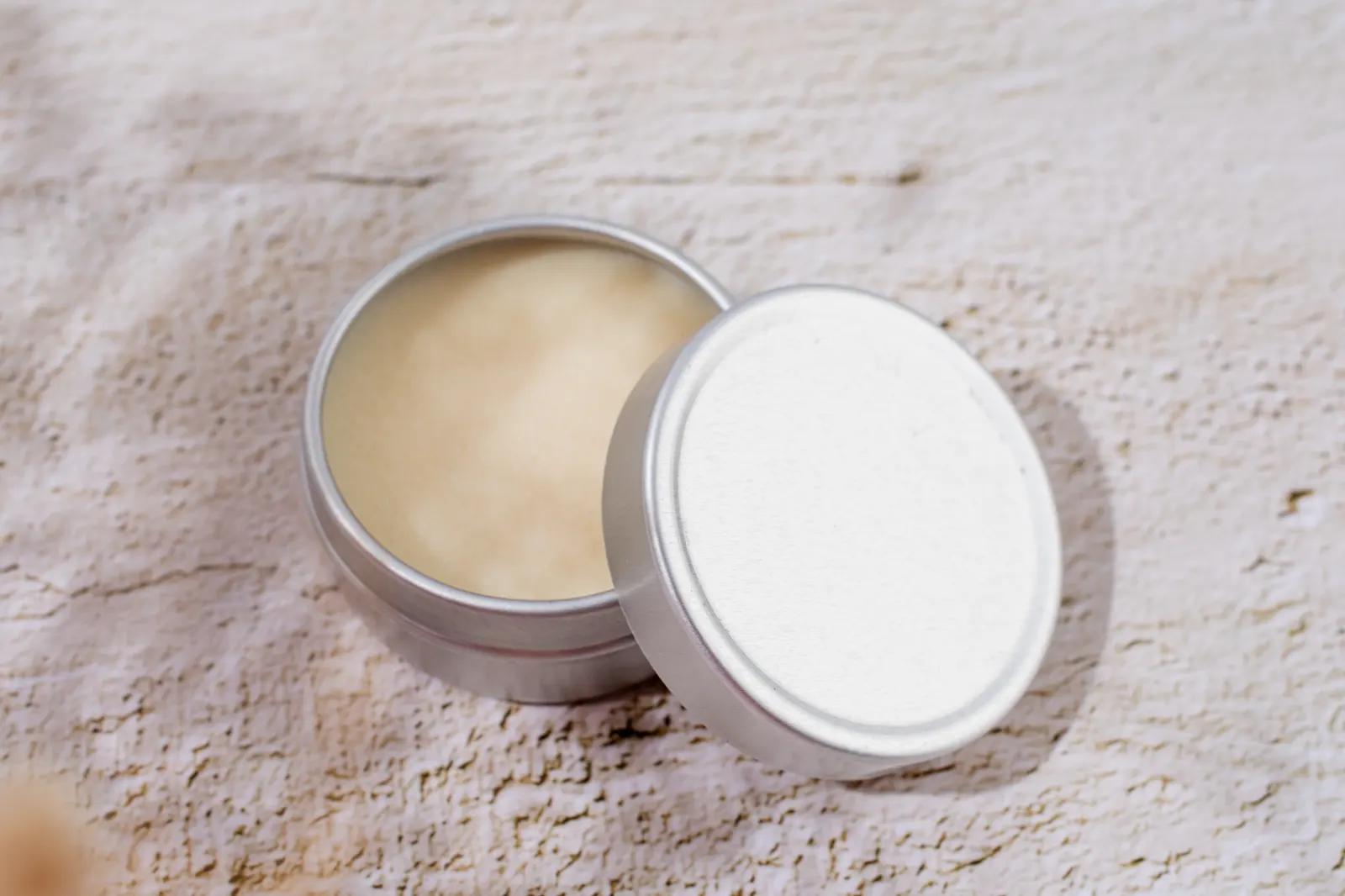 Balm · BeginnerGentle Balm for Dry PatchesAn unscented, fuss-free balm of sunflower oil, mango butter, jojoba and a little colloidal oatmeal for rough, tight patches on elbows, hands and shins.
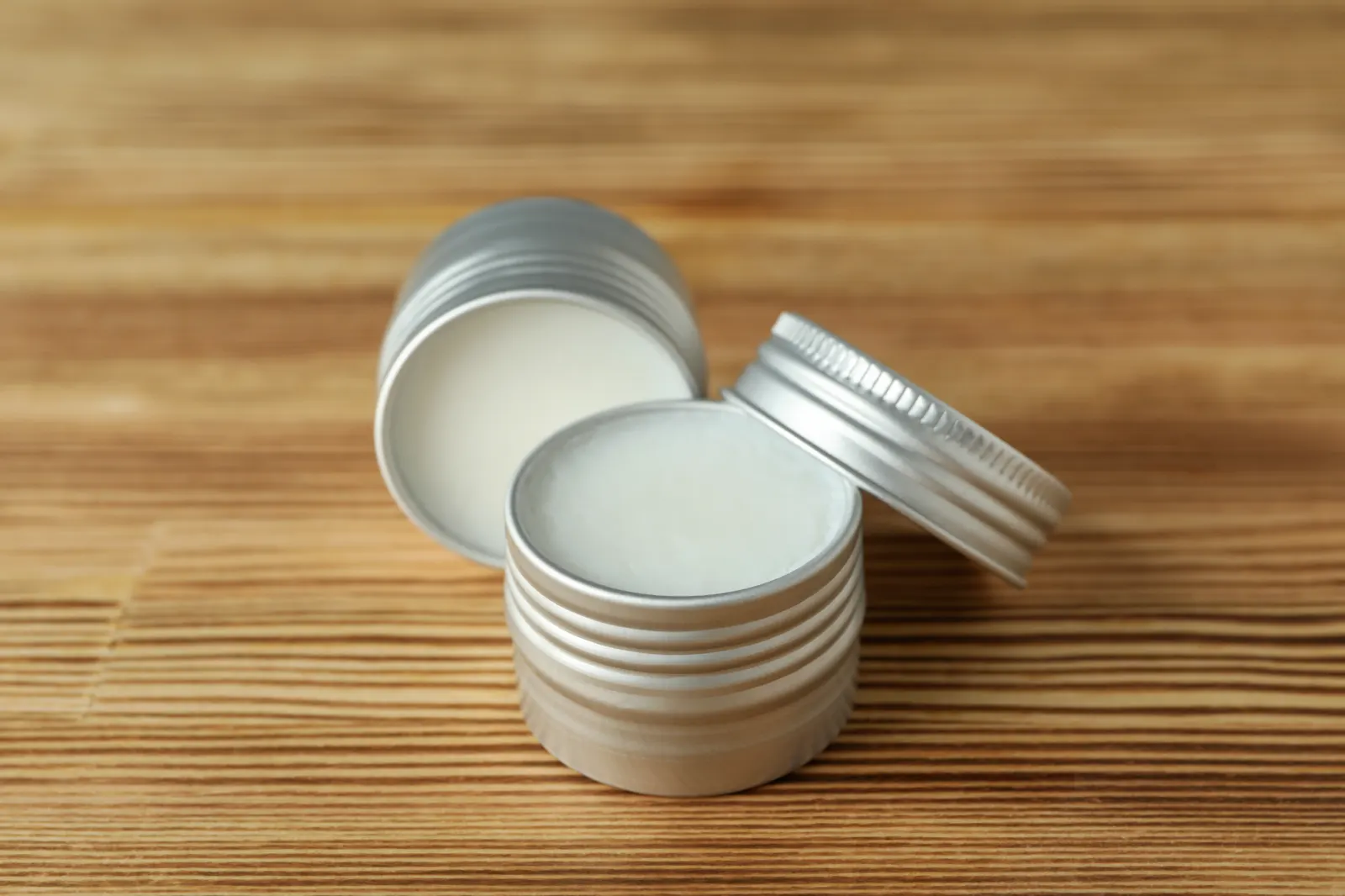 Balm · BeginnerTravel-Size Multi-BalmOne small, plant-based, unscented tin for lips, cuticles, brows, dry knuckles and flyaways, made with mango butter, jojoba, castor oil and candelilla.
Use it safely
- Mango is in the poison ivy family. If you have had reactions to mango skin, poison ivy, poison oak or cashew shells, patch test before use, as in our guide (twice daily for 7 days, read at 48 and 96 hours).
- Most commercial mango butter is solvent-extracted and refined; reputable suppliers test for residual solvent.
- Heavy use on the face can contribute to breakouts in acne-prone skin.
- Food allergy to mango fruit does not necessarily mean a reaction to refined butter, but ask your allergist if you have had severe reactions.
Pregnancy and breastfeeding: No specific concerns for topical use in pregnancy or breastfeeding. Like other butters, it will not prevent stretch marks.
New to an ingredient? Patch test first.
When to see a doctor
- Dryness with intense itch that disturbs sleep, or red, inflamed patches (possible eczema or another dermatitis).
- Cracked, bleeding or weeping skin, or signs of infection (pain, warmth, yellow crusts, pus).
- Fish-scale-like dryness present since childhood (possible ichthyosis).
- New, persistent dryness with fatigue, weight change, feeling cold or hair thinning (thyroid), or with excessive thirst and urination (diabetes).
- Severe dryness in older adults with widespread itch that does not respond to moisturizers.
Other plants for Dry & Dehydrated Skin
| Ingredient | Grade | What the evidence shows |
|---|---|---|
| Colloidal Oatmeal | B | Multiple clinical studies show colloidal oatmeal creams and baths reduce dryness, scaling and itch; it is an approved skin protectant in the US. |
| Sunflower Oil | B | Linoleic-rich sunflower seed oil preserved stratum corneum integrity and improved hydration in a comparative study with olive oil, and supports barrier function in neonatal studies. |
| Coconut Oil | B | A randomized trial found virgin coconut oil as effective and safe as mineral oil for mild to moderate xerosis of the legs. |
| Shea Butter | C | Rich emollient and mild occlusive with anti-inflammatory triterpene esters; small studies of shea-containing creams support hydration. |
| Squalane | C | A skin-identical, stable, lightweight emollient that reduces roughness; excellent tolerability but limited trial data on its own. |
| Jojoba | C | A liquid wax ester that resembles skin’s own wax esters; small studies support barrier repair and softness. |
| Aloe Vera | C | A humectant gel that improved skin hydration in small studies; on its own it is not enough for very dry skin and needs an emollient on top. |
| Marshmallow Root | D | Mucilage polysaccharides form a soothing, humectant film; evidence is traditional and lab-based. |