Does it work?
Chamomile for Dry & Dehydrated Skin
What the research says about chamomile for dry & dehydrated skin, how to use it at home and how to stay safe.
The short answer: Mechanisms are well established in the lab, but human trials are few, small and mostly decades old, with results ranging from modest benefit to no difference from comparators.
Our Dry & Dehydrated Skin guide does not rank Chamomile for this use yet, so this is the overall grade for Chamomile.
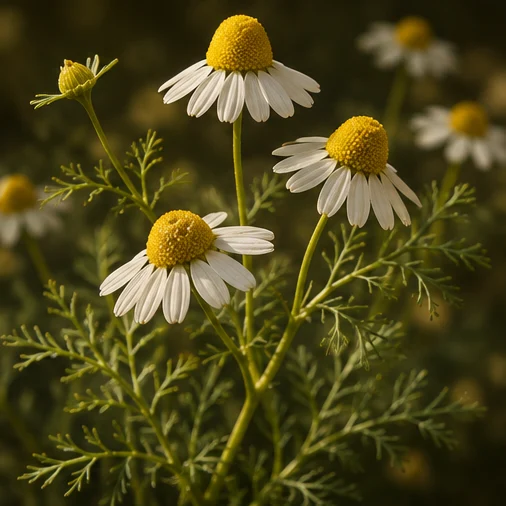
What it does
German chamomile is one of the gentlest, most familiar soothing botanicals, and its key actives — bisabolol, chamazulene and apigenin — are well characterized anti-inflammatories. Human evidence for skin is older and small, so it is best used as a calming support rather than a treatment. Its main risk is allergy in people sensitive to the daisy family.
Why people reach for it
- Calms redness and irritation. Bisabolol and apigenin reduce inflammatory signaling in lab models, and chamomile extracts are a staple of products for reactive, easily flushed skin.
- Comfort for eczema-prone skin. In an older half-side trial, a chamomile cream performed slightly better than 0.5% hydrocortisone in moderate atopic eczema, though only marginally better than its own base cream. It can complement, not replace, prescribed care.
- Supports a comfortable skin barrier. Chamomile extracts and bisabolol are frequently used to reduce the sting of active ingredients such as acids and retinoids.
- Golden tone for fair hair. Strong chamomile rinses can lend light blonde hair a subtle golden warmth through flavonoid pigments. It does not bleach or lighten darker hair.
How to use it
| Form | Typical use | Notes |
|---|---|---|
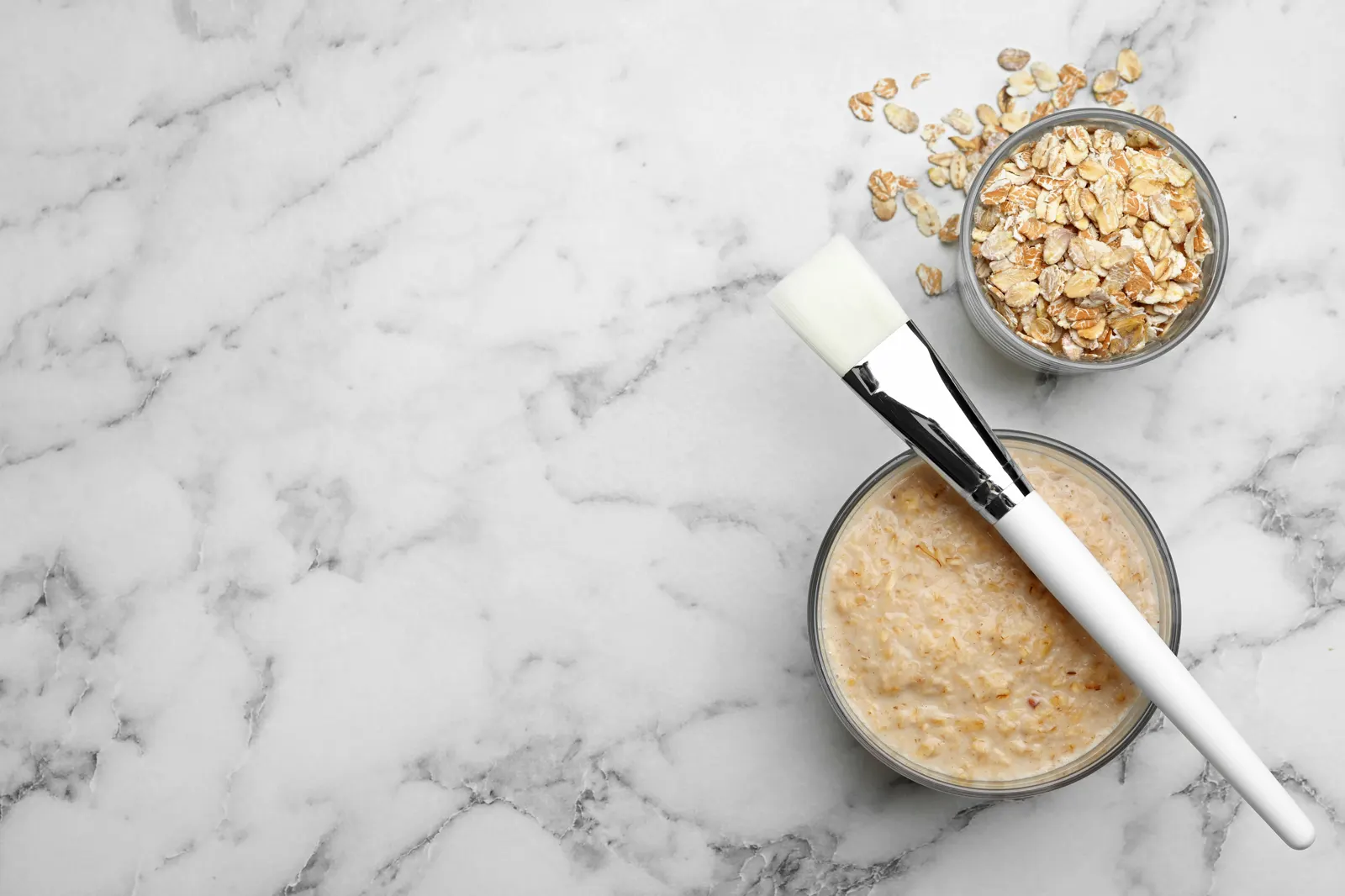
| Chamomile extract (glycerin or water-based) | 1–5% in creams, toners and masks | Pairs well with oat in calming masks — see Calming Oat & Chamomile Mask. Aqueous products need a broad-spectrum preservative. |
| Bisabolol (isolated) | 0.1–1% | Oil-soluble; add to the oil phase or cool-down. Natural (−)-α-bisabolol is generally preferred over synthetic racemic bisabolol. |
| German chamomile essential oil | 0.1–0.5% on the face; up to 1% on the body | Very potent and stains fabrics blue. Respect overall essential-oil limits (Essential Oil Safety: The Complete Guide). |
| Cooled infusion or hydrosol | Fresh compress, used the same day | Steep 2 tea bags or 2 tablespoons of flowers in 250 ml just-boiled water for 10 minutes, cool, and apply on a clean cloth. Discard leftovers. |
Recipes for Dry & Dehydrated Skin with Chamomile
Daily rituals with Chamomile

Use it safely
- Daisy-family cross-reactivity: chamomile is part of the Compositae patch-test mix. People allergic to ragweed, chrysanthemum, arnica, feverfew, marigold or mugwort pollen may react to chamomile on skin or in tea; anaphylaxis to chamomile tea is rare but reported.
- Chamomile tea used as an eyewash or eye compress has caused allergic conjunctivitis. Do not put it in the eye, and avoid eye compresses if you have hay fever to Asteraceae pollen.
- Roman chamomile is more allergenic than German chamomile because of its sesquiterpene lactones.
- Homemade infusions spoil within hours at room temperature — make fresh each time.
Pregnancy and breastfeeding: Topical chamomile and moderate chamomile tea are generally considered compatible with pregnancy and breastfeeding. Use essential oil only at low dilution and avoid concentrated oral supplements.
New to an ingredient? Patch test first.
When to see a doctor
- Dryness with intense itch that disturbs sleep, or red, inflamed patches (possible eczema or another dermatitis).
- Cracked, bleeding or weeping skin, or signs of infection (pain, warmth, yellow crusts, pus).
- Fish-scale-like dryness present since childhood (possible ichthyosis).
- New, persistent dryness with fatigue, weight change, feeling cold or hair thinning (thyroid), or with excessive thirst and urination (diabetes).
- Severe dryness in older adults with widespread itch that does not respond to moisturizers.
Other plants for Dry & Dehydrated Skin
| Ingredient | Grade | What the evidence shows |
|---|---|---|
| Colloidal Oatmeal | B | Multiple clinical studies show colloidal oatmeal creams and baths reduce dryness, scaling and itch; it is an approved skin protectant in the US. |
| Sunflower Oil | B | Linoleic-rich sunflower seed oil preserved stratum corneum integrity and improved hydration in a comparative study with olive oil, and supports barrier function in neonatal studies. |
| Coconut Oil | B | A randomized trial found virgin coconut oil as effective and safe as mineral oil for mild to moderate xerosis of the legs. |
| Shea Butter | C | Rich emollient and mild occlusive with anti-inflammatory triterpene esters; small studies of shea-containing creams support hydration. |
| Squalane | C | A skin-identical, stable, lightweight emollient that reduces roughness; excellent tolerability but limited trial data on its own. |
| Jojoba | C | A liquid wax ester that resembles skin’s own wax esters; small studies support barrier repair and softness. |
| Aloe Vera | C | A humectant gel that improved skin hydration in small studies; on its own it is not enough for very dry skin and needs an emollient on top. |
| Marshmallow Root | D | Mucilage polysaccharides form a soothing, humectant film; evidence is traditional and lab-based. |