Does it work?
Arnica for Scars, Wounds & Stretch Marks
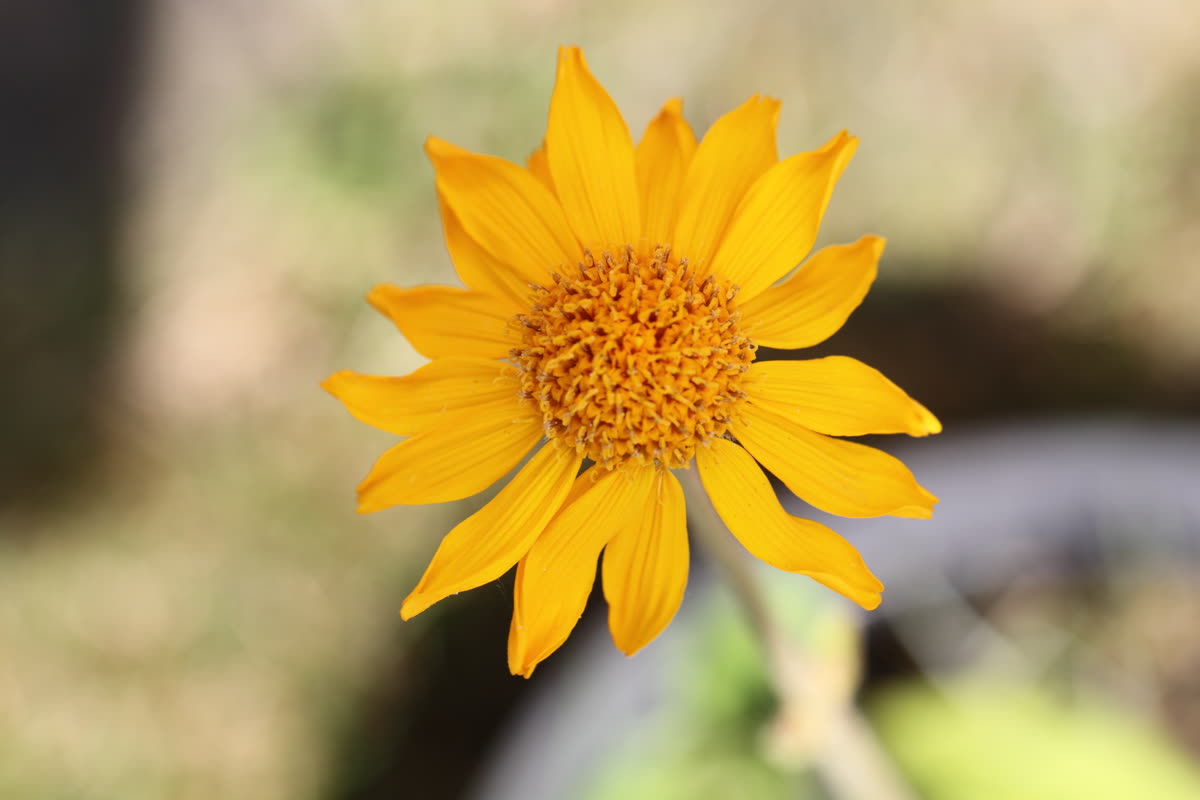
The golden mountain daisy of the Alps and Pyrenees, a classic herbal comfort for bruises and tired muscles.
The short answer: A small rater-blinded randomized trial found 20% herbal arnica ointment sped resolution of laser-induced bruises and a larger trial found arnica gel comparable to ibuprofen gel for hand osteoarthritis, while trials of homeopathic arnica are largely negative.
Our Scars, Wounds & Stretch Marks guide does not rank Arnica for this use yet, so this is the overall grade for Arnica.
What Arnica can do for Scars, Wounds & Stretch Marks
Arnica is a golden mountain daisy of European meadows and the best-known herbal remedy for bruises, sprains and sore muscles. Its active anti-inflammatory compounds, the sesquiterpene lactones helenalin and its relatives, are also strong skin allergens and are toxic if swallowed. Herbal arnica gels have some trial support; homeopathic arnica, diluted until little or nothing of the plant remains, generally performs no better than placebo.
Why people reach for it
- May speed fading of bruises. In a small randomized trial, a 20% herbal arnica ointment applied twice daily reduced laser-induced bruising faster than a placebo ointment. It is a reasonable option for minor bruises on intact skin.
- Soothes sore muscles and joints. Herbal arnica gel performed similarly to ibuprofen gel for hand osteoarthritis pain in a randomized trial, and European herbal monographs recognize it for bruises, sprains and localized muscle pain.
- A classic massage-oil ingredient. Arnica-infused oil is a traditional addition to sports and massage oils for tired legs and aching muscles, used on unbroken skin for short periods.
How to use it
Try it today
A post-workout leg rub
- Check your skin first: no cuts, grazes, scratches or eczema anywhere you plan to apply it.
- Massage a thin layer of herbal arnica gel or ready-made arnica massage oil into sore muscles.
- Wash your hands afterwards, keep it away from eyes and mouth, and stop if skin itches or reddens.
| Form | Typical use | Notes |
|---|---|---|
| Herbal arnica gel or ointment | Products typically equivalent to 10–25% arnica tincture or infused oil; apply a thin layer 2–3 times daily for up to 1–2 weeks | Use only on unbroken skin over bruises, sprains or sore muscles. Wash hands afterwards and keep away from eyes and mouth. Stop if the skin itches, reddens or blisters. |
| Arnica-infused oil in a massage blend or balm | 10–20% of a massage oil or balm | Infuse dried flowers in a stable oil such as sunflower oil (see Infused Oils, Hydrosols & Extracts) or buy ready-made. Combine with calendula oil for a gentler post-exercise blend. Not for daily long-term use. |
| Compress with diluted tincture | Tincture diluted roughly 1:3 to 1:10 with cool water | Soak a cloth and apply to a fresh bruise or sprain for 10–15 minutes. Never use undiluted tincture on skin, and never on cuts, grazes or open blisters. |
Use it safely
- Never on broken skin. Open wounds, grazes, ulcers and eczema increase absorption of helenalin, which is toxic, and greatly raise the risk of allergic dermatitis.
- Daisy-family allergy: people allergic to Asteraceae (chamomile, calendula, marigold, ragweed, chrysanthemum) may react to arnica. Patch test, and stop at the first sign of itching or rash (How to Patch Test). Prolonged use can cause eczematous dermatitis even in people who tolerated it at first.
- Do not swallow herbal arnica. Ingestion can cause vomiting, severe gastrointestinal irritation, heart rhythm disturbances and, in large amounts, death. Keep away from children.
- Low-potency homeopathic products may contain meaningful arnica. Treat any arnica product with care, and seek medical advice for bruises that appear without injury, are very large or painful, or occur while taking anticoagulants.
Pregnancy and breastfeeding: Avoid herbal arnica by mouth. For topical use in pregnancy and breastfeeding, data are lacking; limit to brief use on small areas of intact skin, keep it off the breasts when nursing, and ask your midwife or doctor.
New to an ingredient? Patch test first.
When to see a doctor
- Signs of infection: spreading redness or warmth, red streaks, increasing pain or swelling, pus, a bad smell, or fever.
- Deep, gaping or long cuts, wounds on the face, hands or joints, or bleeding that does not stop with 10 minutes of firm pressure — stitches work best within hours.
- Animal or human bites, puncture wounds, dirty wounds, or if your tetanus vaccination is not up to date.
- Burns larger than your palm, or any burn on the face, hands, feet, genitals or over joints, or with white, leathery or charred skin.
- Wounds not healing within two weeks, especially if you have diabetes, poor circulation or a weakened immune system.
- A scar that keeps growing beyond its edges, is painful or itchy (possible keloid), or an old scar that ulcerates, bleeds or changes.
- New, wide purple stretch marks together with weight gain, a rounded face, easy bruising or muscle weakness.
Other plants for Scars, Wounds & Stretch Marks
| Ingredient | Grade | What the evidence shows |
|---|---|---|
| Honey | B | Systematic reviews suggest sterile, medical-grade honey dressings heal partial-thickness burns faster than some conventional dressings, though trial quality varies; kitchen honey is not for open wounds. |
| Aloe Vera | B | Several trials and a systematic review suggest aloe preparations may shorten healing time of superficial burns; evidence for surgical wounds is inconclusive. |
| Centella Asiatica (Cica) | B | Asiaticoside and madecassoside promote collagen organization; small trials (mostly of combination creams) support use for stretch-mark prevention and scar appearance. |
| Calendula | C | Small trials suggest benefit for skin reactions to radiotherapy and minor wounds; daisy-family allergy is possible. |
| Rosehip Oil | C | A small controlled study suggested rosehip oil improved the color and appearance of post-surgical scars after the wound had closed. |
| Helichrysum (Immortelle) | D | Popular in aromatherapy for scars, but evidence is anecdotal or from lab studies; as an essential oil it must be diluted and never used on open wounds. |
| Olive Oil | D | Trials of massaging plain oils, including olive oil, in pregnancy have not shown clear prevention of stretch marks; massage itself is harmless and pleasant. |