Does it work?
Argan Oil for Dry & Dehydrated Skin
Golden, silky and quick to sink in, Moroccan argan oil is the easy everyday oil for soft skin and smoother, shinier ends.
The short answer: Small, unblinded human studies plus general emollient data; no robust randomized trials for specific skin or hair claims.
Our Dry & Dehydrated Skin guide does not rank Argan Oil for this use yet, so this is the overall grade for Argan Oil.
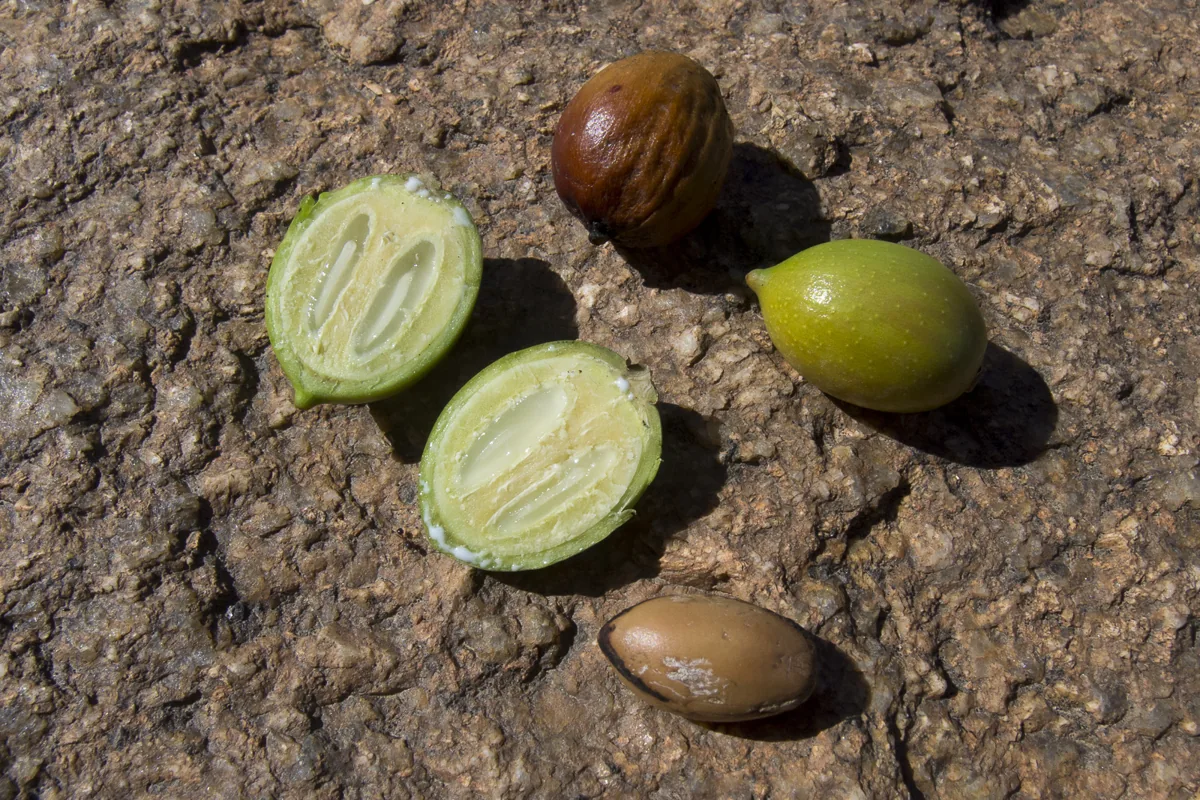
What Argan Oil can do for Dry & Dehydrated Skin
Argan oil is pressed from the kernels of the argan tree, which grows almost only in southwestern Morocco. It is a balanced, medium-weight oil — roughly equal parts oleic and linoleic acid — with generous natural vitamin E (mostly γ-tocopherol) and unusual plant sterols. The evidence is modest: it is a good, stable emollient for dry skin and frizz-prone hair rather than a uniquely powerful anti-aging oil. Its real distinction is cultural and ecological, rooted in Amazigh women’s know-how.
Why people reach for it
- Softens and comforts dry skin. Its balanced fatty-acid profile and sterols help reduce water loss and smooth rough skin without a heavy, greasy finish — a reliable choice in dry-skin routines.
- Tames frizz and adds shine. A few drops on mid-lengths and ends lubricate the cuticle, cut friction and reduce frizz and breakage — the best-understood benefit for dry hair.
- Good stability for a face oil. Natural tocopherols and only moderate polyunsaturated content give argan a longer shelf life than rosehip or prickly pear oil, so it makes a forgiving base for serums.
- Possible support for mature skin. One small, unblinded study in postmenopausal women reported improved elasticity where argan oil was applied — an interesting signal, not proof.
How to use it
Try it today
A soft-finish evening face oil
- Cleanse, then leave your face slightly damp or apply your usual water-based moisturizer.
- Warm 2–4 drops of argan oil between your palms.
- Press gently over face and neck, and smooth any leftover onto the ends of your hair.
| Form | Typical use | Notes |
|---|---|---|
| Face oil or serum | 2–4 drops neat, or 10–50% of an anhydrous serum | Press onto slightly damp skin or over a water-based moisturizer to seal. See Argan & Prickly Pear Night Serum. |
| Hair finishing oil | 2–5 drops on ends; 1–5% in leave-in products | For a pre-wash treatment, apply to lengths 30–60 minutes before shampooing. |
| Creams and lotions | 2–10% of the formula (in the oil phase) | Add tocopherol at 0.1–0.5% to extend shelf life. Use the Formula & Cost Calculator to balance the oil phase. |
| Body oil after the hammam | Neat, a teaspoon for the body | The traditional finish after black soap and rhassoul clay; see Moroccan Hammam Ritual at Home. |
Recipes for Dry & Dehydrated Skin with Argan Oil
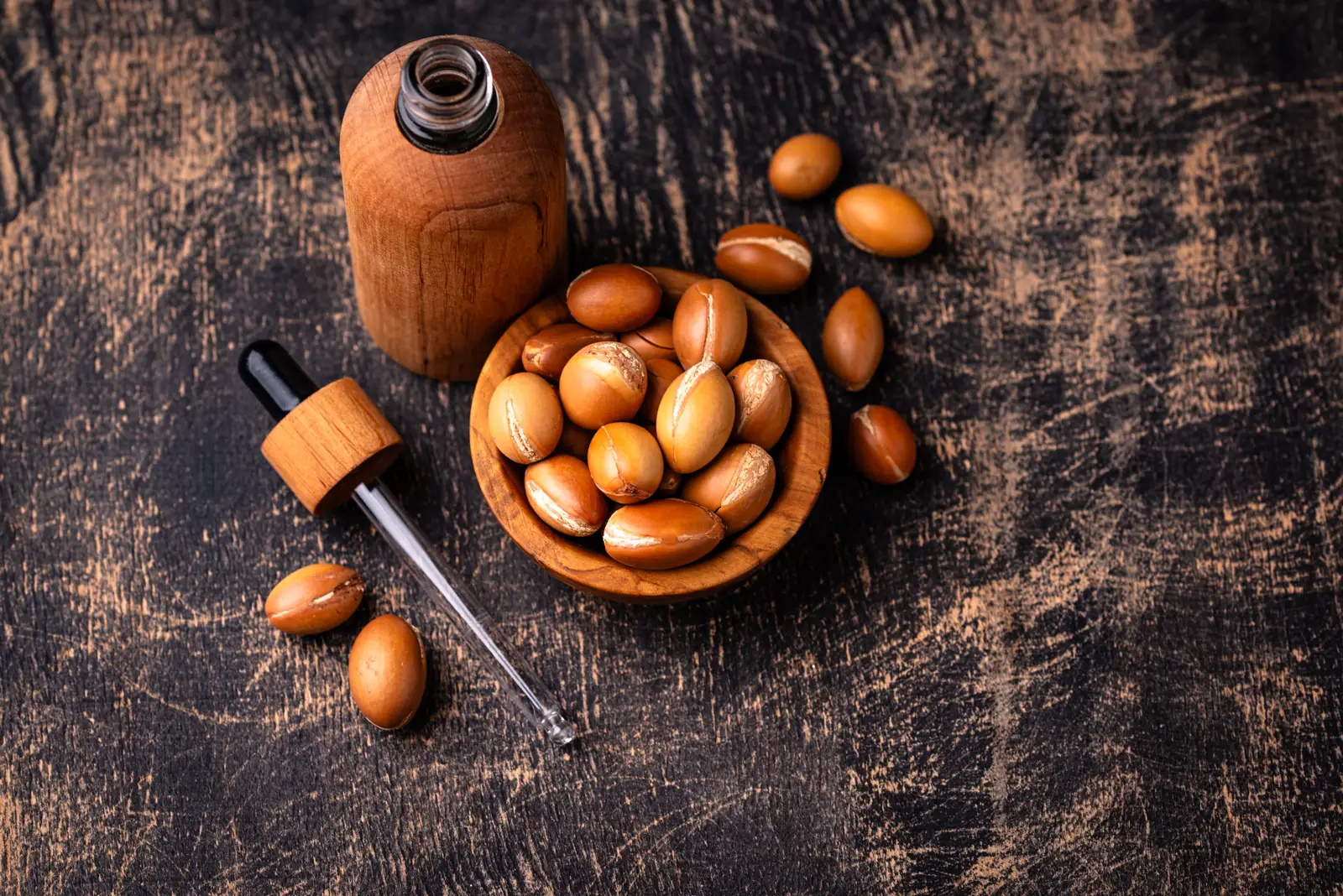 Serum · BeginnerArgan & Prickly Pear Night SerumA Moroccan night oil-serum of argan, prickly pear seed oil and squalane with 1% bakuchiol, a gentle alternative to retinol.
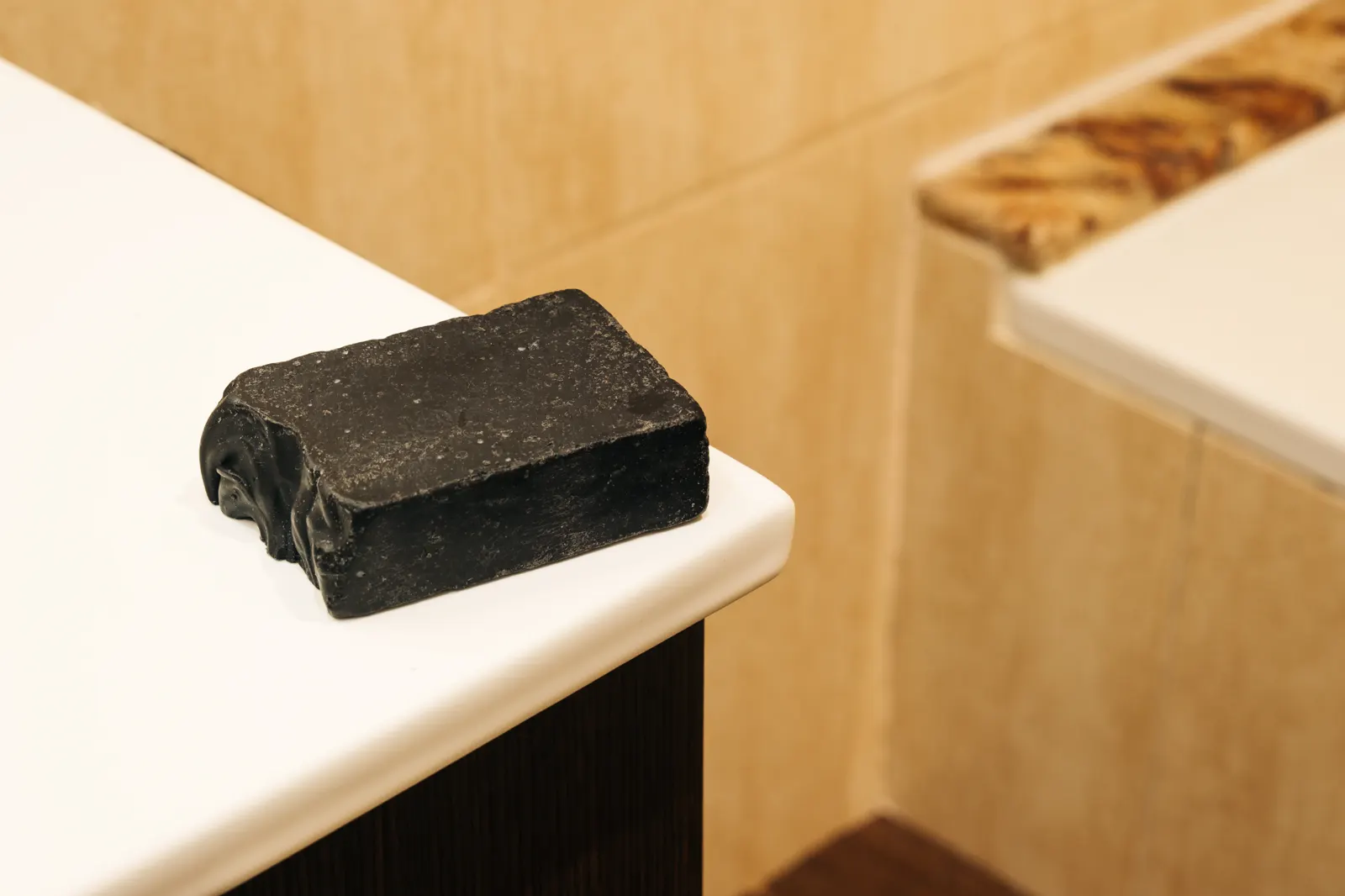 Ritual · BeginnerMoroccan Hammam Ritual at HomeBeldi black soap, the kessa glove, rhassoul clay, orange blossom water and argan oil: the traditional Moroccan hammam sequence, adapted safely for home.
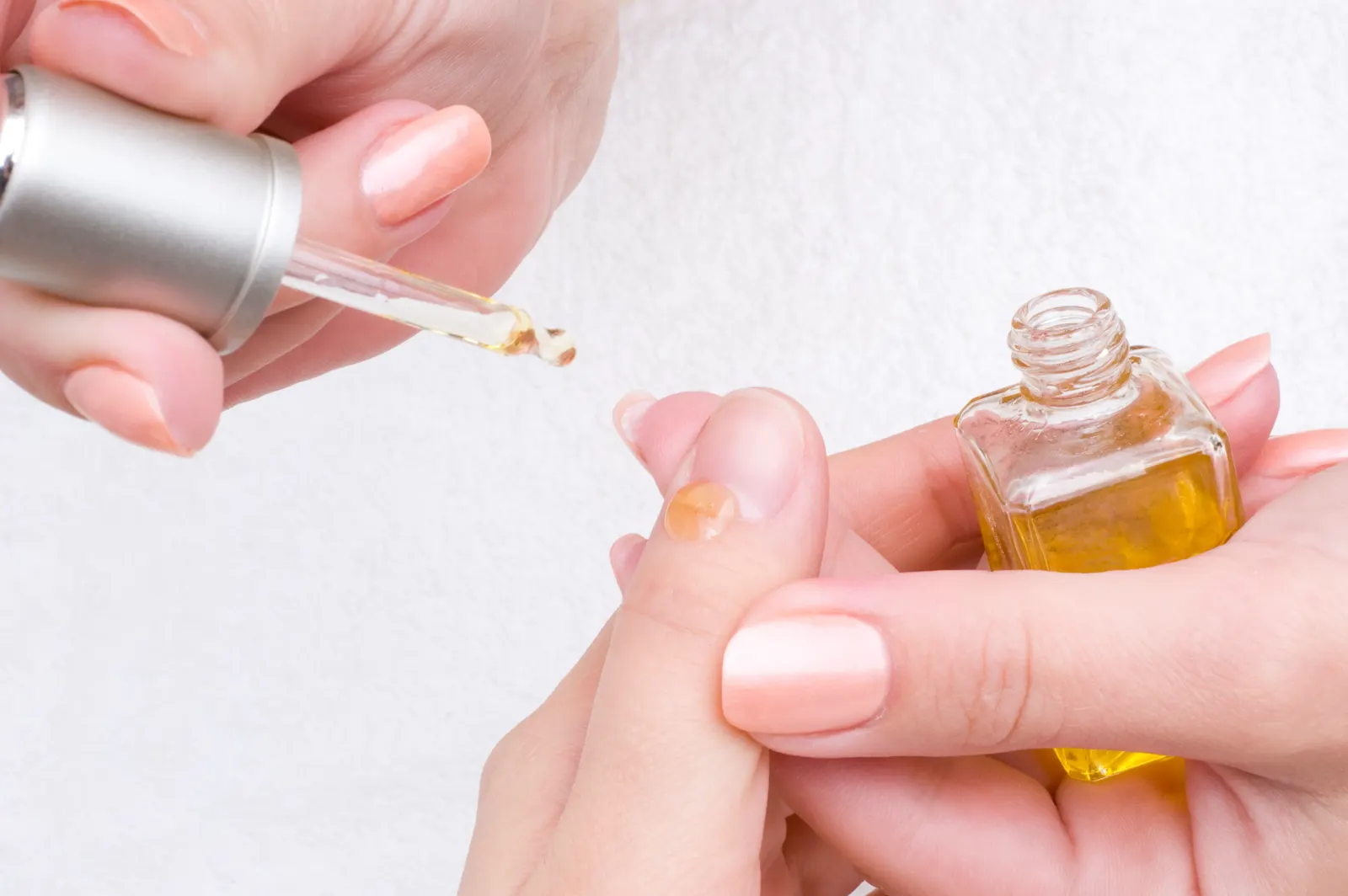 Body care · BeginnerOvernight Cuticle OilA tiny bottle of jojoba, almond, argan and castor oil for ragged cuticles and brittle, peeling nails. One drop per nail before bed.
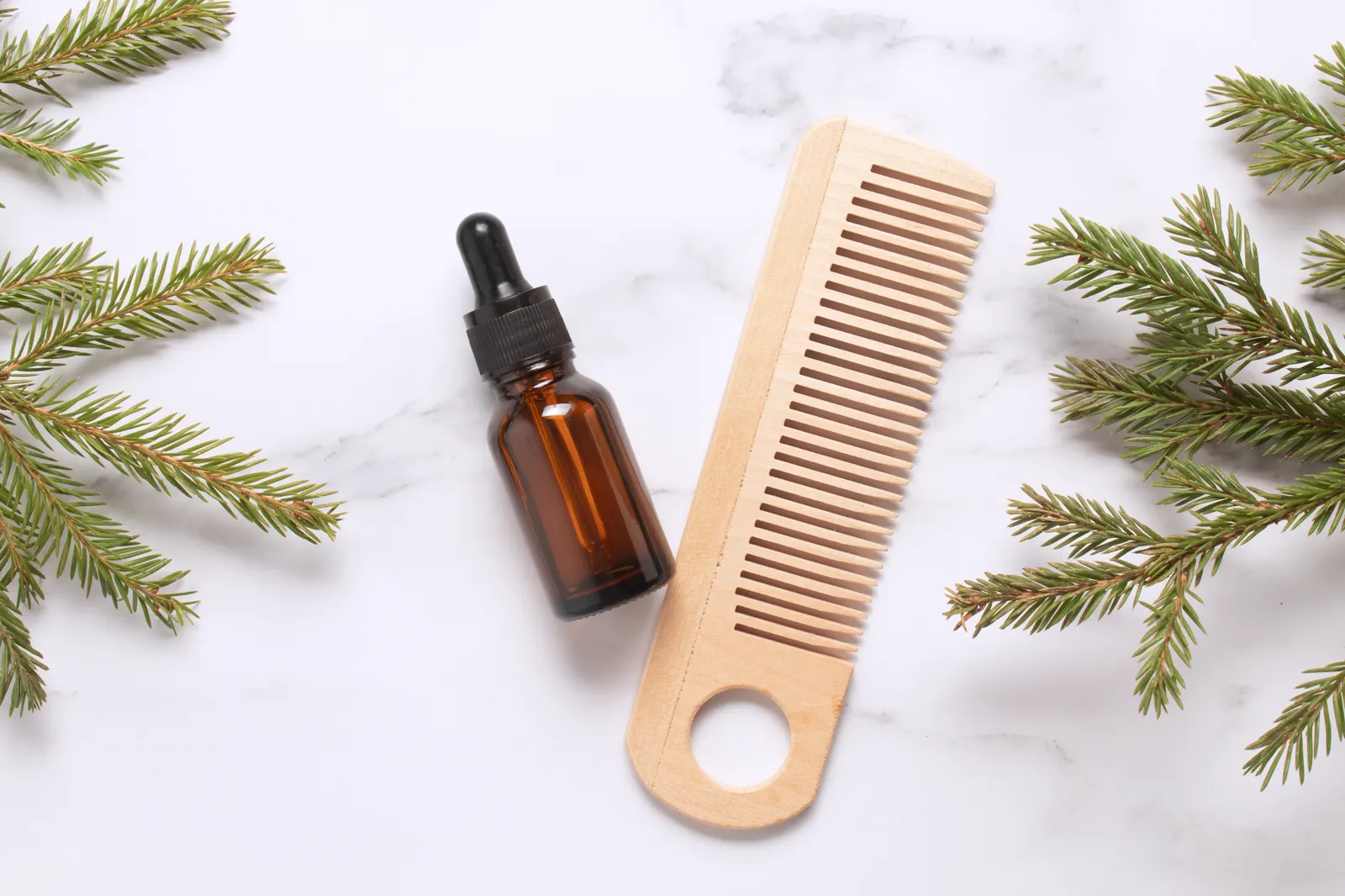 Face oil · BeginnerArgan & Jojoba Beard OilA light, woody beard oil of jojoba, argan and sunflower with a hint of Atlas cedar that softens bristles and calms the itchy skin beneath.
Daily rituals with Argan Oil
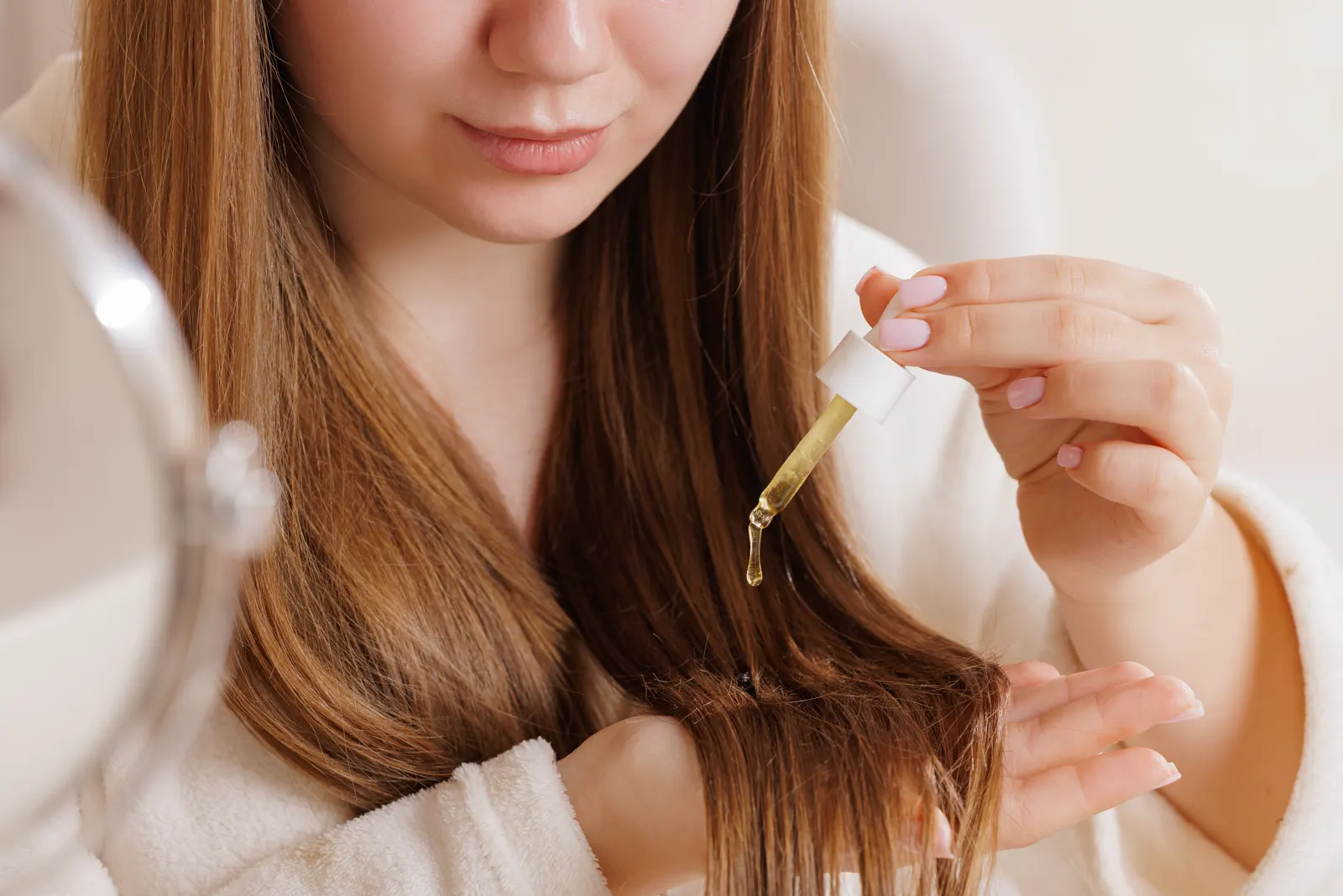 A Touch of Argan for the EndsOne drop of hair-labeled argan oil smoothed over damp ends: a light finishing step with Moroccan roots, not a repair treatment.
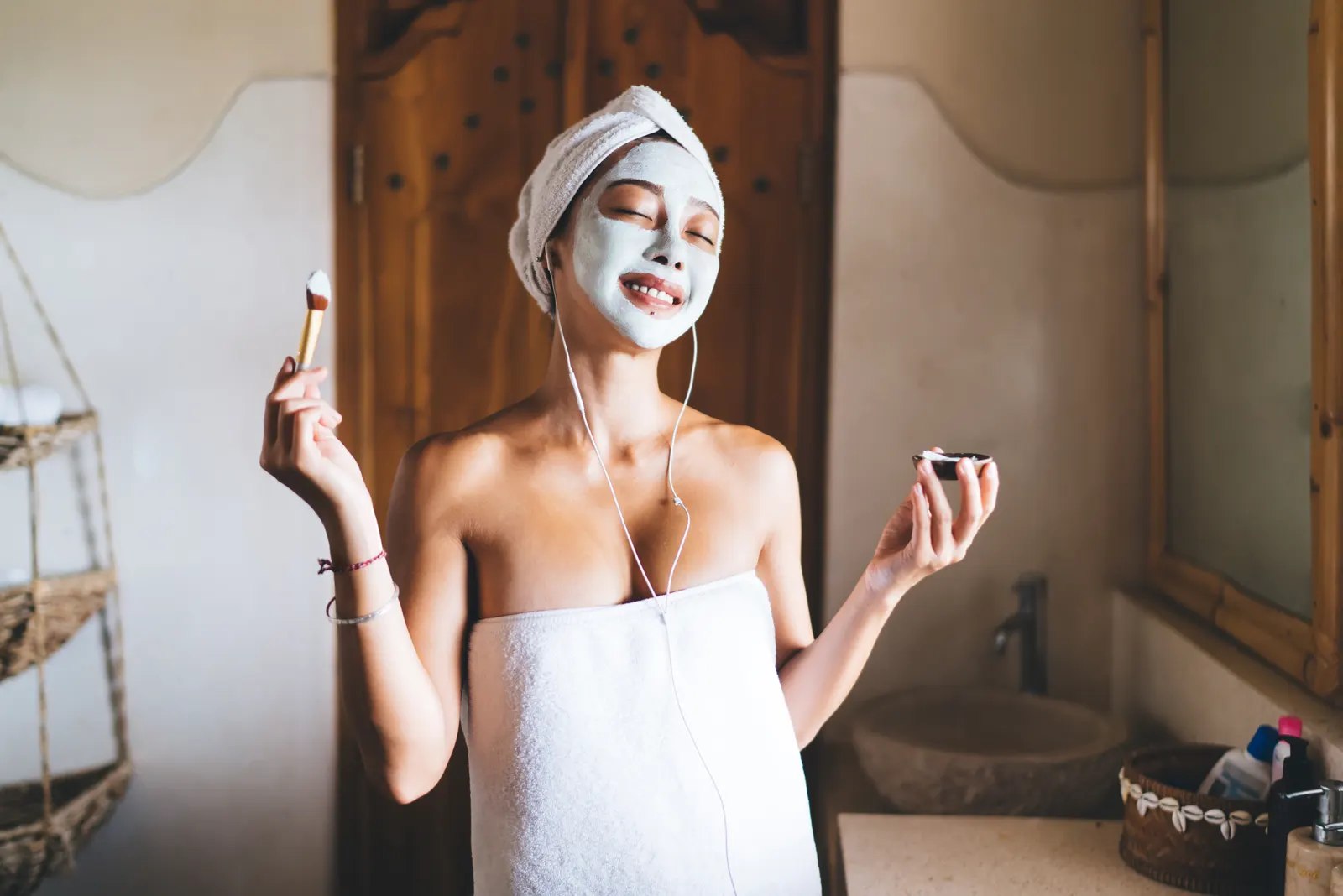 A Weekly Rhassoul Reset for Oily SkinA once-a-week Moroccan rhassoul clay mask for oily and combination skin, with the winter rule that keeps it from over-drying.
Use it safely
- Allergic contact dermatitis to argan oil is uncommon but documented in case reports; patch test if your skin is reactive.
- Argan is a kernel oil; cosmetic oils carry very little protein, but people with severe nut or seed allergies have rarely reacted — ask an allergist if in doubt.
- Roasted (culinary) argan oil smells strongly toasted and is not meant for the face.
- Discard oil that smells sharp, waxy or like old crayons: oxidized oil is more irritating.
Pregnancy and breastfeeding: No specific concerns for topical use in pregnancy or breastfeeding. Skin can become more reactive in pregnancy, so patch test new products.
New to an ingredient? Patch test first.
When to see a doctor
- Dryness with intense itch that disturbs sleep, or red, inflamed patches (possible eczema or another dermatitis).
- Cracked, bleeding or weeping skin, or signs of infection (pain, warmth, yellow crusts, pus).
- Fish-scale-like dryness present since childhood (possible ichthyosis).
- New, persistent dryness with fatigue, weight change, feeling cold or hair thinning (thyroid), or with excessive thirst and urination (diabetes).
- Severe dryness in older adults with widespread itch that does not respond to moisturizers.
Other plants for Dry & Dehydrated Skin
| Ingredient | Grade | What the evidence shows |
|---|---|---|
| Colloidal Oatmeal | B | Multiple clinical studies show colloidal oatmeal creams and baths reduce dryness, scaling and itch; it is an approved skin protectant in the US. |
| Sunflower Oil | B | Linoleic-rich sunflower seed oil preserved stratum corneum integrity and improved hydration in a comparative study with olive oil, and supports barrier function in neonatal studies. |
| Coconut Oil | B | A randomized trial found virgin coconut oil as effective and safe as mineral oil for mild to moderate xerosis of the legs. |
| Shea Butter | C | Rich emollient and mild occlusive with anti-inflammatory triterpene esters; small studies of shea-containing creams support hydration. |
| Squalane | C | A skin-identical, stable, lightweight emollient that reduces roughness; excellent tolerability but limited trial data on its own. |
| Jojoba | C | A liquid wax ester that resembles skin’s own wax esters; small studies support barrier repair and softness. |
| Aloe Vera | C | A humectant gel that improved skin hydration in small studies; on its own it is not enough for very dry skin and needs an emollient on top. |
| Marshmallow Root | D | Mucilage polysaccharides form a soothing, humectant film; evidence is traditional and lab-based. |