Kitchen beauty · 6 min read ·
Your Kitchen Apothecary: 10 Ingredients Worth Keeping (and 5 to Leave in the Pantry)
Honey, oats, olive oil and green tea earn their place by the bathroom sink. Lemon, baking soda and cinnamon belong in dinner, not on your face.
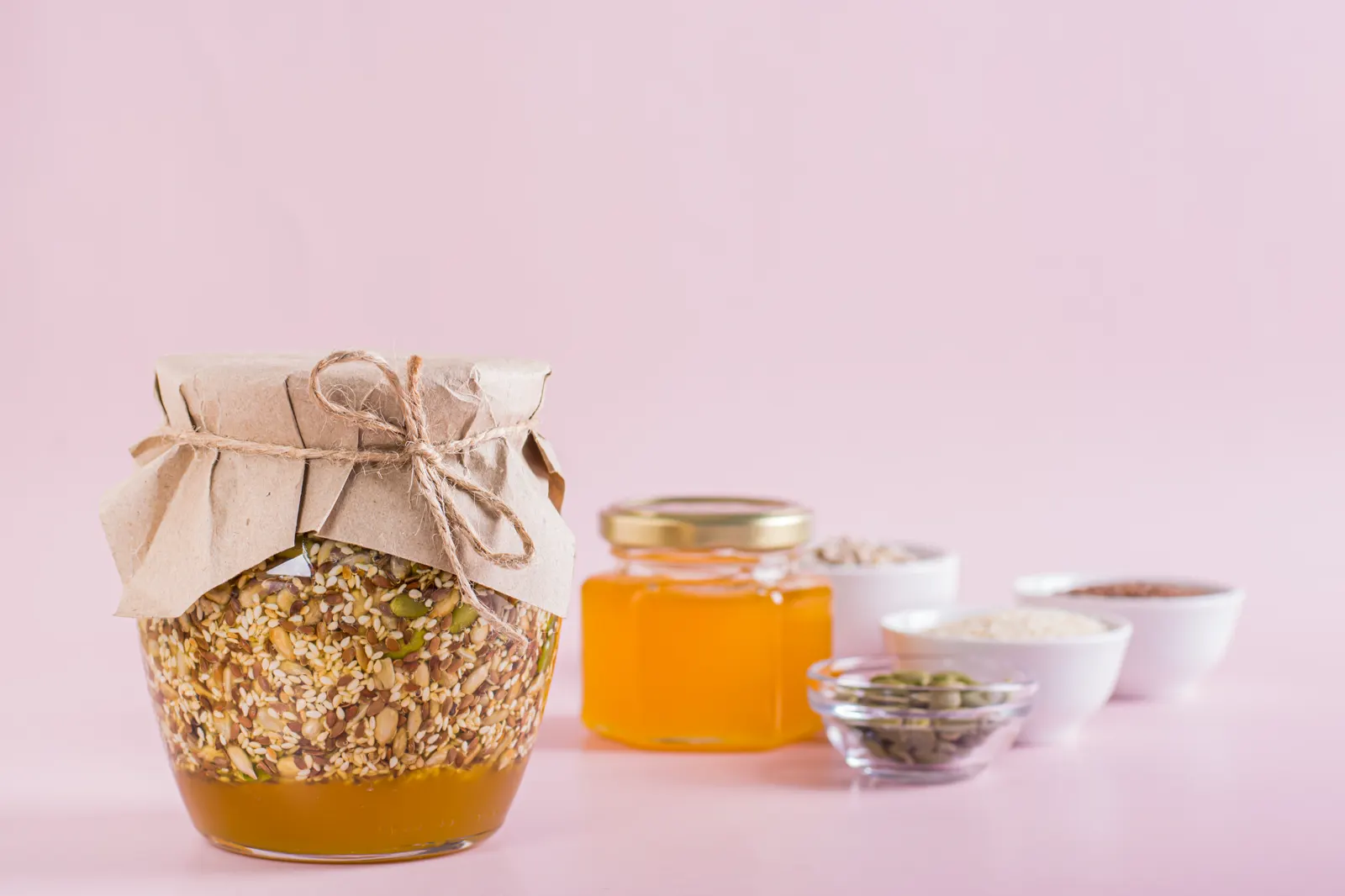
Long before beauty came in bottles, it came from the kitchen: a spoon of honey, a handful of oats, a splash of olive oil warmed between the palms. Some of those habits hold up beautifully today. Others are better left to cooking. Here is how to tell them apart.
The kitchen rule of thumb
Food ingredients are not automatically gentle because we eat them. Your stomach is built to handle acids, spices and enzymes; the skin on your face is not. A good kitchen ingredient for skin is usually mild, soothing and simple: it softens, calms or cleanses lightly. Ingredients that burn, sting, tingle or fizz are telling you something.
The second rule is freshness. Anything mixed with water, yogurt, fruit or tea becomes a perfect home for microbes within hours. Make kitchen preparations in single portions, use them straight away and throw away the rest. Our guide to DIY Safety: Water, Microbes & Preservatives explains why.
And the third: patch test. Even honey and oats can disagree with someone. A thin layer on the inner arm, twice daily for 7 days and read at 48 and 96 hours, is all it takes; see How to Patch Test (and Read the Result).
Ten worth keeping
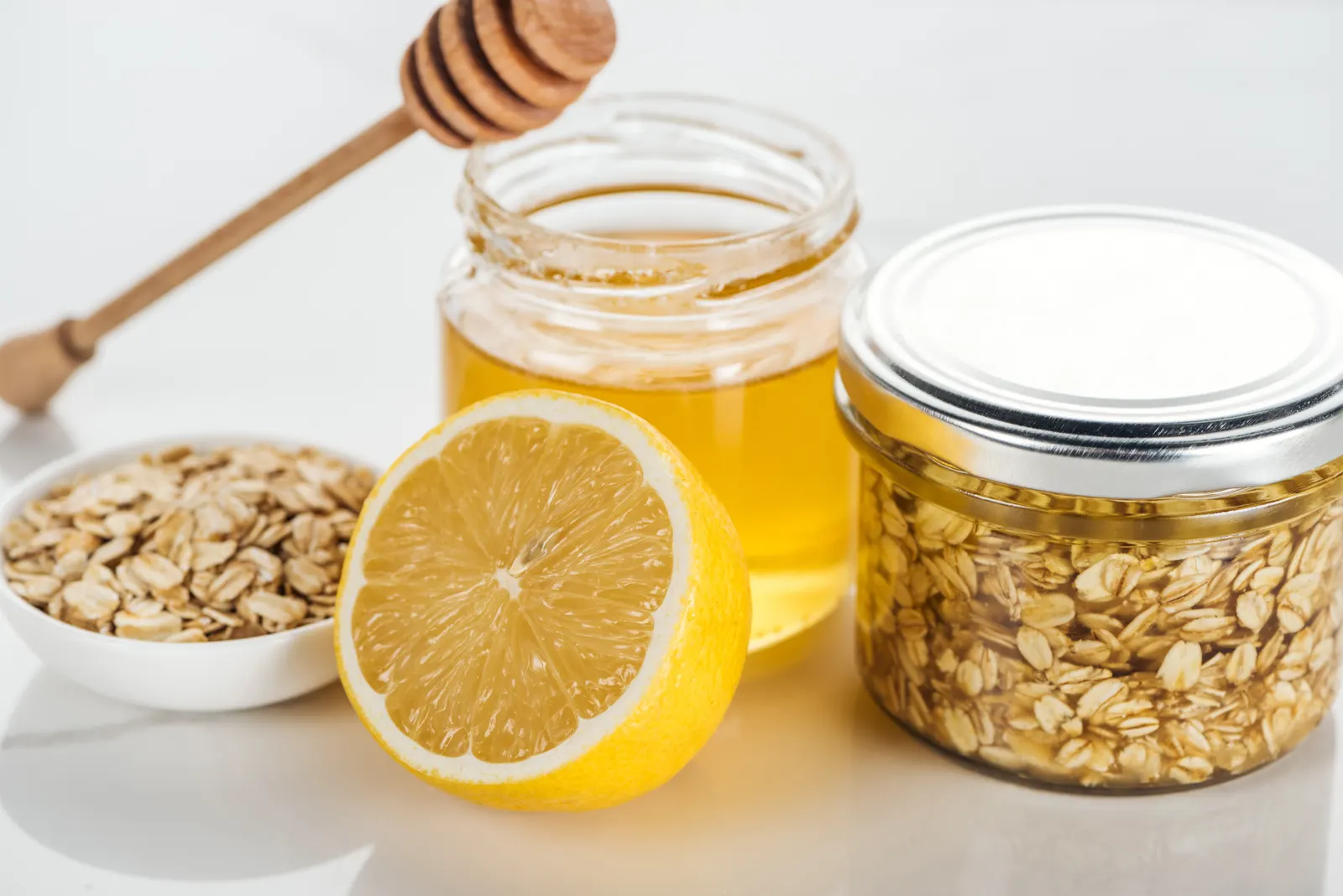
- Honey. Sticky, sweet and soothing, honey holds moisture and has a long medical history in wound care, where specially sterilized medical-grade honey is used. For a face mask, a thin layer of runny honey for ten minutes leaves skin soft. The Honey Mask: Medical-Grade or Supermarket Jar? explains which jar to use for what.
- Oats. Finely ground oats, or ready-made colloidal oatmeal, are among the best-studied botanical soothers for dry, itchy skin. Brilliant in baths, compresses and masks.
- Olive oil. A Mediterranean classic for body, hands, cuticles and hair ends. It is rich, so many people prefer lighter oils on the face, and some research suggests it may not suit eczema-prone skin as a daily moisturizer.
- Sunflower oil. Light, high in linoleic acid and generally well tolerated. A lovely base for a cleansing oil or a simple body oil.
- Green tea. Brewed, cooled and used the same day, it makes a refreshing compress for tired eyes, as in the A Green Tea Cold Compress for Puffy Morning Eyes.
- Chamomile tea. A cooled, strong infusion is a gentle facial rinse or compress. Avoid it if you are allergic to daisy-family plants such as ragweed.
- Cucumber. Cool slices on the eyes feel wonderful. Most of the effect is the cold and the rest, which is no small thing.
- Rice bran and rice water. A traditional favorite in East Asian beauty, especially for hair rinses. Promising early research; use fresh and rinse well.
- Plain yogurt. Thick, cool and comforting as a short mask on normal skin. Use it fresh and skip it if you have a dairy allergy.
- Sugar. Mixed with a little oil, a gentle scrub for lips, elbows and feet. Keep it off the face, where crystals are too sharp.
Five to leave in the pantry
These turn up again and again in online tips. They are wonderful in food and unkind on skin.
- Lemon and lime juice. Very acidic and irritating, and citrus juice on skin that then sees the sun can cause painful burns and long-lasting dark marks, a reaction sometimes nicknamed “margarita dermatitis”. Never use it to “brighten” spots; see Dark Spots & Hyperpigmentation for options that work.
- Baking soda. Strongly alkaline, while skin prefers to be slightly acidic. As a scrub or spot paste it strips the barrier and leaves skin raw.
- Cinnamon, chili and other hot spices. Cinnamon is a well-known skin sensitizer and can cause burning and rashes. Spices that tingle in food can blister skin.
- Raw garlic. Pressed onto spots or warts, it has caused genuine chemical burns. Eat it instead.
- Undiluted vinegar. Apple cider vinegar used neat on skin, or left on under a plaster, can burn. A heavily diluted vinegar hair rinse is a different matter, but it is never a skin toner.
Toothpaste on spots, salt on the face and fresh ginger on the scalp belong on the same list. If a kitchen trick stings, wash it off with cool water and do not try it again.
A good kitchen ingredient for skin softens, calms or cleanses lightly. Anything that burns, stings or fizzes is telling you something.
Three simple ways to use what you have
A soft morning face. Spread a teaspoon of runny honey over clean, damp skin, leave it for ten minutes while you make breakfast, then rinse with warm water. Follow with moisturizer. Easy, sticky, lovely.
A calming soak. Blend a cup of plain porridge oats to a fine powder, tie it into a clean sock or muslin, and swish it in a lukewarm bath until the water turns milky. Soak for fifteen minutes. It is the idea behind our Colloidal Oat Soothing Bath, and kind to children’s skin as well as adults’.
A hand and cuticle balm. Warm a teaspoon of olive or sunflower oil between your palms and massage it into nails and cuticles after washing up. The Cuticle Care Without Scissors turns this into a weekly habit.
When to reach beyond the kitchen
Kitchen ingredients are good at comfort: softening, soothing, a bit of pleasure. They are not good at everything. They will not protect you from the sun (please never rely on coconut or olive oil as sunscreen), clear persistent acne, or fade stubborn pigmentation. For those, proven options such as a daily sunscreen, azelaic acid, retinoids or a doctor’s advice do far more, and they combine happily with a natural-leaning routine.
A few more friendly tips:
- Keep beauty spoons and bowls separate from food ones, or wash them very well.
- Buy oils in small bottles and use them within a few months; rancid oil smells like crayons and does skin no favors.
- If you have eczema, a food allergy or very sensitive skin, keep kitchen experiments simple, and ask your doctor before trying anything on broken skin.
One last thought on skin tone. Many kitchen “brightening” tips, especially lemon and baking soda, are aimed at evening out darker skin, and they are exactly the ones most likely to leave new marks behind. Irritation itself can darken skin on medium and deep complexions. Gentle, steady care plus daily sun protection is the slower path, and the one that works.
The kitchen apothecary at its best is calm, cheap and generous. Keep the good ten, let the five stay in the cupboard, and enjoy the rest of the meal.
Keep going
Put it into practice
 No. 041
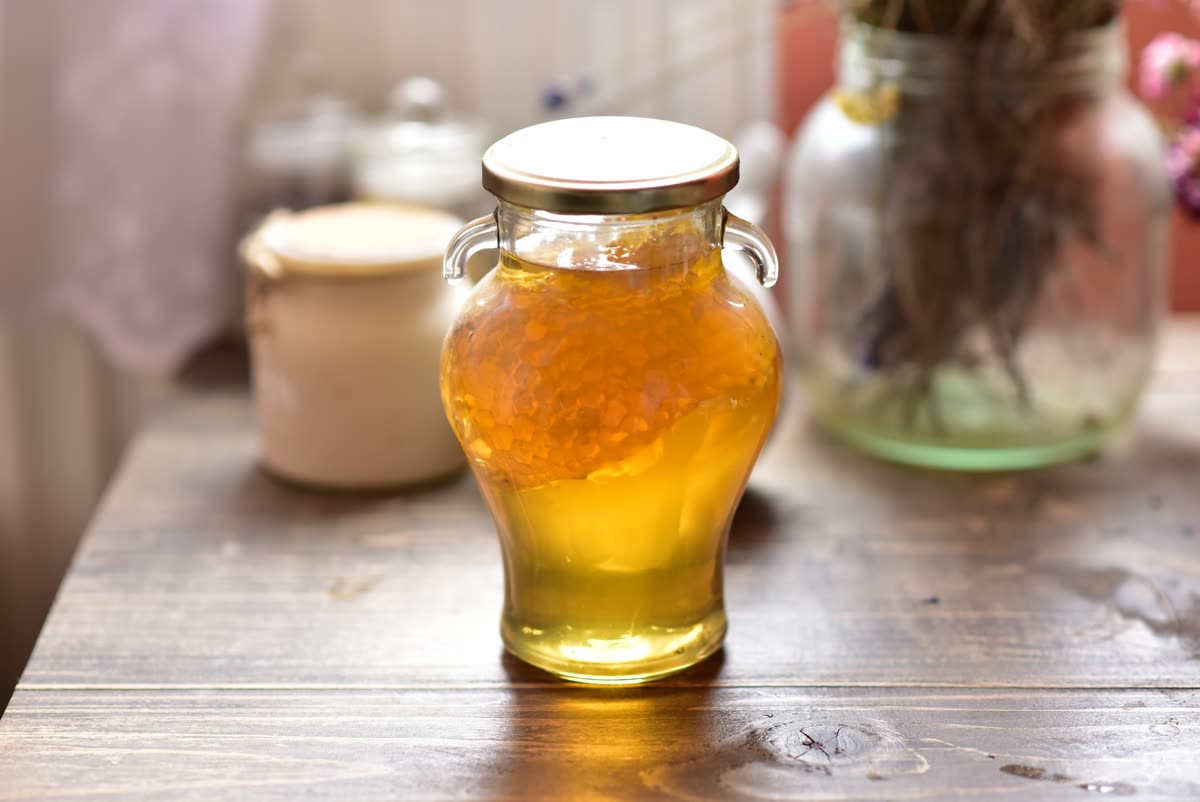
HoneyMel (product of Apis mellifera L.)A spoonful of raw honey is one of the simplest, loveliest masks there is: skin feels soft, plump and comforted.
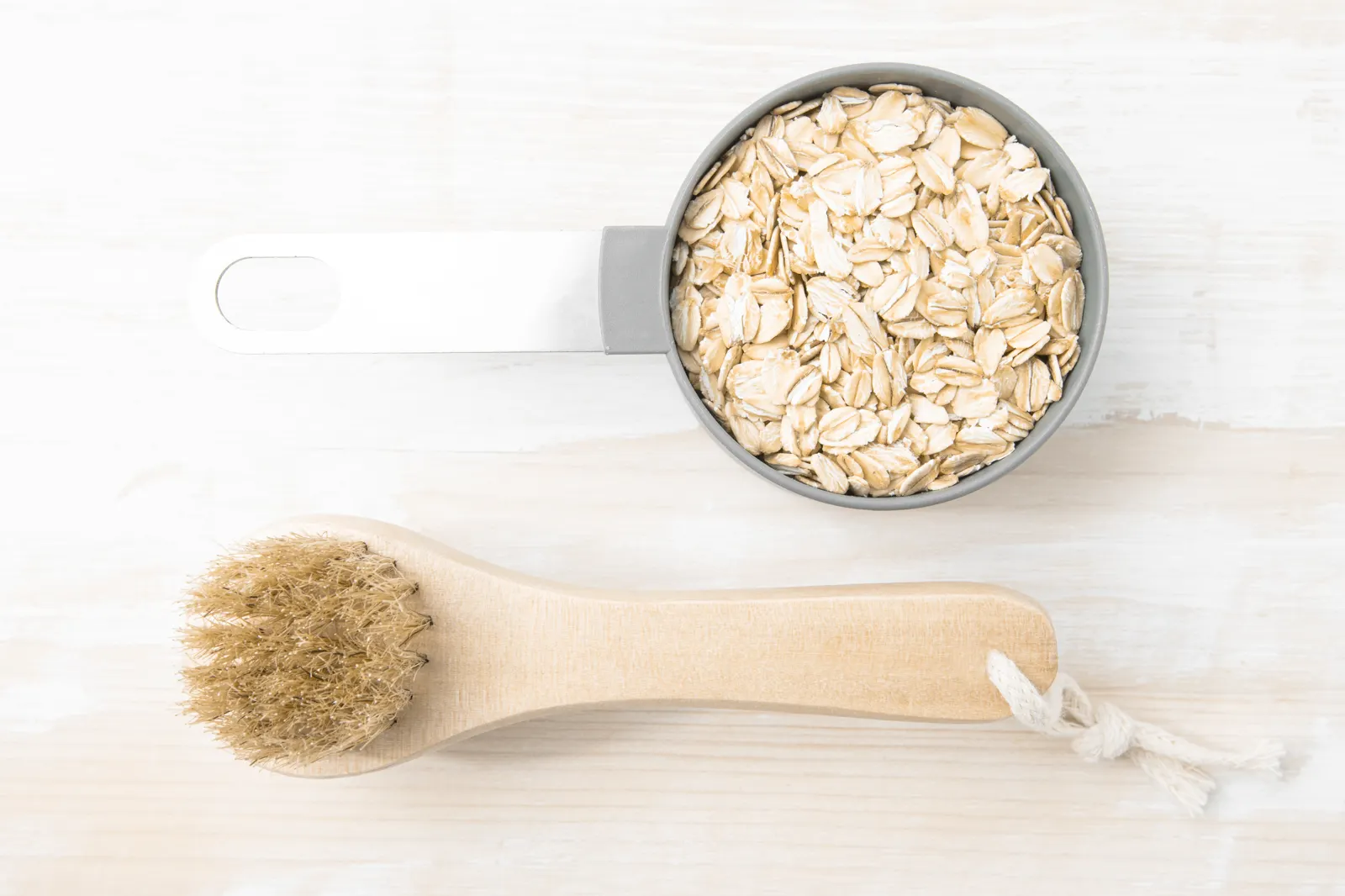 Bath · BeginnerColloidal Oat Soothing BathA lukewarm colloidal oatmeal soak with a little sunflower oil and marshmallow root to calm itchy, dry or eczema-prone skin.
GuideDIY Safety: Water, Microbes & PreservativesWhy anything with water needs a real preservative, how pH and water activity work, which preservatives fit natural standards, and what doesn’t work.
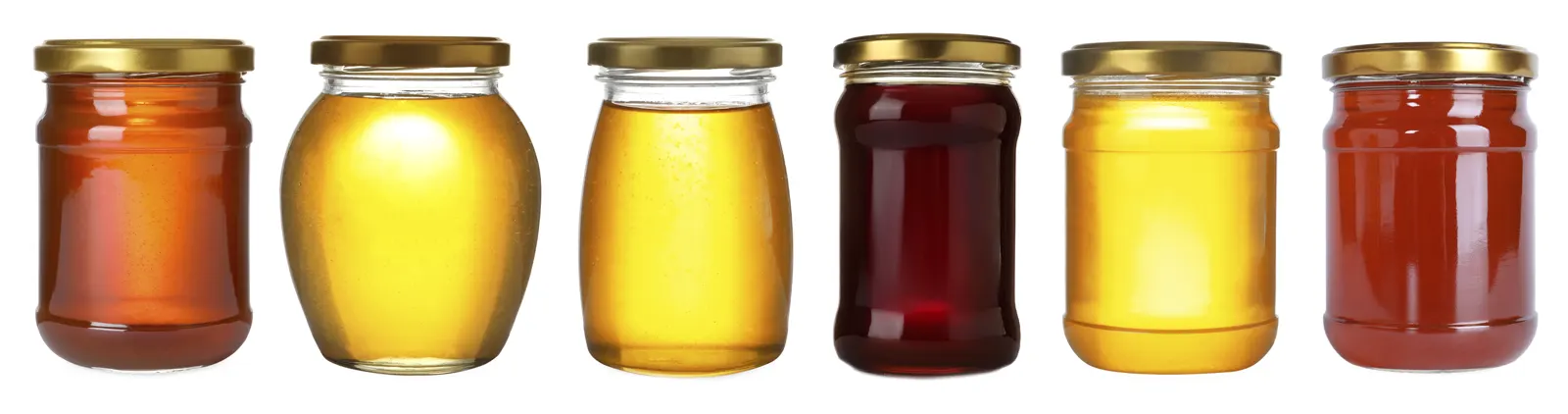 The Honey Mask: Medical-Grade or Supermarket Jar?A weekly honey mask for dry, dull or redness-prone skin, and the honest difference between medical-grade honey and the jar in your kitchen.
The magazine
More stories you’ll enjoy
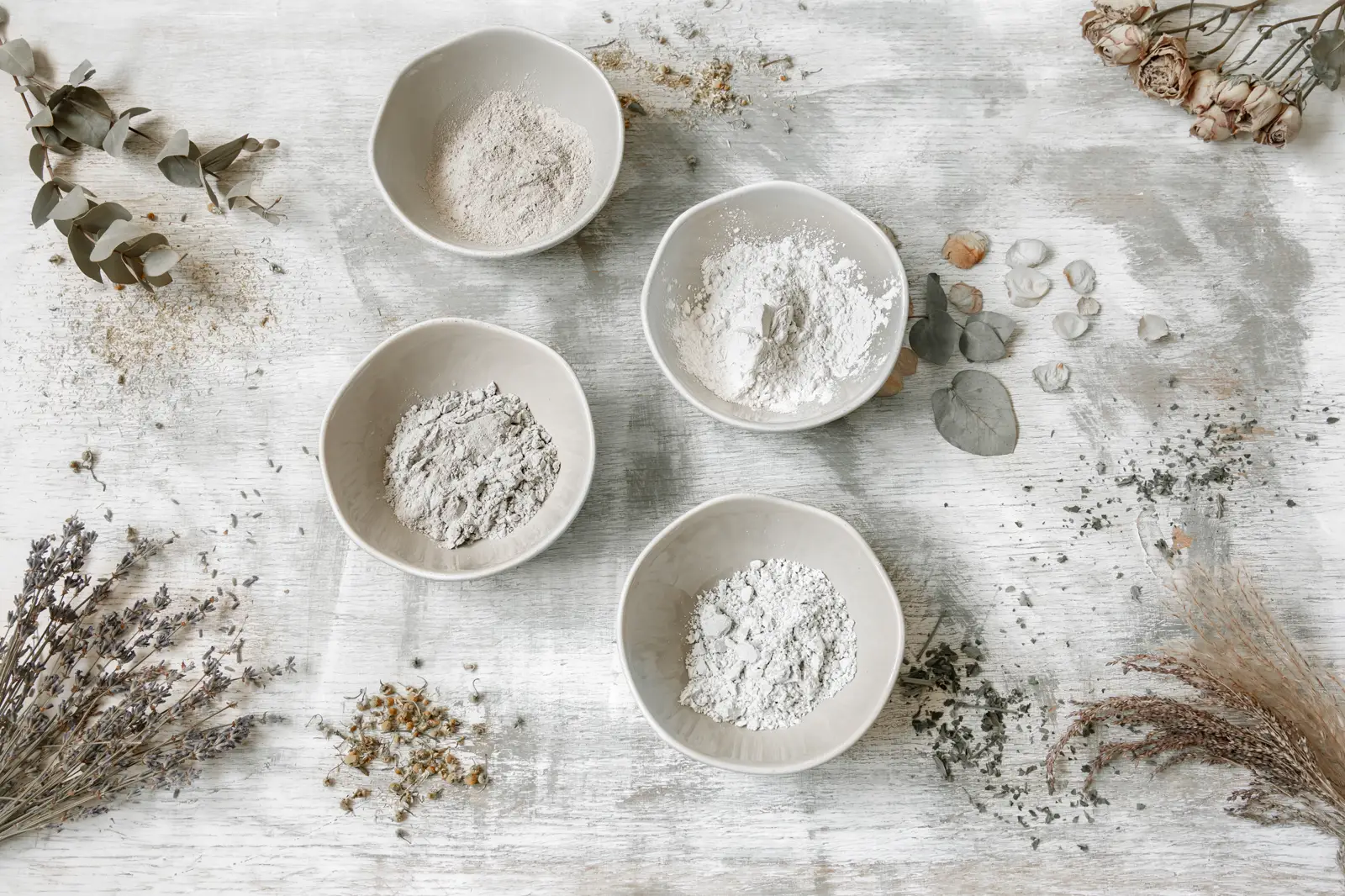 Kitchen beauty · 6 minSimple Masks That Actually Make SenseHoney, oats, clay and a pinch of turmeric: four honest face masks, what each one really does, and how to make them fresh in ten minutes.
 Seasonal living · 6 minA Winter Skin Plan, Week by WeekCold air outside, dry heat inside: a calm, four-week plan to keep skin soft, lips whole and hands comfortable until spring.
 Self-care & wellbeing · 6 minThe Ten-Minute Evening That Changes Your Skin and Your SleepA short, unhurried wind-down for the end of the day: clean skin, a little oil, softer light and a calmer mind before bed.