Kitchen beauty · 6 min read ·
Simple Masks That Actually Make Sense
Honey, oats, clay and a pinch of turmeric: four honest face masks, what each one really does, and how to make them fresh in ten minutes.
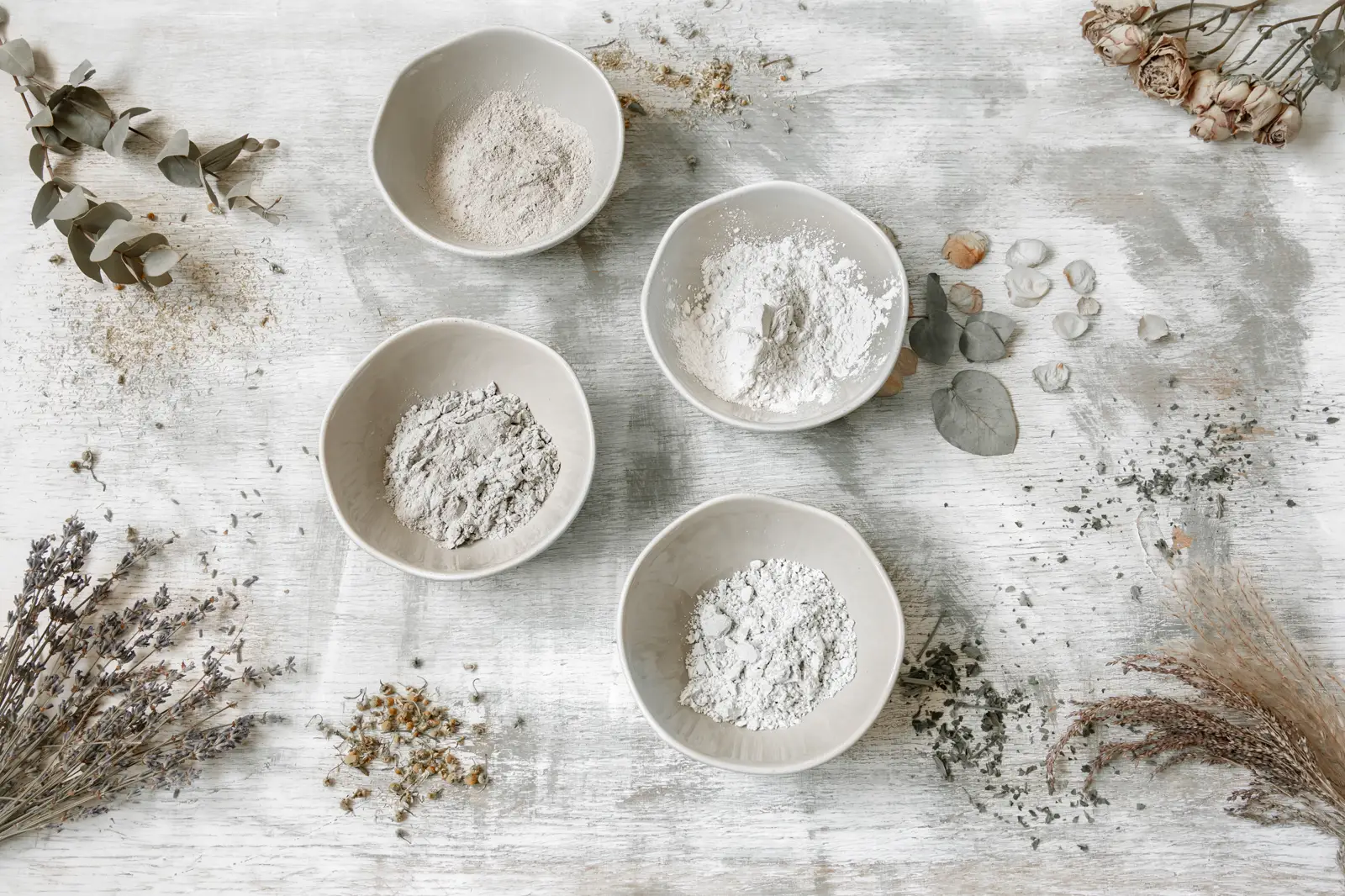
A face mask is a small, lovely pause: ten minutes on the edge of the bath with something cool on your skin and nothing to do. The internet is full of recipes that promise far more than ten minutes can deliver. Here are four that keep their promises, and an honest word about what a mask can do.
What a mask can really do in ten minutes
Masks work mostly on the very surface of the skin. In ten or fifteen minutes they can soften dry flakes, add a temporary boost of moisture, soothe a hot or itchy face, or lift oil and grime from the surface. Skin often looks plumper and smoother afterwards, and that effect is real, if short-lived.
What a mask cannot do is change your skin type, close pores (pores do not open and close like doors), draw out impurities from deep inside, or fade deep pigmentation in one sitting. Lasting change comes from what you do every day: gentle cleansing, moisturizer and sunscreen. A mask is the treat on top.
The best homemade masks are simple: two or three ingredients, mixed fresh, used once. Anything made with water, yogurt, fruit or tea spoils quickly, so make a single portion and throw away what is left. Our DIY Safety: Water, Microbes & Preservatives guide explains why that matters.
For dry or tired skin: the honey mask
Honey is a humectant, meaning it draws water into the skin’s surface, and it has a long, respected history in wound care, where sterilized medical-grade honey is used. On the face, a thin layer leaves skin noticeably soft.
- Start with clean, slightly damp skin.
- Spread one teaspoon of runny honey thinly over the face, avoiding the eyes.
- Leave for ten to fifteen minutes. Sit somewhere you will not drip.
- Rinse with warm water and a soft cloth, then moisturize.
Raw supermarket honey is fine for intact skin; for broken skin or wounds, only medical-grade honey belongs there. The Honey Mask: Medical-Grade or Supermarket Jar? explains the difference. If you are allergic to bee products or pollen, skip this one.
For sensitive, itchy or red skin: oats and chamomile
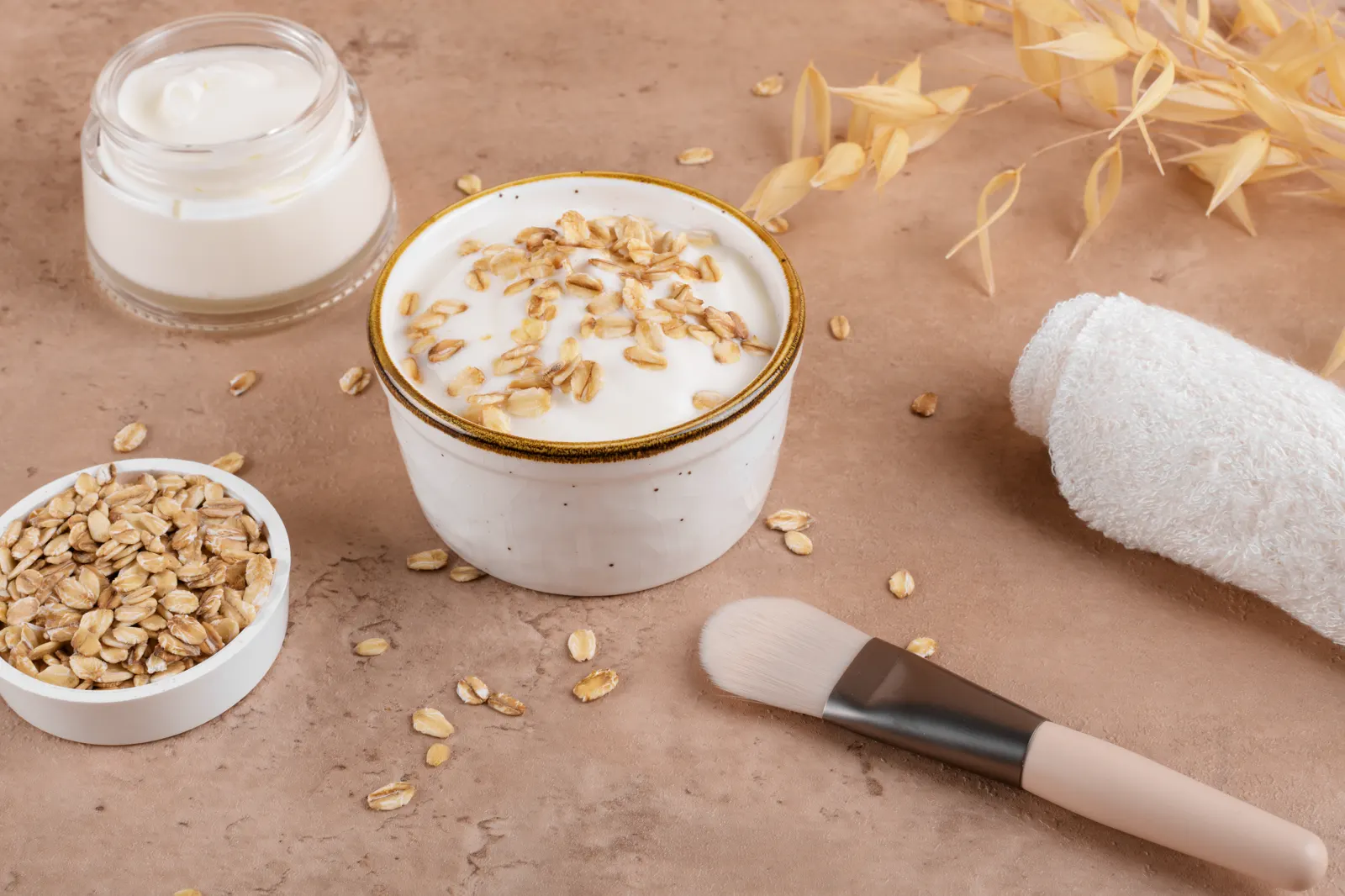
Of all the kitchen ingredients, oats have the strongest clinical backing. Finely milled colloidal oatmeal forms a soft, protective film on the skin and contains compounds that help calm itching and redness. It is used in many pharmacy creams for eczema-prone skin for exactly this reason.
Our Calming Oat & Chamomile Mask pairs it with cooled chamomile tea. The quick version:
- Blend two tablespoons of plain oats to a fine flour, or use ready-made colloidal oatmeal.
- Mix with enough cooled chamomile tea (or plain water) to make a soft paste.
- Smooth over the face and leave for ten minutes.
- Rinse with cool water. No scrubbing: let the water do the work.
It suits almost everyone, including people with very reactive skin. If you are allergic to daisy-family plants such as ragweed, leave out the chamomile and use water.
A mask is the treat on top. Lasting change comes from what you do every day.
For oily or congested skin: rhassoul clay
Clays absorb oil and lift surface grime, leaving skin matte and fresh. Moroccan rhassoul clay is one of the gentlest, traditionally used in the hammam to wash both hair and skin. It feels silky rather than chalky when mixed.
- Mix one tablespoon of rhassoul with water or rose water to a yogurt-like paste. Use a wooden or ceramic spoon and bowl.
- Apply to the oily zones, usually forehead, nose and chin.
- Rinse before it dries completely and cracks. Fully dried clay can leave skin tight.
- Follow with a light moisturizer.
Once a week is plenty for most people; the A Weekly Rhassoul Reset for Oily Skin makes it a habit, and the full Moroccan Rhassoul & Orange Blossom Mask adds a few nice touches. Dry or sensitive skin can use clay on the T-zone only, or mix in a few drops of oil.
Clay will not clear acne, but it can make oily skin feel more comfortable between proper treatments. See our Oily Skin & Pores page for the bigger picture.
For a glow: turmeric, honey and a little care
Turmeric is a cornerstone of South Asian beauty, especially in haldi ceremonies before weddings, where a turmeric paste is smoothed onto the bride’s and groom’s skin. Its main active, curcumin, is anti-inflammatory and antioxidant in the lab, with small, early human studies on skin. It is a lovely ingredient to enjoy, used thoughtfully.
The Turmeric & Honey Glow Mask keeps it simple: a pinch, not a spoonful, of turmeric in a teaspoon of honey, with a little yogurt or oat flour if you like. Leave for ten minutes and rinse.
Two friendly warnings. Turmeric stains: towels, grout, nails and, on fair skin, briefly the skin itself. A splash of oil or milk on a cotton pad lifts any yellow tint. And turmeric can cause allergic reactions in a small number of people, so patch test first on the inner arm.
The rules that make any mask safer
- Patch test first. Even gentle ingredients can disagree with you. See How to Patch Test (and Read the Result).
- Fresh, single portion, no leftovers. Discard anything mixed with water, tea, yogurt or fruit after use.
- Short and sweet. Ten to fifteen minutes. Longer is not better.
- Skip the stingers. Lemon, baking soda, cinnamon, vinegar and raw garlic do not belong in masks.
- Be gentle on deeper skin tones. Irritation can leave dark marks behind, so choose soothing masks over aggressive ones.
- Not on broken skin, active eczema or fresh sunburn, unless it is a plain oat mask, which most people tolerate well.
- Moisturize after. Always.
Make it an occasion if you like. Masks are lovely shared: a Sunday evening with a friend, a partner or a teenager trying their first one, two bowls, two spoons, ten minutes of sitting still and laughing at each other’s faces. They are also a gentle way to introduce younger people to skincare that is kind rather than harsh, and to show that looking after your skin can be calm and simple, with no shopping list attached.
A mask once or twice a week is plenty. It is a pause, a pleasure and a little lift. Enjoy it for exactly that.
Keep going
Put it into practice
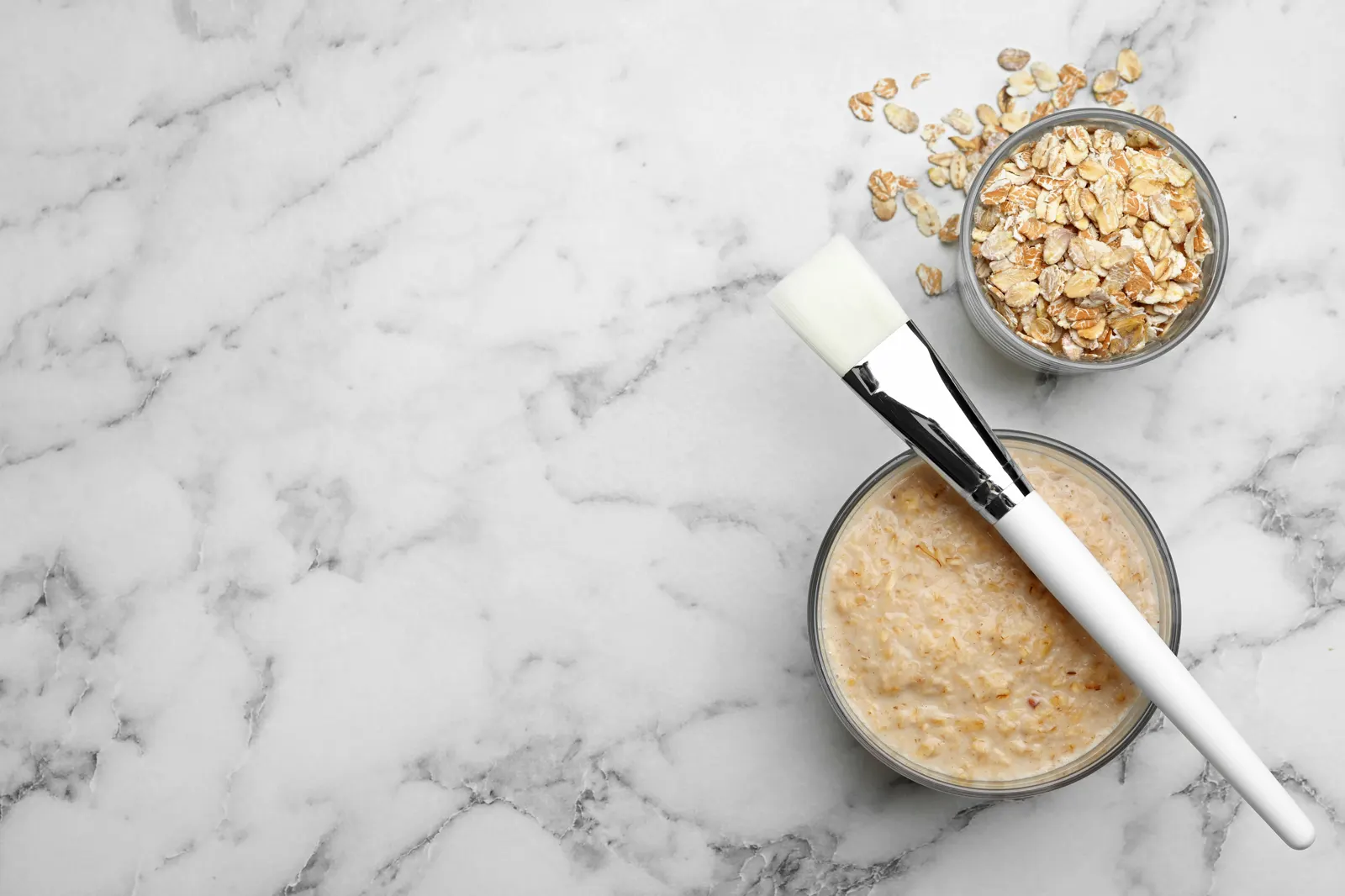 Mask · BeginnerCalming Oat & Chamomile MaskA soothing single-use paste of colloidal oatmeal, cooled chamomile tea, honey and aloe for skin that feels hot, tight or reactive.
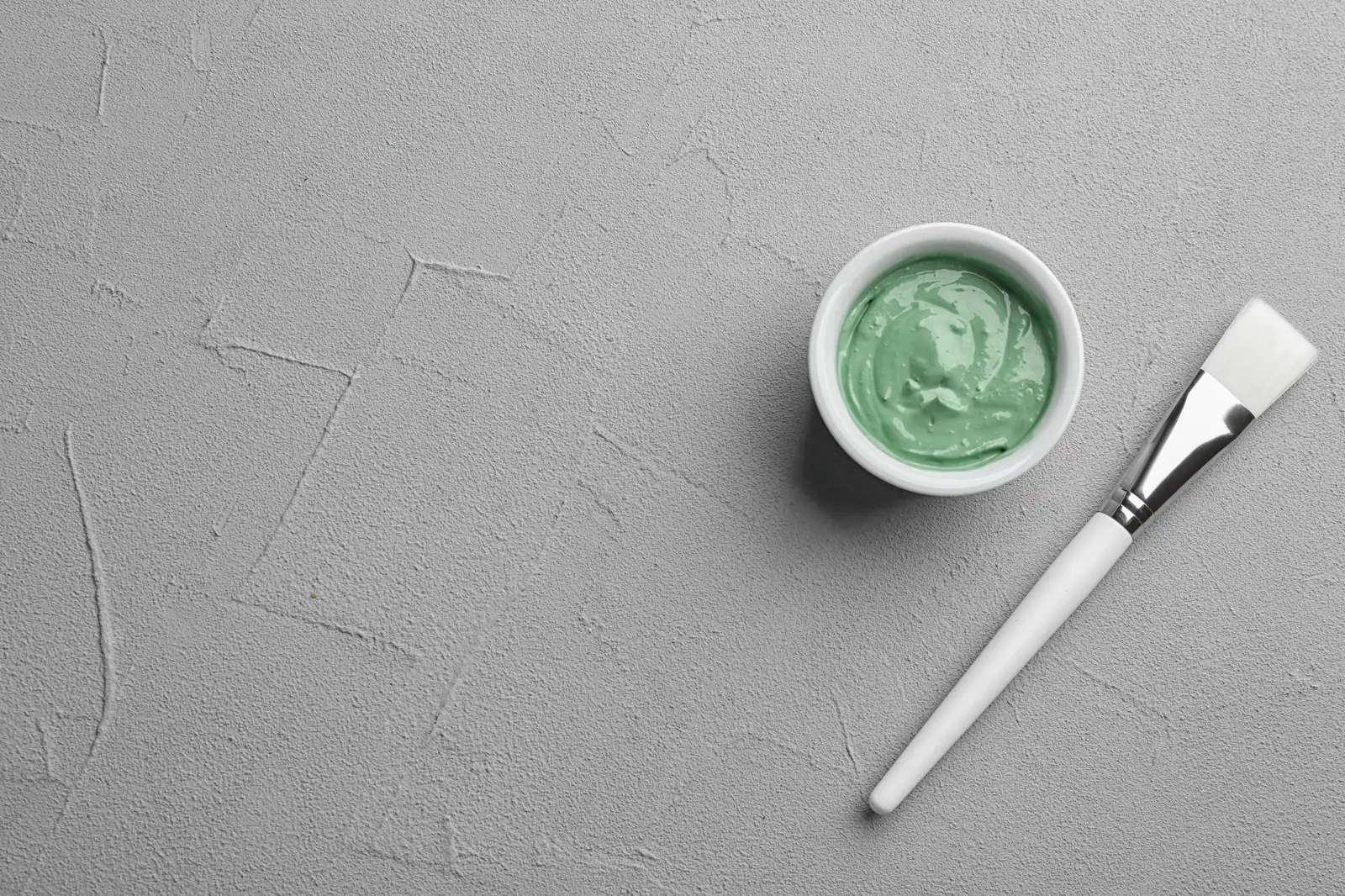 Mask · BeginnerMoroccan Rhassoul & Orange Blossom MaskRhassoul clay whipped with orange blossom water, argan oil and honey: the Moroccan way to cleanse and soften without squeaky tightness.
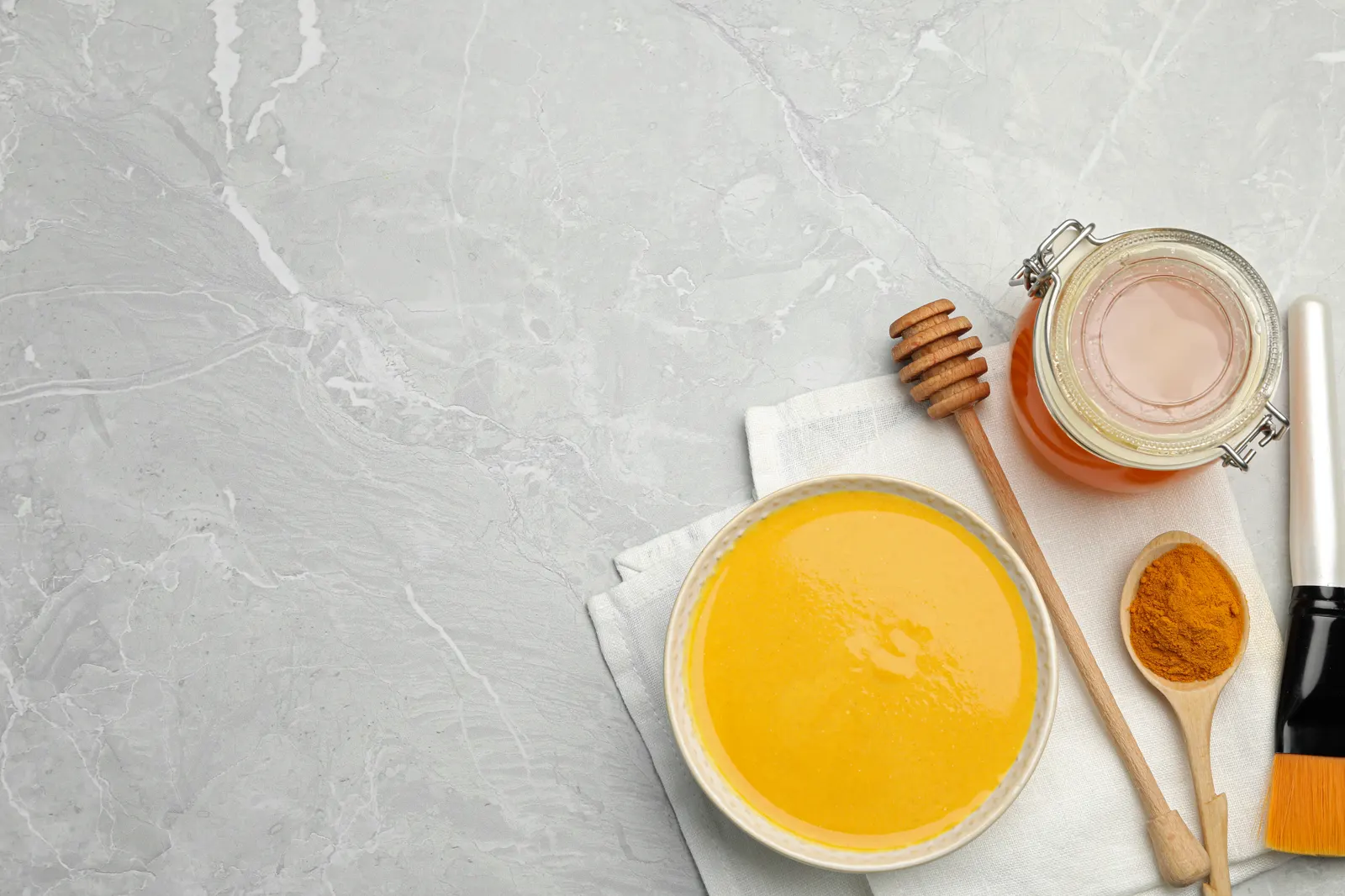 Mask · BeginnerTurmeric & Honey Glow MaskA quick ubtan-inspired mask of honey, yogurt, chickpea flour and a pinch of turmeric. Mind the yellow stain and patch test first.
GuideDIY Safety: Water, Microbes & PreservativesWhy anything with water needs a real preservative, how pH and water activity work, which preservatives fit natural standards, and what doesn’t work.
The magazine
More stories you’ll enjoy
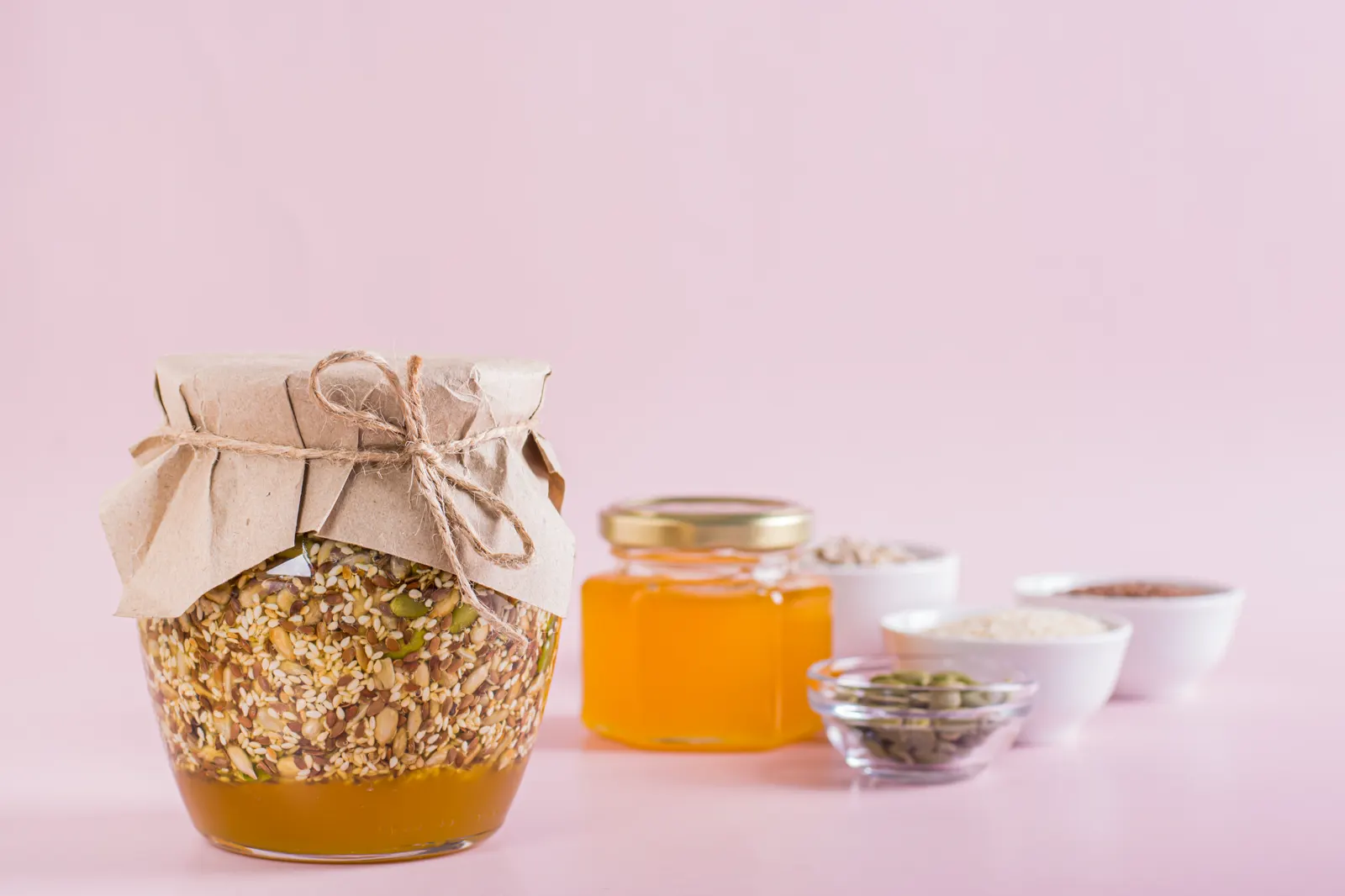 Kitchen beauty · 6 minYour Kitchen Apothecary: 10 Ingredients Worth Keeping (and 5 to Leave in the Pantry)Honey, oats, olive oil and green tea earn their place by the bathroom sink. Lemon, baking soda and cinnamon belong in dinner, not on your face.
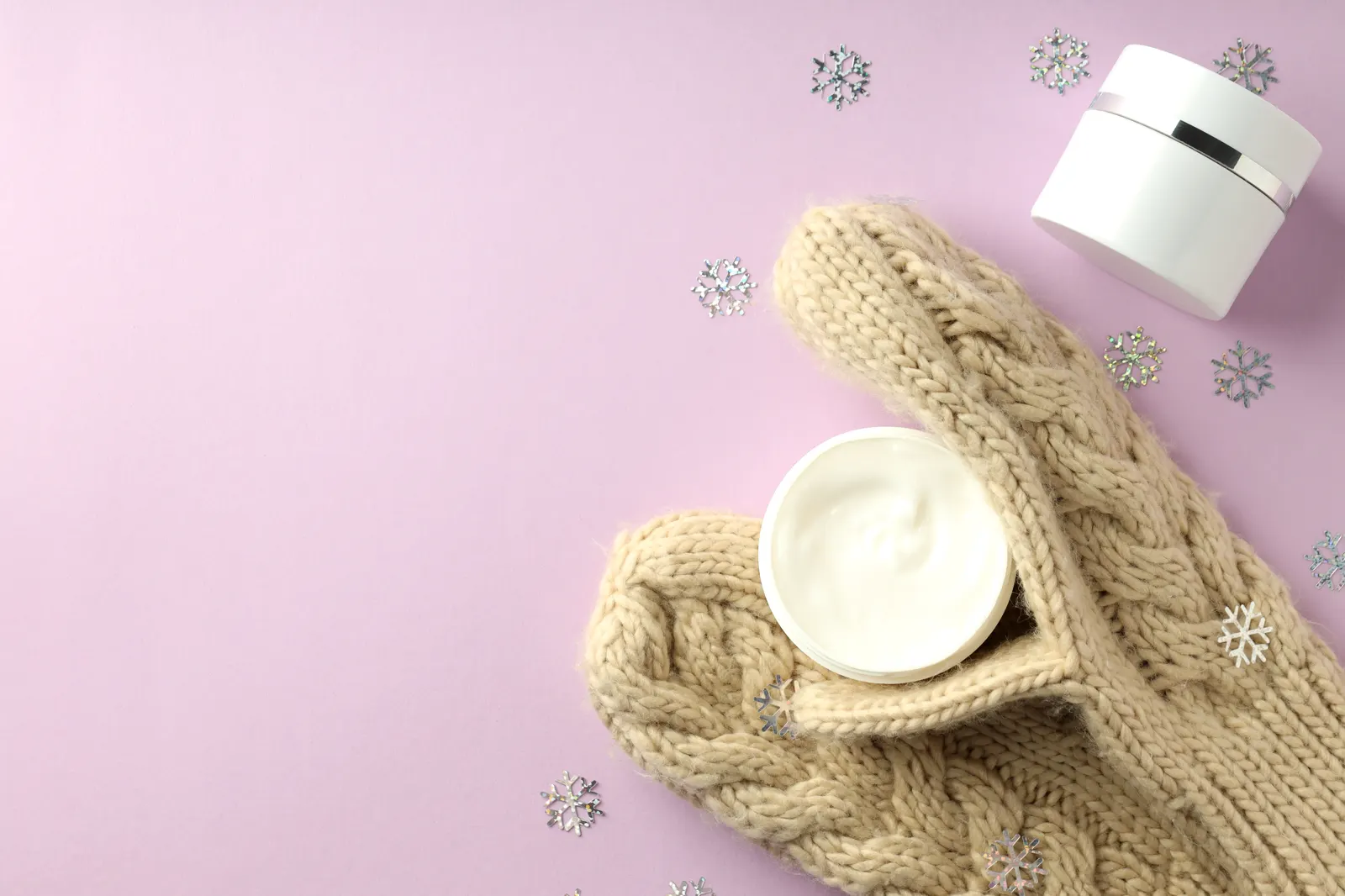 Seasonal living · 6 minA Winter Skin Plan, Week by WeekCold air outside, dry heat inside: a calm, four-week plan to keep skin soft, lips whole and hands comfortable until spring.
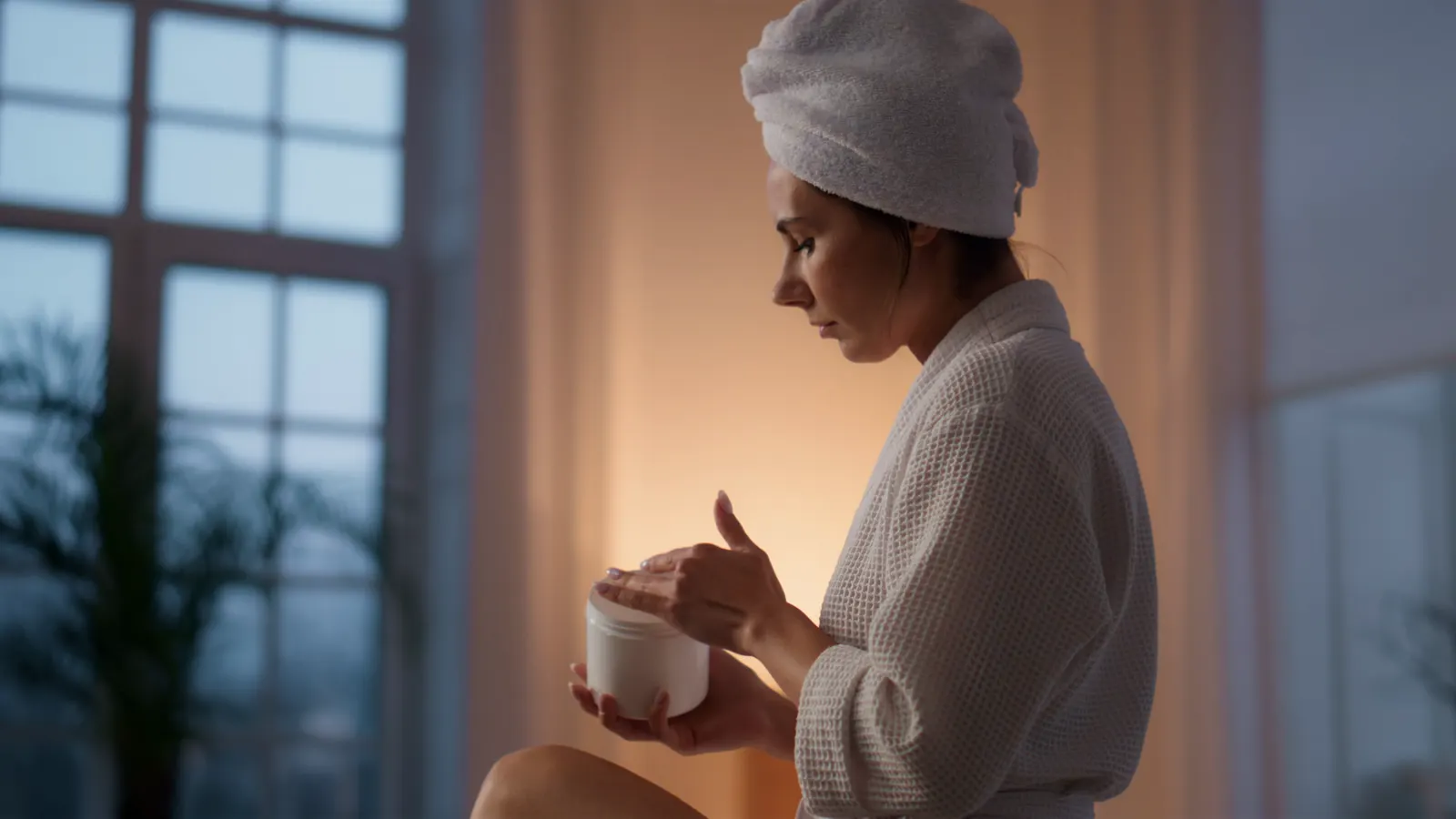 Self-care & wellbeing · 6 minThe Ten-Minute Evening That Changes Your Skin and Your SleepA short, unhurried wind-down for the end of the day: clean skin, a little oil, softer light and a calmer mind before bed.