Does it work?
Sweet Almond Oil for Eczema-Prone Skin
What the research says about sweet almond oil for eczema-prone skin, how to use it at home and how to stay safe.
The short answer: Good general emollient data and long safe use, but only small, unblinded trials (mostly on stretch marks in pregnancy) test almond oil itself.
Our Eczema-Prone Skin guide does not rank Sweet Almond Oil for this use yet, so this is the overall grade for Sweet Almond Oil.
What it does
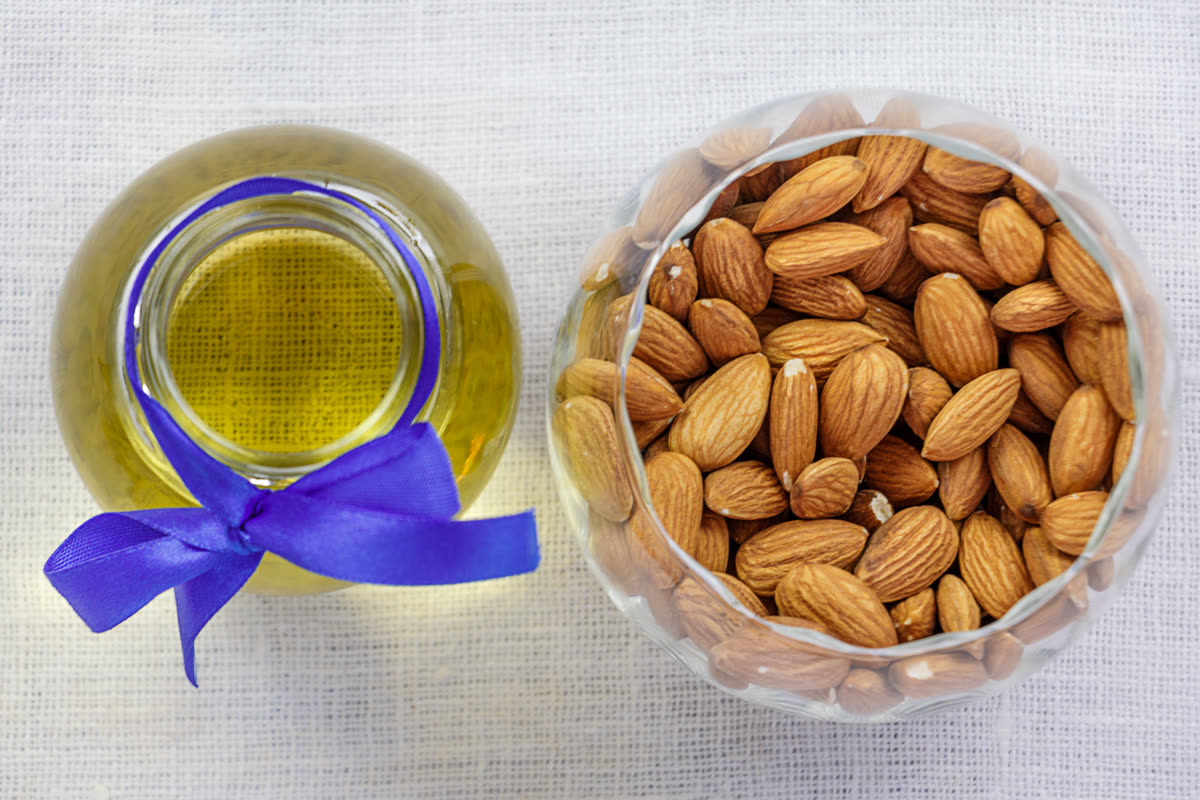
Sweet almond oil is pressed from the kernels of the sweet almond, a tree grown around the Mediterranean since antiquity and still a signature crop of Spain and Morocco. It is a soft, slightly slippy, oleic-rich oil that has been the default massage and baby oil of European pharmacies for generations. It is an honest, inexpensive emollient for dry skin and hair rather than an active treatment. The one real caveat is tree-nut allergy, especially on broken or eczema-prone skin in young children.
Why people reach for it
- Softens dry, rough skin. A light occlusive film slows water loss and smooths flaking, making almond oil a dependable, low-cost choice for dry skin on the body, hands and feet.
- A classic massage oil. Its gentle slip, near-neutral smell and moderate absorption give therapists time to work, which is why it remains the default massage oil in much of Europe.
- A pre-wash treatment for hair. Applied to lengths before shampooing, it lubricates the cuticle and reduces friction and tangling — a cosmetic benefit for dry hair, not a growth effect.
- A forgiving carrier. It blends easily with essential oils and is a traditional base for herbal macerates such as calendula or St. John’s wort oil. Use the Essential Oil Dilution Calculator for essential-oil percentages.
How to use it
| Form | Typical use | Notes |
|---|---|---|
| Body and massage oil | Neat, or 50–100% of a body-oil blend | Apply to damp skin after a bath. If adding essential oils, keep them at 1–2% for the body. You can use it in place of the apricot kernel oil in Lavender Calm Body Oil. |
| Face oil for dry skin | 2–4 drops neat, or 10–50% of an anhydrous serum | Best for dry, non-acne-prone skin. Introduce on its own for two weeks if you are prone to clogged pores. |
| Creams, lotions and balms | 3–15% of the formula (oil phase) | Add tocopherol at 0.1–0.5% to slow rancidity. Balance the oil phase with the Formula & Cost Calculator. |
| Pre-wash hair treatment | 1–2 teaspoons on mid-lengths and ends | Leave 30–60 minutes, then shampoo. Helpful on curly or chemically treated hair. |
Recipes with Sweet Almond Oil
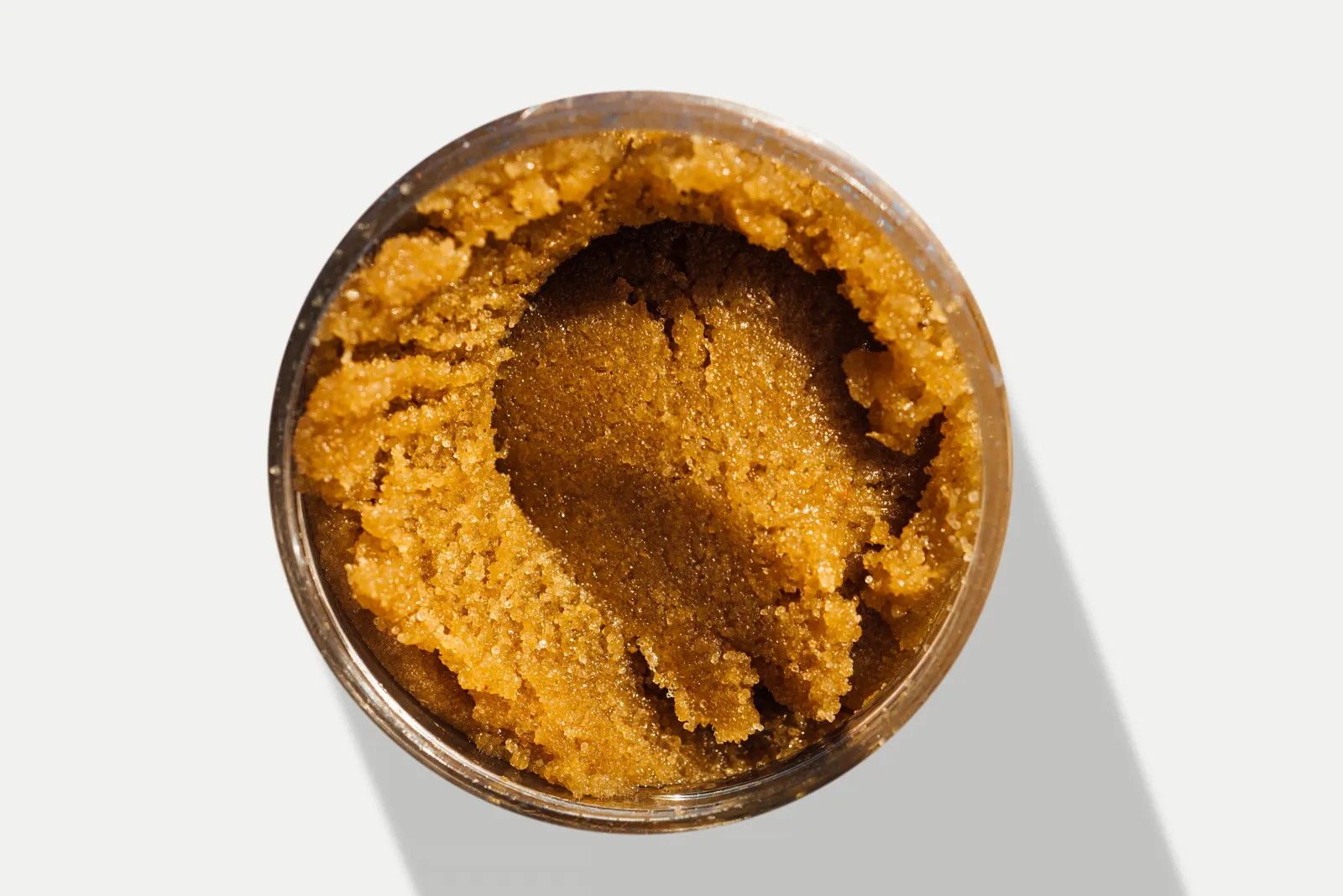 Lip care · BeginnerBrown Sugar & Honey Lip ScrubA two-minute lip scrub of soft brown sugar, honey and sweet almond oil that buffs away flakes and leaves lips smooth and ready for balm.
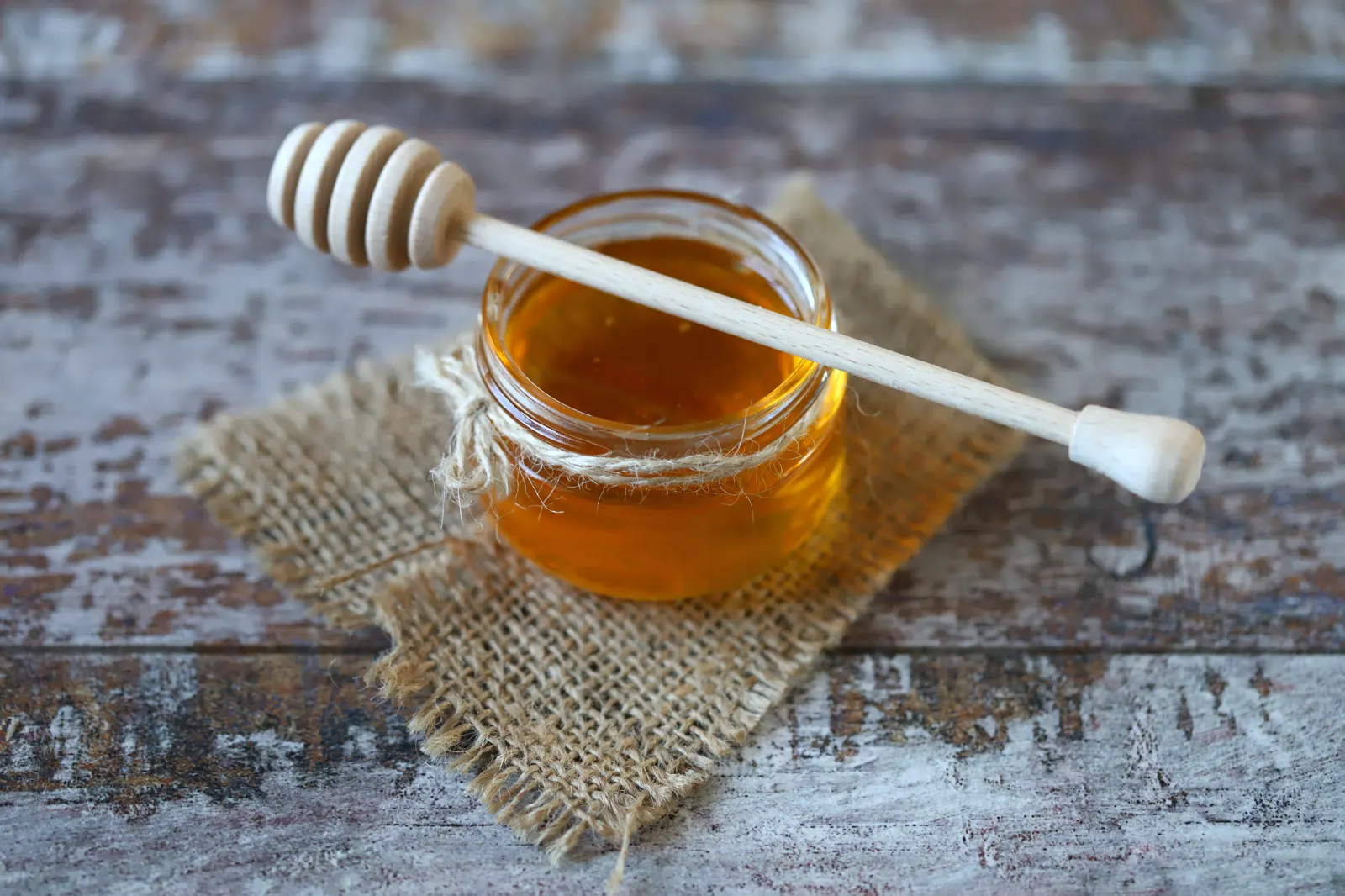 Mask · BeginnerHoney & Oat Glow MaskA creamy ten-minute mask of honey, finely ground oats and a little almond oil for skin that looks tired and feels tight. Fresh, single use.
Daily rituals with Sweet Almond Oil
Use it safely
- Tree-nut allergy: refined oil contains very little protein and is usually tolerated, but if you have a diagnosed almond allergy, ask your allergist before use. Look for Prunus Amygdalus Dulcis on INCI lists.
- Babies and young children with eczema: avoid nut oils on broken or inflamed skin; use a fragrance-free emollient your pediatrician recommends. See Eczema-Prone Skin.
- Never use bitter almond essential oil unless it is certified FFPA (free from prussic acid); it is a different product from sweet almond fixed oil.
- Rancid oil (sharp, paint- or crayon-like smell) is more irritating; discard it. Moderately comedogenic for some people — patch test on acne-prone skin.
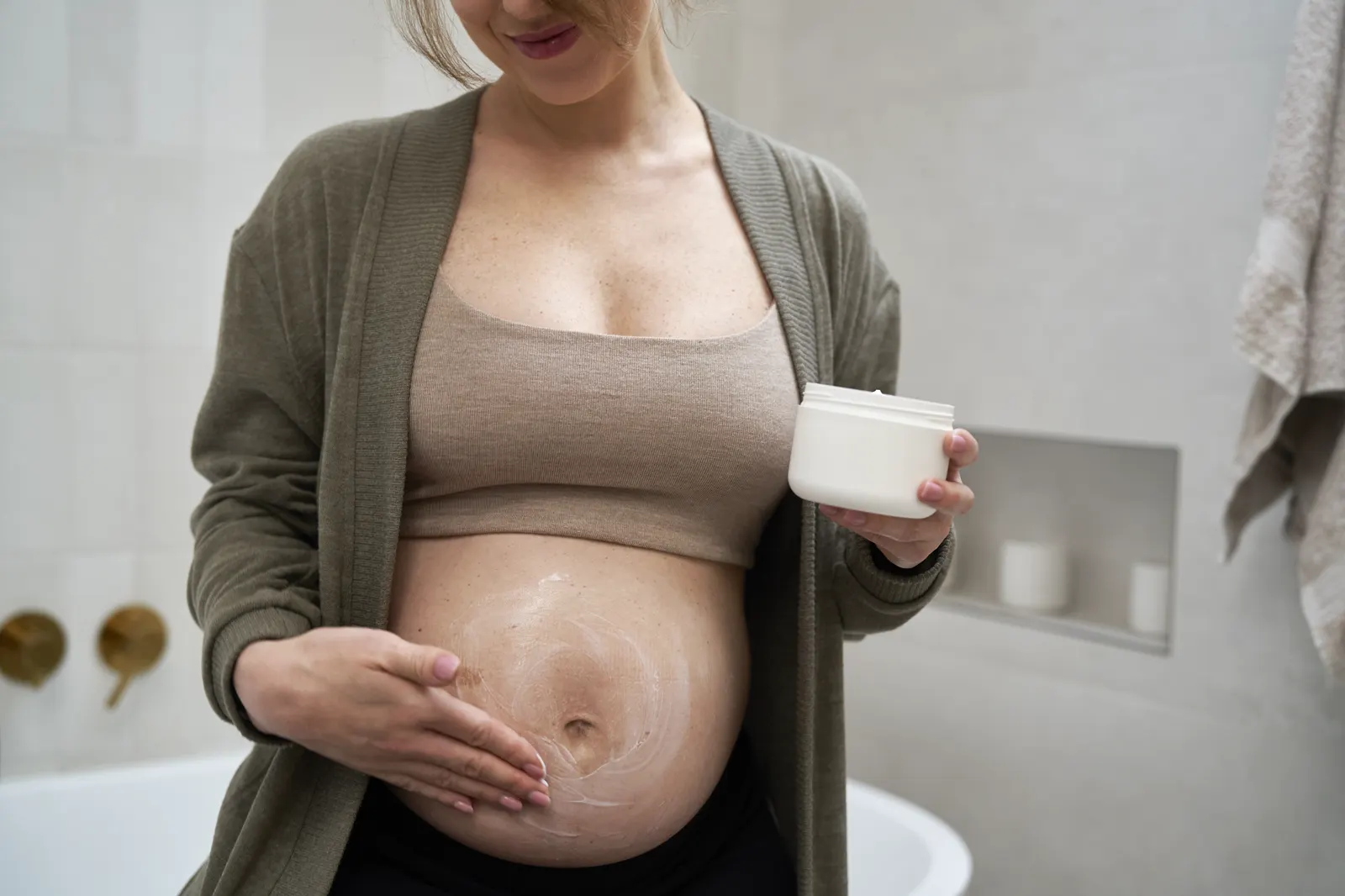
Pregnancy and breastfeeding: Widely used for belly massage in pregnancy with no known concerns. It has not been proven to prevent stretch marks, and skin can become more reactive in pregnancy, so patch test.
New to an ingredient? Patch test first.
When to see a doctor
- Weeping, crusting (honey-colored crusts), pus or rapidly worsening eczema — possible bacterial infection.
- Painful, clustered, punched-out sores or blisters with fever or feeling unwell — possible eczema herpeticum, which needs same-day medical care.
- Fever, chills or spreading redness alongside eczema.
- Eczema affecting sleep, school, work or mood, or not controlled by emollients and the treatment you have been given.
- Babies with eczema who also have feeding problems, poor growth or reactions after eating certain foods.
- Eczema around or affecting the eyes, or worsening vision.
Other plants for Eczema-Prone Skin
| Ingredient | Grade | What the evidence shows |
|---|---|---|
| Colloidal Oatmeal | B | Randomized trials show colloidal oatmeal creams and baths improve dryness, itch and eczema severity, supporting use as part of emollient therapy. |
| Sunflower Oil | B | Linoleic-rich sunflower oil supported barrier function in comparative studies and neonatal trials; it is a sensible base oil for eczema-prone skin. |
| Coconut Oil | B | A randomized trial in children with mild to moderate eczema found virgin coconut oil improved severity more than mineral oil, and it reduced S. aureus colonization in another trial. |
| Shea Butter | C | A rich, low-allergen emollient; small studies of shea-based creams show improvement, though it is usually tested alongside other ingredients. |
| Licorice Root | C | A small trial of a 2% licorice extract gel reduced itch and redness; glycyrrhetinic acid is anti-inflammatory. |
| Chamomile | C | An older half-side study found a chamomile cream modestly effective versus low-strength hydrocortisone, but daisy-family allergy is a real risk on eczematous skin. |
| Honey | C | Small studies of medical-grade honey on eczema patches suggest benefit; kitchen honey is not sterile and is not for broken skin. |