Does it work?
Sweet Almond Oil for Dry & Dehydrated Skin
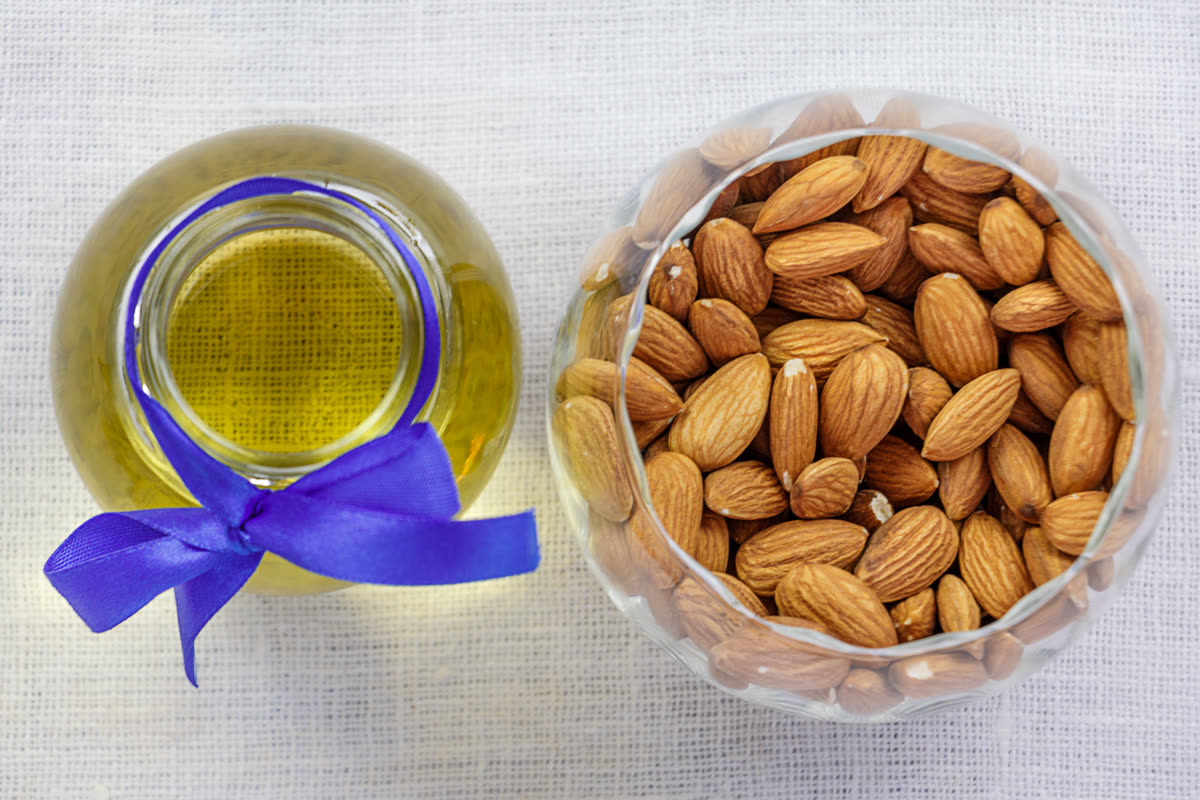
Soft, gentle and almost scentless, sweet almond oil is Europe’s timeless massage oil, from Spain’s almond groves to your shelf.
The short answer: Good general emollient data and long safe use, but only small, unblinded trials (mostly on stretch marks in pregnancy) test almond oil itself.
Our Dry & Dehydrated Skin guide does not rank Sweet Almond Oil for this use yet, so this is the overall grade for Sweet Almond Oil.
What Sweet Almond Oil can do for Dry & Dehydrated Skin
Sweet almond oil is pressed from the kernels of the sweet almond, a tree grown around the Mediterranean since antiquity and still a signature crop of Spain and Morocco. It is a soft, slightly slippy, oleic-rich oil that has been the default massage and baby oil of European pharmacies for generations. It is an honest, inexpensive emollient for dry skin and hair rather than an active treatment. The one real caveat is tree-nut allergy, especially on broken or eczema-prone skin in young children.
Why people reach for it
- Softens dry, rough skin. A light occlusive film slows water loss and smooths flaking, making almond oil a dependable, low-cost choice for dry skin on the body, hands and feet.
- A classic massage oil. Its gentle slip, near-neutral smell and moderate absorption give therapists time to work, which is why it remains the default massage oil in much of Europe.
- A pre-wash treatment for hair. Applied to lengths before shampooing, it lubricates the cuticle and reduces friction and tangling — a cosmetic benefit for dry hair, not a growth effect.
- A forgiving carrier. It blends easily with essential oils and is a traditional base for herbal macerates such as calendula or St. John’s wort oil. Use the Essential Oil Dilution Calculator for essential-oil percentages.
How to use it
Try it today
A slow evening hand massage
- Warm a few drops of sweet almond oil between your palms.
- Massage into each hand, finger by finger, working gently around the cuticles.
- Let it soak in; if you add an essential oil, keep it to 1–2% of the blend.
| Form | Typical use | Notes |
|---|---|---|
| Body and massage oil | Neat, or 50–100% of a body-oil blend | Apply to damp skin after a bath. If adding essential oils, keep them at 1–2% for the body. You can use it in place of the apricot kernel oil in Lavender Calm Body Oil. |
| Face oil for dry skin | 2–4 drops neat, or 10–50% of an anhydrous serum | Best for dry, non-acne-prone skin. Introduce on its own for two weeks if you are prone to clogged pores. |
| Creams, lotions and balms | 3–15% of the formula (oil phase) | Add tocopherol at 0.1–0.5% to slow rancidity. Balance the oil phase with the Formula & Cost Calculator. |
| Pre-wash hair treatment | 1–2 teaspoons on mid-lengths and ends | Leave 30–60 minutes, then shampoo. Helpful on curly or chemically treated hair. |
Recipes for Dry & Dehydrated Skin with Sweet Almond Oil
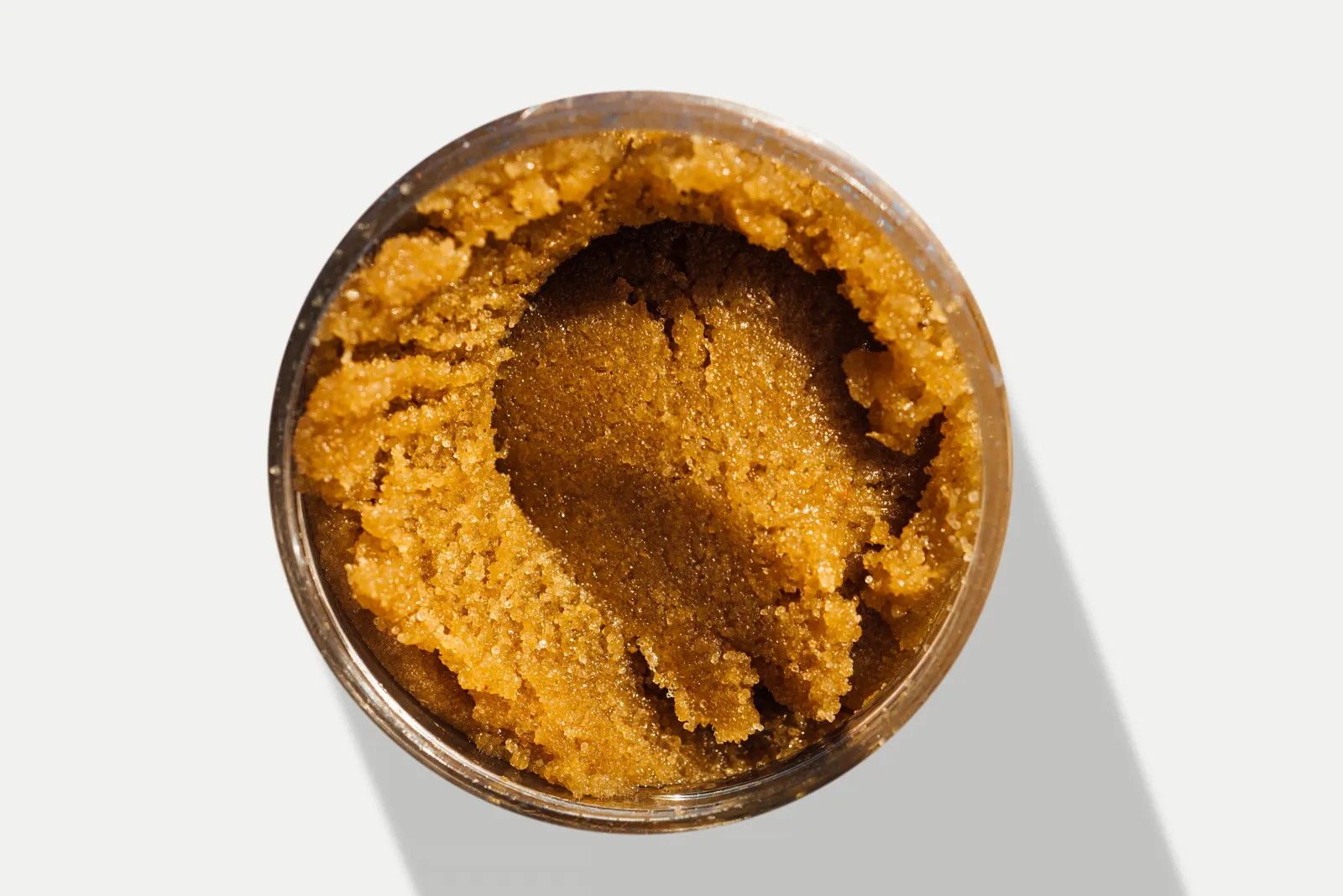 Lip care · BeginnerBrown Sugar & Honey Lip ScrubA two-minute lip scrub of soft brown sugar, honey and sweet almond oil that buffs away flakes and leaves lips smooth and ready for balm.
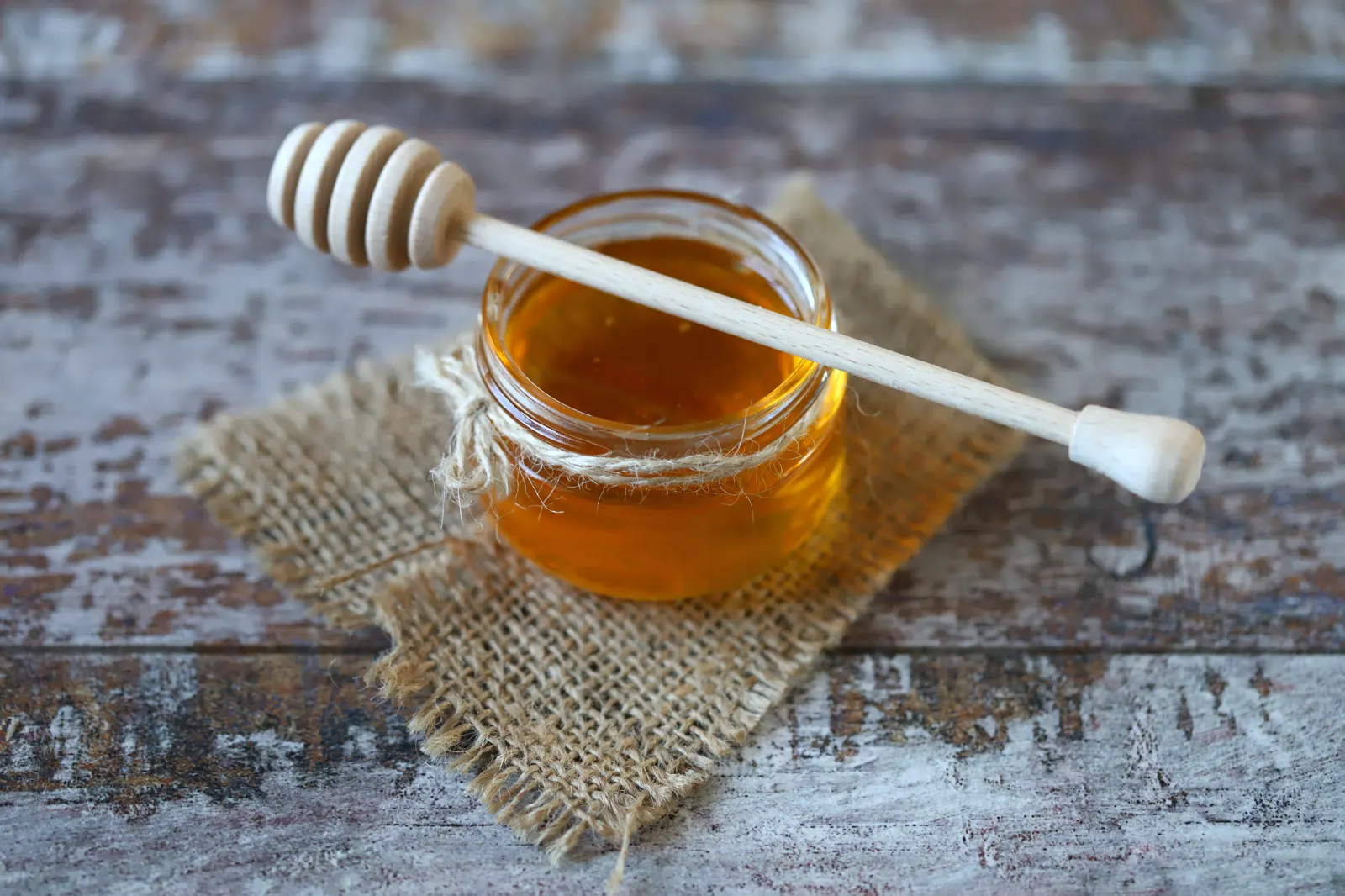 Mask · BeginnerHoney & Oat Glow MaskA creamy ten-minute mask of honey, finely ground oats and a little almond oil for skin that looks tired and feels tight. Fresh, single use.
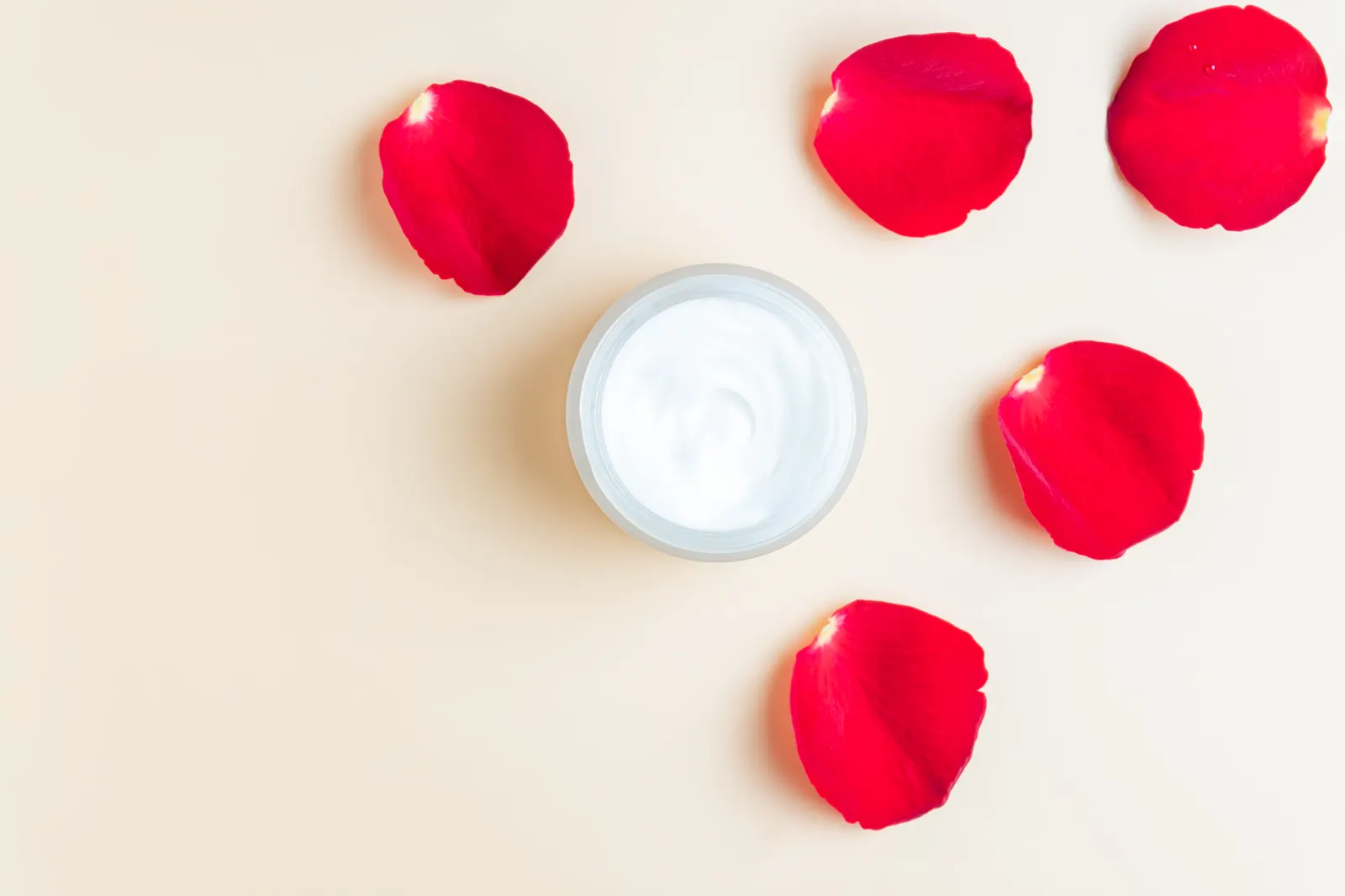 Balm · BeginnerRose & Orange Blossom Hand BalmA silky hand balm of shea, almond and rose-infused oil, lightly scented with neroli and rose geranium — a Moroccan garden in a tin.
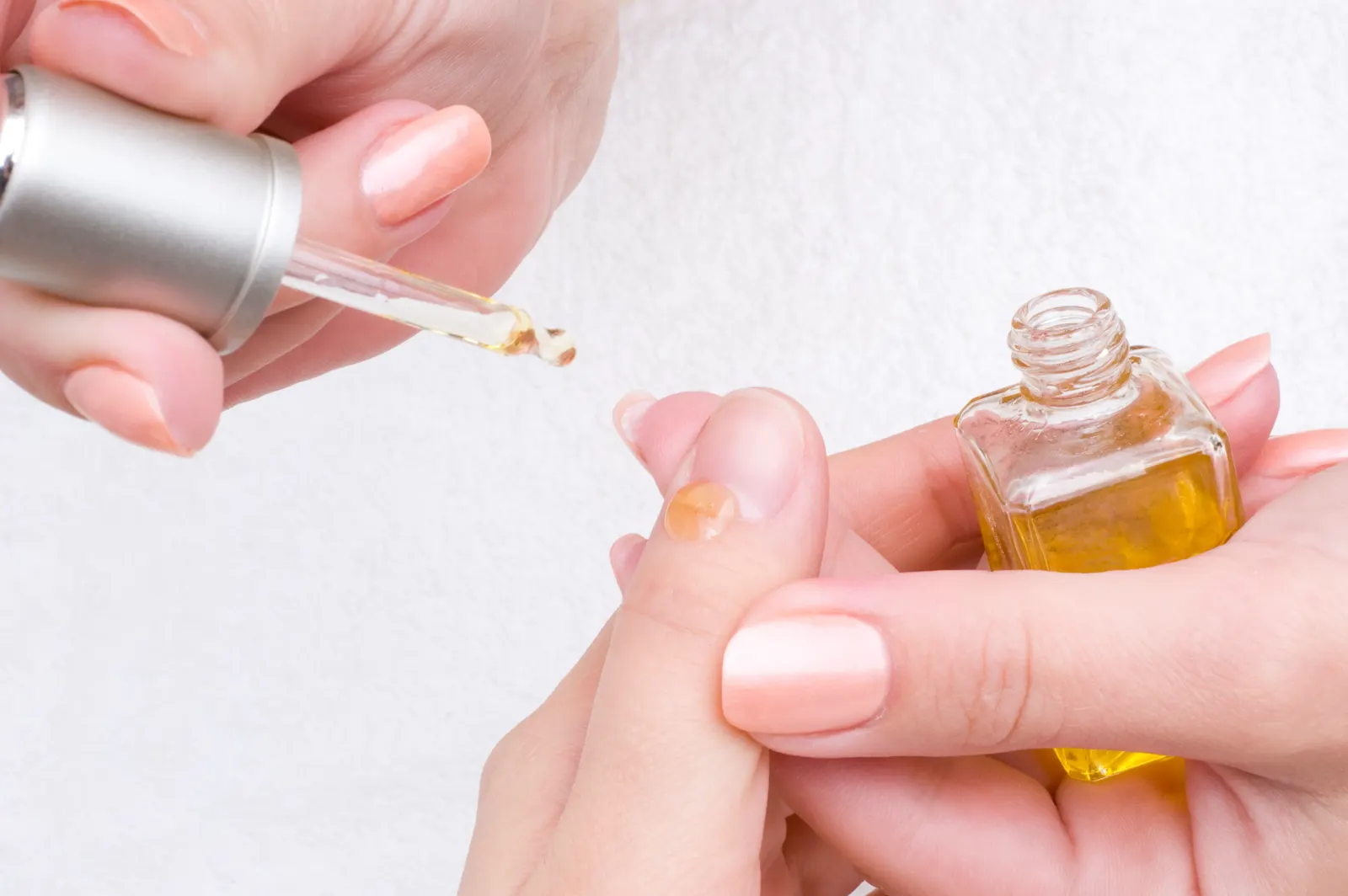 Body care · BeginnerOvernight Cuticle OilA tiny bottle of jojoba, almond, argan and castor oil for ragged cuticles and brittle, peeling nails. One drop per nail before bed.
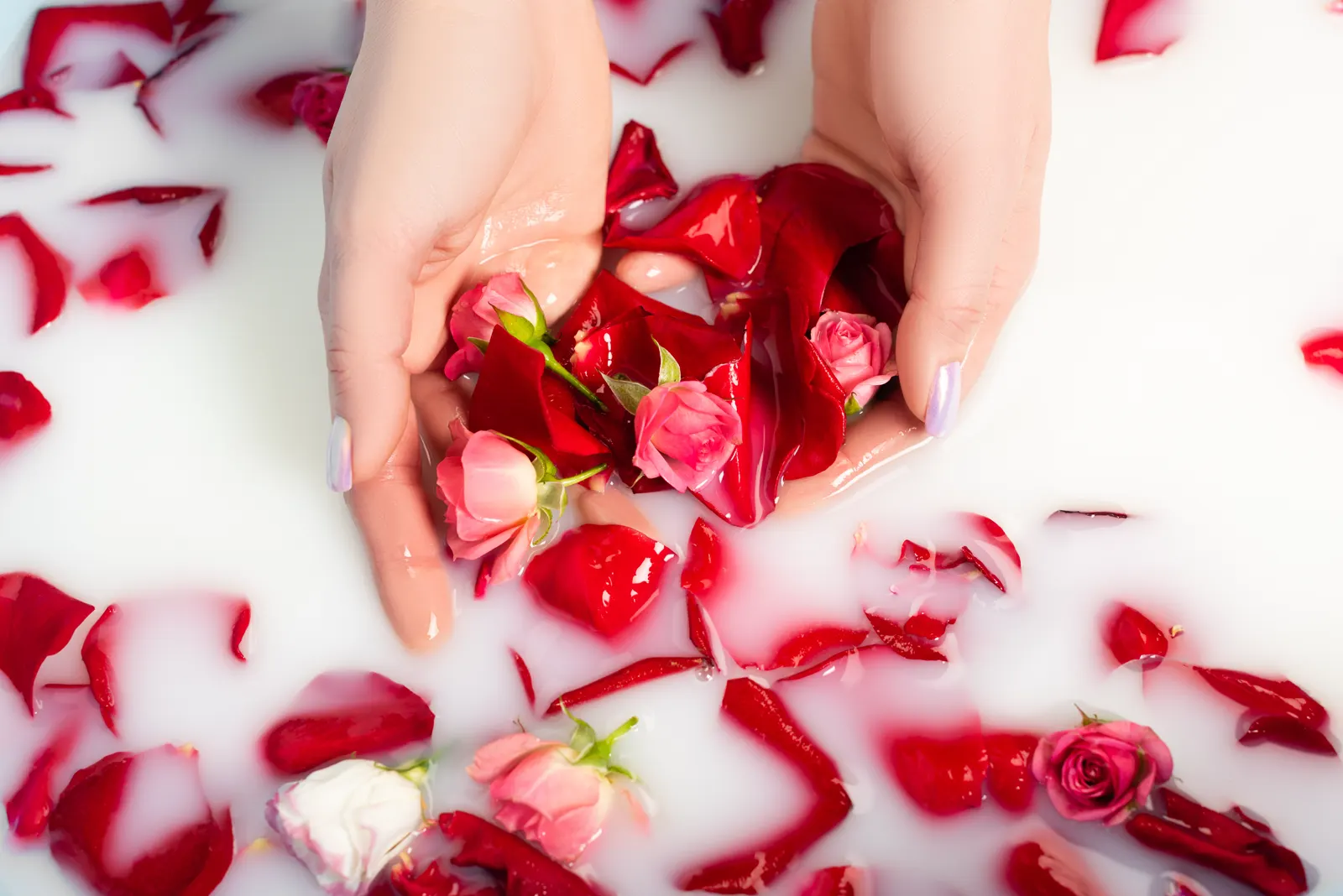 Bath · BeginnerOat Milk & Rose Bath SoakA milk bath of powdered milk, colloidal oatmeal, almond oil and rose petals, tied in a muslin bag for silky water, soft skin and no mess.
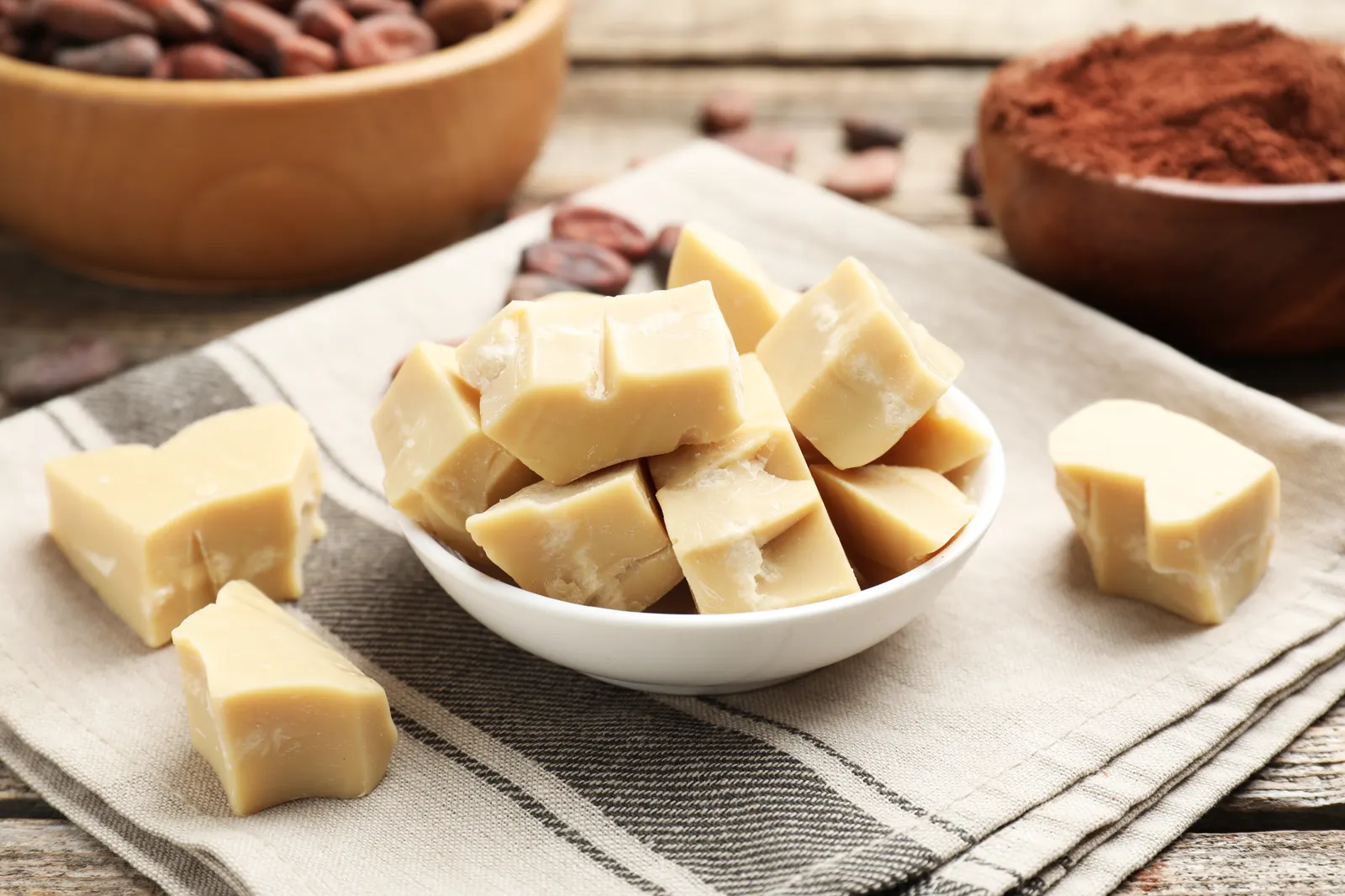 Body care · BeginnerCocoa Butter Winter Body MeltsLittle chocolate-scented melts of cocoa butter, shea and almond oil that soften in your hands and glide over dry winter skin after a shower.
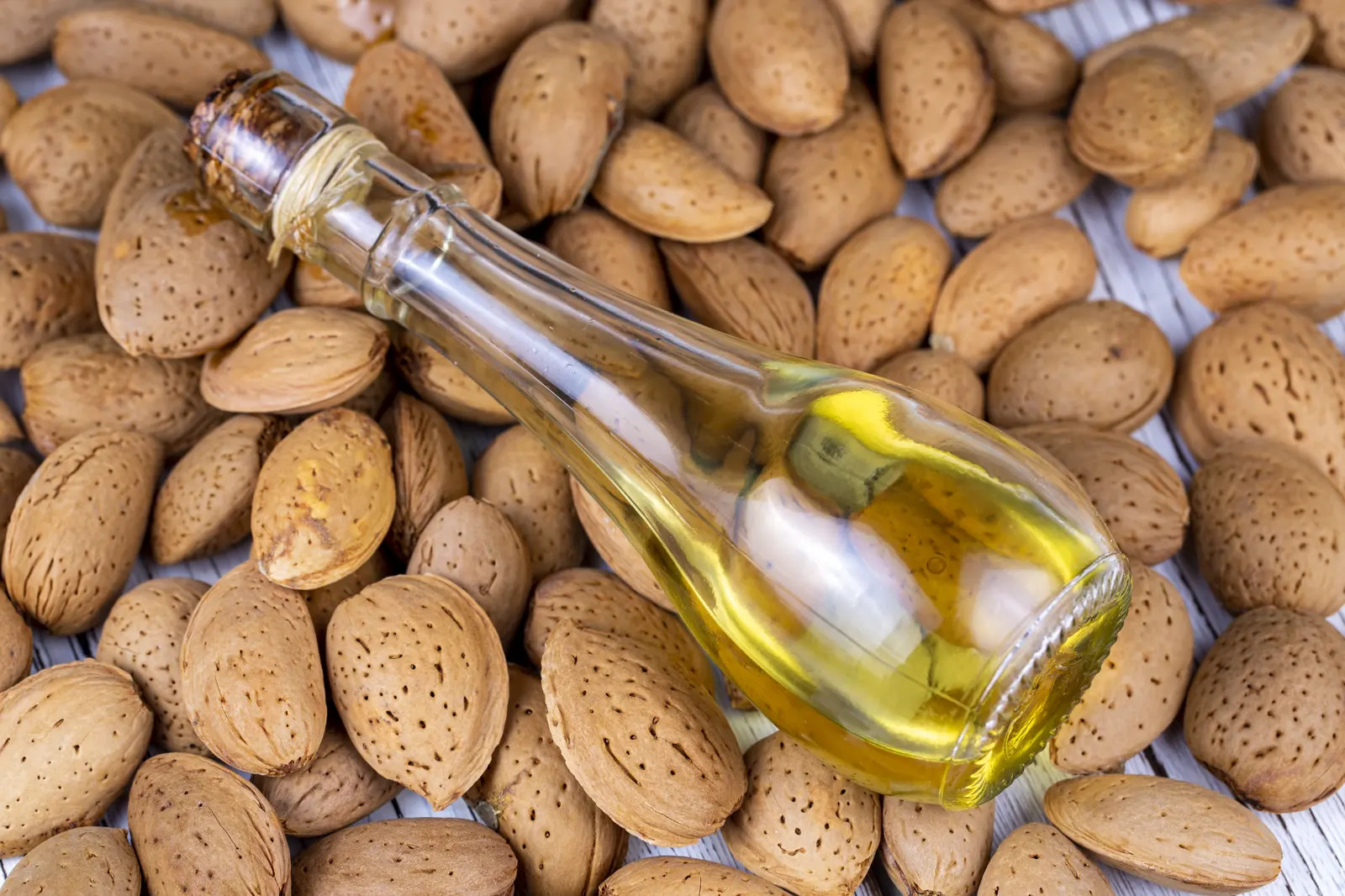 Body care · BeginnerSweet Almond & Vanilla Massage OilA warm, vanilla-infused massage oil of sweet almond and jojoba — silky glide, soft skin and a cozy scent, with no essential oils needed.
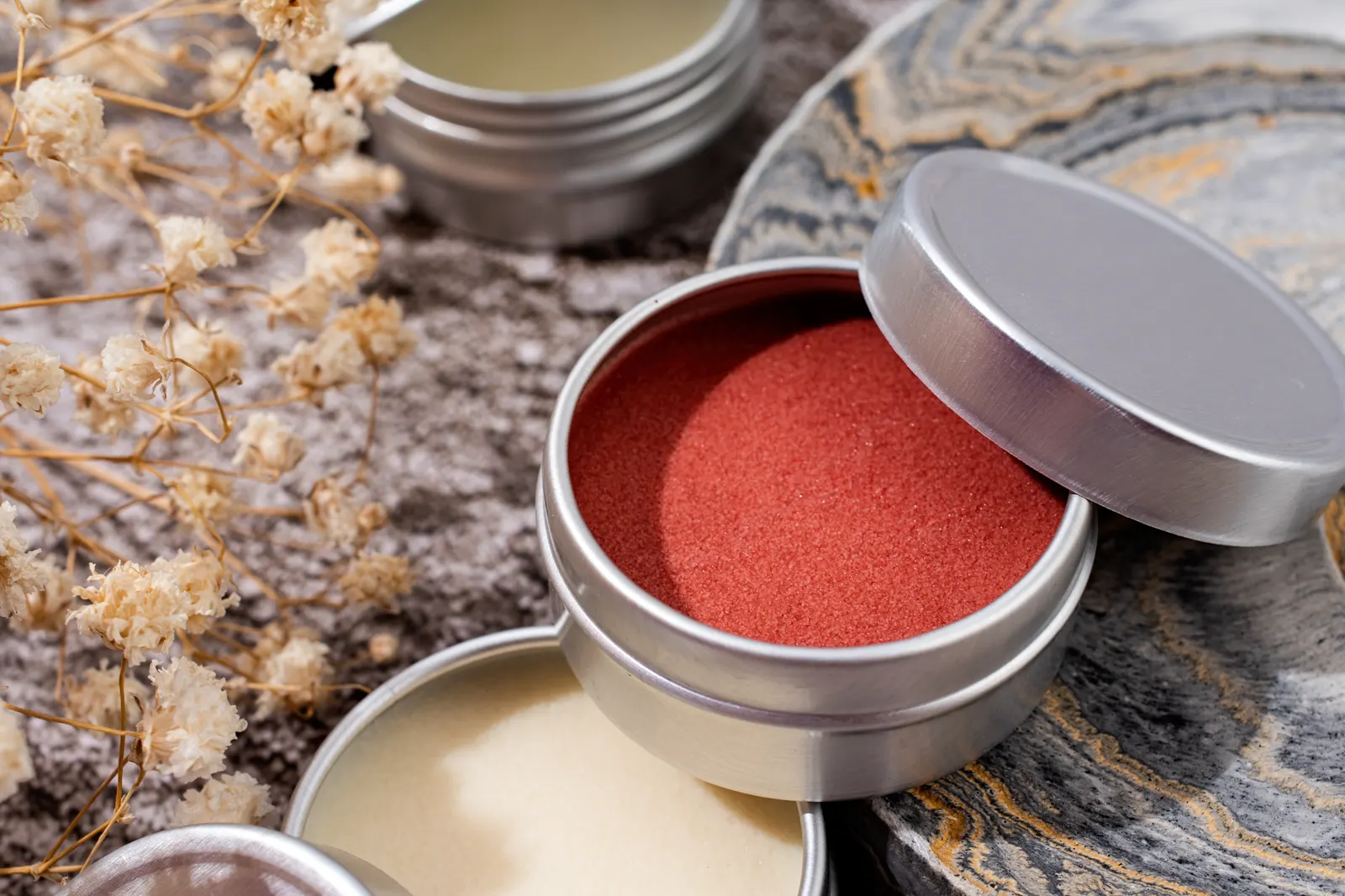 Balm · IntermediateThree-Balm Gift SetOne shea and beeswax base, three little tins: an unscented lip balm, a rose geranium hand balm and a lavender bedtime balm. A handmade gift people use.
Daily rituals with Sweet Almond Oil
Use it safely
- Tree-nut allergy: refined oil contains very little protein and is usually tolerated, but if you have a diagnosed almond allergy, ask your allergist before use. Look for Prunus Amygdalus Dulcis on INCI lists.
- Babies and young children with eczema: avoid nut oils on broken or inflamed skin; use a fragrance-free emollient your pediatrician recommends. See Eczema-Prone Skin.
- Never use bitter almond essential oil unless it is certified FFPA (free from prussic acid); it is a different product from sweet almond fixed oil.
- Rancid oil (sharp, paint- or crayon-like smell) is more irritating; discard it. Moderately comedogenic for some people — patch test on acne-prone skin.
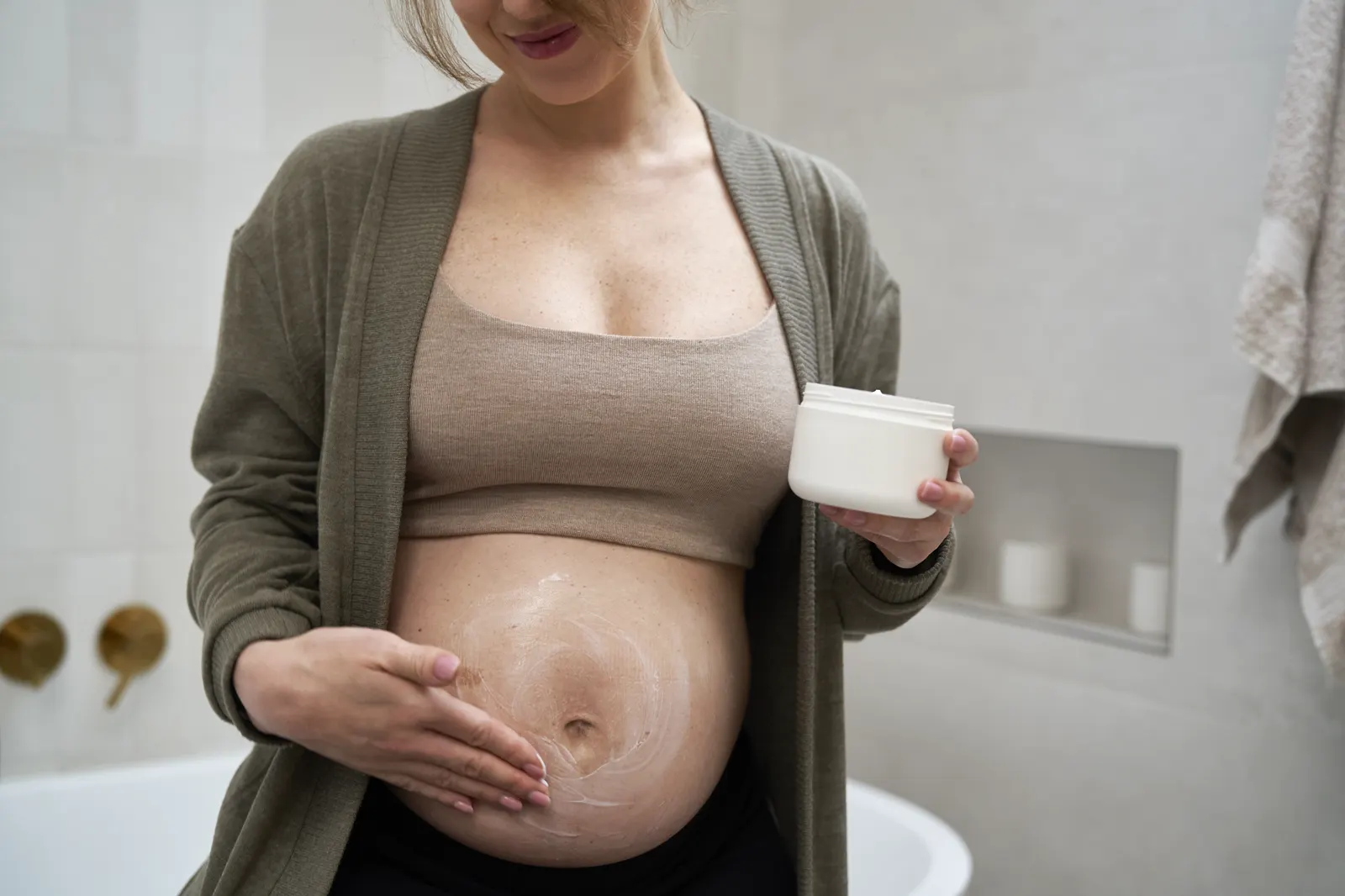
Pregnancy and breastfeeding: Widely used for belly massage in pregnancy with no known concerns. It has not been proven to prevent stretch marks, and skin can become more reactive in pregnancy, so patch test.
New to an ingredient? Patch test first.
When to see a doctor
- Dryness with intense itch that disturbs sleep, or red, inflamed patches (possible eczema or another dermatitis).
- Cracked, bleeding or weeping skin, or signs of infection (pain, warmth, yellow crusts, pus).
- Fish-scale-like dryness present since childhood (possible ichthyosis).
- New, persistent dryness with fatigue, weight change, feeling cold or hair thinning (thyroid), or with excessive thirst and urination (diabetes).
- Severe dryness in older adults with widespread itch that does not respond to moisturizers.
Other plants for Dry & Dehydrated Skin
| Ingredient | Grade | What the evidence shows |
|---|---|---|
| Colloidal Oatmeal | B | Multiple clinical studies show colloidal oatmeal creams and baths reduce dryness, scaling and itch; it is an approved skin protectant in the US. |
| Sunflower Oil | B | Linoleic-rich sunflower seed oil preserved stratum corneum integrity and improved hydration in a comparative study with olive oil, and supports barrier function in neonatal studies. |
| Coconut Oil | B | A randomized trial found virgin coconut oil as effective and safe as mineral oil for mild to moderate xerosis of the legs. |
| Shea Butter | C | Rich emollient and mild occlusive with anti-inflammatory triterpene esters; small studies of shea-containing creams support hydration. |
| Squalane | C | A skin-identical, stable, lightweight emollient that reduces roughness; excellent tolerability but limited trial data on its own. |
| Jojoba | C | A liquid wax ester that resembles skin’s own wax esters; small studies support barrier repair and softness. |
| Aloe Vera | C | A humectant gel that improved skin hydration in small studies; on its own it is not enough for very dry skin and needs an emollient on top. |
| Marshmallow Root | D | Mucilage polysaccharides form a soothing, humectant film; evidence is traditional and lab-based. |