· Evening · 30 min
A Gentle Pampering Evening in Pregnancy
A warm (not hot) soak, a slow belly and foot massage with plain oil, and an early night. Simple, fragrance-free pampering for pregnancy.
- Time
- 30 min
- Evidence
- CPromising
- Time
- 30 min
- Evidence
- CPromising
You’ll need
- A warm bath or shower
- Optional: a colloidal oat bath sachet for itchy skin
- A plain, fragrance-free oil or balm (sunflower oil, sweet almond oil or a shea-based balm)
- A non-slip mat, and someone nearby if you feel unsteady
- A glass of water
Promising: Emollients and colloidal oatmeal ease dry, itchy skin in general; pregnancy-specific research is limited and does not show that creams prevent stretch marks.
Formulator’s tip
Make the foot massage a two-person job if you can. A partner doing your feet while you sit on the sofa is safer, and nicer, than balancing on one leg in the bathroom.
Step by step
- Run the bath comfortably warm, never hot. If it feels too hot to sit in straight away, cool it down. Keep the soak to about 10–15 minutes.
- For itchy skin, add a colloidal oat sachet exactly as its label directs. Skip bath oils and fizzy bath products, which make the tub slippery and are often heavily perfumed.
- Get out slowly, sitting on the edge for a moment before you stand. Pat dry.
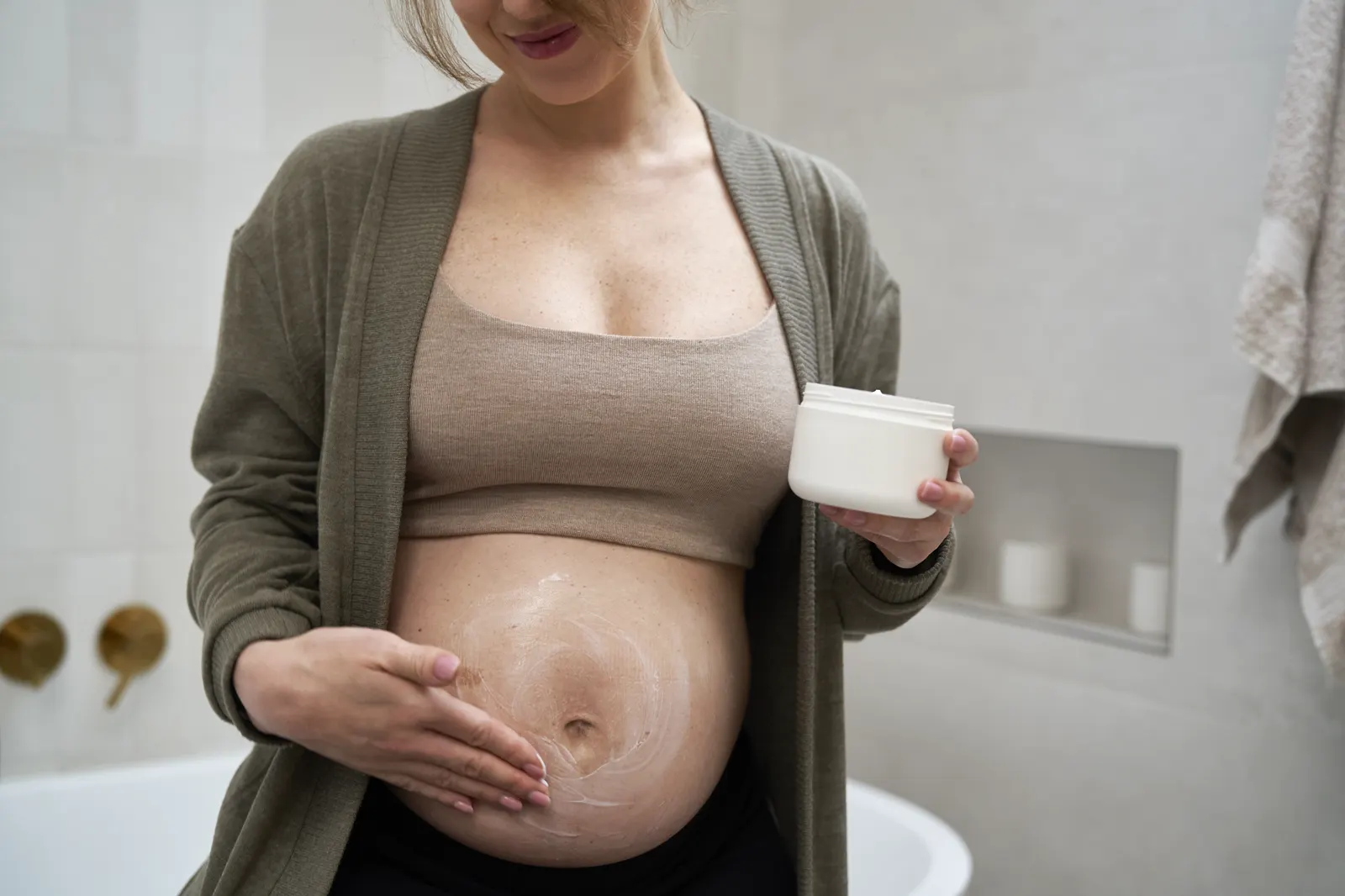
- Warm a teaspoon of oil in your hands and smooth it over your belly, hips and breasts in slow, light circles. This is for comfort and softness.
- Sit down to do your feet: long strokes from toes to ankle, with a little extra on the heels. Put on clean socks so you don’t slip.
- Drink your water, lie on your side with a pillow, and let the evening be quiet.
Why it works
Hormones and stretching skin often bring dryness and itch in pregnancy. Plain emollients like sunflower oil or shea butter are among the lowest-risk ways to soothe it, and colloidal oatmeal is an established skin protectant for itchy, dry skin.
Be realistic about stretch marks: there is no reliable evidence that any oil or cream prevents them, and trials of popular favorites have been disappointing. Massage is worth doing because it feels good. For choices that need more thought, such as retinoids, strong acids and essential oils, read Skincare in Pregnancy & Breastfeeding and ask your midwife, doctor or pharmacist.
Where it comes from
In many cultures, from India to Latin America, warm-oil massage is a cherished part of caring for mothers, especially in the weeks after birth.
Enjoy it safely
- Skip hot tubs, saunas and very hot baths, which raise core temperature; ask your midwife or doctor what suits you.
- Leave out essential oils unless your midwife or doctor has okayed a specific one, and patch test any new product (How to Patch Test).
- Intense itching, especially on the palms and soles, can signal a liver condition of pregnancy: tell your midwife or doctor promptly.
- Sweet almond oil is a nut oil; choose sunflower oil if you or your household have a nut allergy.
Ingredients in this ritual
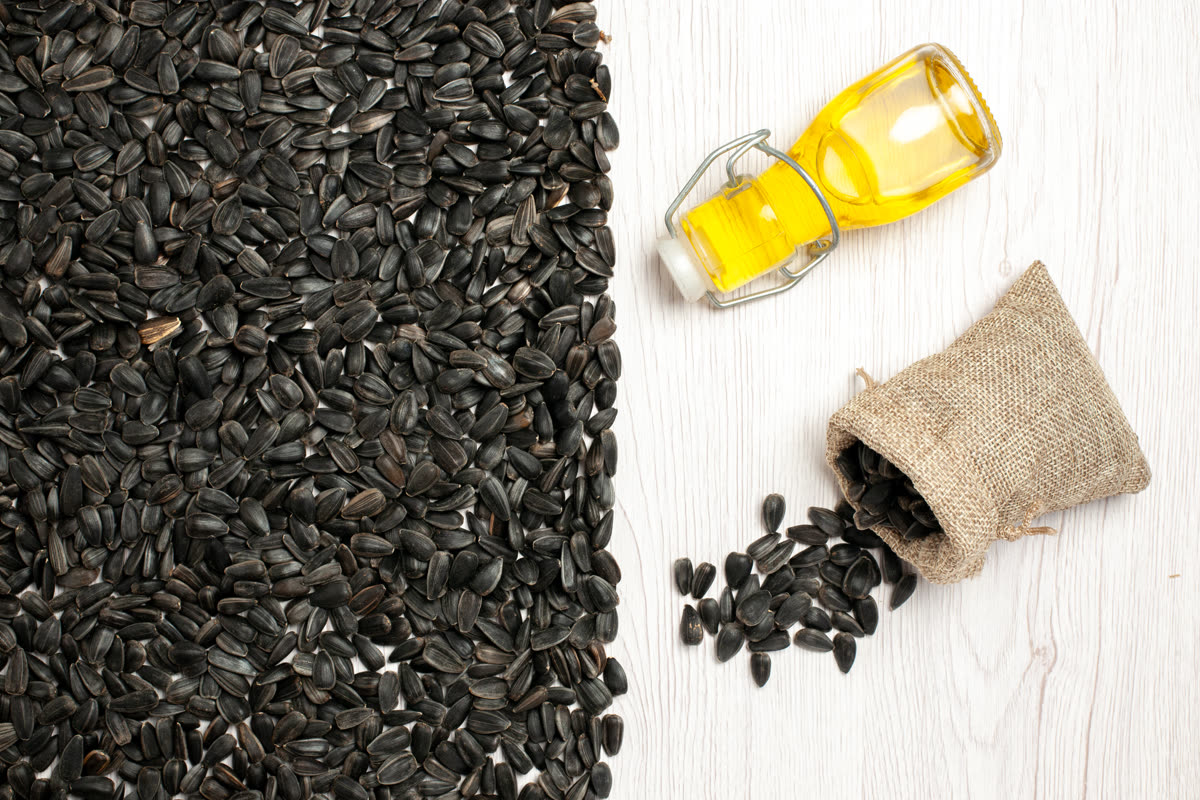 No. 033
Sunflower OilHelianthus annuus L.The humble kitchen oil with some of the best barrier evidence of any plant oil: gentle, affordable and kind to dry skin.
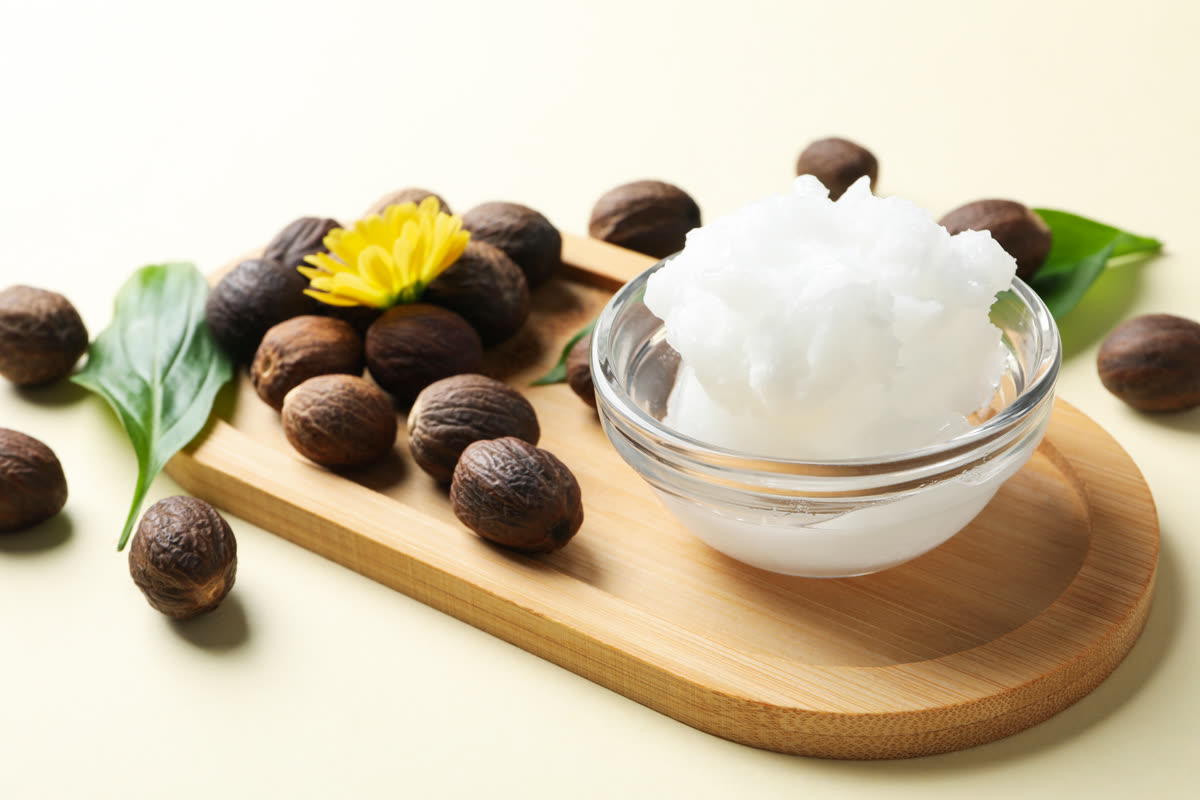 No. 030
Shea ButterVitellaria paradoxa C.F.Gaertn.Rich, creamy and melting at skin temperature, shea butter is pure comfort for very dry hands, heels, lips and curls.
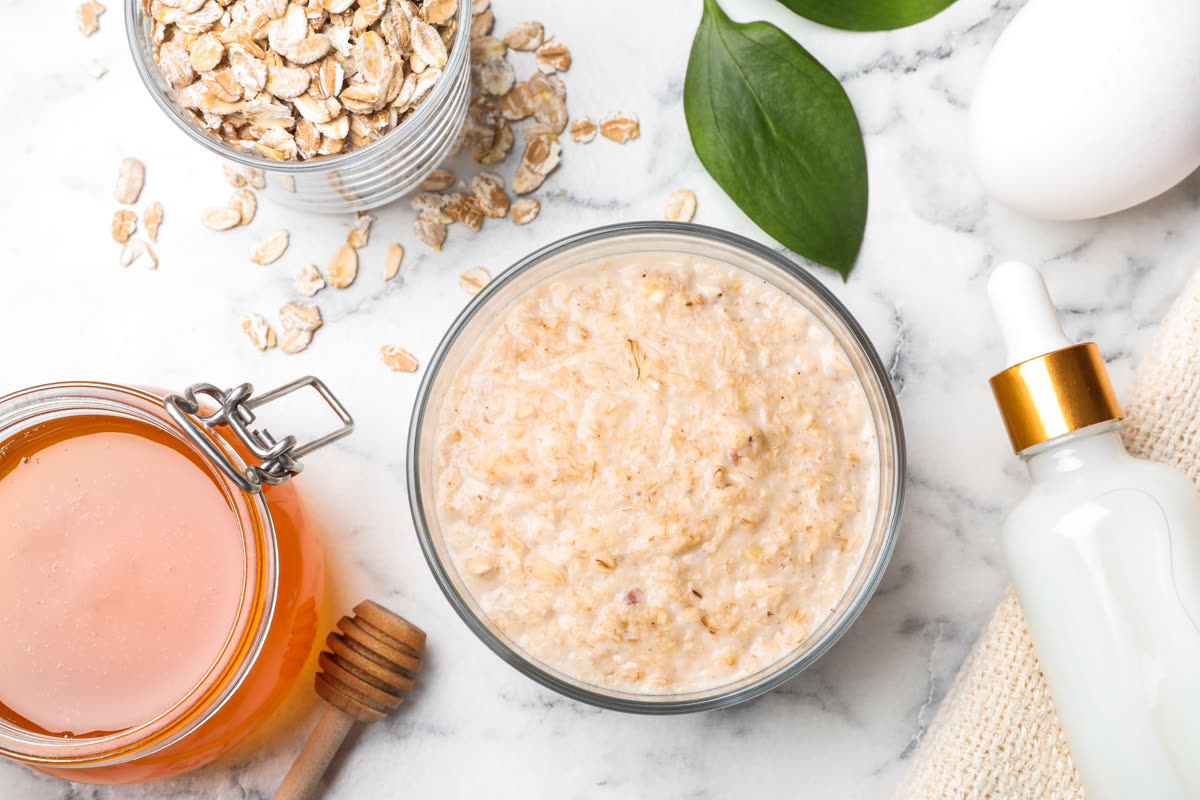 No. 042
Colloidal OatmealAvena sativa L.Finely milled oats turn a lukewarm bath milky and soothing: an officially recognized skin protectant for itchy, irritated skin.
 No. 044
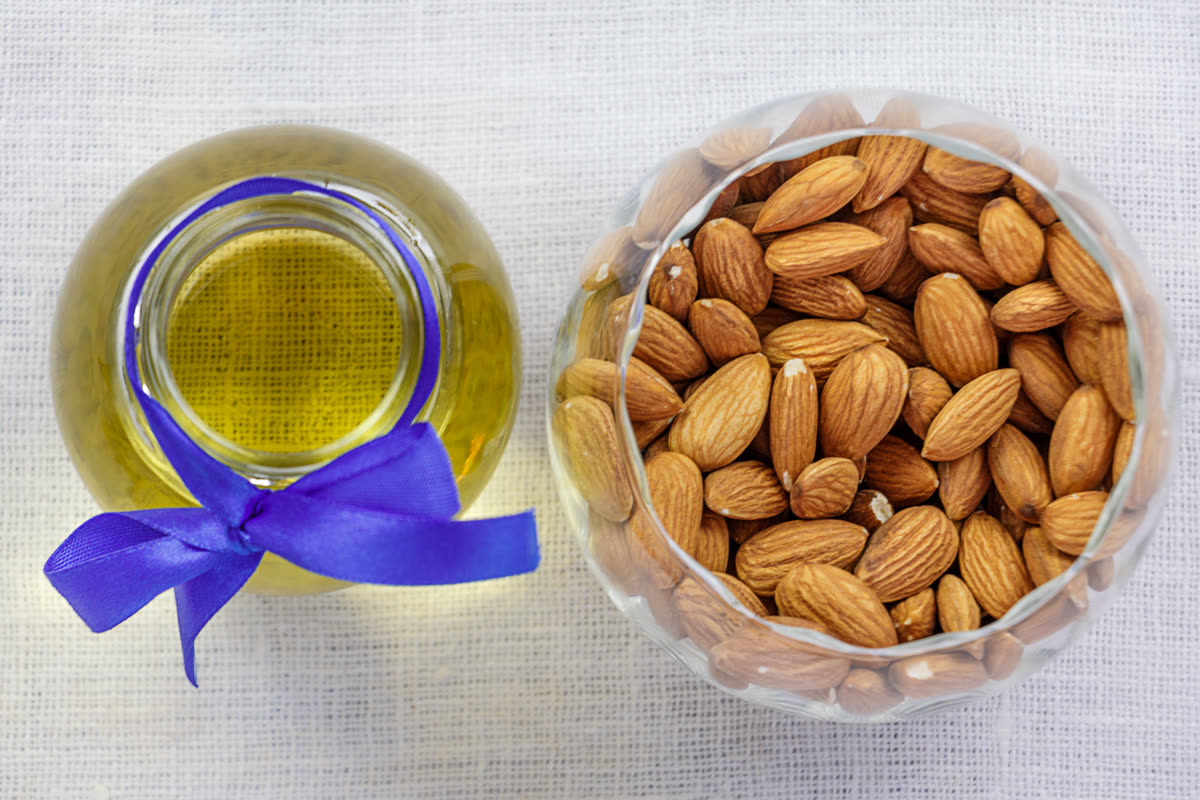
Sweet Almond OilPrunus dulcis (Mill.) D.A.WebbSoft, gentle and almost scentless, sweet almond oil is Europe’s timeless massage oil, from Spain’s almond groves to your shelf.
Go further
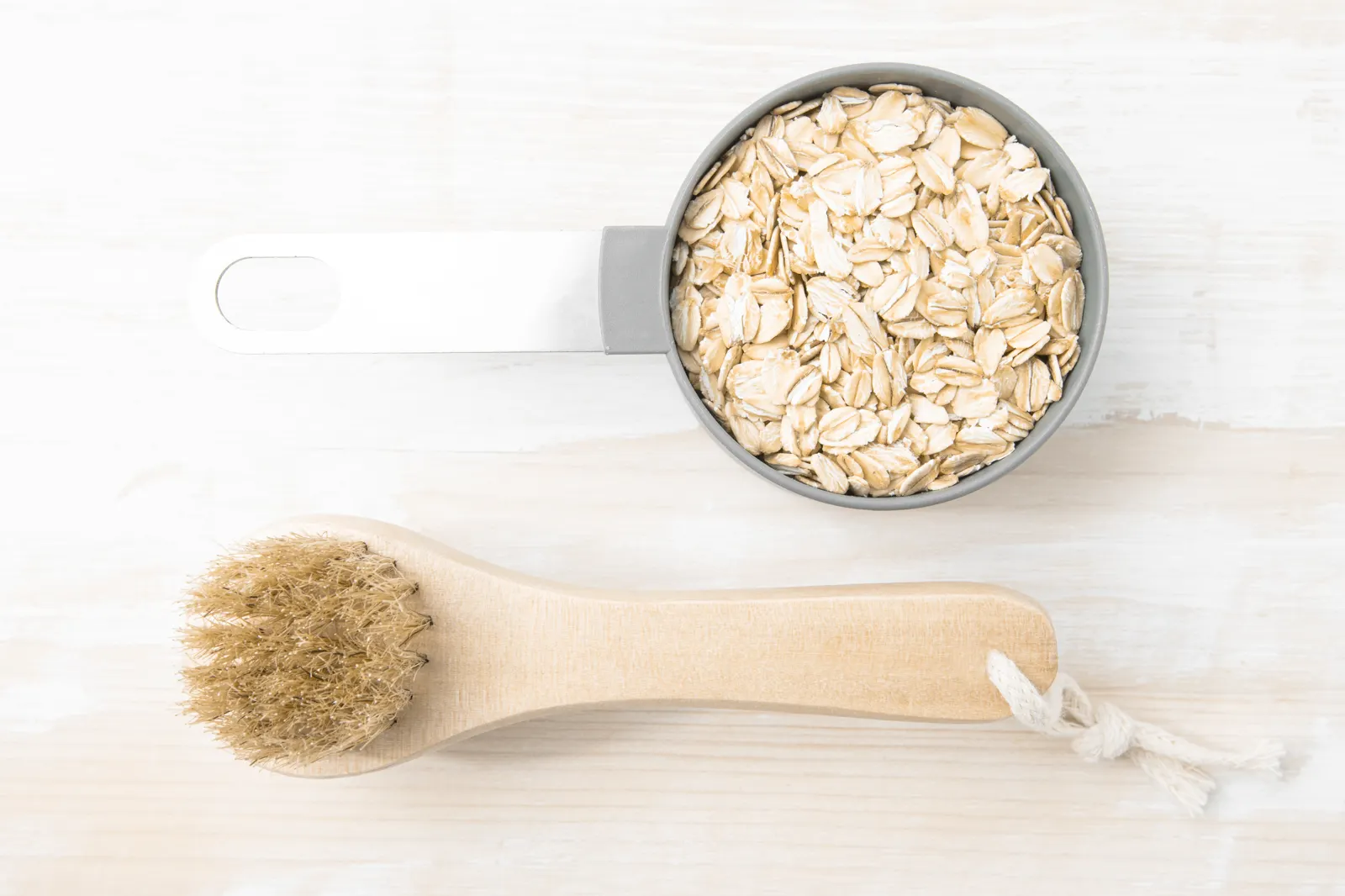 Bath · BeginnerColloidal Oat Soothing BathA lukewarm colloidal oatmeal soak with a little sunflower oil and marshmallow root to calm itchy, dry or eczema-prone skin.
GuideSkincare in Pregnancy & BreastfeedingWhat’s generally considered fine, what to avoid (retinoids, high-strength peels, hydroquinone), plus melasma, acne and stretch-mark evidence.ConcernDry & Dehydrated SkinWhy skin loses water, how the barrier works, and how to layer humectants, emollients and occlusives — with oatmeal, shea and oils that help.GuideHow to Patch Test (and Read the Result)A step-by-step at-home patch test (ROAT), how to tell irritation from allergy, and when you need proper dermatologist patch testing.