Does it work?
Sea Buckthorn for Dry & Dehydrated Skin
A drop of sunset-orange sea buckthorn oil gives a face oil or balm a golden glow and a comforting feel for dry, weathered skin.
The short answer: Small oral trials (e.g. in atopic dermatitis) and lab and animal wound data; topical human trials are scarce.
Our Dry & Dehydrated Skin guide does not rank Sea Buckthorn for this use yet, so this is the overall grade for Sea Buckthorn.
What Sea Buckthorn can do for Dry & Dehydrated Skin
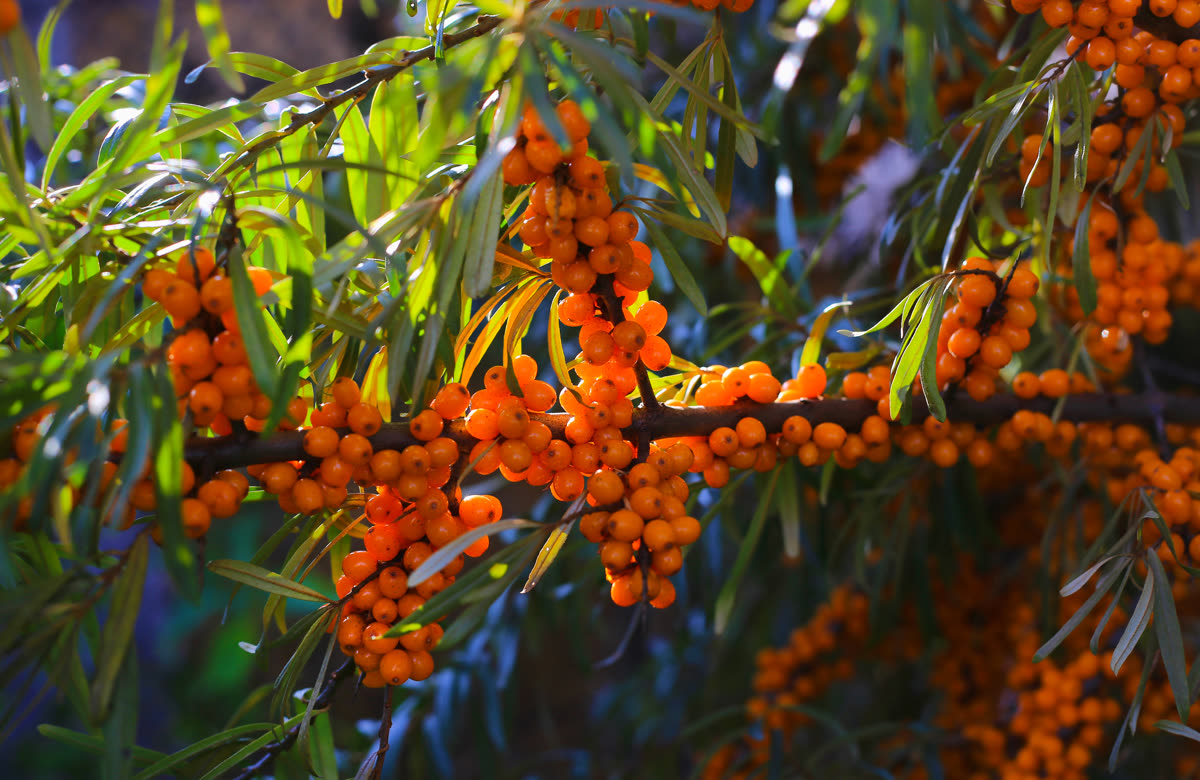
Sea buckthorn is a thorny shrub whose bright orange berries yield two very different oils: a deep orange pulp oil rich in palmitoleic acid (omega-7) and carotenoids, and a pale seed oil rich in omega-3 and omega-6. Both are used in skin care, mostly in small amounts because the pulp oil stains. Human evidence is limited, coming mainly from oral studies.
Why people reach for it
- Rich in carotenoids and antioxidants. The pulp oil’s carotenoids and tocopherols give its color and help protect skin lipids from oxidation in lab models.
- Comfort for dry, stressed skin. Used at low levels in face oils and balms for dry and weathered skin.
- Traditional wound and burn care. Long used in Russian and Central Asian practice on burns and healed scars; animal studies support wound-healing effects, human data are limited.
- Two oils, two profiles. Seed oil provides essential fatty acids for the barrier; pulp oil provides omega-7 and pigments — together they make a well-rounded blend.
How to use it
Try it today
A golden face-oil boost
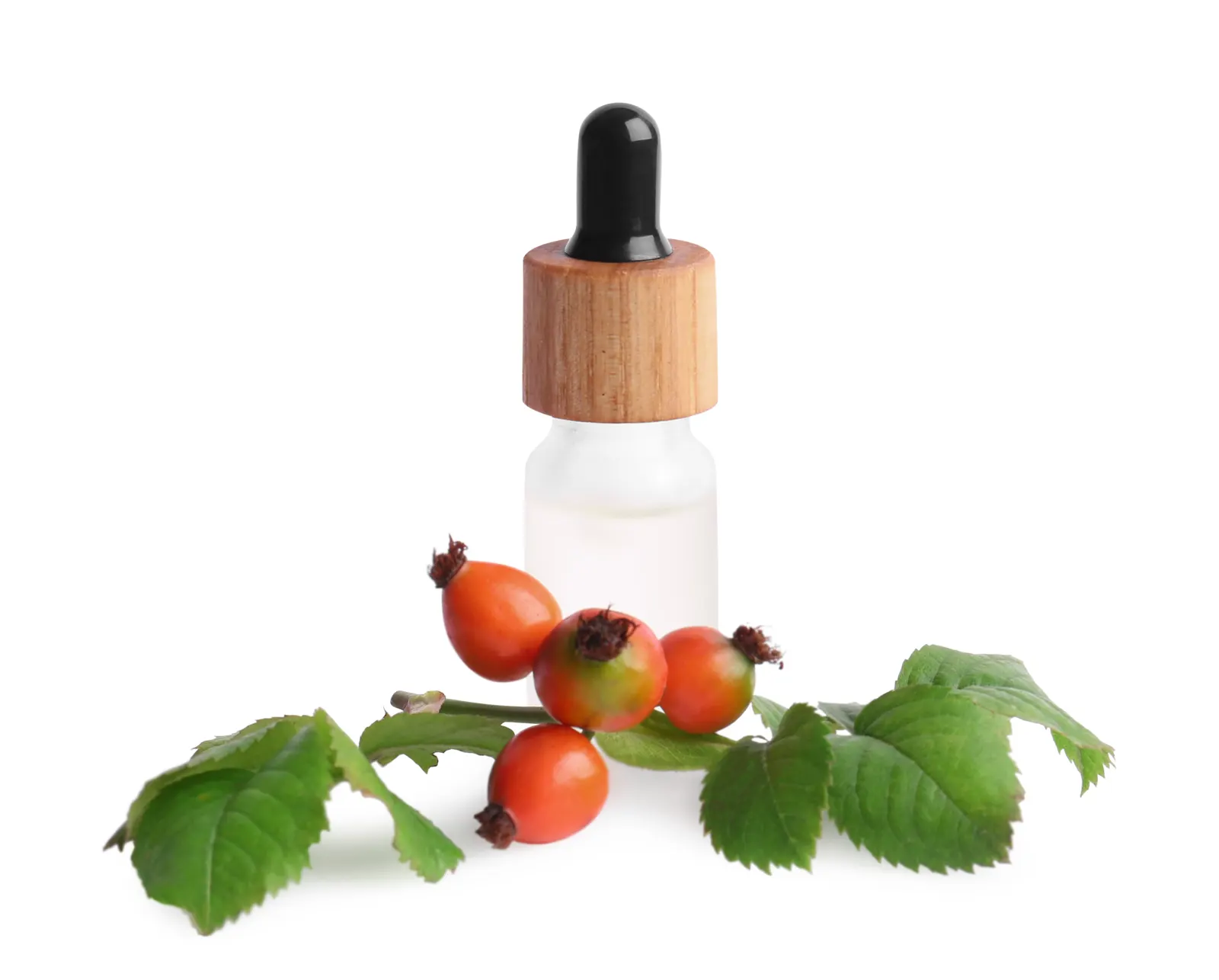
- Pour about 10 ml of a stable face oil, such as squalane or jojoba, into a small dark bottle.
- Add 1–2 drops of sea buckthorn pulp oil and shake well.
- Press 2–3 drops onto clean skin at night, and keep pale pillowcases out of the way.
| Form | Typical use | Notes |
|---|---|---|
| Pulp/fruit oil in face oils | 0.5–5% of a blend | Higher levels stain skin, towels and pillowcases orange. See Rosehip & Sea Buckthorn Glow Oil. |
| Seed oil | 5–20% of a face oil or cream | Pale and non-staining; very polyunsaturated, so add tocopherol and refrigerate. |
| Balms | 1–3% pulp oil | Gives a natural golden tint and carotenoid content to healing or lip balms. |
| Oral supplements | As directed on standardized capsules | Discuss with a doctor if you take anticoagulants or have upcoming surgery. |
Recipes for Dry & Dehydrated Skin with Sea Buckthorn
Daily rituals with Sea Buckthorn
Use it safely
- Pulp oil stains: undiluted, it can temporarily tint skin orange and permanently mark fabrics.
- Allergic reactions are uncommon; patch test, especially on sensitive skin.
- Seed oil oxidizes quickly; rancid oil irritates. Buy small and refrigerate.
- It is not a sunscreen — see Sun Care & After-Sun.
Pregnancy and breastfeeding: Topical use is considered safe in pregnancy and breastfeeding. Oral supplements have not been studied in pregnancy; food amounts are fine.
New to an ingredient? Patch test first.
When to see a doctor
- Dryness with intense itch that disturbs sleep, or red, inflamed patches (possible eczema or another dermatitis).
- Cracked, bleeding or weeping skin, or signs of infection (pain, warmth, yellow crusts, pus).
- Fish-scale-like dryness present since childhood (possible ichthyosis).
- New, persistent dryness with fatigue, weight change, feeling cold or hair thinning (thyroid), or with excessive thirst and urination (diabetes).
- Severe dryness in older adults with widespread itch that does not respond to moisturizers.
Other plants for Dry & Dehydrated Skin
| Ingredient | Grade | What the evidence shows |
|---|---|---|
| Colloidal Oatmeal | B | Multiple clinical studies show colloidal oatmeal creams and baths reduce dryness, scaling and itch; it is an approved skin protectant in the US. |
| Sunflower Oil | B | Linoleic-rich sunflower seed oil preserved stratum corneum integrity and improved hydration in a comparative study with olive oil, and supports barrier function in neonatal studies. |
| Coconut Oil | B | A randomized trial found virgin coconut oil as effective and safe as mineral oil for mild to moderate xerosis of the legs. |
| Shea Butter | C | Rich emollient and mild occlusive with anti-inflammatory triterpene esters; small studies of shea-containing creams support hydration. |
| Squalane | C | A skin-identical, stable, lightweight emollient that reduces roughness; excellent tolerability but limited trial data on its own. |
| Jojoba | C | A liquid wax ester that resembles skin’s own wax esters; small studies support barrier repair and softness. |
| Aloe Vera | C | A humectant gel that improved skin hydration in small studies; on its own it is not enough for very dry skin and needs an emollient on top. |
| Marshmallow Root | D | Mucilage polysaccharides form a soothing, humectant film; evidence is traditional and lab-based. |