Does it work?
Pomegranate for Aging & Photoaging
Jewel-red and antioxidant-rich, pomegranate brings a dry-touch seed oil and a toning peel to the Mediterranean beauty shelf.
The short answer: Solid in-vitro data and small randomized oral trials on UV response; topical human evidence for the seed oil or peel extract remains limited.
Our Aging & Photoaging guide does not rank Pomegranate for this use yet, so this is the overall grade for Pomegranate.
What Pomegranate can do for Aging & Photoaging
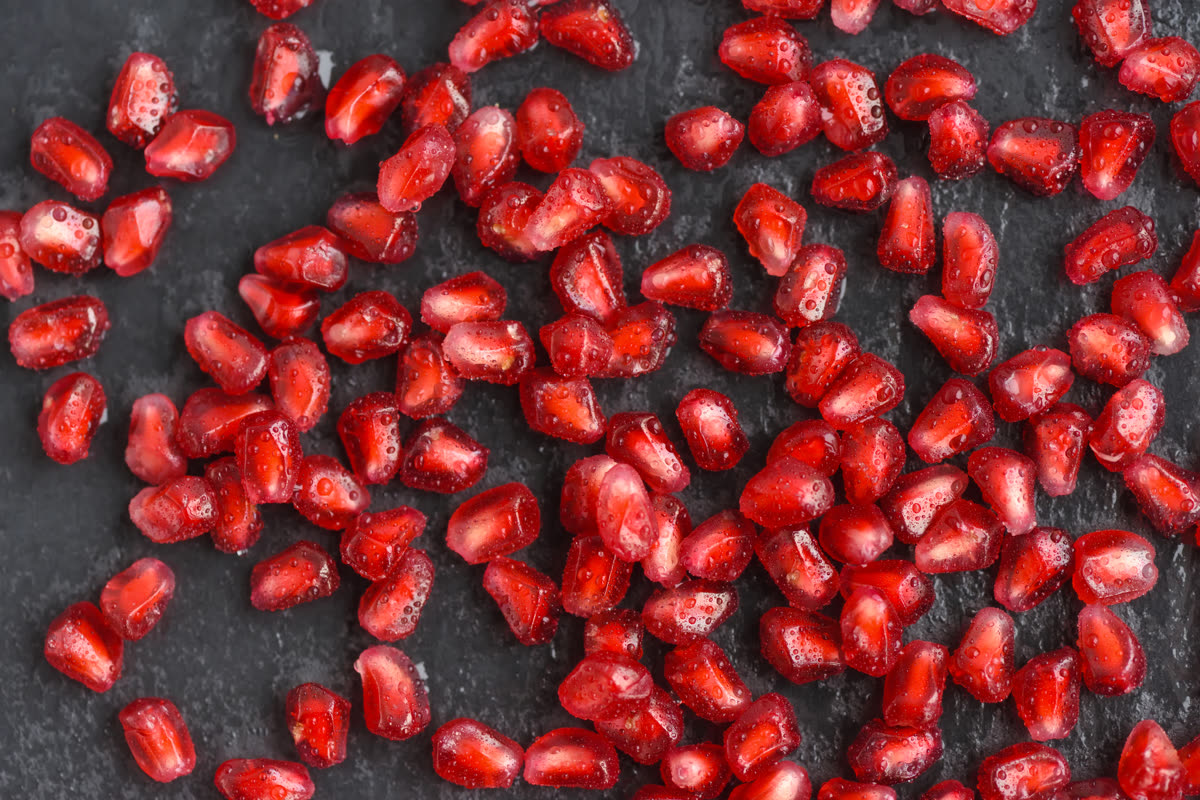
The pomegranate gives skincare three quite different ingredients: a fast-absorbing seed oil made mostly of the rare punicic acid, astringent peel extracts loaded with ellagitannins, and anthocyanin-rich juice. Laboratory studies are genuinely interesting, and small oral trials suggest pomegranate polyphenols slightly raise the skin’s tolerance to UV. Topical human evidence is still thin, so treat pomegranate as a good antioxidant supporting ingredient, never as sun protection.
Why people reach for it
- Antioxidant support. Ellagitannins and ellagic acid are potent antioxidants in the lab, and peel extracts protected skin cells against UV-induced damage in cell and animal studies — a rationale for use in anti-aging serums alongside sunscreen.
- A dry-touch seed oil. Punicic acid gives pomegranate seed oil a light, quickly absorbed feel that suits combination and normal skin in small percentages of a face oil.
- Astringent toning from the peel. Tannin-rich peel extracts tighten the feel of the skin temporarily and are traditional washes in the Maghreb and Ayurveda, useful in toners for oily skin.
- Possible help for uneven tone. Ellagic acid inhibits tyrosinase in vitro, and one small oral trial found pomegranate extract slightly reduced UV-induced tanning. Topical proof is lacking.
How to use it
Try it today
A jewel-drop night oil
- In a small dark bottle, add 1 drop of pomegranate seed oil for every 10–20 drops of squalane or jojoba.
- Press 2–3 drops of the blend onto clean skin at night.
- Keep the bottle in the fridge and use it up within a few months.
| Form | Typical use | Notes |
|---|---|---|
| Seed oil in face serums | 1–10% of an anhydrous serum | Blend with stable oils such as jojoba or squalane and add tocopherol (0.2–0.5%). Keep refrigerated and use within a few months. |
| Peel or fruit extract in toners and serums | Typically 0.5–3% (follow the supplier’s standardization) | Choose extracts standardized for punicalagins or ellagic acid. Water-based products need a broad-spectrum preservative and a chelator; see DIY Safety: Water, Microbes & Preservatives. |
| Fresh kitchen mask (single use) | 1 tablespoon of pressed juice mixed into honey or yogurt | Pomegranate juice is acidic and can sting or stain; avoid broken skin. Use immediately and discard leftovers. |
Recipes with Pomegranate
Use it safely
- Allergy to pomegranate is rare but documented, including in people with other fruit allergies; patch test new products.
- The seed oil oxidizes quickly; rancid oil smells sharp or fishy and is more irritating — discard it.
- Fresh juice and peel preparations can stain skin and fabrics and may sting sensitive or broken skin.
- Drinking large amounts of pomegranate juice has been reported to interact with some drugs (for example warfarin); this does not apply to skincare, but ask your pharmacist if you take it daily.
Pregnancy and breastfeeding: No concerns for topical use, and the fruit is a normal food in pregnancy. Patch test, as skin may be more reactive.
New to an ingredient? Patch test first.
When to see a doctor
- A new or changing mole or spot, especially using the ABCDE signs (asymmetry, irregular border, uneven color, diameter over 6 mm, evolving).
- Rough, scaly patches on sun-exposed skin that persist (possible actinic keratoses).
- A pearly or shiny bump, a sore that does not heal within 3–4 weeks, or a lesion that bleeds easily.
- Sudden skin thinning, easy bruising or stretch marks that may be medication-related (e.g. long-term steroids).
- If you want prescription retinoids or in-office treatments, or are unsure which actives are safe for you.
Other plants for Aging & Photoaging
| Ingredient | Grade | What the evidence shows |
|---|---|---|
| Bakuchiol | B | A randomized, double-blind trial found 0.5% bakuchiol twice daily comparable to 0.5% retinol for wrinkles and pigmentation over 12 weeks, with less stinging; it is not a true retinoid and is less studied. |
| Green Tea | B | Topical green tea polyphenols reduce UV-induced redness and DNA damage in human skin; trials for wrinkles show mixed, modest results. |
| Centella Asiatica (Cica) | C | Madecassoside and asiaticoside stimulate collagen in the lab; small trials of centella-containing creams showed improved firmness, mostly in combination products. |
| Argan Oil | C | A small study in postmenopausal women found improved elasticity with argan oil (oral and topical arms); useful as an emollient. |
| Rosehip Oil | C | Rich in linoleic acid and carotenoids; small studies (mainly of oral rosehip powder) suggest improved skin texture. Topical anti-wrinkle data are thin. |
| Frankincense | C | One small trial of a Boswellia serrata extract cream reported improvement in photoaging signs; needs replication. |
| Sea Buckthorn | D | High in antioxidants and omega-7 (palmitoleic acid), but clinical anti-aging evidence is minimal; unrefined oil stains orange. |