Does it work?
Stinging Nettle for Dandruff & Itchy Scalp
What the research says about stinging nettle for dandruff & itchy scalp, how to use it at home and how to stay safe.
The short answer: Traditional use plus in-vitro data (mostly on the root, studied orally for prostate symptoms); no controlled human trials for hair or scalp.
Our Dandruff & Itchy Scalp guide does not rank Stinging Nettle for this use yet, so this is the overall grade for Stinging Nettle.
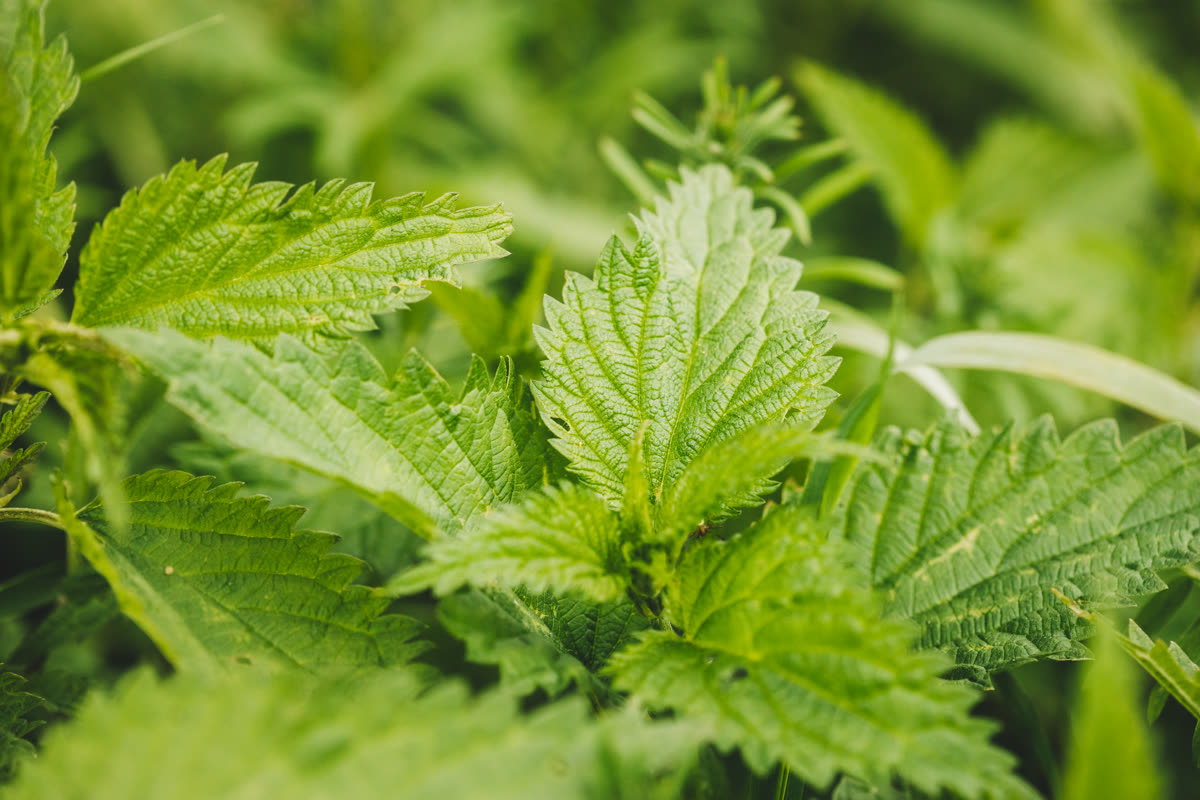
What it does
Stinging nettle has been a scalp tonic in European folk tradition for centuries, used in rinses for oily hair, flaking and shedding. Dried or cooked nettle loses its sting and is gentle on skin. Nettle root extracts show some anti-androgen-related activity in lab studies, which fuels hair-loss claims, but there are no good human trials of nettle for hair, so it is best treated as a pleasant, traditional tonic.
Why people reach for it
- Traditional scalp tonic. Nettle rinses are used to refresh an oily scalp and reduce the look of flakes; this is long-standing tradition rather than tested in trials. See Dandruff & Itchy Scalp.
- Antioxidant and anti-inflammatory (lab data). Leaf flavonoids and caffeic-acid derivatives show antioxidant and anti-inflammatory activity in the lab.
- Hair-loss hypothesis (unproven). Root extracts have shown weak effects on 5α-reductase and sex-hormone binding in vitro; no human study shows nettle prevents hair loss. See Thinning Hair & Hair Loss.
How to use it
| Form | Typical use | Notes |
|---|---|---|
| Infusion hair rinse | 5–10 g dried leaf per 250 ml hot water, cooled | Pour over the scalp after shampooing and leave in or rinse lightly. Make fresh; discard leftovers within a day. |
| Scalp tonic | 2–5% nettle extract or glycerite in a preserved water/hydrosol base | Pairs with rosemary; see Nettle & Rosemary Scalp Tonic. Water-based tonics need a preservative. |
| Shampoo or conditioner additive | 0.5–3% extract | For an oily scalp feel; mainly a marketing-friendly botanical at these levels. |
Recipes with Stinging Nettle
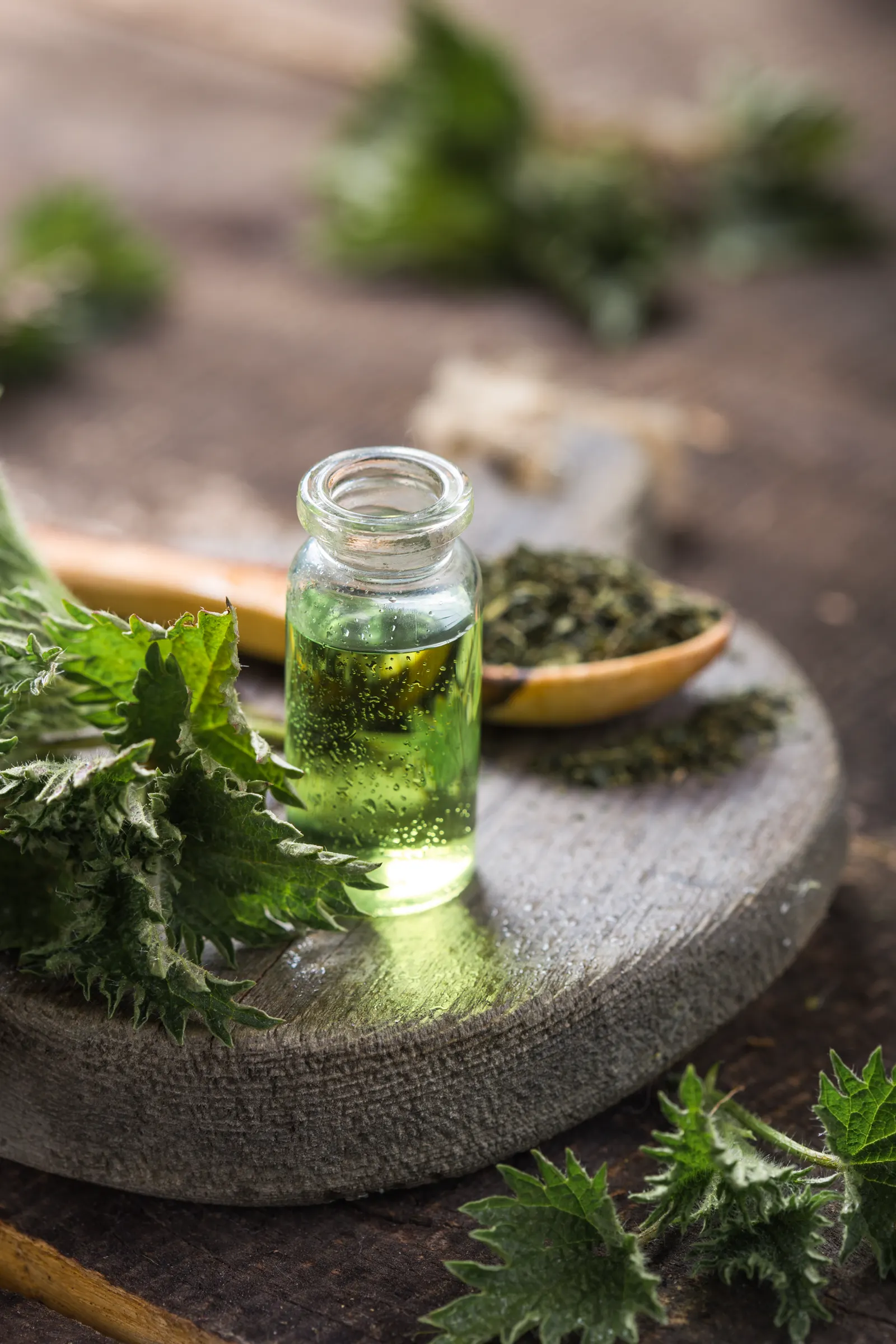
Daily rituals with Stinging Nettle
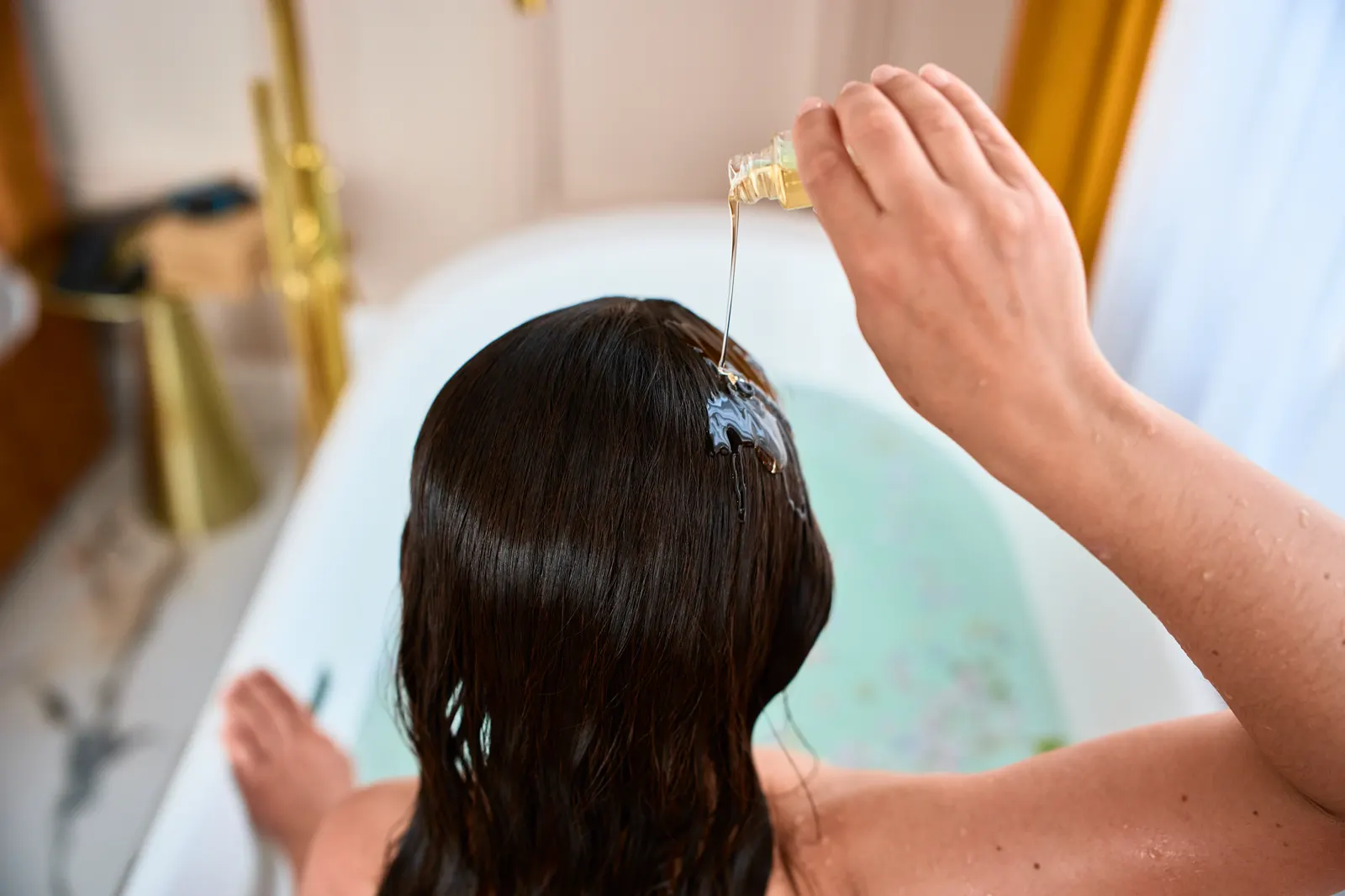
Use it safely
- Fresh nettle stings and can cause contact urticaria (itchy welts); use dried or processed material, and wear gloves when harvesting.
- Allergy to processed nettle is uncommon; patch test before leave-on use.
- Oral nettle (especially root, or concentrated supplements) can interact with diuretics, lithium, blood-pressure, diabetes and blood-thinning medicines; topical use does not raise these issues.
Pregnancy and breastfeeding: Topical rinses are considered low-risk. Avoid medicinal oral doses, especially of the root, during pregnancy unless your clinician advises them.
New to an ingredient? Patch test first.
When to see a doctor
- Thick, silvery plaques, especially extending beyond the hairline or with plaques elsewhere (possible psoriasis).
- Patches of hair loss, broken hairs or swollen glands in the neck, particularly in a child (possible fungal infection).
- Oozing, crusting, pain or a boggy swelling (kerion) on the scalp.
- A sudden, severe or widespread seborrheic dermatitis, which can occasionally signal an underlying condition.
- An itchy, red, swollen scalp after hair dyeing (possible allergy — seek care urgently if the face swells).
- No improvement after 4–6 weeks of correctly used medicated shampoo.
Other plants for Dandruff & Itchy Scalp
| Ingredient | Grade | What the evidence shows |
|---|---|---|
| Tea Tree | B | A randomized, placebo-controlled trial of 5% tea tree oil shampoo improved dandruff severity, itch and greasiness over four weeks. |
| Aloe Vera | C | A small double-blind trial found an aloe emulsion reduced scaling and itch in seborrheic dermatitis. |
| Honey | C | A small uncontrolled study of diluted crude honey applied to seborrheic dermatitis reported reduced itch and scaling; needs confirmation. |
| Neem | D | Antifungal activity in the lab and traditional Ayurvedic use; no good human trials for dandruff. |
| Rosemary | D | Antimicrobial in vitro and used traditionally in scalp rinses; no clinical dandruff data. |
| Black Seed Oil | D | Thymoquinone shows antifungal activity in the lab; as an oil it may also feed Malassezia, so evidence is uncertain. |