Does it work?
Marula Oil for Dry & Dehydrated Skin
Silky, light and slow to spoil: the savanna oil that sinks in and leaves a soft, satin glow.
The short answer: One small clinical study found marula oil non-irritating and moisturizing on skin; other benefits are inferred from its composition and general emollient science.
Our Dry & Dehydrated Skin guide does not rank Marula Oil for this use yet, so this is the overall grade for Marula Oil.
What Marula Oil can do for Dry & Dehydrated Skin
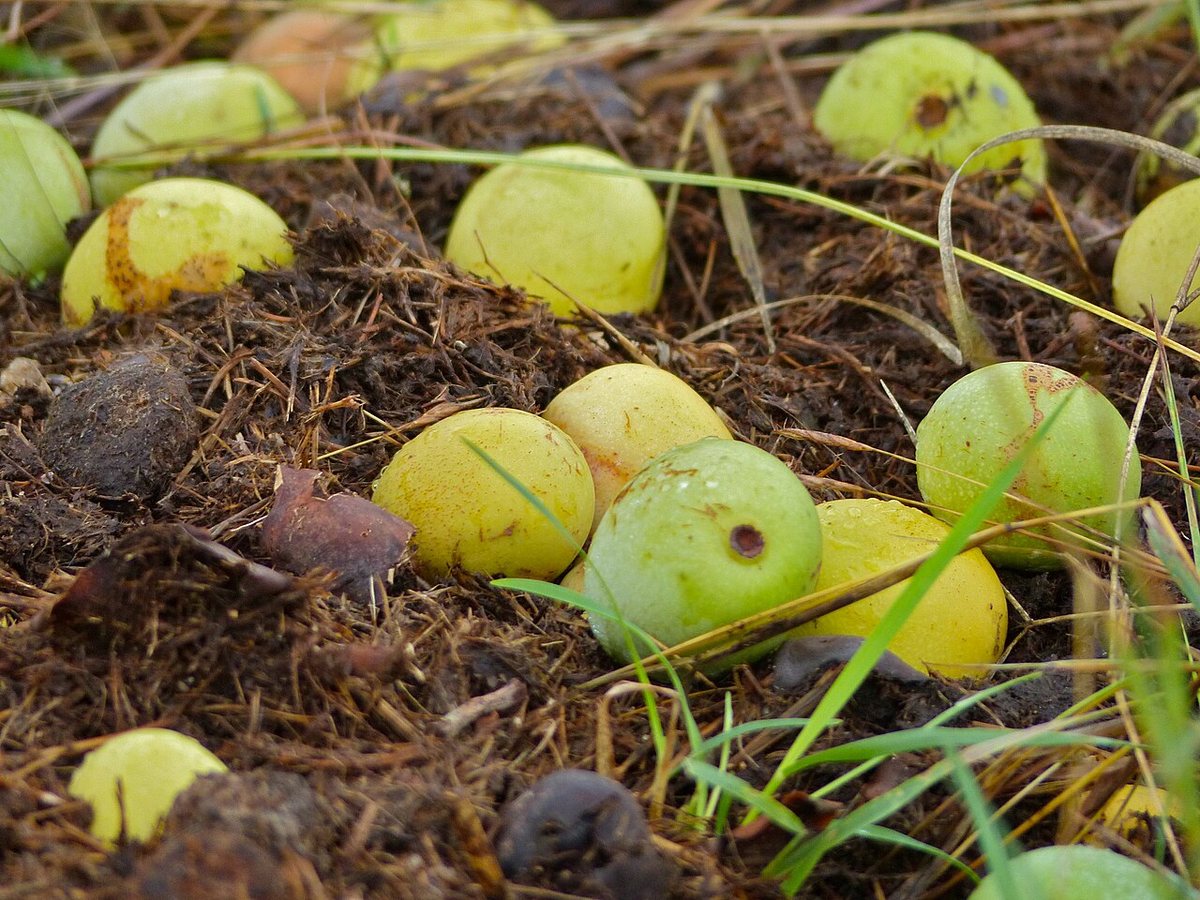
Marula oil is pressed from the kernels of the marula tree, a savanna tree of Southern and Eastern Africa whose fruit is a seasonal staple. It is dominated by oleic acid, which gives it a silky, fast-spreading feel and unusually good resistance to rancidity. Evidence is limited to one small clinical study and its well-understood chemistry: a dependable, stable emollient for dry skin and hair rather than a uniquely powerful anti-aging oil. Much of the world’s supply is cracked by hand by rural women, so how you buy it matters.
Why people reach for it
- Softens dry skin without heaviness. An oleic-rich oil that spreads easily and leaves a supple, satin finish — a reliable emollient for dry and mature skin, alone or under a moisturizer.
- Exceptionally slow to go rancid. Very little polyunsaturated fat plus natural antioxidants make marula one of the most oxidation-resistant liquid plant oils, a real advantage in serums, balms and products that must last.
- Smooths frizz and adds shine. A few drops on damp or dry lengths lubricate the cuticle and cut friction, helping dry, curly or color-treated hair look glossier.
- A good partner for fragile oils. Blending marula with oxidation-prone oils such as rosehip oil dilutes their polyunsaturated content and extends the life of the blend.
How to use it
Try it today
A two-minute satin glow
- New to marula? Patch test first, then splash your face with water so it is slightly damp.
- Warm 2–4 drops between your fingertips and press them gently onto your skin.
- Smooth whatever is left on your hands over dry hair ends for extra shine.
| Form | Typical use | Notes |
|---|---|---|
| Face oil or serum | 2–4 drops neat, or 20–100% of an anhydrous face oil | Press onto slightly damp skin, or over a water-based moisturizer. Blends well with rosehip oil or jojoba. |
| Creams and lotions | 2–10% of the formula (oil phase) | Its stability makes it a good backbone oil; still add tocopherol at 0.1–0.5%. Balance phases with the Formula & Cost Calculator. |
| Hair finishing oil | 2–5 drops on ends; 1–5% in leave-in products | Light enough for medium hair; use less on fine hair. |
Use it safely
- Irritation and allergy are uncommon; patch test if your skin is reactive.
- Marula belongs to the cashew family (Anacardiaceae) and is a kernel oil. Cosmetic oils carry little protein, but people with severe tree-nut allergy should ask an allergist before using unrefined kernel oils.
- Very oleic oils can aggravate a compromised barrier in some people; if eczema-prone skin stings or flares, switch to a linoleic-rich or occlusive option.
- Discard oil that smells sharp, waxy or paint-like.
Pregnancy and breastfeeding: No specific concerns for topical use in pregnancy or breastfeeding. Patch test new products, as skin can become more reactive in pregnancy.
New to an ingredient? Patch test first.
When to see a doctor
- Dryness with intense itch that disturbs sleep, or red, inflamed patches (possible eczema or another dermatitis).
- Cracked, bleeding or weeping skin, or signs of infection (pain, warmth, yellow crusts, pus).
- Fish-scale-like dryness present since childhood (possible ichthyosis).
- New, persistent dryness with fatigue, weight change, feeling cold or hair thinning (thyroid), or with excessive thirst and urination (diabetes).
- Severe dryness in older adults with widespread itch that does not respond to moisturizers.
Other plants for Dry & Dehydrated Skin
| Ingredient | Grade | What the evidence shows |
|---|---|---|
| Colloidal Oatmeal | B | Multiple clinical studies show colloidal oatmeal creams and baths reduce dryness, scaling and itch; it is an approved skin protectant in the US. |
| Sunflower Oil | B | Linoleic-rich sunflower seed oil preserved stratum corneum integrity and improved hydration in a comparative study with olive oil, and supports barrier function in neonatal studies. |
| Coconut Oil | B | A randomized trial found virgin coconut oil as effective and safe as mineral oil for mild to moderate xerosis of the legs. |
| Shea Butter | C | Rich emollient and mild occlusive with anti-inflammatory triterpene esters; small studies of shea-containing creams support hydration. |
| Squalane | C | A skin-identical, stable, lightweight emollient that reduces roughness; excellent tolerability but limited trial data on its own. |
| Jojoba | C | A liquid wax ester that resembles skin’s own wax esters; small studies support barrier repair and softness. |
| Aloe Vera | C | A humectant gel that improved skin hydration in small studies; on its own it is not enough for very dry skin and needs an emollient on top. |
| Marshmallow Root | D | Mucilage polysaccharides form a soothing, humectant film; evidence is traditional and lab-based. |