Does it work?
Marula Oil for Aging & Photoaging
What the research says about marula oil for aging & photoaging, how to use it at home and how to stay safe.
The short answer: One small clinical study found marula oil non-irritating and moisturizing on skin; other benefits are inferred from its composition and general emollient science.
Our Aging & Photoaging guide does not rank Marula Oil for this use yet, so this is the overall grade for Marula Oil.
What it does
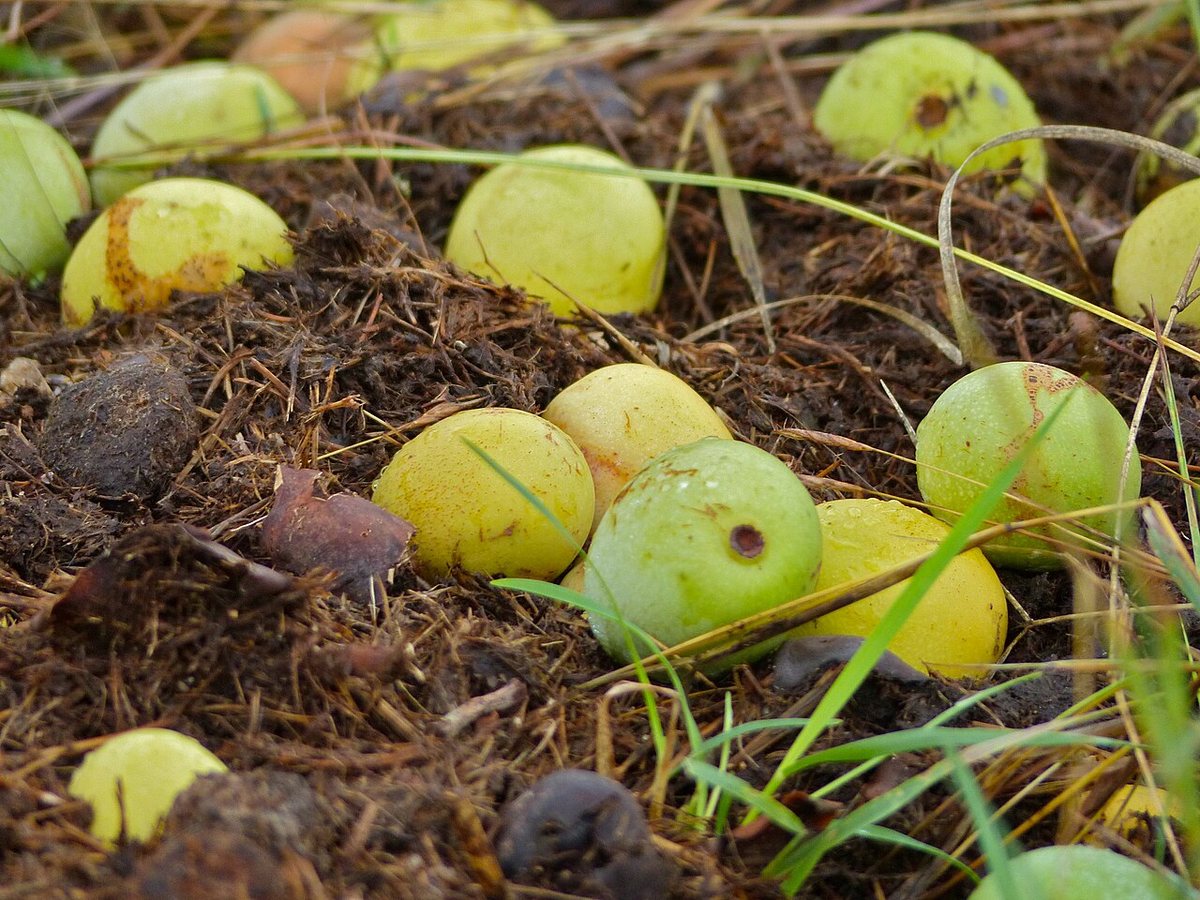
Marula oil is pressed from the kernels of the marula tree, a savanna tree of Southern and Eastern Africa whose fruit is a seasonal staple. It is dominated by oleic acid, which gives it a silky, fast-spreading feel and unusually good resistance to rancidity. Evidence is limited to one small clinical study and its well-understood chemistry: a dependable, stable emollient for dry skin and hair rather than a uniquely powerful anti-aging oil. Much of the world’s supply is cracked by hand by rural women, so how you buy it matters.
Why people reach for it
- Softens dry skin without heaviness. An oleic-rich oil that spreads easily and leaves a supple, satin finish — a reliable emollient for dry and mature skin, alone or under a moisturizer.
- Exceptionally slow to go rancid. Very little polyunsaturated fat plus natural antioxidants make marula one of the most oxidation-resistant liquid plant oils, a real advantage in serums, balms and products that must last.
- Smooths frizz and adds shine. A few drops on damp or dry lengths lubricate the cuticle and cut friction, helping dry, curly or color-treated hair look glossier.
- A good partner for fragile oils. Blending marula with oxidation-prone oils such as rosehip oil dilutes their polyunsaturated content and extends the life of the blend.
How to use it
| Form | Typical use | Notes |
|---|---|---|
| Face oil or serum | 2–4 drops neat, or 20–100% of an anhydrous face oil | Press onto slightly damp skin, or over a water-based moisturizer. Blends well with rosehip oil or jojoba. |
| Creams and lotions | 2–10% of the formula (oil phase) | Its stability makes it a good backbone oil; still add tocopherol at 0.1–0.5%. Balance phases with the Formula & Cost Calculator. |
| Hair finishing oil | 2–5 drops on ends; 1–5% in leave-in products | Light enough for medium hair; use less on fine hair. |
Use it safely
- Irritation and allergy are uncommon; patch test if your skin is reactive.
- Marula belongs to the cashew family (Anacardiaceae) and is a kernel oil. Cosmetic oils carry little protein, but people with severe tree-nut allergy should ask an allergist before using unrefined kernel oils.
- Very oleic oils can aggravate a compromised barrier in some people; if eczema-prone skin stings or flares, switch to a linoleic-rich or occlusive option.
- Discard oil that smells sharp, waxy or paint-like.
Pregnancy and breastfeeding: No specific concerns for topical use in pregnancy or breastfeeding. Patch test new products, as skin can become more reactive in pregnancy.
New to an ingredient? Patch test first.
When to see a doctor
- A new or changing mole or spot, especially using the ABCDE signs (asymmetry, irregular border, uneven color, diameter over 6 mm, evolving).
- Rough, scaly patches on sun-exposed skin that persist (possible actinic keratoses).
- A pearly or shiny bump, a sore that does not heal within 3–4 weeks, or a lesion that bleeds easily.
- Sudden skin thinning, easy bruising or stretch marks that may be medication-related (e.g. long-term steroids).
- If you want prescription retinoids or in-office treatments, or are unsure which actives are safe for you.
Other plants for Aging & Photoaging
| Ingredient | Grade | What the evidence shows |
|---|---|---|
| Bakuchiol | B | A randomized, double-blind trial found 0.5% bakuchiol twice daily comparable to 0.5% retinol for wrinkles and pigmentation over 12 weeks, with less stinging; it is not a true retinoid and is less studied. |
| Green Tea | B | Topical green tea polyphenols reduce UV-induced redness and DNA damage in human skin; trials for wrinkles show mixed, modest results. |
| Centella Asiatica (Cica) | C | Madecassoside and asiaticoside stimulate collagen in the lab; small trials of centella-containing creams showed improved firmness, mostly in combination products. |
| Argan Oil | C | A small study in postmenopausal women found improved elasticity with argan oil (oral and topical arms); useful as an emollient. |
| Rosehip Oil | C | Rich in linoleic acid and carotenoids; small studies (mainly of oral rosehip powder) suggest improved skin texture. Topical anti-wrinkle data are thin. |
| Frankincense | C | One small trial of a Boswellia serrata extract cream reported improvement in photoaging signs; needs replication. |
| Sea Buckthorn | D | High in antioxidants and omega-7 (palmitoleic acid), but clinical anti-aging evidence is minimal; unrefined oil stains orange. |