Does it work?
Hemp Seed Oil for Oily Skin & Pores
What the research says about hemp seed oil for oily skin & pores, how to use it at home and how to stay safe.
The short answer: A small randomized trial of oral hemp seed oil in atopic dermatitis plus a plausible barrier mechanism; topical trials are lacking.
Our Oily Skin & Pores guide does not rank Hemp Seed Oil for this use yet, so this is the overall grade for Hemp Seed Oil.
What it does
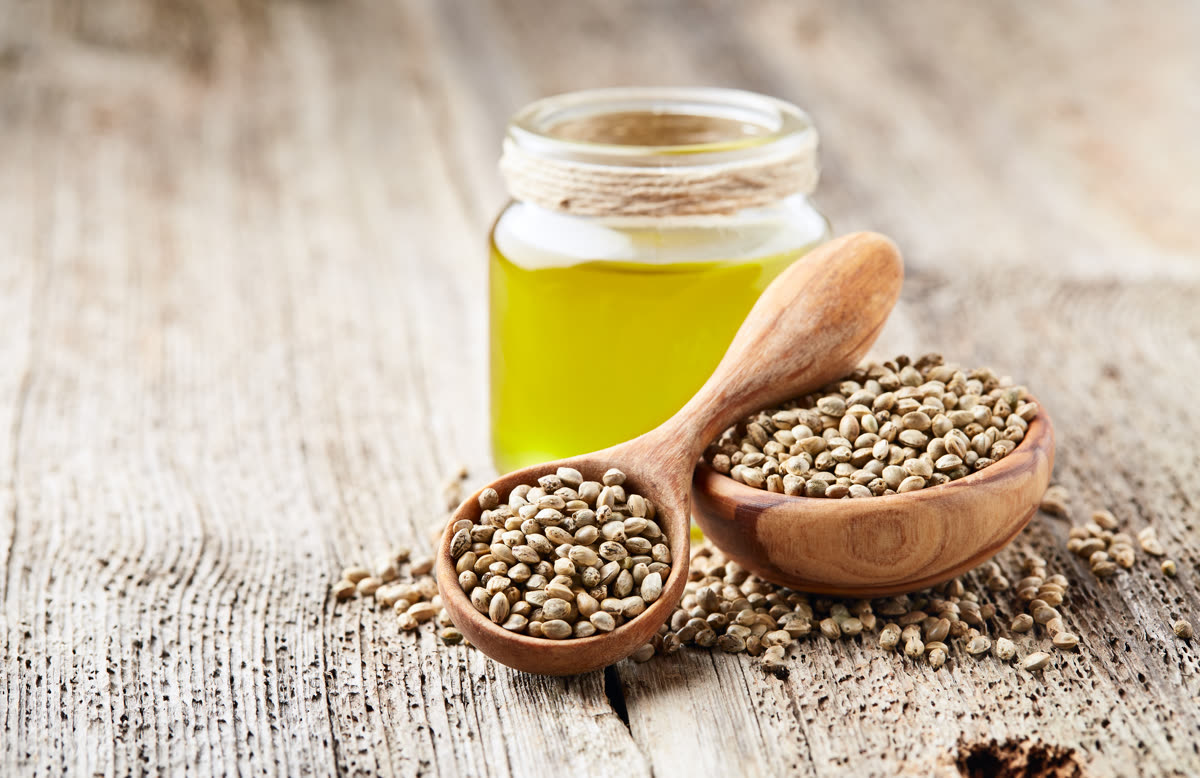
Hemp seed oil is pressed from the seeds of industrial hemp. It is a light, green, polyunsaturated oil with an omega-6 to omega-3 ratio of about 3:1 plus a little GLA. It contains essentially no CBD or THC — those come from the flowers, not the seeds. It is a pleasant emollient for many skin types, with limited evidence and a short shelf life.
Why people reach for it
- Light, fast-absorbing emollient. A thin, quickly absorbed oil that suits oily and combination skin as well as dry skin.
- Barrier-friendly fatty acids. Rich in linoleic acid, the fatty acid skin uses to build barrier ceramides — helpful in dry and eczema-prone routines.
- May suit acne-prone skin. Linoleic-rich oils are a reasonable choice for acne-prone skin, though there is no direct evidence that hemp seed oil treats acne.
How to use it
| Form | Typical use | Notes |
|---|---|---|
| Face oil | 10–50% of a blend, with tocopherol 0.2–0.5% | Combine with stable oils such as jojoba or squalane. Refrigerate and use within a few months. |
| Creams and lotions | 2–10% of the formula (oil phase) | Add an antioxidant and minimize heat exposure. Balance the oil phase with the Formula & Cost Calculator. |
| Cleansing balm or oil | 10–30% of the formula | Adds a light feel; see Sunflower Cleansing Balm for a template. |
Use it safely
- Topical hemp seed oil is well tolerated; patch test if your skin is reactive.
- Hemp seed oil contains no meaningful CBD or THC and does not cause intoxication. Topical use is not expected to affect drug tests; athletes and people subject to testing should use products from suppliers that test for THC if eating hemp foods.
- Hemp seed allergy is rare but documented; stop use if you react.
- Rancid oil is more irritating — discard oil that smells sharp or paint-like.
Pregnancy and breastfeeding: Topical hemp seed oil raises no specific concerns. Avoid products containing CBD or THC during pregnancy and breastfeeding unless advised by your doctor.
New to an ingredient? Patch test first.
When to see a doctor
- Sudden increase in oiliness with acne, excess facial or body hair, irregular periods or scalp hair thinning (possible androgen excess or polycystic ovary syndrome).
- Greasy, flaky, red patches around the nose, brows or scalp that persist (possible seborrheic dermatitis).
- A shiny, pearly or translucent bump that grows or bleeds, which can mimic sebaceous hyperplasia but may be a basal cell carcinoma.
- Oily skin with significant acne or scarring, or if you want to discuss prescription options.
Other plants for Oily Skin & Pores
| Ingredient | Grade | What the evidence shows |
|---|---|---|
| Green Tea | B | Small controlled trials of topical green tea extract emulsions reduced sebum production over several weeks. |
| Willow Bark | C | Natural salicylates may provide light exfoliation and smoothing, but it is much weaker than salicylic acid and poorly studied. |
| Tea Tree | C | Helpful for acne lesions on oily skin, but there is little evidence it reduces sebum itself. |
| Witch Hazel | D | Tannins give a temporary tightening, matte feel; no good evidence it reduces sebum, and alcohol-containing distillates can irritate. |
| Rhassoul Clay | D | Absorbs surface oil for a temporary matte finish and pleasant texture; does not change sebum production. |
| Jojoba | D | Often claimed to “rebalance” oil production; there is no solid human evidence, though its light, non-greasy feel suits many oily skins. |